Living Hinges Bring Flexible Wood Bending to Modern Designs
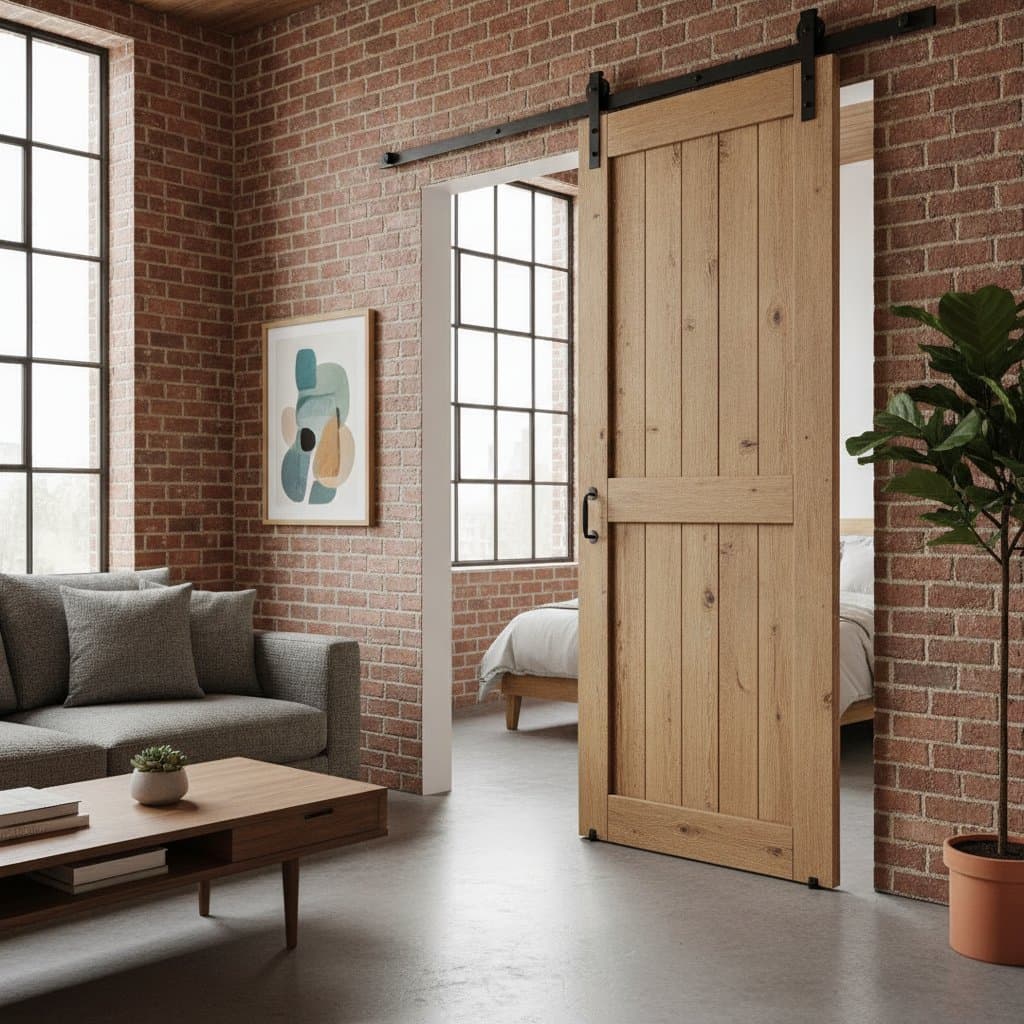
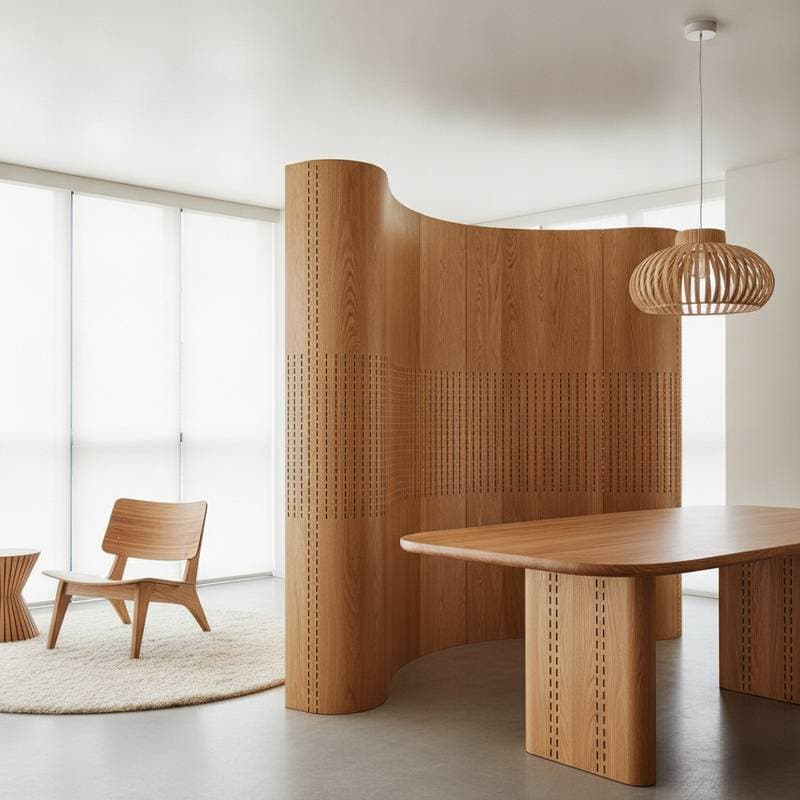
Living hinges introduce precision cut patterns into solid wood panels. This allows the material to flex and curve without breaking. The approach opens creative possibilities for furniture, cabinetry, and architectural details such as interior doors.
The technique balances natural texture with engineered performance. It turns rigid surfaces into flowing forms that suit minimalist and biophilic interiors. When applied to doors or wall panels, the result feels handcrafted yet forward thinking.
Budget Friendly Approach
- Select thin plywood or MDF sheets with laser cut hinge patterns for accent panels or small door inserts.
- Apply flexible veneer sheets over less expensive substrates to achieve the appearance of solid wood movement.
- Focus spending on visible surfaces such as cabinet doors to elevate a room without major expense.
Mid Range Approach
- Choose solid hardwoods like maple or birch and use CNC routing for clean hinge patterns.
- Add matte sealants to protect hinge lines from moisture while preserving grain appearance.
- Integrate curved door edges or arched dividers that highlight the flexible geometry.
Premium Approach
- Specify engineered hardwoods or laminated veneers designed for controlled flexibility at tight radii.
- Commission custom curved doors or continuous cabinetry that wraps around corners.
- Expect long term resistance to warping and increased property value through distinctive craftsmanship.
Material and Finish Recommendations
Pair living hinge wood with minimalist window frames in black or brushed aluminum. Natural oak frames coordinate well for a softer effect. Avoid bulky trim so attention remains on smooth transitions.
Pivot or sliding doors highlight curvature best. Finishes such as natural oil or low sheen lacquer protect the pattern while emphasizing grain. For exterior use, thermally modified wood or composite cladding with flexible joints performs reliably.
Keep trim simple with rounded corners and flush transitions. Hardware in matte black or warm brass complements the sculptural form.
Maintenance Practices
Clean hinge patterns regularly with a soft cloth and mild solution to prevent dust accumulation. Seal all edges with penetrating oil in high moisture areas. Exterior placements require UV resistant finishes and protective overhangs.
Stable indoor humidity helps maintain flexibility. Expect minor movement during use. This behavior is normal and does not indicate structural issues. Periodic checks of fasteners and finishes support decades of service.
Common Errors to Avoid
- Exceeding recommended bend radii, which causes fractures.
- Applying incompatible finishes that clog cuts and restrict movement.
- Leaving hinge lines unsealed, leading to swelling.
- Prioritizing exotic woods over proper fabrication equipment.
Why Curved Wood Enhances Interiors
Curved surfaces promote calm and visual connection. Living hinges achieve this without complex laminations or steam bending. The result offers tactile appeal that suits both minimalist and natural design styles.
Curves guide the eye across a space and make rooms feel larger. When used on doors or partitions, they create subtle motion that shifts with light and viewpoint.
Color and Style Coordination
Combine natural wood tones with contrasting neutrals for balance. Effective pairings include white oak with soft beige and matte black hardware, or dark walnut with cream siding and brushed nickel fixtures. Additional options are ash with pale gray and sand stone, charred wood with concrete and gunmetal trim, or cherry with off white walls and aged bronze accents.
Preparation Steps
Document existing conditions before material selection. Capture exterior photographs in daylight. Note architectural style, neighborhood restrictions, and climate factors. Define budget priorities for areas such as entryways or accent walls.
Living hinges allow wood to adapt rather than resist. This quality supports sculptural elements that bring rhythm and warmth to everyday spaces.