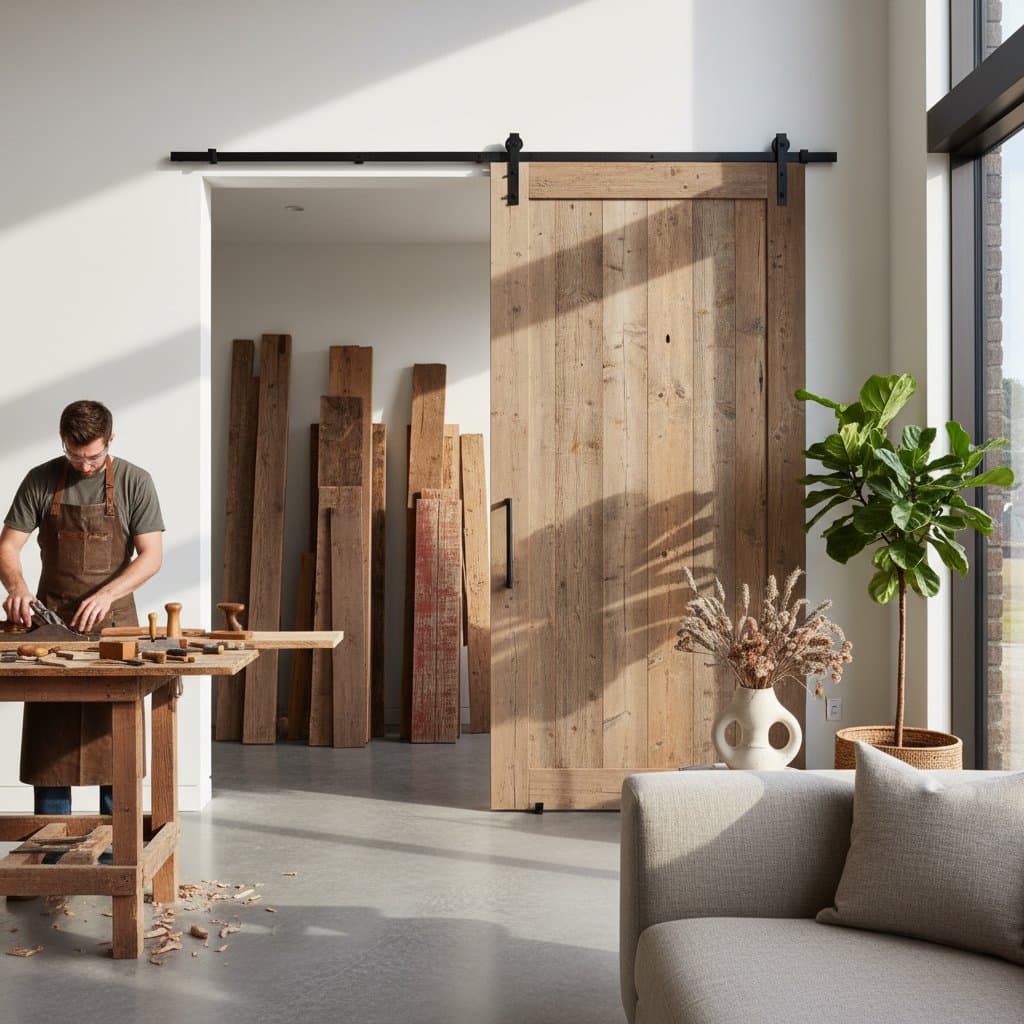
Why Reclaimed Barn Wood Now Costs Twelve to Eighteen Dollars Per Foot
Reclaimed barn wood has moved from a specialty option to a common feature in residential design. Prices have risen sharply over recent years. Materials that once sold for five to eight dollars per square foot now frequently range from twelve to eighteen dollars or higher. Several supply and market pressures explain the change and guide practical planning for new projects.
Growing Preference for Wood with Visible History
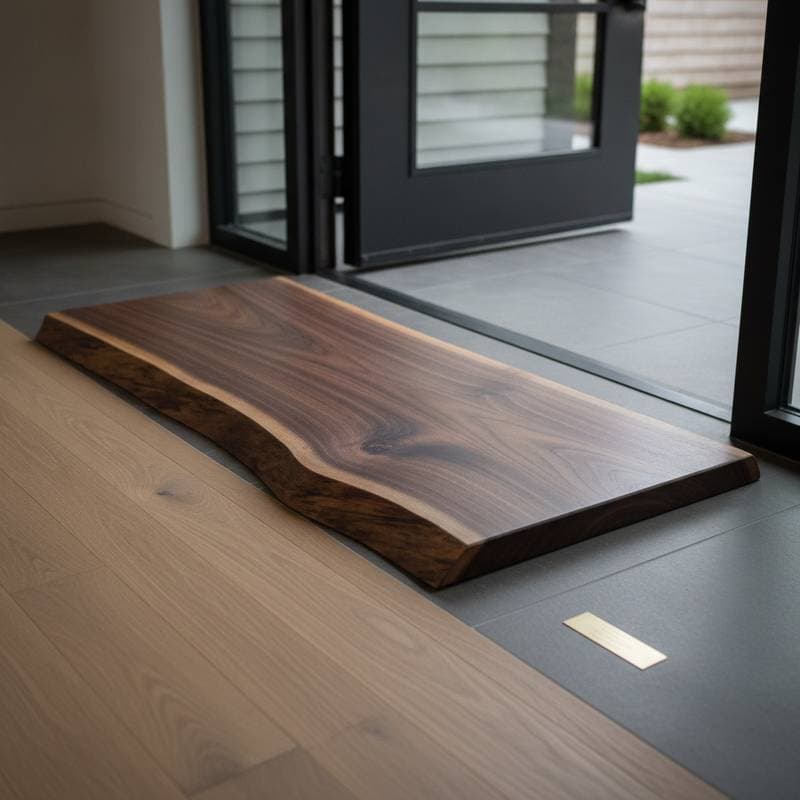
Homeowners and designers seek boards that display natural grain patterns and surface wear from prior use. These characteristics cannot be matched by freshly milled lumber. Increased requests for authentic stock have prompted suppliers to search wider areas and accept higher purchase prices from property owners.
Reduced Stock of Sound Material
Many older agricultural buildings have already been taken down. Remaining structures often stand farther from major markets. Recovery teams spend more time and follow additional regulations to obtain boards. Roughly sixty percent of recovered pieces prove stable enough for interior applications after sorting. Kiln drying and milling then add further preparation costs before the wood reaches buyers.
Careful Removal and Stabilization Steps
Each board must be pried free without splits or cracks. Embedded nails and bolts require detection and extraction to protect saw blades. Kiln drying occupies several weeks to remove moisture and any insects. Planing follows to create uniform thickness. These operations require more labor hours than standard lumber production and raise the delivered price.
Freight Costs and Regional Limits
Most source barns lie in rural zones while many buyers reside in cities. Heavy loads traveling long distances increase shipping charges. Coastal and arid regions without local barns pay an added fifteen to twenty five percent for transport. Selecting a portion of new wood finished to complement reclaimed pieces can limit the overall increase.
Documentation for Sustainable Claims
Certified suppliers track each board from its original structure through final sale. Third party verification confirms reduced landfill impact and lower demand for fresh timber. The required records and testing contribute measurable overhead to every order.
Commercial Volume Purchases
Restaurants, hotels, and retail spaces order large quantities for feature walls and counters. These bulk transactions compete directly with smaller residential needs. Suppliers adjust rates upward to cover the tightened inventory available for home projects.
Influence of Visible Renovation Trends
Online images and television programs have encouraged more individuals to request reclaimed wood for doors and accents. Auction platforms sometimes create bidding competition for limited lots. Buyers who inspect stock at local yards and arrange work through carpenters with established supplier relationships typically avoid the highest markups.
Steps to Keep Project Costs Reasonable
Review both genuine reclaimed boards and factory aged alternatives that cost less per square foot. Visit salvage locations in person to judge quality and discuss quantity discounts. Request separate line items for materials, labor, and finishing so that trade offs remain clear.
Selecting Materials That Fit Both Goals and Budget
Understanding the sources of higher prices allows homeowners to combine authentic reclaimed sections with complementary new wood. Local sourcing and itemized bids support decisions that deliver the desired appearance without exceeding planned expenses.