Why Reclaimed Barn Door Hardware Sold Out in 48 Hours
When a product sells out almost instantly, it usually signals more than a passing trend. The recent surge in demand for reclaimed barn door hardware shows how design preferences have evolved toward authenticity, craftsmanship, and sustainable materials. Homeowners seek pieces that feel grounded in history yet perform with modern reliability.
Reclaimed hardware delivers that rare mix of character and function. It stands out in rustic and transitional interiors.
The Appeal of Reclaimed Hardware
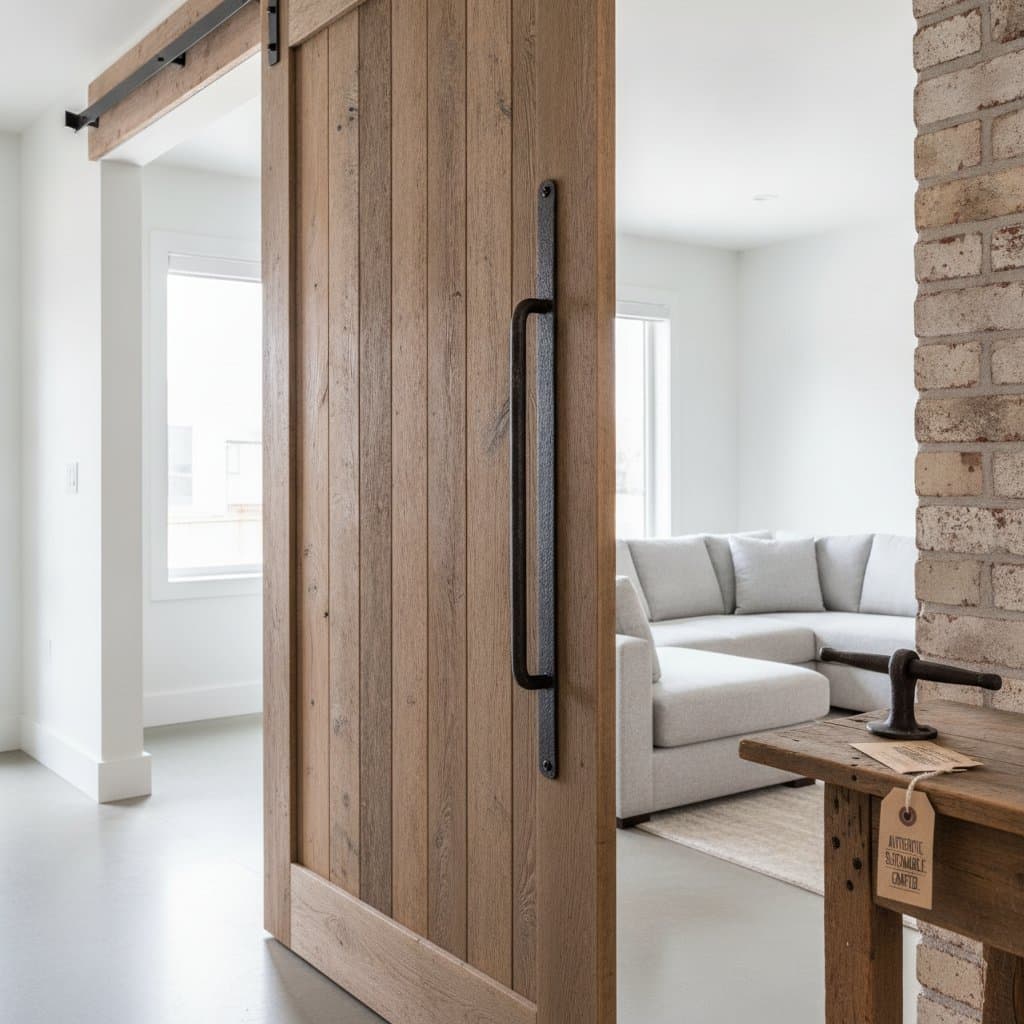
Reclaimed barn door hardware carries a story. Each piece often bears marks from previous use, subtle color variations, and aged finishes that no factory process can replicate. This built-in patina gives interiors warmth and depth, especially when paired with clean-lined furniture or minimalist color palettes.
The look fits both rural farmhouses and urban lofts. It bridges a wide range of design styles through texture and tone. The current rustic trend favors honest materials that show their origin. Reclaimed steel, iron, and wood hardware bring a tactile authenticity that feels handcrafted.
Three Ways to Get This Look
Save Approach ($200 to $600)
- Choose reproduction barn door hardware made from powder-coated steel with a distressed finish.
- Pair it with engineered wood doors stained in warm oak or walnut tones.
- Focus spending on visible hardware like handles or rollers while keeping door panels simple.
Mid-Range Approach ($700 to $1,200)
- Combine genuine reclaimed metal components with new doors built from solid pine or alder.
- Opt for soft-close systems and upgraded track mounts for smoother operation.
- Invest in high-quality finishes that mimic natural aging without the unpredictable wear of antique pieces.
Invest Approach ($1,300 to $2,500)
- Source authentic reclaimed iron or hand-forged steel hardware from restoration suppliers.
- Pair it with true barn wood doors milled from salvaged beams or siding.
- Include custom blacksmith detailing or aged bronze finishes for one-of-a-kind results.
Material and Finish Guide
- Rollers and Tracks: Blackened steel, oil-rubbed bronze, or hand-brushed iron.
- Handles and Pulls: Forged iron or reclaimed brass with visible rivets.
- Doors: Weathered barn wood, knotty alder, or reclaimed pine with matte sealant.
- Mounting Hardware: Hidden brackets for a sleek appearance or surface mounts for a bold industrial look.
- Accents: Leather straps, reclaimed wood trim, or hammered metal edge details.
Maintenance Reality Check
Reclaimed hardware looks timeless, but it needs care. Iron and steel require periodic wiping with a dry cloth to prevent surface rust, especially in humid environments. Light oiling preserves the finish without changing the patina.
For doors made from reclaimed wood, a clear matte polyurethane coating reduces dust buildup and makes cleaning easier. Avoid harsh cleaners that strip natural finishes or introduce shine that clashes with the rustic aesthetic.
Avoid These Mistakes
- Mixing Too Many Metals: Combining multiple metal finishes can disrupt the cohesive rustic tone. Choose one dominant metal, then repeat it across hinges, pulls, and tracks.
- Neglecting Wall Support: Barn doors are heavy, and insufficient bracing leads to sagging or misalignment. Install a solid header board before hanging any track system.
- Skipping Finish Protection: Unsealed reclaimed materials can stain adjacent walls or floors. Always seal both metal and wood before installation.
Selecting Hardware for Lasting Impact
Reclaimed barn door hardware speaks to the growing preference for materials that feel lived-in and genuine. When paired with thoughtful finishes and practical installation, it enhances interiors with texture and quiet presence. Whether homeowners choose a budget-friendly reproduction or invest in authentic reclaimed metal, the result brings character that never feels manufactured. The sold-out shelves reflect a collective desire for design rooted in craftsmanship, memory, and enduring style.