Unlocking 35% Savings with Recycled Door Frames
Sustainable home improvement has evolved into an essential practice for homeowners seeking to harmonize affordability, performance, and environmental stewardship. Recycled composite door frames stand out as a key innovation, offering up to 35 percent cost reductions compared to conventional materials. These frames maintain superior strength and aesthetic appeal, positioning them as a top choice for contemporary interior projects.
Defining Recycled Composite Door Frames
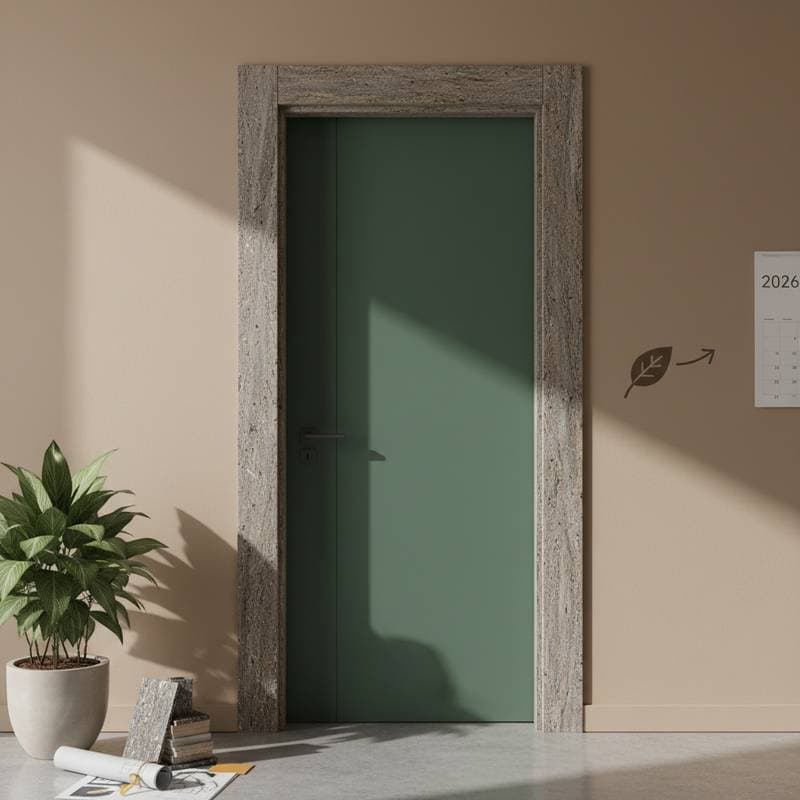
Recycled composite door frames consist of blended reclaimed wood fibers, recycled plastics, and binding resins derived from industrial byproducts or consumer waste. This composition yields a robust, consistent material that mimics the appearance and functionality of solid wood at a fraction of the production expense.
These frames accommodate both solid wood and composite doors, with options for customization in finishes, textures, and profiles to suit diverse design needs. Their appeal lies in the manufacturing approach, which minimizes waste generation and energy use while delivering resistance to moisture, pests, and everyday wear.
Factors Driving the 35 Percent Cost Advantage
The substantial savings from recycled frames stem from multiple efficiency gains in production and use:
-
Economical Material Sourcing
Reclaimed inputs replace costly virgin timber and synthetic polymers, allowing manufacturers to leverage established recycling networks for reduced procurement expenses. -
Efficient Production Processes
Processing recycled composites demands less energy than fabricating new materials, which lowers operational costs and enables competitive pricing for consumers. -
Elimination of Waste Management Expenses
Repurposing materials avoids landfill fees and disposal logistics, with these efficiencies flowing through the supply chain to benefit end users. -
Extended Durability and Reduced Replacement Needs
The fused plastics and fibers create a warp-resistant, splinter-proof surface that withstands water exposure, extending the frame's lifespan and minimizing long-term ownership costs.
Evaluating Frame Alternatives
| Frame Type | Initial Cost | Lifespan | Maintenance | Ideal Applications |
|---|---|---|---|---|
| Solid Wood | High | Extended with care | Frequent sealing and refinishing | Traditional or heritage-style homes |
| PVC | Medium | Standard | Basic surface cleaning | Moisture-prone environments |
| Recycled Composite | Low | Extended | Minimal wiping | Eco-focused and budget-driven builds |
Recycled composites merge PVC's cost-effectiveness with wood's longevity and visual versatility, providing a balanced solution for most installations.
Assessing Strength and Reliability
Recycled composite frames excel in diverse settings, from interior spaces to exterior exposures. Their low moisture uptake prevents the swelling and contraction common in wooden alternatives, ensuring smooth door operation year-round.
In regions with variable climates, such as coastal zones or humid interiors, these frames preserve dimensional stability, reducing the need for adjustments or repairs. Technically, the resin-infused fiber matrix supports heavy loads and repeated use without fracturing, offering reliability comparable to premium woods.
Broader Impacts on Environment and Daily Living
Opting for recycled frames curbs the extraction of fresh resources and sequesters waste that would otherwise burden landfills. This choice supports reduced emissions from manufacturing, aligning with homeowners' commitments to greener practices.
Practically, these frames simplify home maintenance and pair seamlessly with various door styles, from composite panels to engineered wood with insulated cores. Residents gain the warmth of wood-like finishes without the labor of constant upkeep.
Navigating the Installation Process
Installing recycled composite frames follows familiar protocols for wood setups, enhanced by the material's inherent stability.
-
Site Assessment
Professionals measure door openings and evaluate structural fit, benefiting from the frames' pre-engineered straightness that often eliminates on-site tweaks. -
Surface Preparation
Clear debris and ensure level foundations; add vapor barriers for outdoor applications to enhance longevity. -
Frame Securing
Position, level with shims, and fasten using screws that grip securely without causing material splits. -
Final Checks
Verify door alignment, clearance, and seals to prevent drafts or operational issues. -
Finishing Touches
Apply paints or stains directly to the surface, which accepts coatings evenly for customized looks.
Sustaining Performance Over Time
Maintenance for these frames remains straightforward, typically involving a gentle wash with soap and water to preserve appearance. No annual treatments like sanding or varnishing prove necessary, distinguishing them from wood options.
For exterior uses, annual caulk inspections maintain weatherproofing. This low-effort regimen amplifies the 35 percent savings by curtailing cumulative expenses across the frame's extended service life.
Selecting the Optimal Frame Solution
Homeowners evaluating recycled frames should weigh key considerations:
- Financial Priorities: Upfront reductions in material and labor costs provide quick returns.
- Environmental Conditions: Superior performance in humid or fluctuating temperatures suits challenging locales.
- Design Alignment: Textural and color varieties integrate with both sleek modern and timeless schemes.
- Eco-Objectives: High recycled content fulfills goals for responsible renovations.
Pairing these frames with energy-efficient doors in multi-door projects maximizes overall project value.
Securing High-Quality Outcomes
Partner with contractors versed in composite installations to ensure precise anchoring and sealing against elements. Prioritize products backed by certifications for recycled composition and structural ratings.
Request supplier details on material sourcing to validate sustainability claims alongside promised economies. This diligence guarantees frames that deliver enduring value and performance.
Advancing Your Home Upgrade
Integrating recycled composite frames into door projects represents a strategic step toward cost-effective, resilient, and responsible home enhancements. By prioritizing these materials, homeowners achieve substantial savings while elevating both functionality and environmental integrity in their spaces.