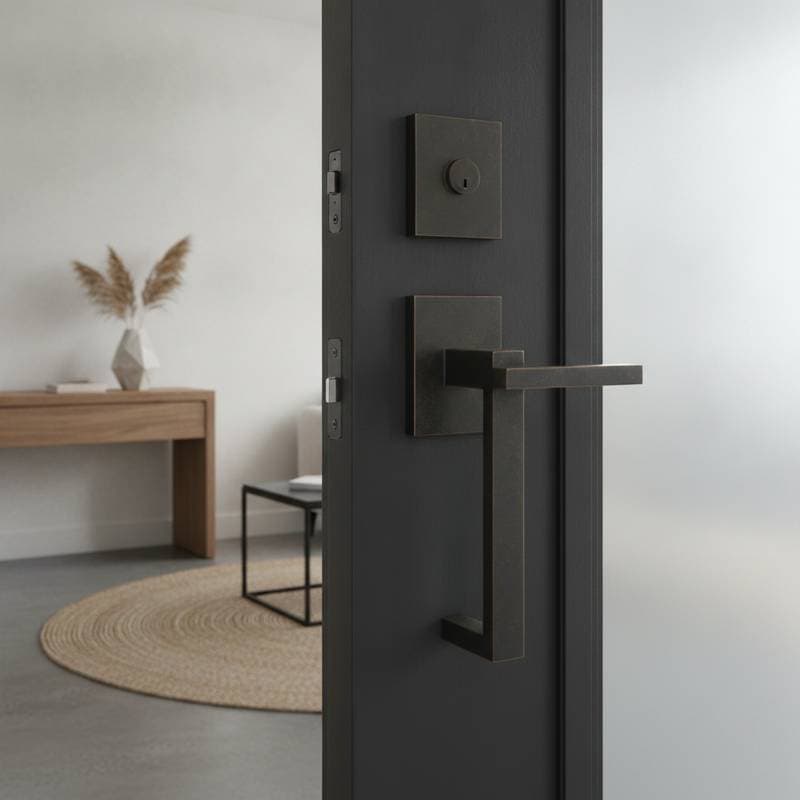
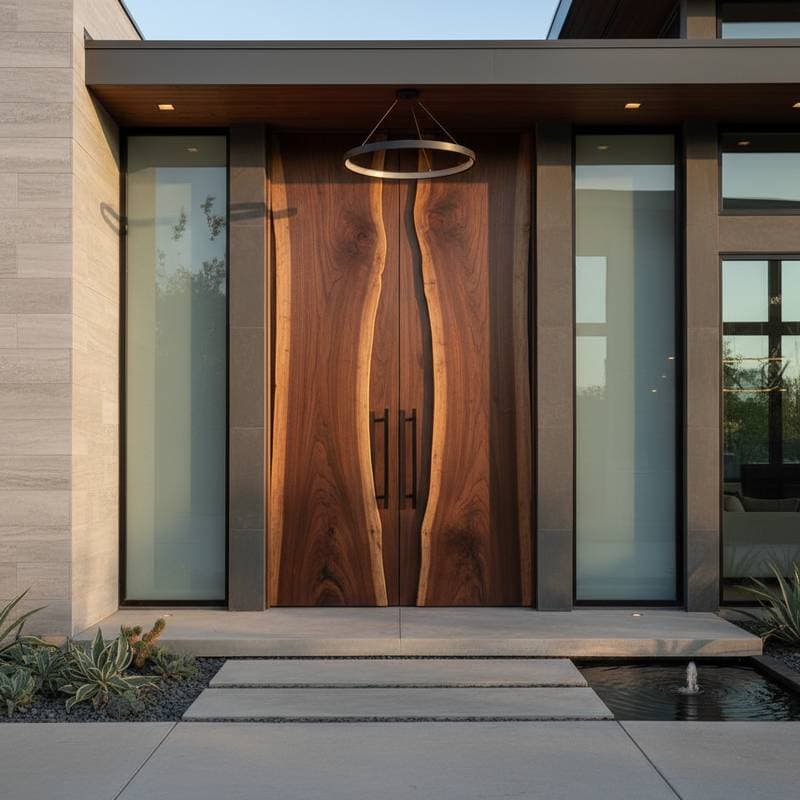
Live-Edge Walnut Doors: 2026's Must-Have $8K Trend
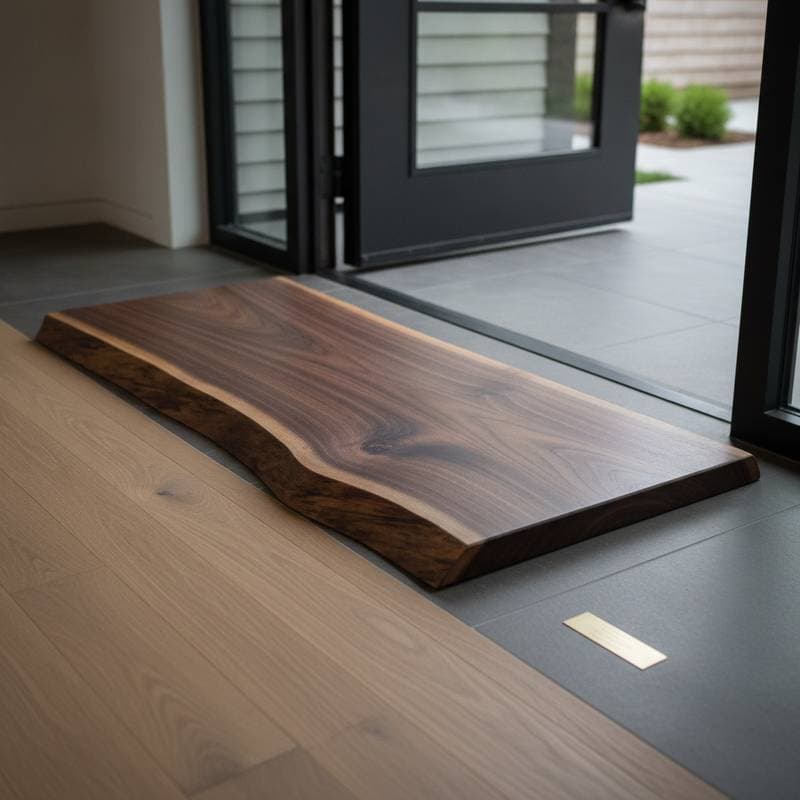
Live-edge walnut doors combine natural contours with handcrafted finishes to create functional art for any home. Homeowners select these pieces for their distinctive appearance and lasting performance. A typical custom installation ranges from $6,500 to $9,000.
The following sections explain current pricing factors, material comparisons, installation steps, and long-term care practices.
Average Cost Breakdown
Custom live-edge walnut doors usually total between $6,500 and $9,000. Larger slabs or added features such as glass inserts can push costs above $10,000. Pricing reflects walnut grade, slab thickness, finish type, and site conditions.
| Component | Typical Cost Range | Description |
|---|---|---|
| Walnut Slab | $1,200 to $2,800 | Premium black walnut, kiln-dried and bookmatched |
| Fabrication & Joinery | $2,000 to $3,500 | Custom shaping, trimming, and live-edge preservation |
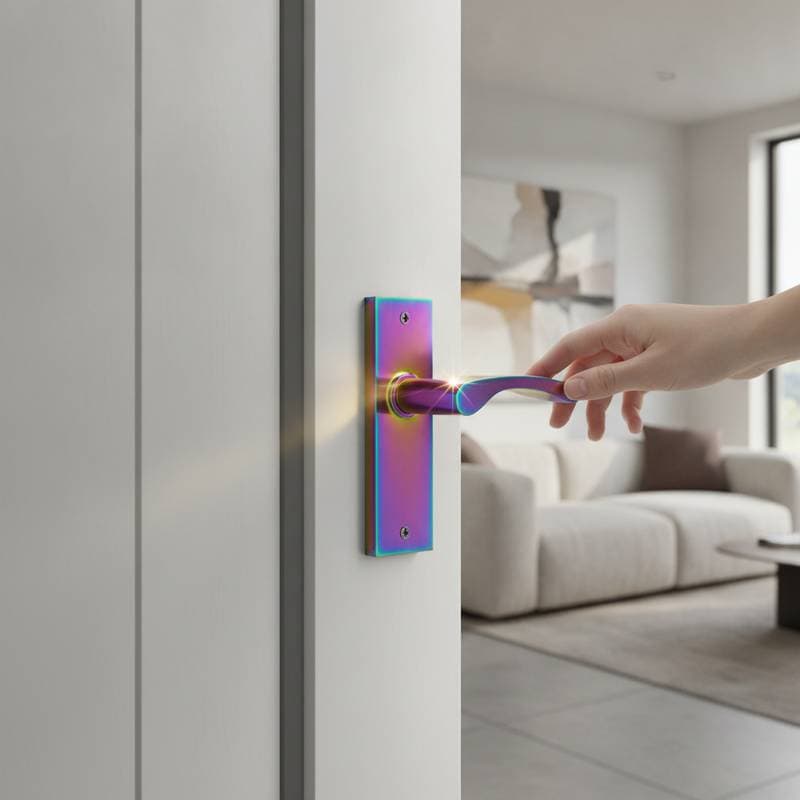
| Hardware & Hinges | $400 to $900 | High-end iron or stainless steel options |
| Finish & Sealing | $600 to $1,200 | Hand-rubbed oil, polyurethane, or matte lacquer |
| Installation Labor | $1,200 to $1,800 | Professional fitting and alignment |
| Total Estimated Cost | $6,500 to $9,000 | Complete installed range |
Special hardware or integrated panels can raise the final price by 15 to 25 percent.
Comparing Live-Edge Woods
Walnut leads in popularity, yet other hardwoods serve similar purposes at different price points.
| Wood Type | Cost per Door | Appearance | Durability |
|---|---|---|---|
| Walnut | $6,500 to $9,000 | Deep brown, rich grain, high-end finish | Excellent |
| Oak | $4,500 to $6,500 | Lighter tone, visible grain, rustic style | High |
| Cherry | $5,000 to $7,000 | Reddish hue, smooth grain | Moderate |
| Maple | $4,000 to $5,800 | Pale tone, subtle grain | High |
| Mahogany | $6,000 to $8,500 | Deep red-brown, uniform grain | Very High |
Walnut offers superior workability for preserving irregular edges while maintaining structural strength.
Installation Considerations
These doors often weigh more than 150 pounds, so professional installation prevents frame damage and ensures smooth operation.
Site Preparation
Measure the rough opening and verify wall plumb before ordering. Reinforce the jamb for exterior use and confirm hinge locations match the slab weight.
Hanging and Alignment
Pivot hinges or heavy-duty ball-bearing models distribute load evenly. Installers typically spend several hours adjusting reveals and testing swing clearance.
Finishing and Sealing
After hanging, sand the surface and apply a penetrating oil followed by a protective topcoat. Seal every edge, including the live edge, to limit moisture absorption.
Advantages of Investing in Live-Edge Walnut
Owners value these doors for appearance, performance, and resale impact.
Distinctive Aesthetic
Each slab displays unique grain patterns and color shifts that become focal points in an entryway or interior partition.
Long-Term Durability
Dense walnut resists warping and splitting when properly sealed. It tolerates seasonal humidity changes better than many softer species.
Increased Property Value
Quality custom doors can return 70 to 80 percent of their cost through improved curb appeal and buyer perception.
Eco-Friendly Appeal
Sourcing from managed forests and using a single slab reduces waste and supports sustainable building practices.
Choosing the Right Contractor
Select fabricators experienced with live-edge work. Ask how many similar doors they have completed, which joinery methods they prefer, and whether they source material or require client supply. Request recent project photos and references to confirm consistent results.
When to Replace or Refinish
Minor wear often responds to refinishing rather than full replacement.
Signs You May Need Refinishing
- Faded or uneven color
- Minor surface cracks
- Loss of protective sheen
- Sticky or rough finish
Refinishing runs $800 to $1,500. Replacement is warranted only when deep structural cracks or warping prevent proper closure.
Planning Your Project
Define the door location, desired dimensions, and finish preferences before contacting fabricators. Obtain itemized quotes that separate slab cost, fabrication, hardware, and labor. Schedule periodic oil applications and avoid direct water contact to preserve appearance for decades.