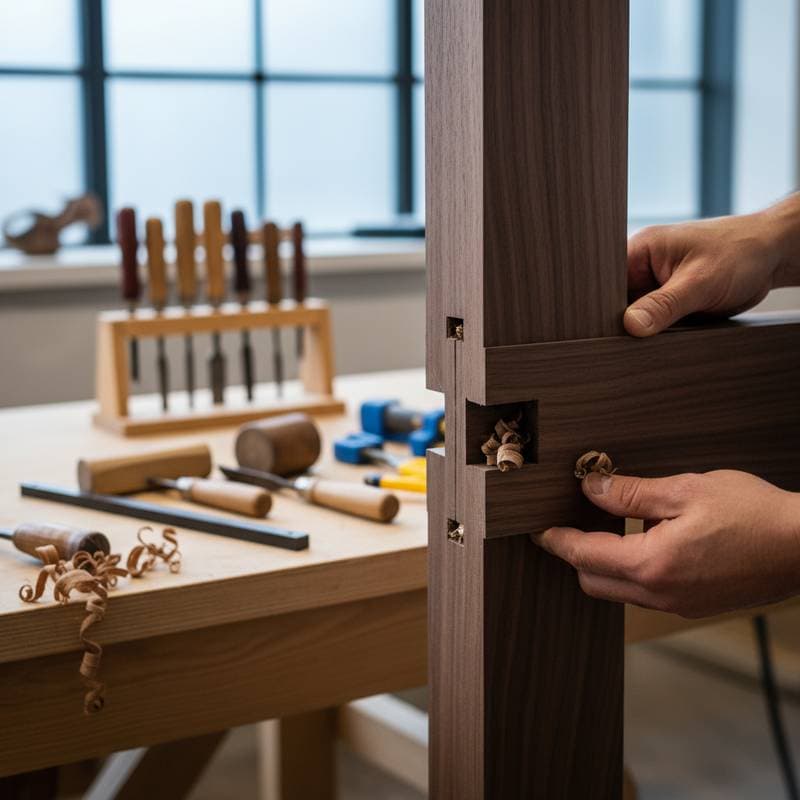
Mortise-and-Tenon Revival: The Resurgence of Hand-Cut Joints
In workshops and renovation sites nationwide, the mortise-and-tenon joint experiences a notable resurgence. This age-old woodworking technique, previously viewed as outdated, now garners appreciation for its superior strength, meticulous craftsmanship, and enduring style. Homeowners and builders recognize the lasting durability and artistic value of hand-cut joinery, particularly in bespoke interior doors and furniture that demand exacting precision and genuine character.
This revival stems from more than sentimentality. It mirrors a wider commitment to superior building practices and environmentally conscious methods. The following sections explore the reasons behind this trend, associated expenses, and integration into contemporary home upgrades.
Reasons Homeowners Favor Hand-Cut Joints
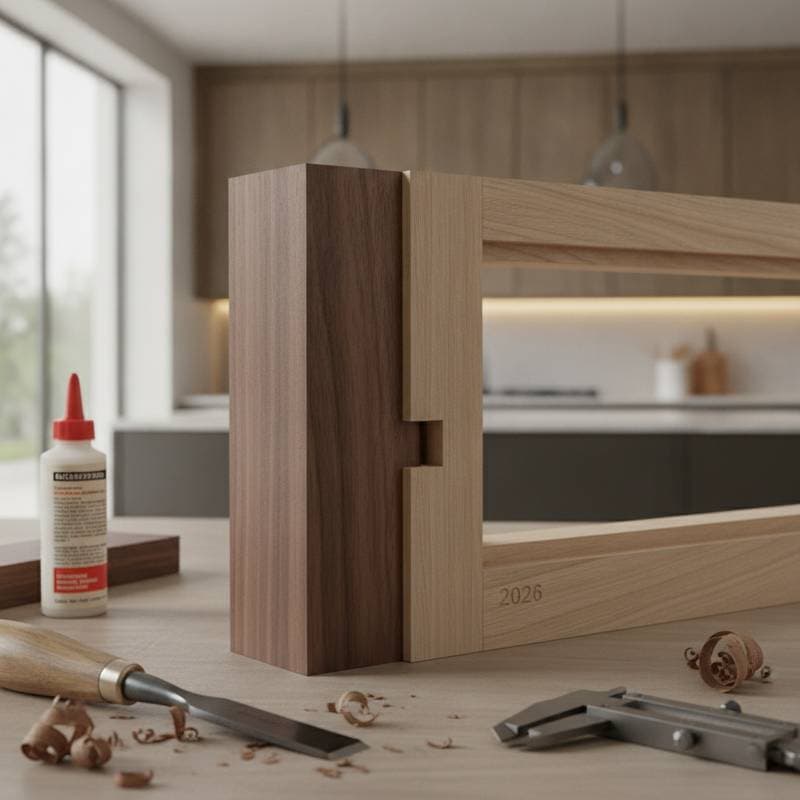
Contemporary homeowners seek construction that endures beyond trends. Many machine-produced joints depend on glues or metal hardware, which may degrade with age and environmental shifts. In contrast, hand-cut mortise-and-tenon joints achieve a seamless, precise connection that delivers both robust support and visual elegance.
James Holloway, a woodworker and custom door specialist at Holloway Joinery Works, notes, "A hand-cut mortise-and-tenon joint merges seamlessly with the wood. It integrates rather than merely connects." This inherent unity resonates with those desiring authentic elements in their interior spaces.
Additionally, visible joinery gains popularity. On furniture and doors, protruding tenons or decorative pegs in contrasting tones serve as understated accents that honor skilled workmanship instead of concealing it.
Selecting Materials: Balancing Cost, Appearance, and Strength
The choice of wood species significantly influences the joint's look, durability, and expense. Dense hardwoods offer enhanced resilience yet require extended handwork. Softer varieties allow quicker shaping but often necessitate broader tenons to match the holding power of harder woods.
| Wood Type | Cost Range (per board foot) | Performance Notes |
|---|---|---|
| White Oak | $6 to $10 | Exceptional resistance to wear, classic grain pattern, perfect for sturdy door frames |
| Cherry | $5 to $8 | Fine, even texture with rich color that deepens over time, suitable for moderate-load applications |
| Maple | $4 to $7 | High density minimizes warping, accepts finishes uniformly for a polished result |
| Pine | $2 to $4 | Budget-friendly option with straightforward machining, best for protective coatings like paint |
Professionals recommend sourcing mortise and tenon from identical wood types to avoid differential swelling or shrinking due to moisture changes. Mixing species can introduce appealing patterns, though adjustments in sizing ensure joints remain secure across seasonal variations.
Aligning Traditional Joinery with Current Design Movements
Hand-cut mortise-and-tenon methods complement key trends in residential design. A primary shift involves embracing organic materials and overt signs of handiwork. Such joints support transparent building approaches, transforming load-bearing features into decorative assets.
Sustainability further propels this choice. These joints minimize reliance on metallic components and synthetic bonds, thereby lowering material waste and chemical use. This aspect attracts individuals prioritizing green methodologies in their living spaces.
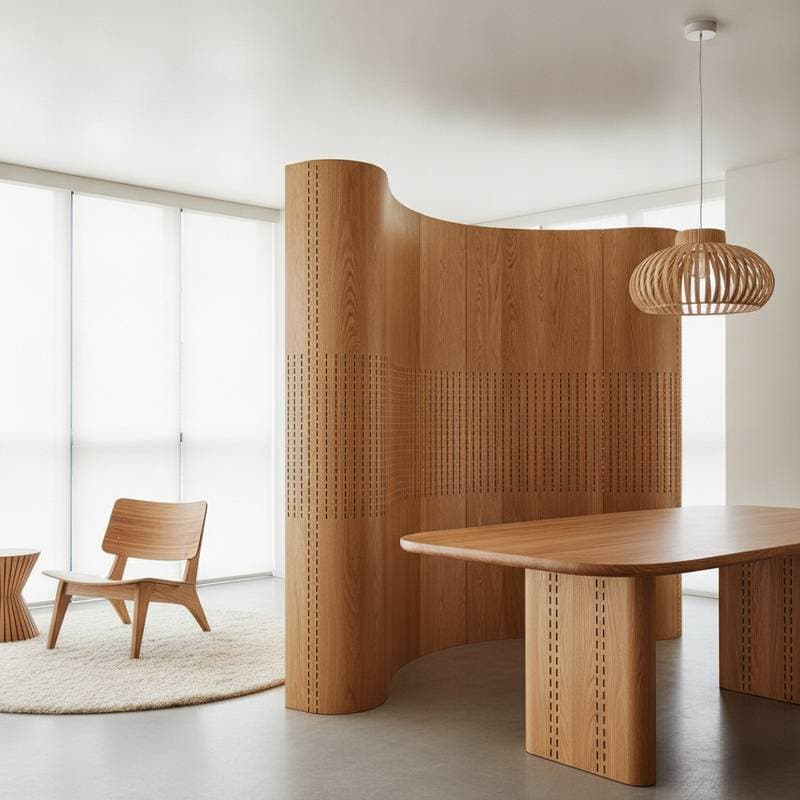
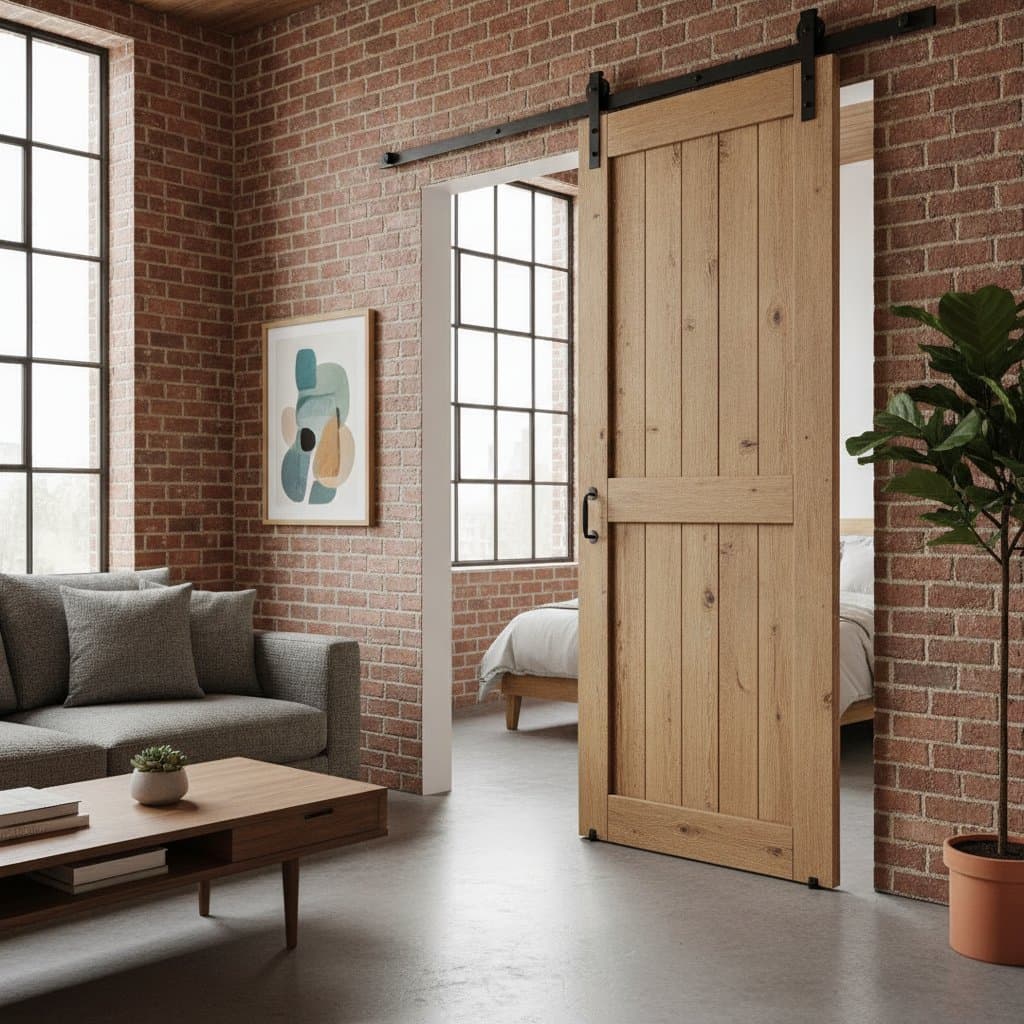
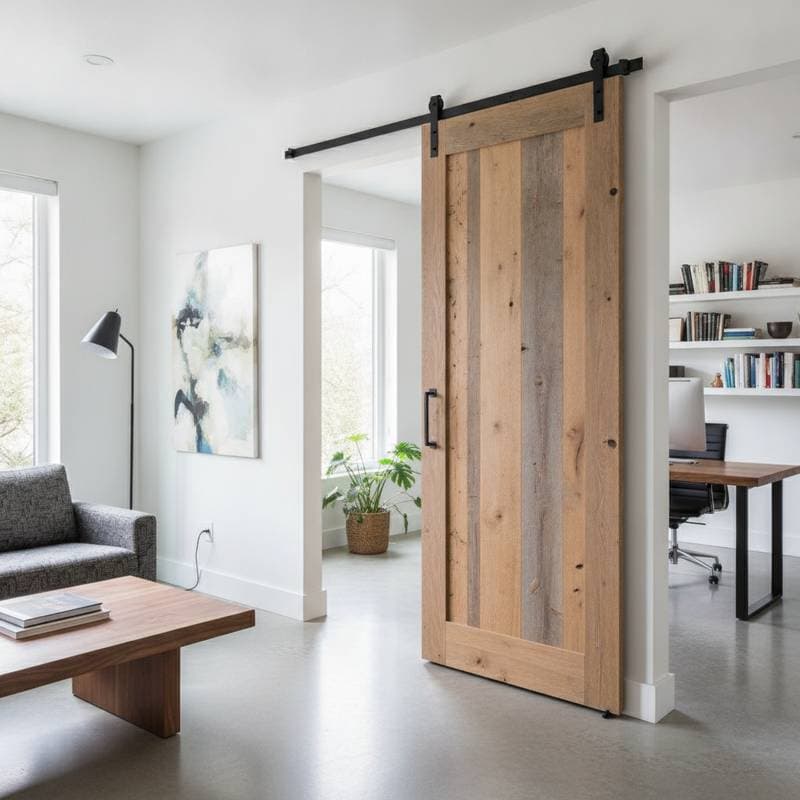
Moreover, the approach suits streamlined aesthetics prevalent in today's homes. Precise seams, unadorned surfaces, and solid timber foster tranquility and truthfulness, adapting equally well to cozy rustic settings or sleek urban environments.
Creating a Hand-Cut Mortise-and-Tenon: A Detailed Process
Grasping the creation process underscores the expertise and time investment involved, enhancing appreciation for the final product.
-
Layout and Marking: Employ a marking gauge and combination square to delineate mortise and tenon positions on the timber. Precision at this stage dictates the overall joint quality.
-
Excavating the Mortise: Remove bulk material with a chisel set or hollow chisel mortiser, then refine walls to exact dimensions. The depth typically reaches one-third of the wood's thickness for optimal strength.
-
Forming the Tenon: Saw the tenon cheeks and shoulders, then use a paring chisel to achieve a snug insertion. Ensure shoulders align perfectly flat against the mating surface.
-
Dry Assembly Test: Assemble components sans adhesive to verify fit and squareness. Make incremental adjustments as needed for flawless seating.
-
Final Gluing and Securing: Spread a thin layer of PVA or hide glue, clamp firmly for 24 hours, and optionally insert drawbored pegs through aligned holes for added shear resistance.
Deviations as small as 1/32 inch in measurements can compromise integrity, emphasizing the value of seasoned artisans.
Ensuring Durability: Maintenance Tips for Hand-Cut Joints
Well-executed mortise-and-tenon assemblies withstand centuries of use, yet proactive upkeep maximizes longevity. Maintain indoor humidity between 40 and 60 percent to curb excessive wood expansion or contraction. Conduct annual checks for subtle gaps or fissures around joint areas, particularly on expansive doors or tabletops exposed to daily handling.
Should small separations occur, consult a specialist for targeted repairs like injecting consolidants or reapplying adhesive, often preserving the original structure. Steer clear of abrasive or solvent-based cleaners that might erode glue lines or saturate fibers.
In moisture-prone areas, opt for epoxy-based glues and oil-based sealants during initial build. For standard interior use, a simple wax or polyurethane topcoat suffices to shield against everyday wear.
Identifying Skilled Artisans for Your Project
Seek out specialists in heritage woodworking techniques through online portfolios or local directories. Request detailed images of completed works and, ideally, tour their facilities to observe techniques firsthand. Affiliation with organizations like the Woodworkers Guild of America signals reliable proficiency.
During bidding, scrutinize inclusions: Confirm if hand-cutting applies throughout or merely to exposed faces. Inquire about reinforcement methods—pegged for tension resistance, drawbored for alignment, or glue-only for simplicity—as these influence both robustness and budget.
Integrating Timeless Joinery into Your Home
Opting for mortise-and-tenon details elevates projects beyond mere utility, embodying a dedication to refined execution. From crafting bespoke interior doors to refurbishing heirloom pieces or assembling cabinetry, this method unites practicality with creative expression.
Evaluate craftsmanship merits alongside timelines and expenditures in your planning. While production demands additional hours, the outcome yields heirloom-quality items requiring scant intervention over years. For those pursuing resilient, eco-aware enhancements, hand-cut joints represent an enduring cornerstone of superior home design.