Why Homeowners Invest $8,000 in Barn Doors
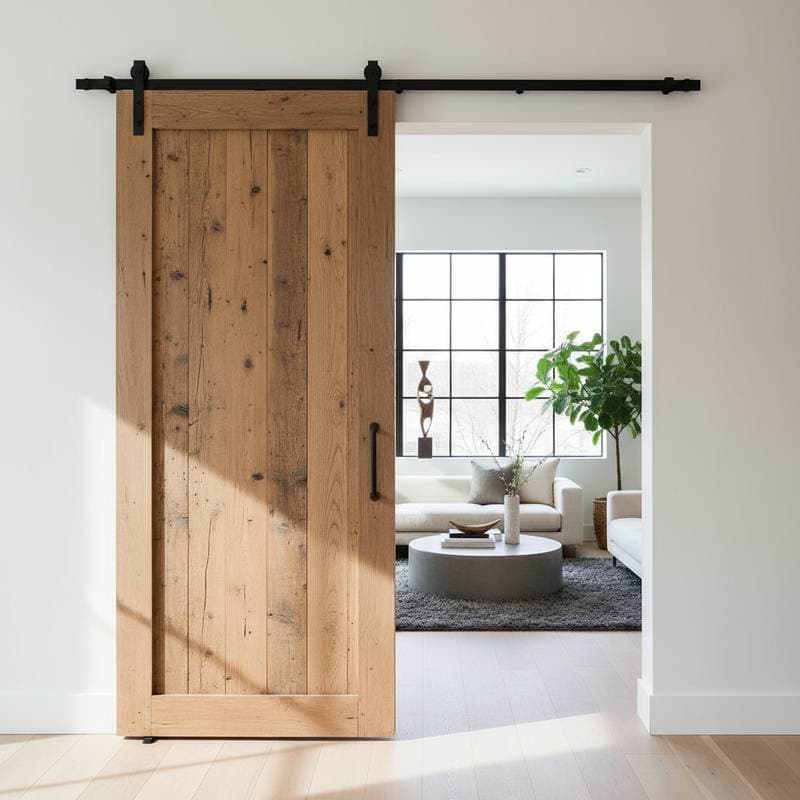
Barn doors extend well beyond their origins in rural settings. Initially valued for their space-saving slide mechanism, they now serve as premium elements in interior design. Constructed from reclaimed timber or advanced composites, these expansive doors establish a distinctive aesthetic. Individuals who commit significant budgets pursue elements beyond mere utility. They acquire unique character, meticulous construction, and a lasting presence that surpasses standard interior doors.
Key Factors Driving Barn Door Appeal
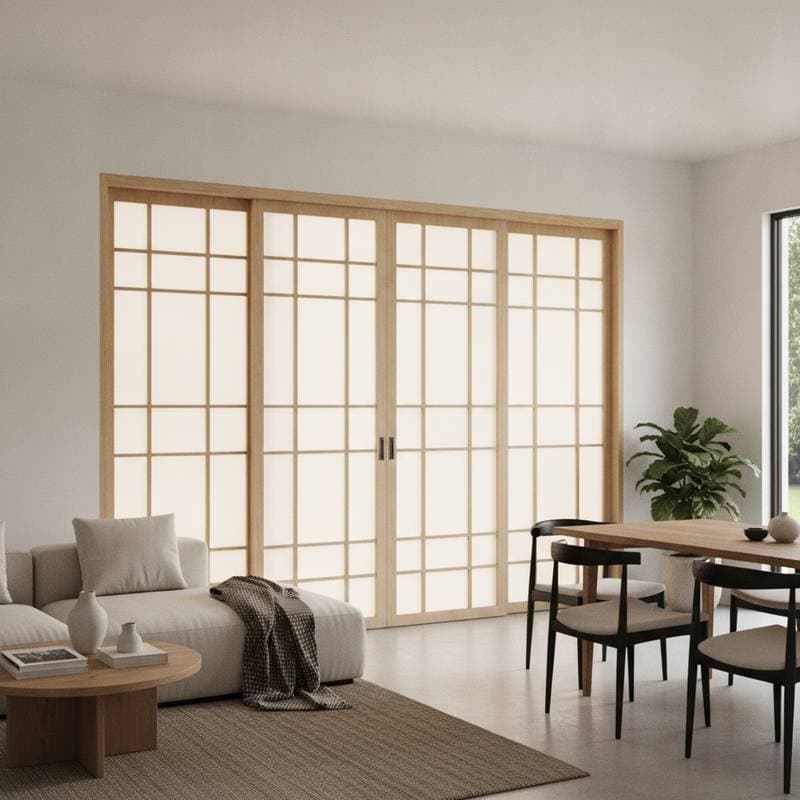
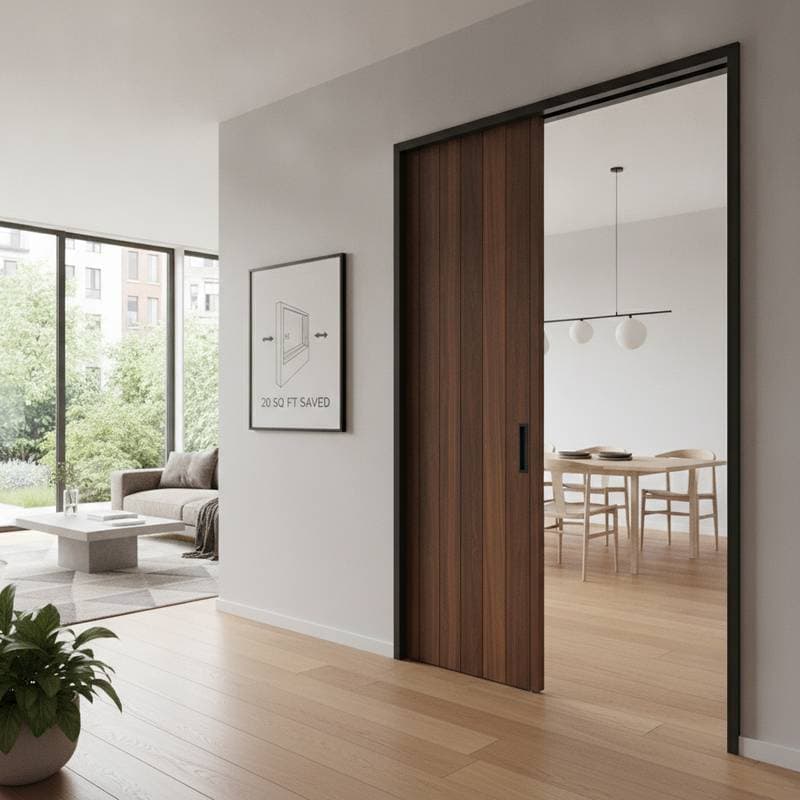
Barn doors establish an immediate visual anchor. Their substantial size, varied textures, and fluid operation capture focus in ways that conventional hinged doors cannot. Interior designers deploy them to introduce depth in expansive layouts and to define private areas while preserving illumination and circulation. In addition to visual appeal, they deliver efficient performance in confined zones. Kitchens, dedicated workspaces, and utility areas gain from the reliable glide of a robust track assembly. When built with premium components, this blend of form and function proves compelling.
Three Strategies to Achieve the Barn Door Aesthetic
Budget-Conscious Option ($1,500 to $3,500)
- Select engineered timber or pine slabs finished to mimic aged reclamation.
- Install powder-coated steel components in matte black for long-term resilience.
- Allocate resources to a superior track mechanism that guarantees effortless movement.
Intermediate Option ($3,500 to $6,000)
- Integrate solid timber bases with veneer surfaces for genuine authenticity.
- Enhance components with soft-closure mechanisms and ornamental grips.
- Apply custom stains to align hues with surrounding woodwork.
Premium Option ($6,000 to $8,000 and Beyond)
- Choose reclaimed oak, chestnut, or walnut from eco-conscious sources.
- Incorporate artisan joinery, integrated metallic elements, and tailored fixtures.
- Design complementary moldings and surrounds for seamless architectural harmony.
Guide to Materials and Finishes
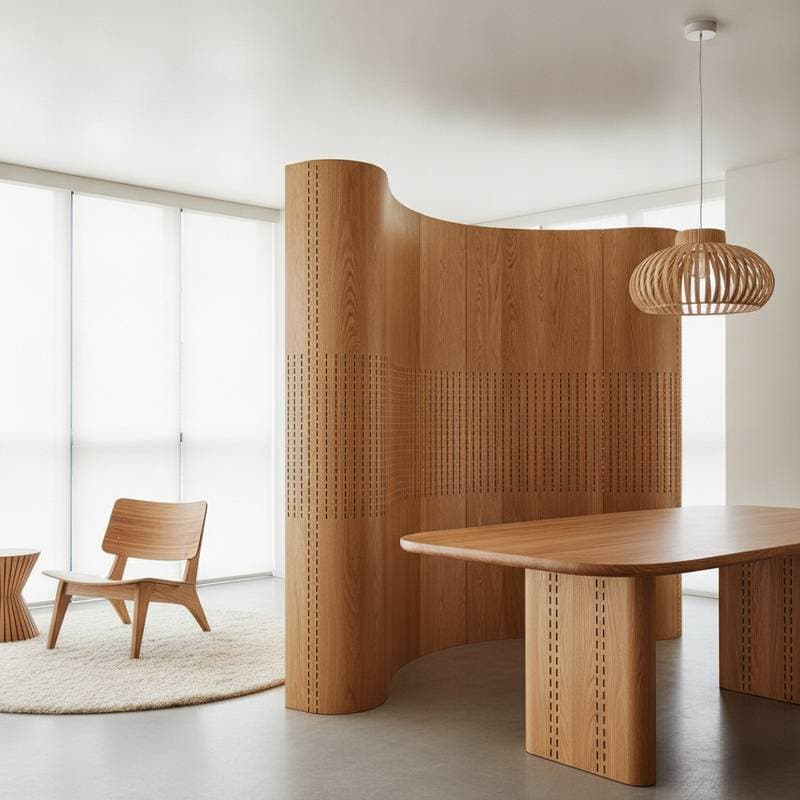
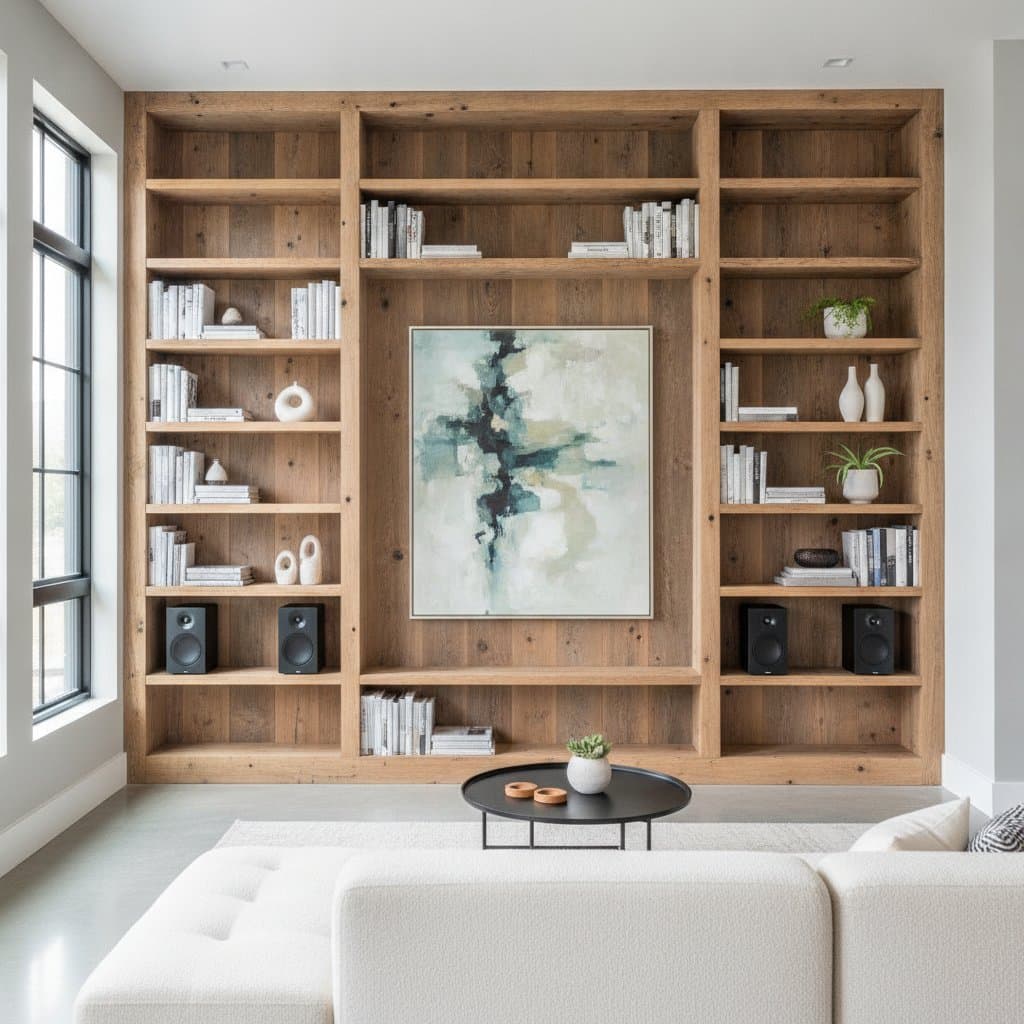
- Timber Choices: Reclaimed barn lumber sets the benchmark for tactile richness and visual interest. Individual planks display unique grain structures and patina from prior use. In contemporary environments, white oak or maple provides a streamlined, polished vibe that complements sparse furnishings.
- Fixtures and Fittings: Flat steel bars with light oxidation or brushed brass impart artisanal quality. Visible wheels contribute an urban flair, whereas hidden rails foster a sleeker profile.
- Glass Elements: Etched or channeled glass sections reduce the solidity of oversized panels and facilitate light transmission. Such features suit professional areas or communal rooms.
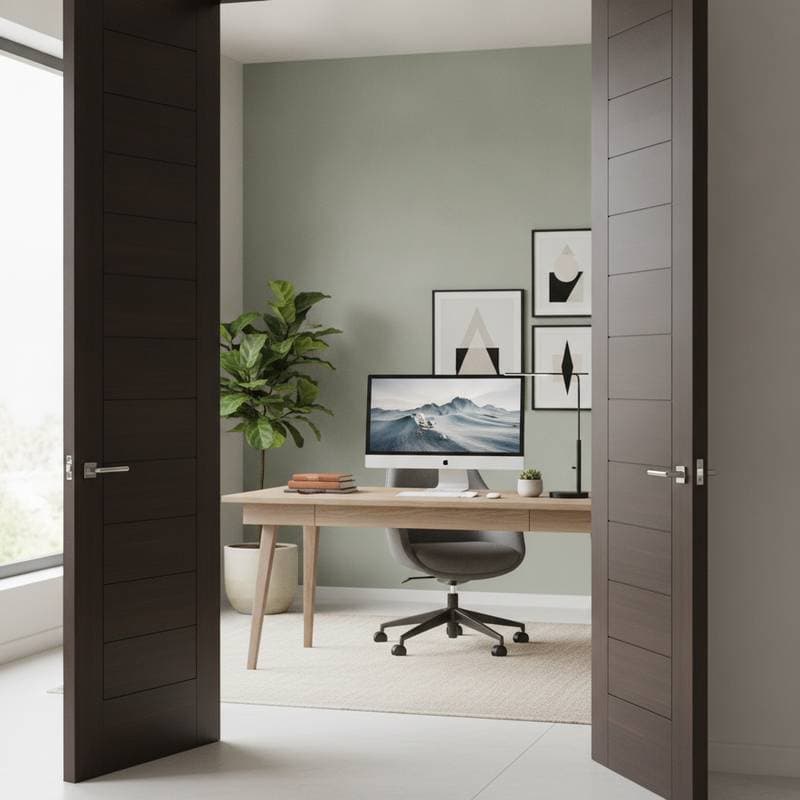
- Surface Treatments: Oil-based applications highlight natural grain and develop gracefully over time. Coated options in subdued shades like slate, terracotta, or soft green offer fresh interpretations of classic forms.
Essential Maintenance Considerations
Timber from reclaimed sources demands periodic care to avert moisture loss or cracks. Apply a thin layer of conditioning oil annually or biannually to preserve the surface and intensify tones. Coated exteriors might require spot repairs on high-touch borders. Clean fixtures using a soft, lint-free fabric and apply lubricant at intervals to sustain fluid operation. Those seeking low-effort care may prefer fabricated timber or synthetic alternatives that withstand distortion and need only routine surface wiping.
Common Pitfalls to Sidestep
- Overlooking Proportions: Excessive fixture sizes or improperly positioned rails disrupt balance. Conduct precise measurements and adhere to supplier guidelines.
- Clashing Surface Textures: Combining distressed timber with glossy fixtures creates visual discord. Align patinas throughout connectors, grips, and rails.
- Neglecting Load Capacity: Salvaged timber panels carry substantial mass. Verify structural support in walls prior to fitting to prevent droop or component strain.
- Overlooking Sound Isolation: Glide mechanisms lack the airtight seal of pivot doors. In noise-sensitive zones, incorporate padding seals or extended edge covers to boost seclusion.
Harmonizing Colors and Aesthetics
Effective barn door integration aligns with the ambient scheme. Subtle bases in light taupe, creamy ivory, or cool silver let timber patterns stand out. For emphasis, apply bold midnight blue or deep slate to encase pale doors. Fixture patinas should mirror other metallic features, such as fixtures or storage hardware. In seaside or modern settings, lime-washed oak or faded pine pairs well with satin nickel. Classic rooms gain from rich tones matched with oxidized copper or wrought iron accents.
Preparation Steps for Visual Documentation
Prior to finalizing choices or procuring bespoke elements, record your environment comprehensively.
- Photograph broad views of rooms and entryways from varied perspectives.
- Document structural elements, overhead clearances, and nearby trim profiles.
- Observe light orientation, which affects how stains render.
- Evaluate local stylistic trends and any regulatory limits from associations or codes.
- Define a feasible spending bracket and identify priority areas for high-end selections.
Integrating Barn Doors for Lasting Impact
View the $8,000 commitment to a barn door as an fusion of movable art and built environment. It alters spatial perception by introducing motion, surface variety, and skilled execution in a single element. Enthusiasts of reclaimed materials value their organic variations, while modern preferences favor the accuracy of sharp edges and alloy integrations. Thoughtful coordination with prevailing surfaces and schemes elevates the residence's visual story. Beyond division, a strategically placed barn door enriches daily experience.