Reclaimed Wood Frames: The 2026 Sustainable Design Investment at $5,000
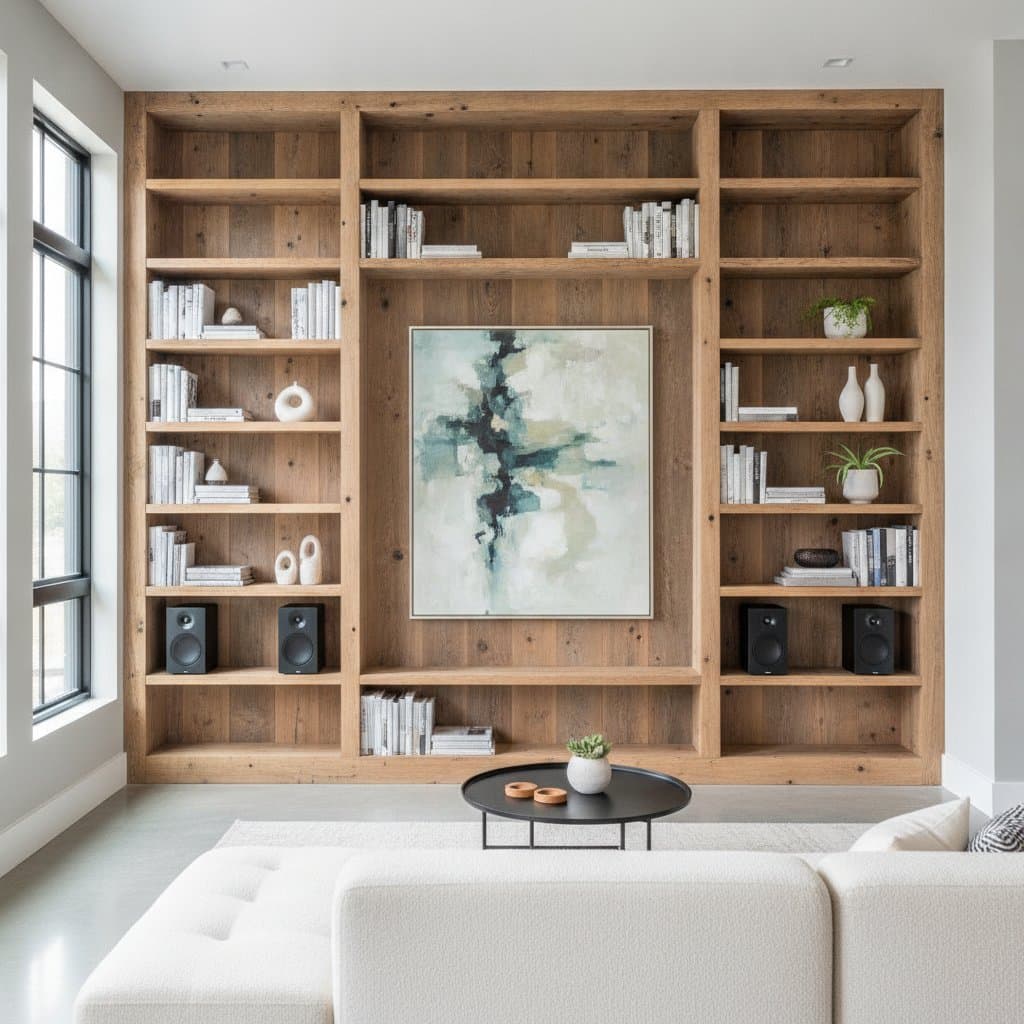
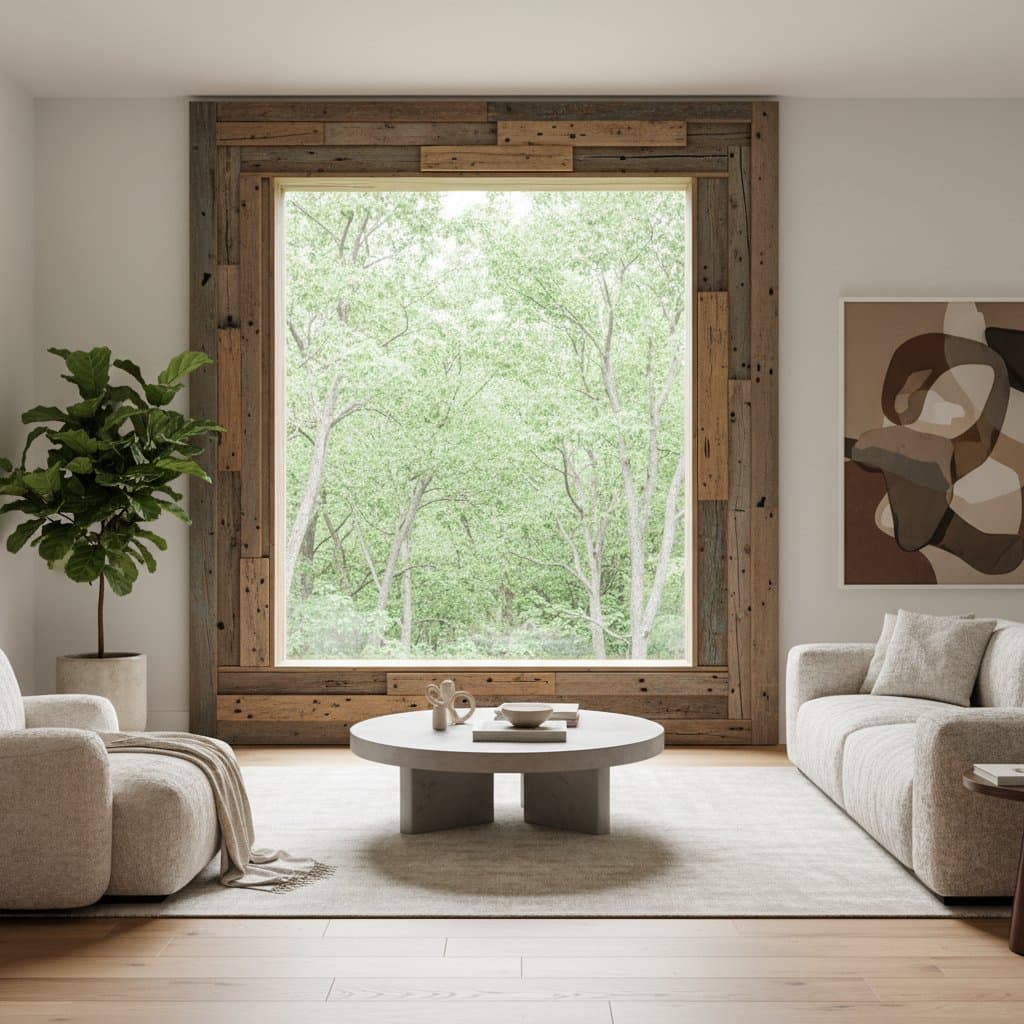
Reclaimed wood frames emerge as a premier choice for homeowners prioritizing sustainability and distinctive character in 2026. These installations, with average project costs ranging from $4,500 to $5,500, combine environmental responsibility with enduring quality. Suitable for interior windows, mirrors, or door casings, they infuse spaces with genuine warmth that mass-produced alternatives rarely achieve.
The appeal of reclaimed wood extends beyond aesthetics to the narrative embedded in each piece. Sourced from dismantled barns, historic factories, or century-old structures, these materials carry visible signs of their past, such as weathered grains or subtle knots. This authenticity allows reclaimed wood frames to adapt seamlessly to diverse interiors, from cozy rustic homes to sleek contemporary designs.
Key Reasons to Select Reclaimed Wood Frames
Homeowners increasingly opt for reclaimed wood frames due to a heightened awareness of material origins and ecological consequences. By reusing existing timber, these frames divert waste from landfills and curb demand for fresh harvests, aligning with broader green building practices.
Consider these compelling factors that drive their adoption:
- Environmental Stewardship – Repurposing wood conserves forests and reduces carbon emissions associated with new production.
- Visual Diversity – Natural inconsistencies in tone, texture, and aging create one-of-a-kind elements that evolve with the home.
- Superior Strength – Harvested from mature trees, the wood boasts tighter grains and greater resistance to warping or wear.
- Enhanced Property Value – Unique, eco-friendly features appeal to buyers in the resale market, potentially increasing home worth by 5 to 10 percent.
These attributes position reclaimed wood as a strategic choice for those balancing design innovation with planetary care.
Reclaimed Wood Versus Traditional Lumber Options
Although reclaimed wood frames involve a premium upfront expense, their long-term performance and narrative depth often surpass conventional lumber. The following table outlines essential differences to guide your selection process.
| Material | Cost Range (per frame) | Durability | Maintenance Requirements | Appearance Characteristics |
|---|---|---|---|---|
| Reclaimed Wood | $300 to $800 | High; dense, aged structure | Occasional resealing | Distinctive, aged patina |
| New Softwood | $200 to $450 | Moderate; susceptible to impacts | Frequent repainting | Even, predictable finish |
| New Hardwood | $350 to $700 | High; engineered stability | Low; periodic polishing | Elegant, uniform elegance |
New lumber provides reliability and ease of sourcing, yet reclaimed wood excels in creating focal points through its organic variations. Professionals note that these subtle flaws frequently become cherished highlights in living spaces.
Exploring Design and Finishing Techniques
Reclaimed wood frames accommodate a wide array of styles through careful finishing methods. Select approaches based on your interior palette and desired mood.
- Clear Natural Coat – Preserves the raw grain and historical markings for an unaltered, organic presence.
- Subtle Tinted Stain – Enhances underlying hues while retaining surface texture for added depth.
- Shou Sugi Ban Char – Applies controlled burning, drawing from traditional Japanese methods to yield a dramatic, contemporary edge.
- Distressed Paint Application – Layers color with sanding for a timeworn effect ideal in traditional or rural settings.
Integrate these frames with contemporary accents, such as slim metal accents or clear glass panels, to foster harmonious blends. For instance, pair salvaged oak with brushed steel fittings to bridge vintage and modern aesthetics effectively.
Customization extends to scale and profile: opt for wide, bold surrounds in open-plan areas or slender edges for intimate alcoves. Consult with designers early to match frame dimensions to room proportions, ensuring proportional balance.
Essential Maintenance Practices
Preserving the integrity of reclaimed wood frames demands straightforward, routine attention. These practices safeguard both appearance and functionality over years of use.
- Routine Dusting – Employ a microfiber cloth weekly to remove particles without scratching the surface.
- Moisture Assessment – Conduct yearly checks around installations to detect and address humidity sources promptly.
- Sealant Renewal – Refresh with a water-based protector every three to five years to repel stains and insects.
- Gentle Cleaning Protocol – Dilute mild soap in water for spot treatments, avoiding abrasive tools or chemicals.
- Crack Management – Fill minor fissures with compatible wood putty annually, monitoring for seasonal shifts.
Diligent care ensures these frames mature attractively, with colors intensifying and patinas enriching naturally. In humid climates, consider dehumidifiers to prevent excess swelling.
Steps to Incorporate Reclaimed Wood Frames
Embracing reclaimed wood frames rewards forward-thinking homeowners with lasting sustainability and style. Begin by evaluating your space: measure openings precisely and envision how frames will interact with existing elements.
Next, source materials from reputable suppliers who verify ethical origins, such as certified salvage yards. Budget comprehensively, factoring in labor from specialists skilled in restoration techniques—expect 40 to 60 percent of costs for installation.
Secure multiple bids to compare quality and timelines, then oversee the process to align with your vision. The outcome delivers not just functional upgrades but heirloom-quality additions that resonate for generations.