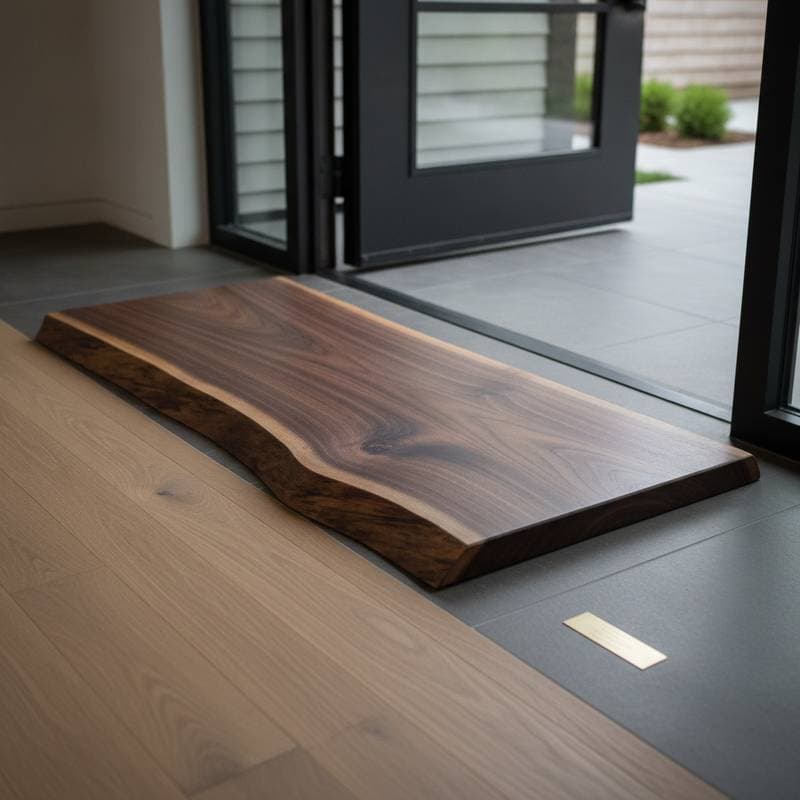
Live Edge Wood Thresholds: A Natural Entryway Detail With Custom Appeal
A live edge wood threshold brings the character of a fallen tree into the most useful part of an entryway. Its irregular edge, visible grain, and warm color create a transition between rooms that feels considered without looking overly polished. At roughly $800 for a custom piece, this detail sits between a simple trim upgrade and a full door replacement.
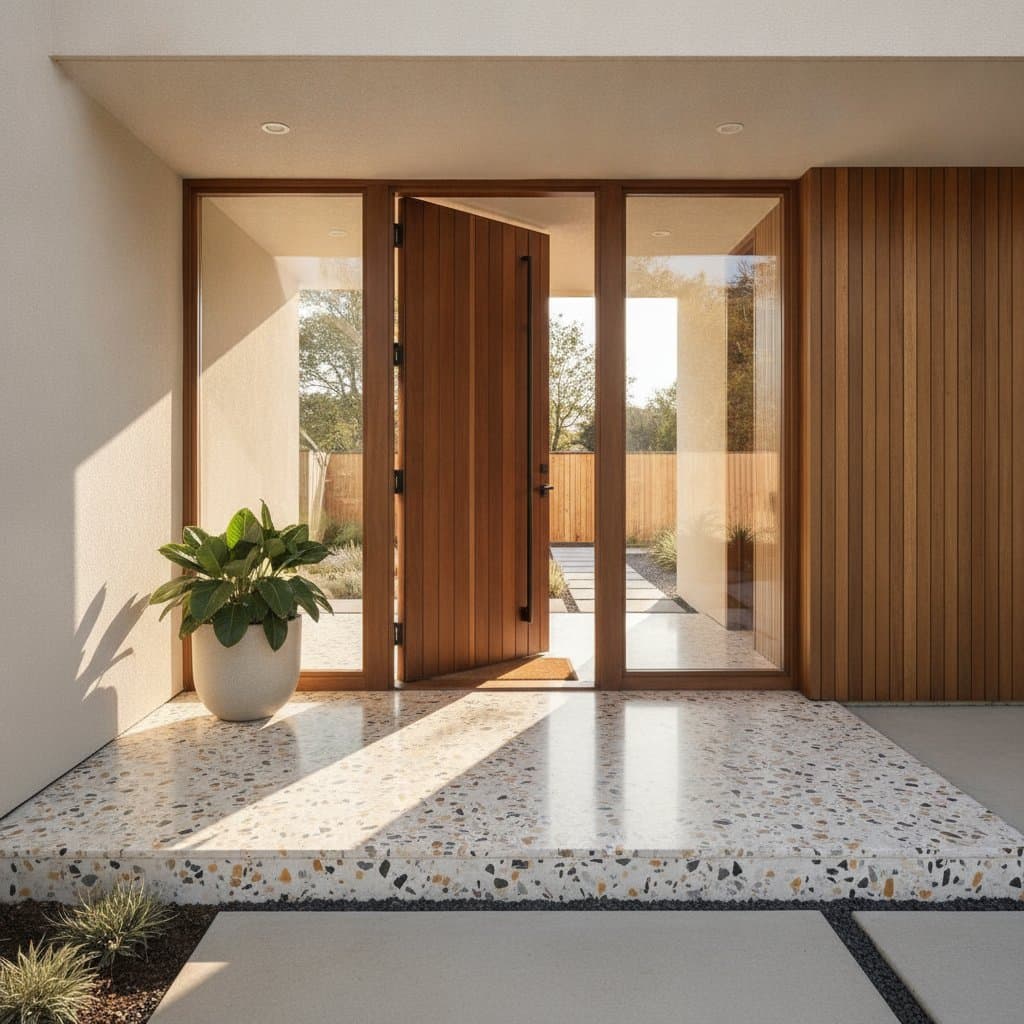
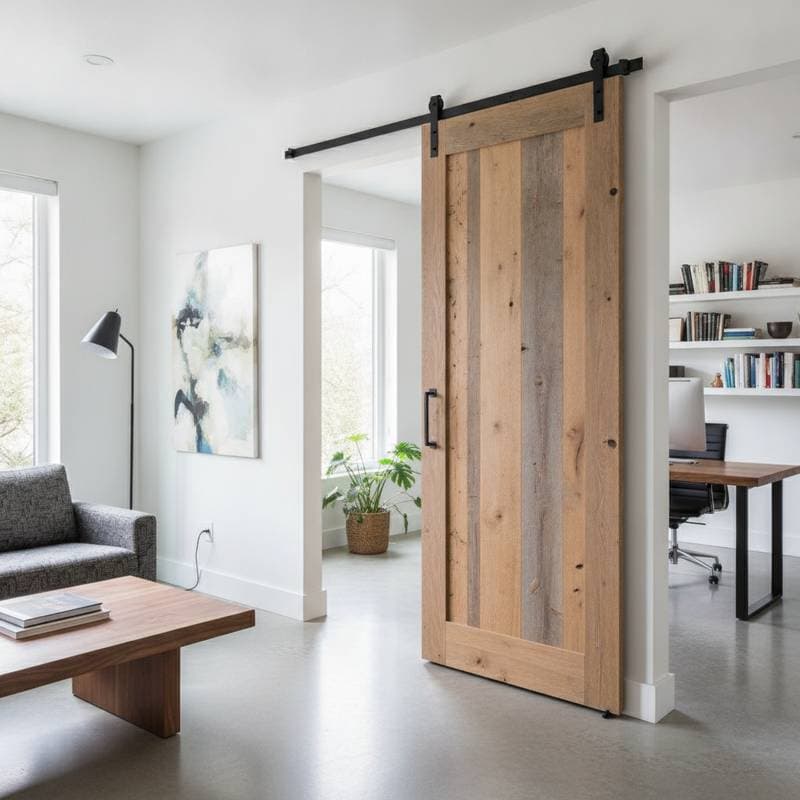
The look works especially well with natural wood doors, black metal hardware, plaster walls, stone floors, and quiet neutral paint. It can soften a modern interior, add authenticity to a traditional home, or give a modest entry a memorable focal point. The best results come from treating the threshold as a functional building component, not only as decorative wood.
Three Ways to Get This Look
Save Approach, $350 to $600
- Choose a locally milled slab of ash, maple, or oak with a modest live edge.
- Use a standard interior wood door and coordinate the threshold with its stain or clear finish.
- Ask a cabinetmaker to flatten, trim, and seal the piece instead of ordering a fully designed installation.
- Splurge on moisture protection and accurate fitting, since an uneven threshold can create a trip hazard or interfere with door clearance.
This approach suits a renovation where the existing frame and floor are sound. A small threshold can deliver the visual effect without replacing surrounding trim.
Mid Range Approach, $700 to $1,000
- Select kiln dried walnut, white oak, or reclaimed chestnut with a carefully shaped edge.
- Have the slab measured after the door jamb, flooring, and swing direction are confirmed.
- Add a durable hardwax oil or water based polyurethane in a low sheen finish.
- Upgrade the door with matching wood casing, a solid core construction, and satin bronze or matte black hardware.
This level offers the strongest balance of appearance, stability, and cost. The threshold receives enough preparation to look custom, while the surrounding door assembly gains better sound control and durability.
Invest Approach, $1,200 to $2,400
- Commission a single slab selected for grain flow, color consistency, and structural stability.
- Pair it with a custom solid wood entry door, concealed fasteners, premium hinges, and a matching jamb.
- Add an integrated stone or metal insert beneath the wood where moisture exposure is likely.
- Include professional installation, finish sampling, and seasonal adjustment after the assembly settles.
A premium threshold makes sense when the entry is highly visible, connects several flooring materials, or forms part of a larger natural wood entryway. Its value comes from precision and longevity rather than size alone.
Material and Finish Guide
- Wood species: White oak offers strong grain and good hardness. Walnut provides deeper brown tones and a refined appearance. Ash feels lighter and more graphic. Teak handles moisture well, though it costs more and may require specialized adhesives.
- Shape: Preserve one natural edge, but ask the fabricator to soften sharp points and remove loose bark. A clean underside and level top surface are essential.
- Finish: Hardwax oil preserves a tactile wood feel and allows localized repairs. Polyurethane gives stronger surface protection but can be harder to patch invisibly. Use exterior rated finishes near exposed doors.
- Door coordination: A natural slab pairs with flat panel doors, vertical plank doors, or simple Shaker profiles. Avoid combining several dramatic grain patterns in one small entry.
- Hardware and accents: Black hardware creates crisp contrast. Aged brass warms walnut and chestnut. Stone, terracotta, wool, and woven textures help the wood feel connected to the rest of the home.
A useful palette might include warm white walls, natural white oak, charcoal black hardware, muted sage green, and honed limestone. In hot climates, pale wood and light floors reduce the sense of heat near a sunny entry. Humid areas benefit from mold resistant finishes and good air circulation. Cold regions need careful attention to snow, salt, and wet footwear.
Maintenance Reality Check
Wood thresholds collect grit, moisture, and pressure from every person entering the home. Sweep or vacuum the surface regularly, then wipe spills quickly with a lightly damp cloth. Do not saturate the wood or use harsh alkaline cleaners. Place a durable mat inside the door, and use an exterior scraper mat where local conditions permit.
Hardwax oil may need a small maintenance coat when the surface looks dry or develops dull traffic paths. Film finishes can last longer between applications, yet scratches may be more visible. Watch the ends and underside for swelling, especially near exterior doors. A threshold that shifts, squeaks, or rubs against the door deserves prompt adjustment.
Avoid These Mistakes
- Leaving the edge completely raw: Loose bark and splinters can shed into the entry. Remove unstable material and seal the exposed grain.
- Ignoring door clearance: A beautiful slab can prevent a door from opening fully. Confirm the finished height, swing, weatherstripping, and floor transitions before fabrication.
- Using green or poorly dried wood: Moisture movement can cause cracks, cupping, and gaps. Kiln dried stock with stable moisture content is a safer choice.
- Treating the threshold as a standalone feature: Coordinate its tone with the door, flooring, casing, and lighting. One natural accent looks intentional, while several competing wood species create visual noise.
- Skipping code and accessibility checks: An entry transition may need a controlled height and bevel. Confirm local requirements, especially where mobility access matters.
Planning Before You Order
Document the project from several angles. Photograph the doorway with the door open and closed, include adjacent flooring, baseboards, stairs, and nearby lighting. Record the rough opening, jamb depth, floor height, swing direction, and any visible moisture damage.
List existing architectural elements, such as exposed beams, stonework, panel molding, or metal railings. Review neighborhood character and homeowner association restrictions before changing an exterior threshold or entry door. Note climate concerns, including coastal salt, winter snow, strong ultraviolet exposure, or persistent humidity.
Bringing It All Together
A live edge threshold earns its place through daily usefulness and visual restraint. Choose a stable species, keep the natural edge controlled, and let the wood connect the door to the floor rather than compete with both. Request finish samples in the actual entry light, confirm measurements with the installer, and schedule the work after flooring decisions are settled.