Matte Black Hardware Adds $800 in Modern Appeal
Matte black hardware has moved from a quiet design accent to a defining feature of modern homes. Its soft, light-absorbing finish delivers a confident, sophisticated statement without the glare of polished metals. When used thoughtfully on doors, windows, and exterior accents, this finish gives a home a cohesive and elevated character that feels both current and enduring.
Homeowners drawn to this look appreciate its combination of boldness and restraint. Matte black complements nearly every architectural style, from contemporary to traditional revival, and works equally well on light or dark siding. The hardware becomes the unifying detail that connects the entire exterior design.
What began as a small interior design movement has now reached the exterior. Homeowners are replacing outdated brass, bright chrome, and brushed nickel with deep matte finishes that feel modern and timeless at the same time. The result is a design upgrade that adds instant visual authority and long-term appeal. Because hardware is less expensive and disruptive to replace than siding, windows, or doors, it can deliver a noticeable transformation without requiring a complete renovation.
Material and Finish Guide
- Windows: Choose slim-profile black frames for a minimalist look. Fiberglass or aluminum-clad windows with matte black finishes perform well in most climates. Pair them with low-sheen black hardware for consistency. For traditional homes, black divided-light grids provide a classic rhythm that balances the modern color choice.
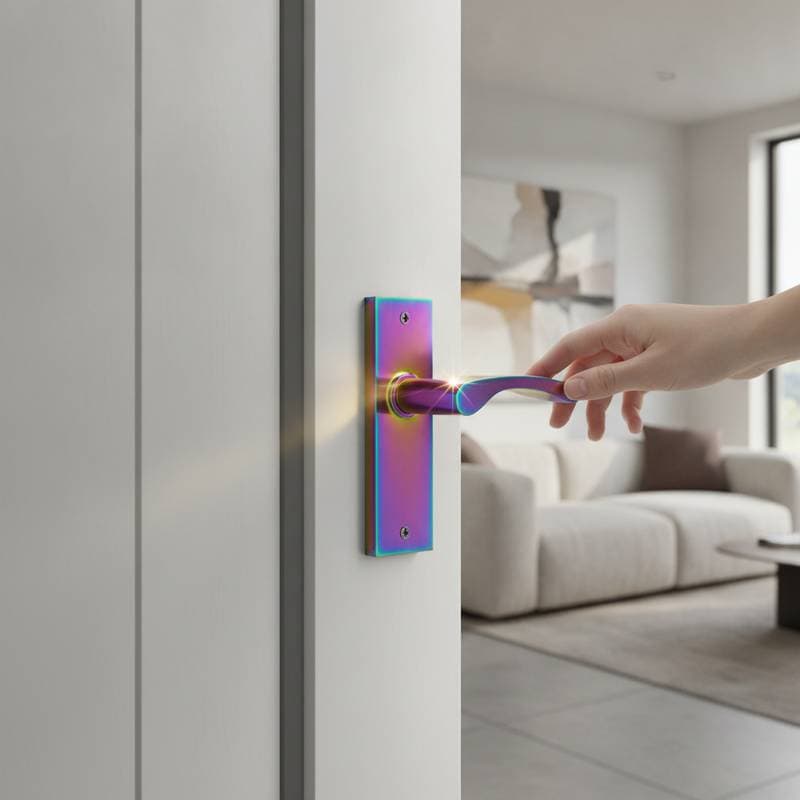
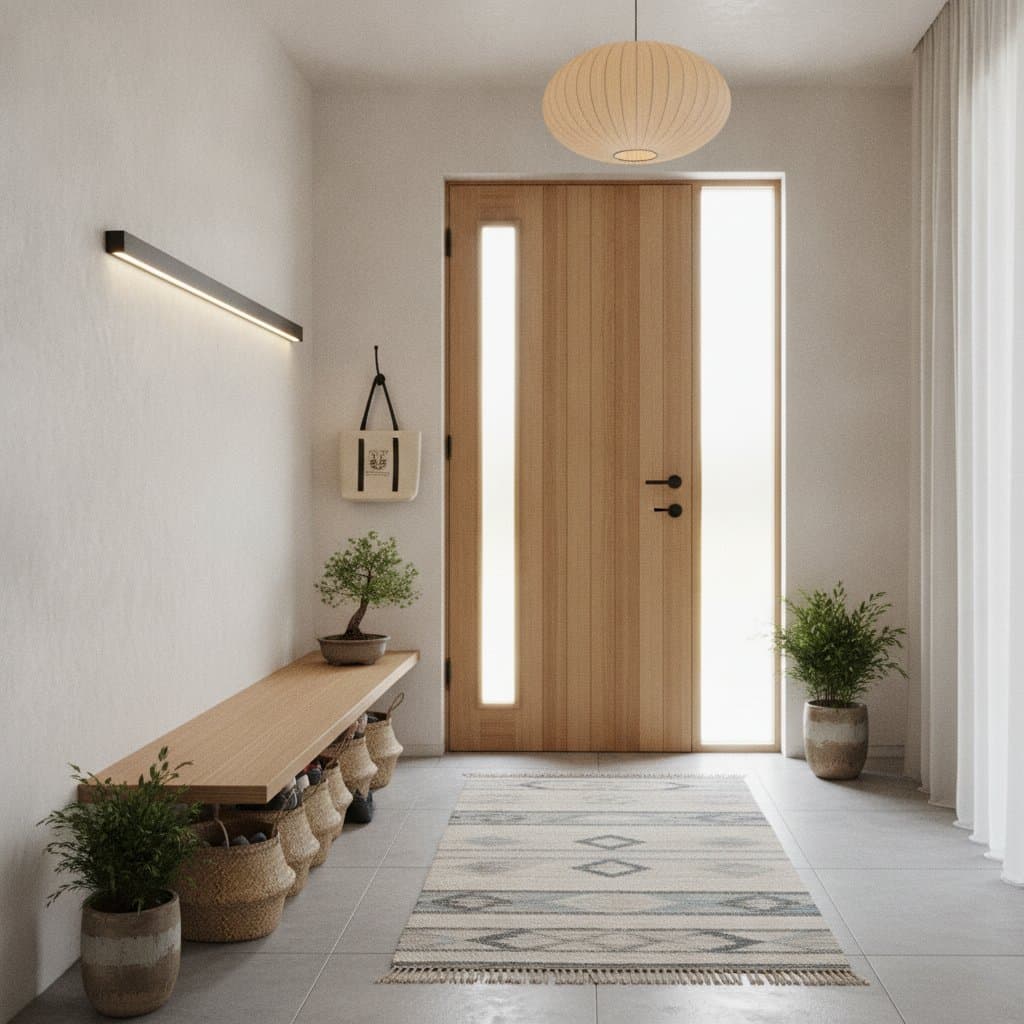
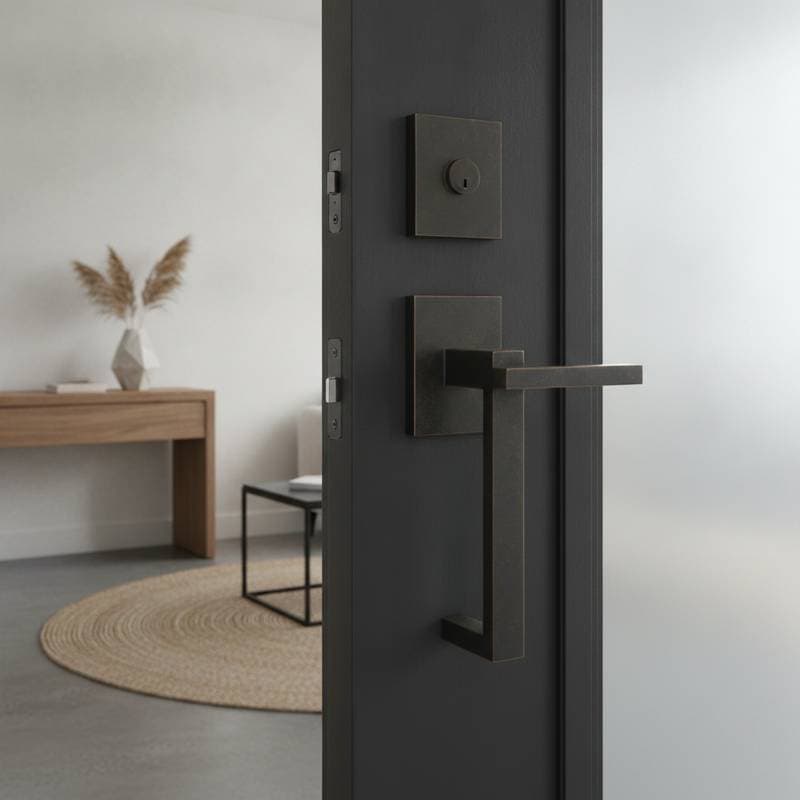
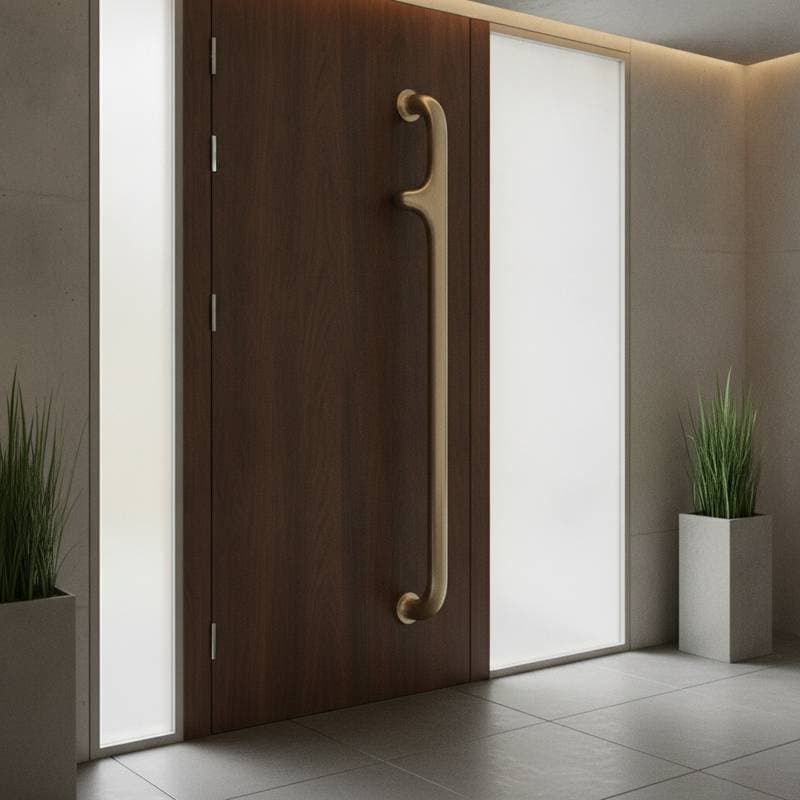
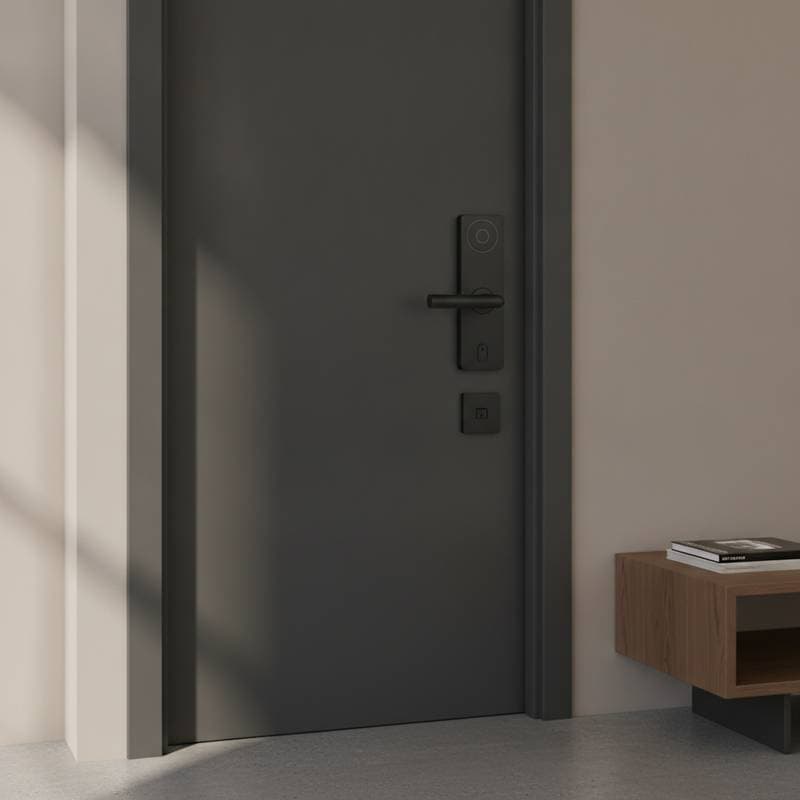
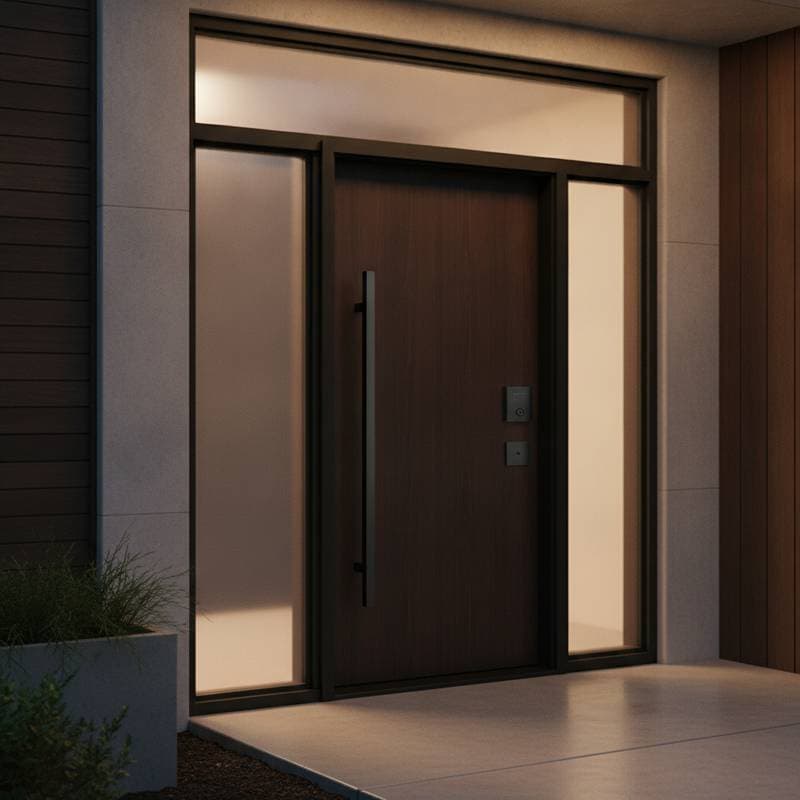
- Doors: Solid wood doors stained in walnut or espresso work beautifully with black handles. For painted doors, deep gray, navy, or off-white shades create balanced contrast. Choose hardware sets with square backplates, tubular levers, or elongated pull bars. Frosted or clear glass inserts framed in black metal give modern appeal while maintaining privacy.
- Siding: Black hardware pairs well with both light and dark siding. White board and batten creates high contrast for a farmhouse-inspired look. Charcoal fiber cement siding paired with black trim builds a monochromatic palette that feels architectural. For a warmer feel, use natural cedar or composite wood tones to soften the effect.
- Trim and accents: Extend the matte black detail to light fixtures, address numbers, railings, and mailbox mounts. Keeping all exterior metal components in the same finish builds visual harmony. Small touches like black window shutters or porch brackets can tie the look together without appearing overdesigned.
Common Mistakes to Avoid
- Mixing too many finishes: Combining matte black with shiny chrome or bright brass creates visual clutter. Commit to one dominant metal finish for a cohesive result. If variety is desired, use secondary finishes in small, functional elements like hinges hidden from view.
- Ignoring hardware scale: Oversized handles overwhelm smaller doors, while undersized ones disappear on large surfaces. Match handle size to door proportion for balanced design.
- Neglecting climate considerations: In coastal areas, salt corrosion can dull finishes quickly. Choose marine-grade stainless steel or PVD-coated products for durability. In dry, sunny regions, UV-resistant coatings preserve color depth.
- Focusing only on the front door: Upgrading just one entry creates inconsistency. At a minimum, include side and rear doors visible from the street or patio for design continuity.
- Skipping professional installation: Misaligned handle sets or uneven hinges can undermine the clean lines of the design. A professional installer ensures precise alignment and smooth operation.
Planning Your Project
Before choosing products or finishes, document the current conditions of your home exterior. Clear photographs and notes make it easier to plan upgrades and communicate with contractors.
Checklist for Homeowners:
- Capture wide-angle shots of the entire home from multiple directions.
- Take close-up images of existing door handles, hinges, and window hardware.
- Note architectural style, roof color, and any permanent materials like brick or stone.
- Identify neighborhood design patterns or homeowner association requirements.
- Record climate challenges such as salt exposure, heavy rain, or extreme heat.
- Define a project budget range before shopping to focus on realistic choices.
These steps help ensure that every hardware decision aligns with the home architecture and environmental conditions.
Choosing Hardware That Performs
Appearance matters, but daily performance should guide the final purchase. Test levers and pulls for comfortable grip, especially on frequently used entries. Look for smooth latch movement, sturdy mounting plates, and locks that resist loosening. Exterior pieces should also include weather-resistant fasteners, since ordinary screws can stain surrounding surfaces or weaken after repeated moisture exposure.
For a coordinated renovation, create a simple finish schedule listing every visible metal element. Include door handles, hinges, light fixtures, house numbers, gate latches, and porch railings. This prevents accidental substitutions during installation and makes it easier to compare samples in natural light. A physical sample is especially useful because matte black can range from soft charcoal to a nearly solid, dramatic black.
Achieving Lasting Exterior Harmony
Matte black hardware is no longer a passing trend. It has become the modern homeowner statement of refined confidence and lasting quality. Whether used sparingly for contrast or consistently across all exterior details, the finish communicates design awareness without excess.
The strongest results come from repetition, proportion, and restraint. Repeat the finish in several intentional locations, select pieces that suit the scale of the architecture, and leave enough space between accents for the eye to rest. With thoughtful planning and durable materials, a relatively modest hardware update can make an entrance feel custom, improve everyday usability, and add approximately $800 in modern appeal.