Reclaimed Barn Hardware Reaches $800 per Set by 2026
The market for reclaimed barn hardware moves beyond niche appeal among history buffs to become a cornerstone of upscale interior design. Previously prized for straightforward rustic qualities, these items now fetch prices comparable to high-end fixtures. Projections indicate sets will climb to $800, driven by heightened demand, reverence for artisanal work, material integrity, and eco-conscious practices. Homeowners who explore the elements behind these prices and deliberate on selections can secure pieces that deliver enduring benefits surpassing mere visual impact.
Defining Reclaimed Barn Hardware
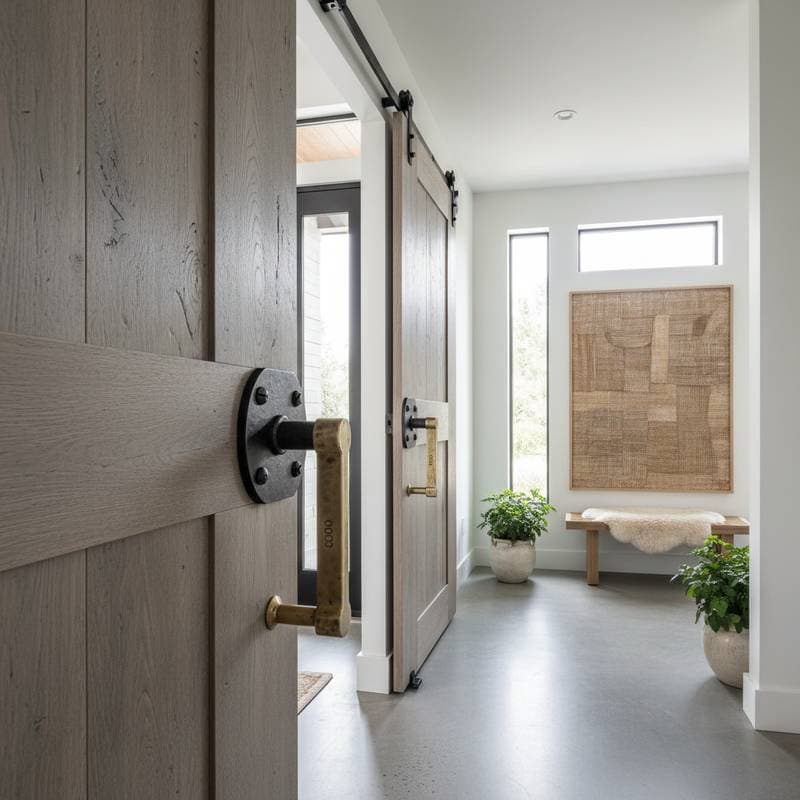
Reclaimed barn hardware encompasses sliding door tracks, heavy-duty hinges, pull handles, and support brackets recovered from aged farm structures or fashioned from recycled components. Each item bears unique signs of age, such as weathered surfaces, faint etchings, and irregular contours from prolonged exposure. Distinct from factory-made alternatives, these sets undergo individual hand-finishing or revival, enhancing their singular appeal.
The charm stems from these inherent flaws. Subtle differences in oxidation layers, hues, and surfaces weave a narrative that synthetic versions seldom capture. For numerous residents, such traits infuse personality into environments that risk appearing too sleek or monotonous.
Factors Elevating Prices
Multiple elements contribute to the upward trajectory of authentic reclaimed barn hardware costs:
-
Dwindling Availability
Sourcing genuine pieces relies on deconstructing or refurbishing vanishing farm edifices. With original structures diminishing rapidly, viable materials for hardware dwindle accordingly. -
Demanding Revival Efforts
Reviving vintage hardware involves precise sanding, corrosion elimination, fortification of weakened areas, and occasional bespoke replacement of components. These phases necessitate expert hands, dedicated equipment, and extended durations. -
Elevated Status in Design
Current upscale trends favor organic finishes and veracity, positioning reclaimed elements as markers of sophistication. Items once linked to economy now denote discerning judgment and ecological mindfulness. -
Growing Emphasis on Eco-Practices
Residents prioritize selections that minimize landfill contributions and safeguard heritage. Opting for reclaimed hardware advances reuse cycles in design, imparting moral worth to the acquisition.
Evaluating Choices for Residents
Not every resident needs or affords top-tier reclaimed hardware. Distinguishing between pure reclaimed, replicated, and blended variants aids in aligning expenses, visual effects, and usability.
| Option | Initial Cost | Lifespan | Maintenance | Best For |
|---|---|---|---|---|
| Pure Reclaimed Hardware | $600 to $800 per set | 40+ years | Periodic cleaning and lubrication | Premium bespoke interiors |
| Replicated Hardware | $200 to $400 per set | 20 to 30 years | Low effort | Those desiring rustic vibe on a budget |
| Blended (Partial Reclaimed) | $400 to $600 per set | 25 to 35 years | Routine adjustments | Merging genuineness with affordability |
Pure reclaimed sets stand out as exclusive and frequently anchor elaborate residences. Replicated versions mimic the style via fresh fabrication, ensuring uniformity and simpler setup. Blended approaches merge salvaged parts with modern additions, striking a balance between heritage and convenience.
Steps for Installation
Mounting reclaimed barn hardware demands precision and assessment of current building features.
-
Initial Assessment and Design
Inspect wall robustness, door mass, and space allowances. Vintage hardware varies in sizing, so precise gauging proves crucial. -
Site Preparation
Bolster attachment points as needed. Install sturdy timber supports or metal anchors to bear the rail and fittings. -
Core Assembly
Align the rail evenly over the doorway, then fasten with period-appropriate or matching screws. Irregular elements in reclaimed kits might call for spacers or tweaks to achieve fluid gliding. -
Performance Check
Test the door's travel repeatedly post-installation to confirm balanced motion. Align end stops and guides meticulously. Apply a gentle lubricant to joints compatible with aged metals. -
Final Checks and Monitoring
Upon completion, observe steadiness during initial usage. Seasonal shifts in materials may prompt minor realignments; address them swiftly.
Sustaining Hardware Over Time
Proper care allows reclaimed hardware to develop appealing age without rapid decline. Wipe away dust routinely and apply light oil seasonally to maintain surface integrity and ward off oxidation. Steer clear of abrasive cleaners that erode protective layers. Should spotting occur, gently polish affected zones and apply a safeguarding coat of beeswax or linseed oil.
In moisture-prone areas, promote airflow to curb dampness accumulation. For gliding mechanisms, inspect wheels and rails quarterly for friction. Re-secure fasteners regularly to sustain even operation and avoid drooping.
Integrating into Daily Living and Aesthetics
Selecting reclaimed barn hardware involves aligning with personal routines as well as visual goals. These elements establish an ambiance merging past and present. Within expansive layouts, they partition areas subtly while preserving openness. In compact dwellings, gliding doors free up ground compared to hinged variants.
More than utility, such hardware imparts storytelling to residences. Artifacts from prior generations evoke skilled labor. When combined with sleek accents like clear panels or simple timber frames, the juxtaposition yields a multifaceted, perpetual look.
For those prioritizing green habits, reclaimed hardware furthers responsible consumption sans style sacrifice. Its durability curtails replacements, suiting commitments to resilience and planetary care.
Key Decision Factors
To determine suitability for reclaimed barn hardware investment, consider these aspects:
- Financial and Return Assessment: Gauge tolerance for premium outlay tied to originality over imitation.
- Scale of Endeavor: In multi-door projects, blend authentic and copied sets to control spending.
- Upkeep Dedication: True pieces demand more vigilance than contemporary options.
- Unified Appearance: Coordinate tones and forms throughout to foster cohesive sightlines.
- Adaptability Ahead: Evaluate potential for repurposing in subsequent updates.
Collaborating with Professionals
Engage contractors experienced in heritage installations for optimal outcomes. Seek specialists familiar with irregular vintage components to navigate sizing discrepancies and reinforcement needs. Provide clear project specs, including weight loads and motion expectations, to align visions. Review portfolios for reclaimed work to confirm expertise. During execution, maintain open dialogue to resolve on-site challenges promptly.
Securing Superior Outcomes
Quality hinges on sourcing from reputable suppliers who verify material provenance and restoration standards. Request documentation on origins and treatments to affirm authenticity. Test samples for fit and finish before full commitment. Post-installation, document configurations for future reference, easing any adjustments.
Enduring Benefits of Investment
An $800 price tag for hardware may appear formidable, yet advantages often transcend monetary aspects. Authentic reclaimed barn hardware forges links between current aesthetics and bygone artistry. It bolsters eco-friendly residences, amplifies unique traits, and provides sensory realness unmatched by modern substitutes.