Japandi Hardware Defining 2026 Minimalist Door Trends
Minimalism continues to guide interior design choices. Few styles express its balance as gracefully as Japandi. This design philosophy merges Japanese simplicity with Scandinavian warmth. The result creates interiors that feel calm, grounded, and purposeful. Hardware choices play a quiet but essential role within this approach. Door handles, hinges, and trims define the tactile experience of a space.
Understanding Japandi Hardware Aesthetics
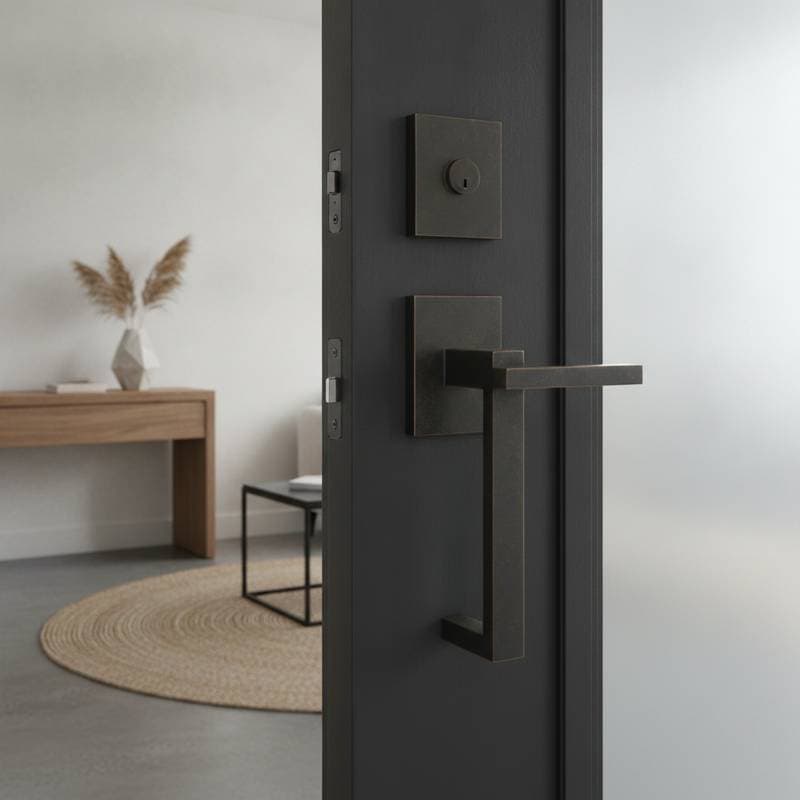
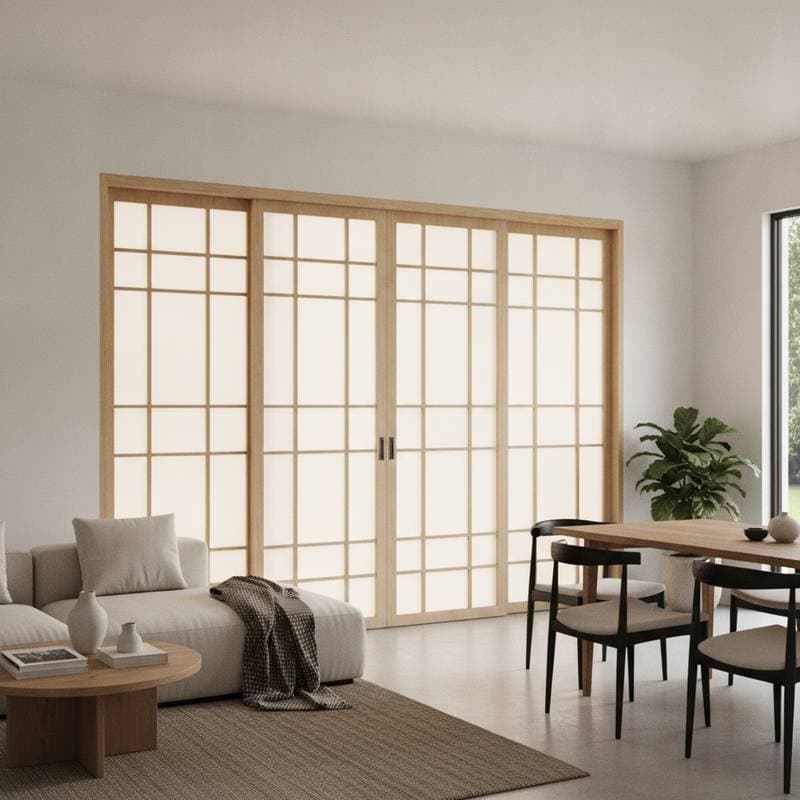
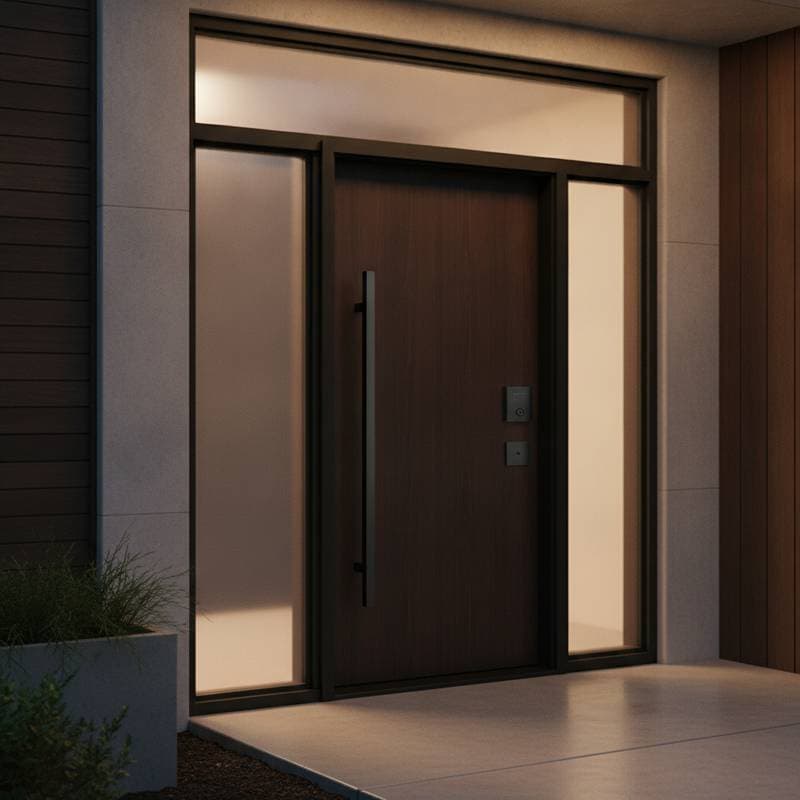
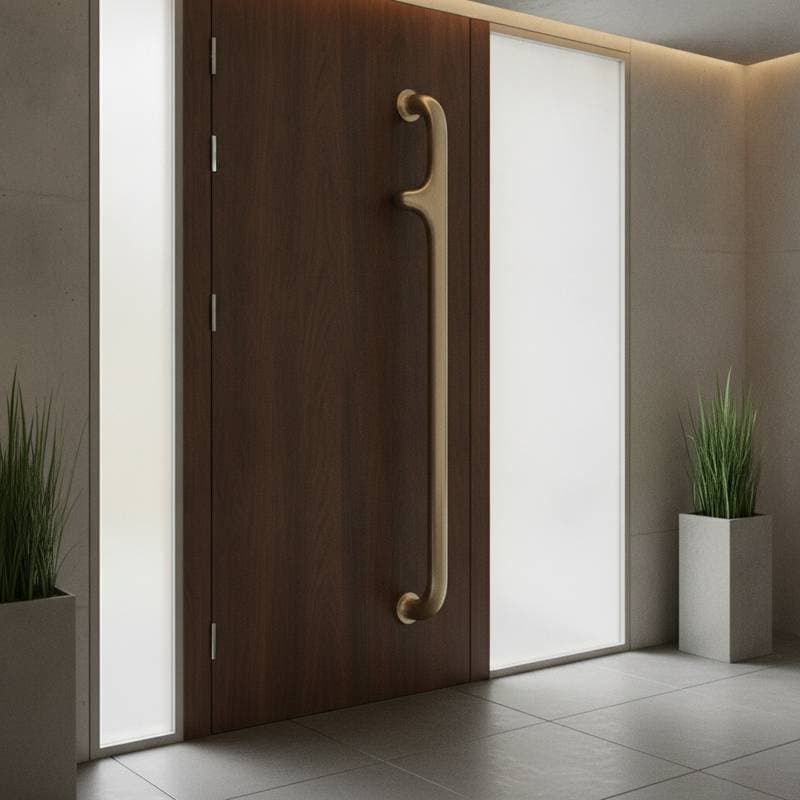
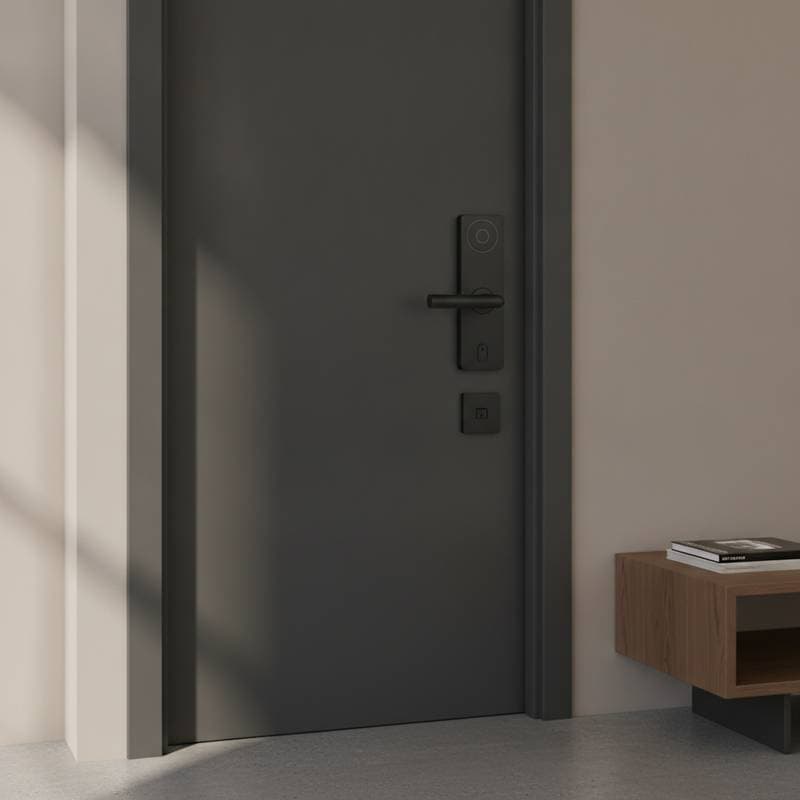
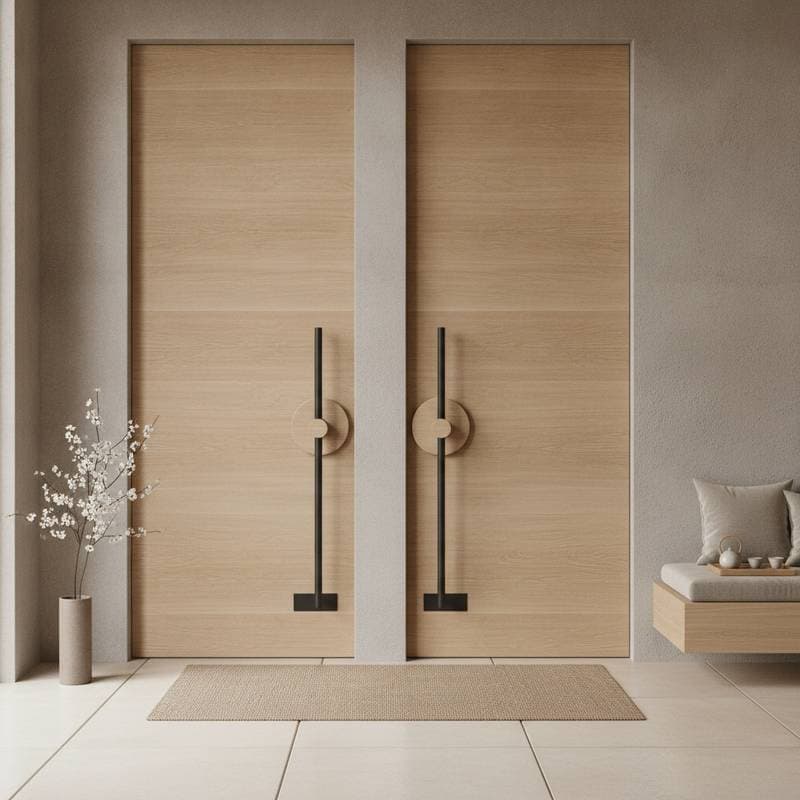
Japandi design focuses on function and restraint. Hardware in this style avoids ornate details. It emphasizes precise lines, soft edges, and natural finishes that complement wood tones and neutral palettes. Materials often include brushed metals, matte black finishes, and warm brass accents. These finishes pair easily with light oak, ash, walnut, or bamboo doors.
A key distinction in Japandi hardware is its understated character. Handles are often smaller in scale and integrate seamlessly into the door design. Hidden hinges or recessed pulls maintain visual calm. Every element serves a purpose without unnecessary embellishment. The result is both modern and timeless.
Material and Finish Considerations
Material choice matters as much as form when selecting Japandi hardware. Metals with natural texture or subtle patina contribute to the character of the space. Finishes such as satin nickel or antique bronze soften light reflections. This prevents glare and encourages a sense of calm. Homeowners who prefer a more contemporary edge might choose matte black or powder coated steel for contrast against light wood surfaces.
Sustainability plays a central role in material decisions. Hardware crafted from recycled metals or responsibly sourced materials supports the broader environmental values often associated with Japandi interiors. This approach favors durability. It encourages owners to choose pieces that will age gracefully rather than require frequent replacement.
Comparing Common Hardware Options
| Option | Initial Cost | Lifespan | Maintenance | Best For |
|---|---|---|---|---|
| Brushed Brass Handles | Moderate | Long | Occasional polishing | Warm toned wood interiors |
| Matte Black Steel | Low to moderate | Very long | Minimal cleaning | Modern minimalist doors |
| Satin Nickel | Moderate | Long | Wipe to prevent spotting | Neutral or cool toned spaces |
| Natural Wood Pulls | Low | Moderate | Light oiling | Organic, handcrafted interiors |
The best choice depends on how each finish interacts with surrounding materials. Brass introduces warmth and visual depth. Black adds definition. Nickel feels balanced and refined. Wood contributes softness. Each material supports a different interpretation of minimalism.
Steps for Precise Installation
Installing minimalist hardware requires precision. The clean lines of Japandi design leave no room for visible flaws. Before installation, assess door thickness, hinge alignment, and handle placement. Confirm that the hardware proportions match the door dimensions. Even slight misalignment disrupts visual harmony.
Professionals mark drilling points with templates during installation. Handles or pulls should feel comfortable in hand. They require balanced weight that supports frequent use. After fitting, test all moving parts for smooth function. Tighten firmly but do not force connections to avoid damaging the finish. Surrounding surfaces must remain free from adhesive residue or tool marks.
Routine Maintenance Practices
Japandi hardware rewards consistent but gentle care. Clean regularly with mild soap and water or a soft cloth. This maintains the finish. Avoid abrasive cleaners because they remove protective coatings or scratch surfaces. Polish brass or bronze occasionally to enhance natural sheen without making surfaces overly reflective.
Environmental factors influence performance. In humid conditions, clean hardware more frequently to prevent oxidation. Maintain stable indoor humidity for interior wood doors in dry climates. This preserves both the door and the hardware finish. Thoughtful attention ensures that Japandi elements retain their quiet beauty over time.
Aligning Hardware with Daily Living
Every home reflects the rhythm of its occupants. Families with children or frequent guests might choose hardware that resists fingerprints and scratches. Matte finishes work well in these situations. Those seeking a tactile connection may prefer handles crafted from wood or hardware with brushed texture. In smaller spaces, minimal hardware maintains an uncluttered appearance.
The lifestyle perspective includes maintenance effort. Homeowners who prefer low maintenance solutions may favor stainless steel or powder coated finishes. Those who enjoy the natural evolution of materials might embrace patina development in brass or bronze hardware. Each choice shapes the daily experience of touch and interaction within the home.
Selecting Hardware for Your Space
Selecting Japandi door hardware is both aesthetic and practical. Thoughtful design choices acknowledge the relationship between material, texture, and function. When hardware complements the architecture and interior finishes, the entire space feels cohesive.
Homeowners planning updates or new installations benefit from working with experienced contractors or designers. This ensures accurate fitting and finish compatibility. Investing in quality pieces supports long term satisfaction and reduces the need for replacements. By focusing on integrity of design and mindful selection, homeowners create spaces that feel both personal and enduring.