Zellige Tiles: The Handcrafted Entryway Trend of 2026
The first impression of a home often begins the moment someone steps through the front door. Entryways set the tone for what lies beyond. They reflect both personality and design sensibility. Among evolving interior design materials, Zellige tiles have become a centerpiece of attention. Their handcrafted beauty, rich Moroccan heritage, and distinctive texture bring artistry and authenticity into contemporary homes.
Homeowners seek more individuality and character in their spaces. Zellige tiles emerge as a timeless yet forward-looking choice for entryways.
Understanding Zellige Tile Craftsmanship
Zellige tiles originate from Morocco. Artisans have perfected the craft for centuries. Each tile is made from natural clay, shaped by hand, and kiln-fired in small batches. This process gives every tile a slightly different surface and color tone. The variations are not flaws but the defining feature of Zellige.
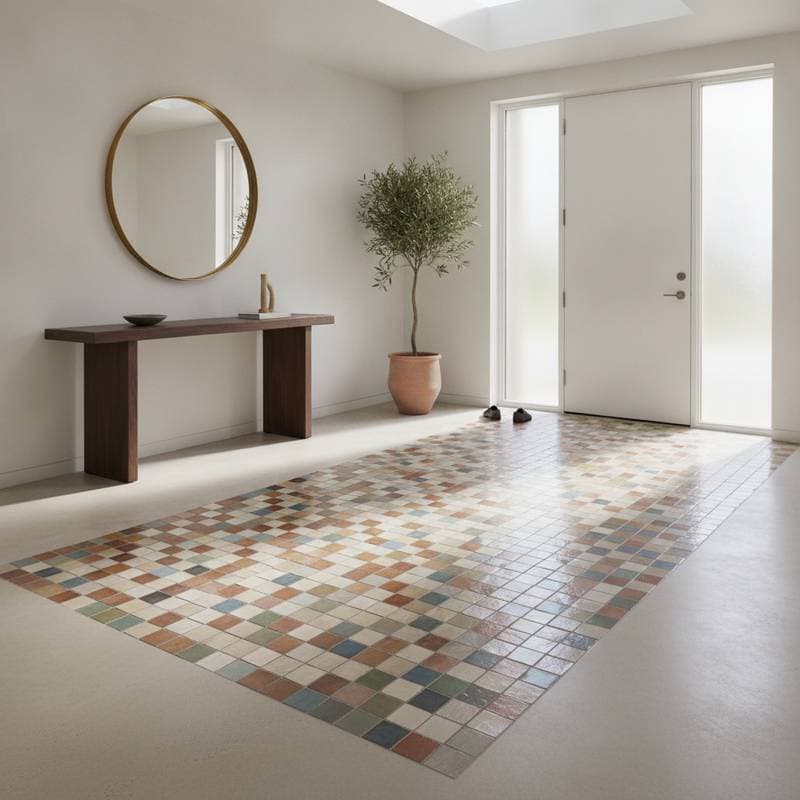
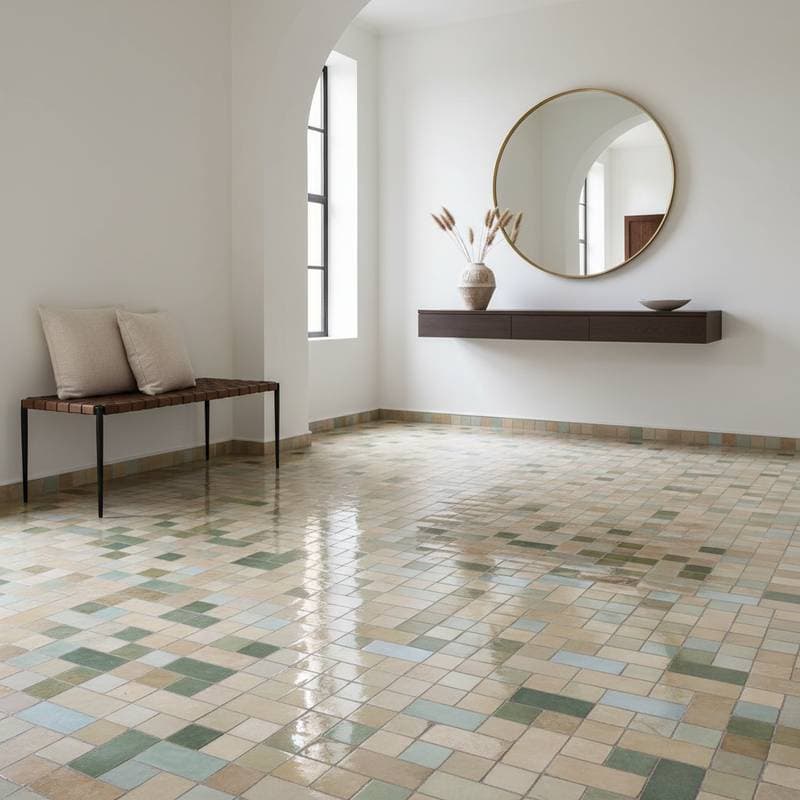
The glazing process creates a glossy, reflective finish that captures light in unique ways. Unlike mass-produced ceramic tiles, Zellige pieces carry the imprint of human touch. Small irregularities in glaze thickness, edges, and hue create a mosaic that feels alive and tactile. When applied to an entryway wall, floor, or accent border, the effect is both inviting and sophisticated.
Why Homeowners Are Turning to Handcrafted Surfaces
In an era of uniform materials, handmade finishes bring back the sense of authenticity many homeowners crave. Zellige tiles offer visual warmth through their imperfections. They emphasize craftsmanship over mechanical precision. This approach fits well with interiors that highlight natural materials such as wood, stone, and metal. The combination of these elements creates a layered environment that feels curated yet comfortable.
Homeowners also recognize the longevity of well-made materials. Despite their delicate look, Zellige tiles are durable when properly installed and sealed. They resist moisture. This makes them suitable for entryways that experience frequent temperature changes and foot traffic.
Comparing Zellige to Other Tile Options
When deciding whether Zellige fits a particular project, compare its characteristics to more common choices.
| Tile Type | Initial Cost | Lifespan | Maintenance | Best For |
|---|---|---|---|---|
| Zellige | Moderate to High | Long with proper care | Periodic sealing, gentle cleaning | Artistic, handcrafted entryways |
| Porcelain | Moderate | Very long | Low | High-traffic, modern homes |
| Ceramic | Low to Moderate | Moderate | Regular cleaning | Budget-friendly updates |
| Natural Stone | High | Very long | Requires sealing and upkeep | Classic, earthy designs |
Zellige tiles stand out for their luminous glaze and irregular charm. Porcelain and ceramic options provide consistency and lower cost. Natural stone appeals through texture and weight. The choice depends on the desired atmosphere and willingness to maintain a handcrafted surface.
The Installation Process
Working with Zellige requires precision and patience. Its irregular edges demand careful layout planning before setting begins. The process typically unfolds in several stages.
- Planning and evaluation: The installer inspects the tiles, sorts them by shade variation, and determines the best layout. Since each tile is unique, blending colors from different boxes ensures a balanced result.
- Preparation steps: The surface must be flat, dry, and clean. A high-quality thin-set mortar designed for handmade or uneven tiles is usually recommended.
- Main implementation: Tiles are applied by hand with small grout joints, often less than one-eighth of an inch. The goal is to highlight the organic edges rather than hide them. Installers typically use unsanded grout to preserve the glaze.
- Quality assurance: After setting, the surface is checked for levelness and consistent spacing. Any excess mortar is wiped away before it dries to avoid residue on the glaze.
- Completion and follow-up: Once cured, the surface may be sealed depending on the location and type of glaze. Regular cleaning with mild soap helps maintain the finish without dulling the color.
For entryways, sealing is especially important to protect against dirt and moisture. Homeowners should plan for professional installation unless they have experience with irregular handmade materials.
Color and Layout Considerations
Zellige tiles come in a wide palette, from soft neutrals to deep jewel tones. Their glazed surface reflects light differently throughout the day. This gives entryways a dynamic quality. Neutral shades like ivory, sage, or sand blend well with wood doors and natural fiber rugs. Bolder hues such as cobalt or emerald transform a simple foyer into a dramatic focal point.
Patterns can range from simple stacked layouts to complex mosaics. Many homeowners choose to combine Zellige with plain plaster or limewash walls to maintain balance. The irregular surface looks especially striking under natural light or near metallic accents such as brass handles and framed mirrors.
Maintenance and Long-Term Care
Durability is one of the main reasons homeowners invest in Zellige. Still, maintenance habits influence how well the tiles age. Regular sweeping and non-abrasive cleaning prevent dust buildup that can dull the surface. Entry rugs help minimize dirt transfer from outside. If the tiles are sealed, reapplication every few years preserves their resistance to stains and moisture.
Since each piece is handmade, small chips or cracks can occur over time. These imperfections often blend naturally into the overall texture. They maintain the handcrafted charm. For major repairs, matching replacement tiles should come from the same batch or supplier to ensure color consistency.
Matching Zellige with Different Entryway Styles
A handcrafted tile fits many aesthetics when thoughtfully applied. The key lies in balancing texture, color, and surrounding materials.
- Modern minimalism: Use neutral Zellige tiles with matte finishes and clean grout lines. Pair with light oak or maple wood doors for a calm, understated look.
- Rustic warmth: Combine earth-toned tiles with reclaimed wood furniture and woven baskets. The uneven glaze echoes natural textures.
- Mediterranean charm: Deep blues and greens paired with wrought iron accents create an inviting, coastal feeling.
- Eclectic mix: Blend Zellige with patterned rugs or bold paint colors. The reflective glaze softens contrasts and unifies the design.
Each approach highlights a different aspect of the tile personality while ensuring the entryway feels cohesive with the rest of the home.
Environmental and Ethical Considerations
The production of Zellige tiles uses natural clay and traditional firing methods. Many artisans work in small cooperatives that maintain centuries-old practices. Choosing authentic Zellige supports sustainable craftsmanship and helps preserve cultural heritage. For environmentally conscious homeowners, verifying the source and production methods ensures the purchase contributes to fair labor and responsible material use.
Transportation remains one factor to weigh, as imported tiles travel long distances. Some suppliers now collaborate with local craftspeople to produce similar styles domestically. This offers a balance between authenticity and reduced environmental impact.
Selecting Tiles That Match Your Vision
Selecting Zellige tiles for an entryway involves both emotional and practical factors. The decision blends aesthetic preference, maintenance readiness, and lifestyle expectations. Homeowners who value handmade artistry and unique variation will find Zellige deeply rewarding. Those seeking uniformity or minimal upkeep might prefer porcelain or ceramic alternatives.
Preparing for Installation Success
- Confirm material quantities and order extras for future repairs.
- Hire installers familiar with handmade tiles to manage irregular sizing.
- Schedule installation during mild weather to avoid moisture issues.
- Protect the area during curing to prevent foot traffic damage.
- Inspect the finished surface before sealing to verify consistent appearance.
A properly executed Zellige entryway can last decades. It ages gracefully as part of the home story. Its handcrafted surface invites touch and attention. This transforms a simple threshold into a welcoming work of art.