Why Homeowners Pay Up to $8K for Reclaimed Barn Doors
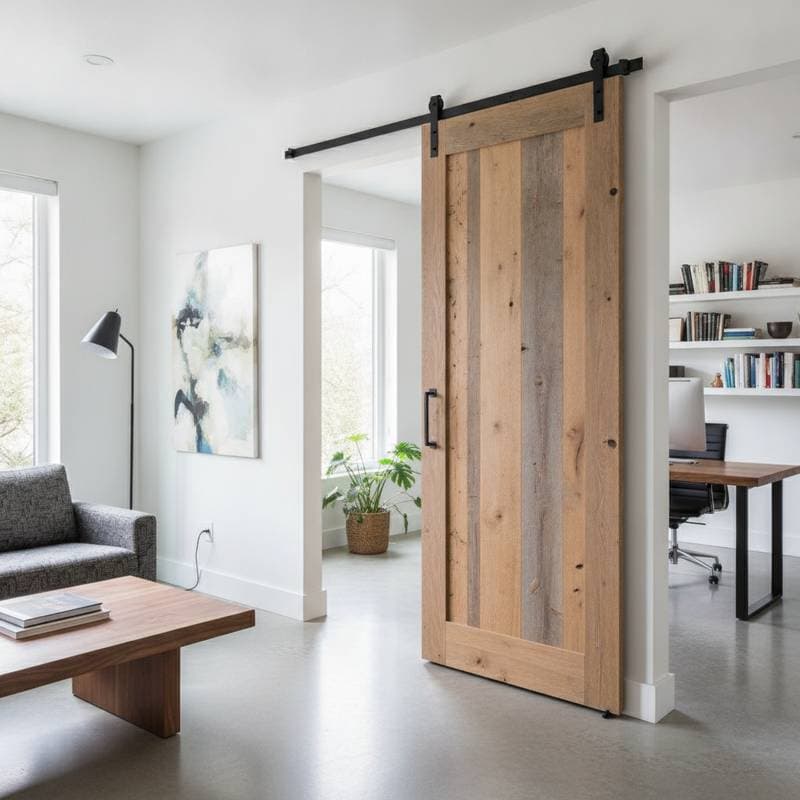
Reclaimed barn doors have moved beyond rustic farmhouses. They now appear in urban lofts and coastal retreats. These doors add warmth, history, and texture that new materials cannot replicate. Many homeowners spend several thousand dollars on a single door because the investment delivers authentic craftsmanship, sustainable sourcing, and a timeless design statement.
Three Ways to Get This Look
Save Approach ($800 to $2,000)
- Use engineered wood veneers that mimic aged barn boards.
- Choose a single sliding track system instead of double doors.
- Upgrade the surface finish with matte sealants to replicate old wood patina.
Mid-Range Approach ($2,000 to $5,000)
- Combine reclaimed wood planks with new engineered cores for stability.
- Add soft-close hardware and premium metal tracks for smooth operation.
- Apply a custom stain blend that matches existing flooring.
Invest Approach ($5,000 to $8,000)
- Select fully reclaimed solid wood doors with mortise and tenon joinery.
- Incorporate glass inserts or iron inlays that highlight craftsmanship.
- Pair the door with artisan-forged handles for lasting visual impact.
Material and Finish Guide
Reclaimed oak, pine, and chestnut remain popular choices. Natural oil finishes highlight texture while providing moderate protection. Black iron or weathered steel tracks coordinate with farmhouse or industrial tones. Frosted glass panels allow light without sacrificing privacy.
Maintenance Reality Check
Reclaimed wood requires regular attention. Dust grooves with a soft brush attachment. Apply natural wax every few seasons to maintain luster. Metal tracks need periodic cleaning to ensure smooth movement. Engineered alternatives suit humid regions where real wood may shift.
Avoid These Mistakes
- Confirm wall framing can support the door weight before installation.
- Apply a sealing coat to raw surfaces to prevent uneven absorption.
- Coordinate hardware finishes with other metal elements in the room.
- Request detailed quotes early to control custom fabrication costs.
Color and Style Coordination
Warm neutrals create a relaxed backdrop that highlights wood patina. Charcoal-stained doors paired with white trim produce a modern farmhouse effect. Weathered gray finishes blend with coastal palettes. Dark walnut doors complement concrete surfaces in industrial spaces.
Why the Cost Makes Sense
Authentic reclaimed lumber requires careful deconstruction, sorting, and milling. Skilled artisans reassemble these materials into functional pieces that retain historical character. Reusing old wood reduces landfill waste and limits demand for new timber. Custom sizing ensures alignment and smooth operation in specific openings.
Design Integration Across Styles
Reclaimed barn doors bring warmth to modern spaces with clean lines. They reinforce authenticity in traditional homes. Sliding mechanisms save space in compact areas. Double doors open wide for entertaining spaces when paired with coordinated trim.
Sustainable and Local Craftsmanship
Regional mills source lumber from dismantled barns and factories. This practice preserves local history while lowering carbon impact. Homeowners gain a connection to material origins that mass-produced items lack.
Planning Your Project Documentation Checklist
- Photograph the room from multiple angles to assess proportions.
- Note trim profiles, ceiling height, and flooring transitions.
- Verify wall structure can support the door weight.
- Select hardware styles that match existing metal finishes.
- Set budget parameters that include installation costs.
- Check local humidity and sunlight exposure.
- Identify nearby reclaimed material sources.
Making It Personal
Each scar and grain variation tells a story new materials cannot reproduce. Reclaimed barn doors serve homeowners who value individuality and mindful consumption. The result transforms an ordinary opening into a design centerpiece that endures for decades.