Reclaimed Barn Wood: The $8K Home Trend Transforming Entryways
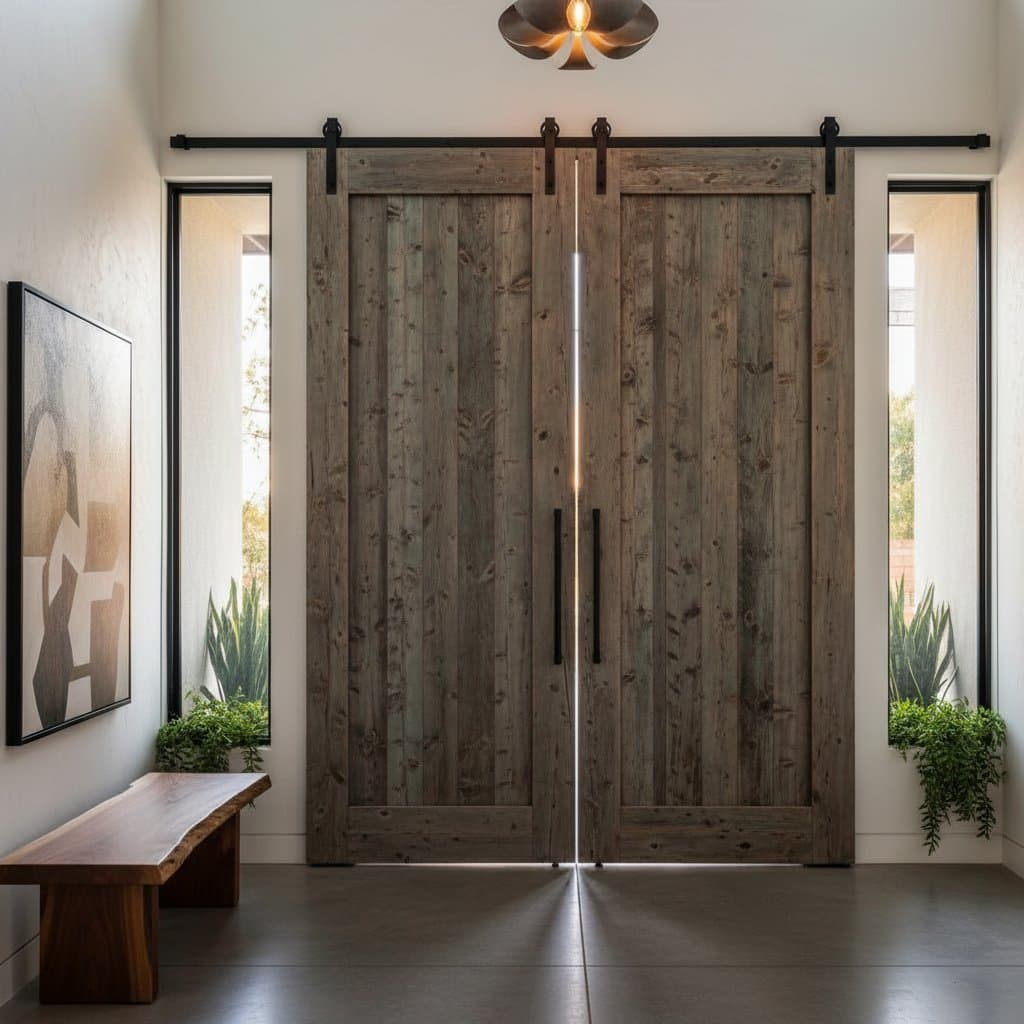
Reclaimed barn wood has moved from a niche design feature to a centerpiece of modern rustic interiors. Homeowners are turning to this material not only for its visual character but also for its environmental and lifestyle benefits. The typical project cost often reaches around eight thousand dollars for a custom entryway or door package, positioning it as a high-value investment for those who want beauty with purpose.
Understanding What Makes Reclaimed Barn Wood Unique
Reclaimed barn wood comes from old agricultural structures, often aged through decades of exposure to natural elements. Its weathered texture, varied grain, and deep patina create a visual richness that new lumber cannot duplicate. Each board carries a story of endurance and craftsmanship from another era.
Beyond appearance, this wood offers density and durability that result from natural aging. Its fibers have tightened over time, producing strength that resists warping and shrinking. When properly prepared and sealed, reclaimed barn wood can outperform many new hardwoods in longevity.
Comparing Reclaimed Barn Wood to New Lumber
| Option | Initial Cost | Lifespan | Maintenance | Best For |
|---|---|---|---|---|
| Reclaimed Barn Wood | Around $8K for premium door installation | 40+ years | Periodic sealing and light cleaning | Rustic or eco-conscious designs |
| New Hardwood | $4K to $6K for similar project | 25 to 35 years | Regular refinishing | Contemporary or traditional homes |
| Engineered Wood | $3K to $5K | 15 to 25 years | Minimal upkeep | Budget-friendly updates |
While reclaimed options cost more upfront, their character and longevity often justify the investment. The higher price reflects both material scarcity and the labor required to clean, treat, and mill the boards for reuse.
The Process Behind a Reclaimed Barn Wood Project
- Planning and evaluation: Homeowners should start by clarifying design goals and assessing existing spaces. Entryways benefit most when the door and surrounding trim share consistent tone and texture.
- Material sourcing: Reputable suppliers document the origin of their wood, confirm proper treatment for pests, and sort boards by quality. Choosing a supplier with transparent practices helps ensure authenticity.
- Preparation steps: Before installation, boards are kiln-dried, cleaned, and milled to fit modern hardware. This stage determines stability and prevents future moisture issues.
- Main implementation: Installation teams assemble panels, frame openings, and fit doors with heavy-duty hinges or sliding hardware. Precision matters because reclaimed wood can vary slightly in thickness and width.
- Quality assurance: After fitting, contractors check for proper alignment, smooth operation, and consistent finish. Minor imperfections are part of the charm, but structural alignment should be exact.
- Completion and follow-up: A protective sealer enhances color while guarding against moisture. Regular inspection every few months keeps the surface fresh and prevents fading.
Balancing Aesthetic Appeal with Practical Factors
Reclaimed barn wood naturally complements stone, metal, and glass. It softens modern architecture while grounding minimalist interiors with organic texture. Yet beauty should not overshadow practicality. Doors made from reclaimed material are heavier than standard options, which can influence hardware selection and hinge strength.
Maintenance is moderate. A light coat of natural oil or matte sealer every few years keeps surfaces resilient. Cleaning requires only mild soap and water, avoiding harsh chemicals that might strip the aged finish.
Environmental and Lifestyle Considerations
Choosing reclaimed wood reduces demand for new lumber and diverts usable material from disposal. Many homeowners appreciate that their purchase supports sustainable practices and local craftspeople who specialize in restoration.
From a lifestyle perspective, a reclaimed barn wood entryway creates a warm sense of welcome. Its patina interacts beautifully with natural light, creating a visual rhythm that changes throughout the day. It also provides a tactile connection to the past, offering authenticity that synthetic materials cannot reproduce.
Choosing What Works Best
Reclaimed barn wood fits homeowners who value texture, history, and sustainability over uniform perfection. It suits rustic, farmhouse, or industrial interiors but can also elevate modern spaces when balanced with sleek finishes. Before committing, consider how the material complements existing flooring, cabinetry, and exterior trim.
When comparing bids, ask contractors about moisture testing, finish compatibility, and warranty coverage. Quality reclaimed projects should come with clear documentation of material preparation and installation workmanship.
Preparing for Installation
Ensuring Quality Results
A successful reclaimed barn wood project depends on balance. The final design should highlight the material's authenticity without overwhelming the surrounding architecture. When properly planned, an $8K investment in this timeless wood can transform an entryway into a personal statement of heritage and craftsmanship.