Self-Dimming Windows: Transforming Home Lighting in 2026
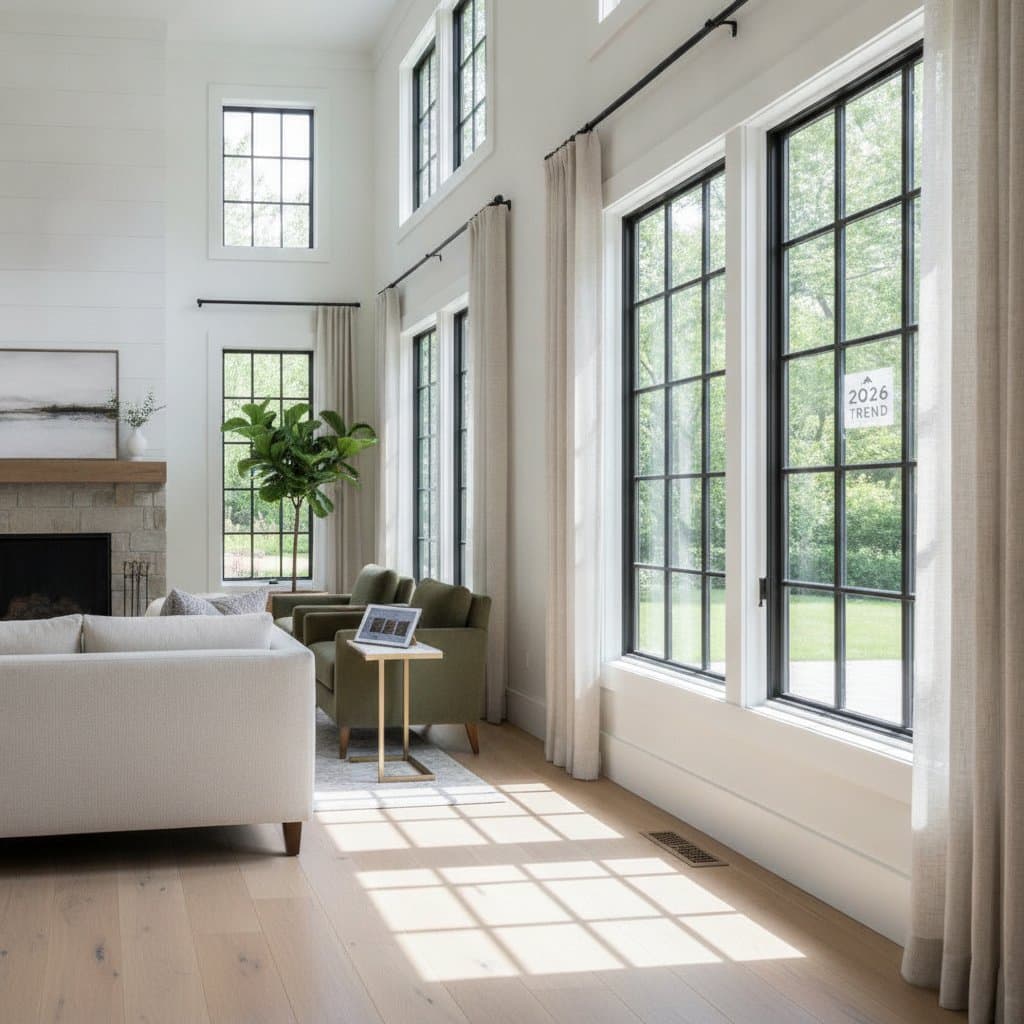
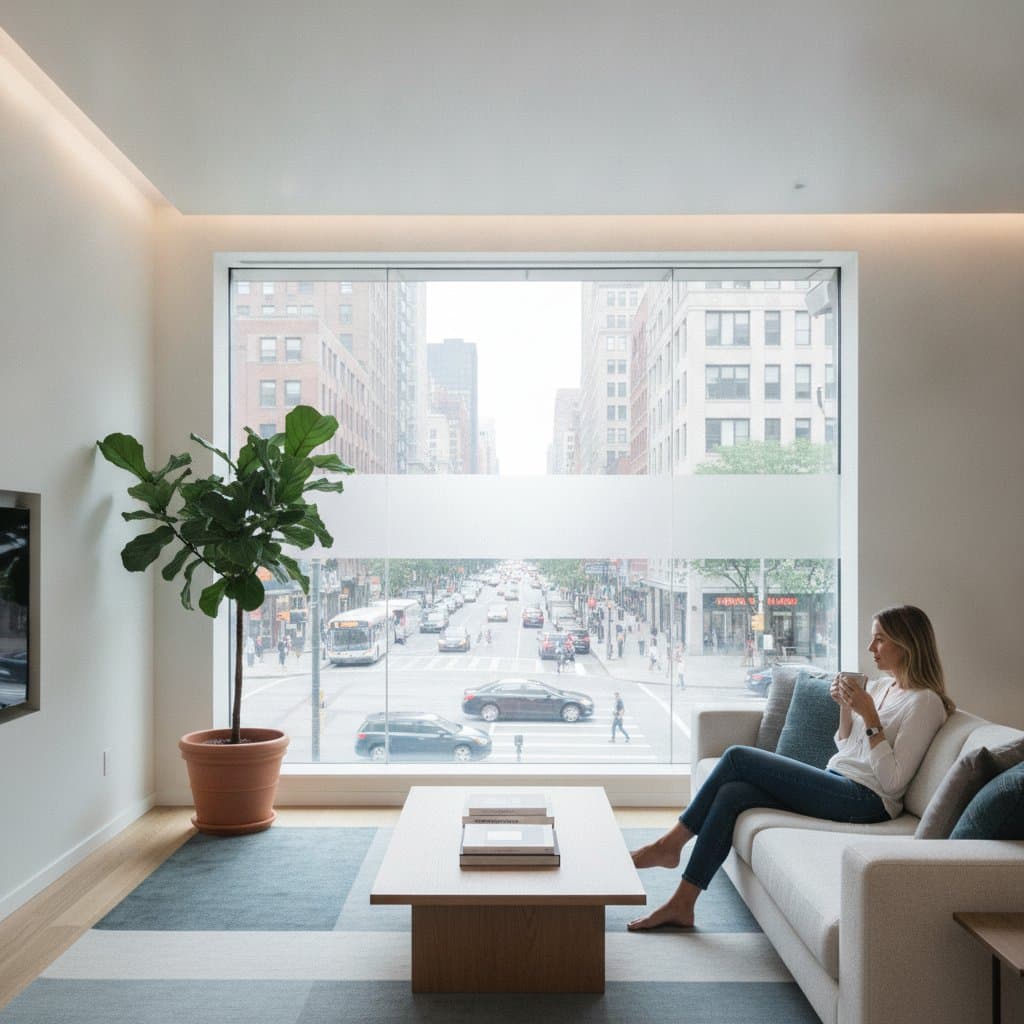
Home lighting balances aesthetics, functionality, and efficiency. Smart technology reshapes daily living, and electrochromic windows, known as smart glass, offer a breakthrough in natural light management. These windows adjust tint automatically to sunlight and preferences, eliminating the need for blinds or curtains while creating energy-efficient, comfortable spaces.
How Electrochromic Windows Function
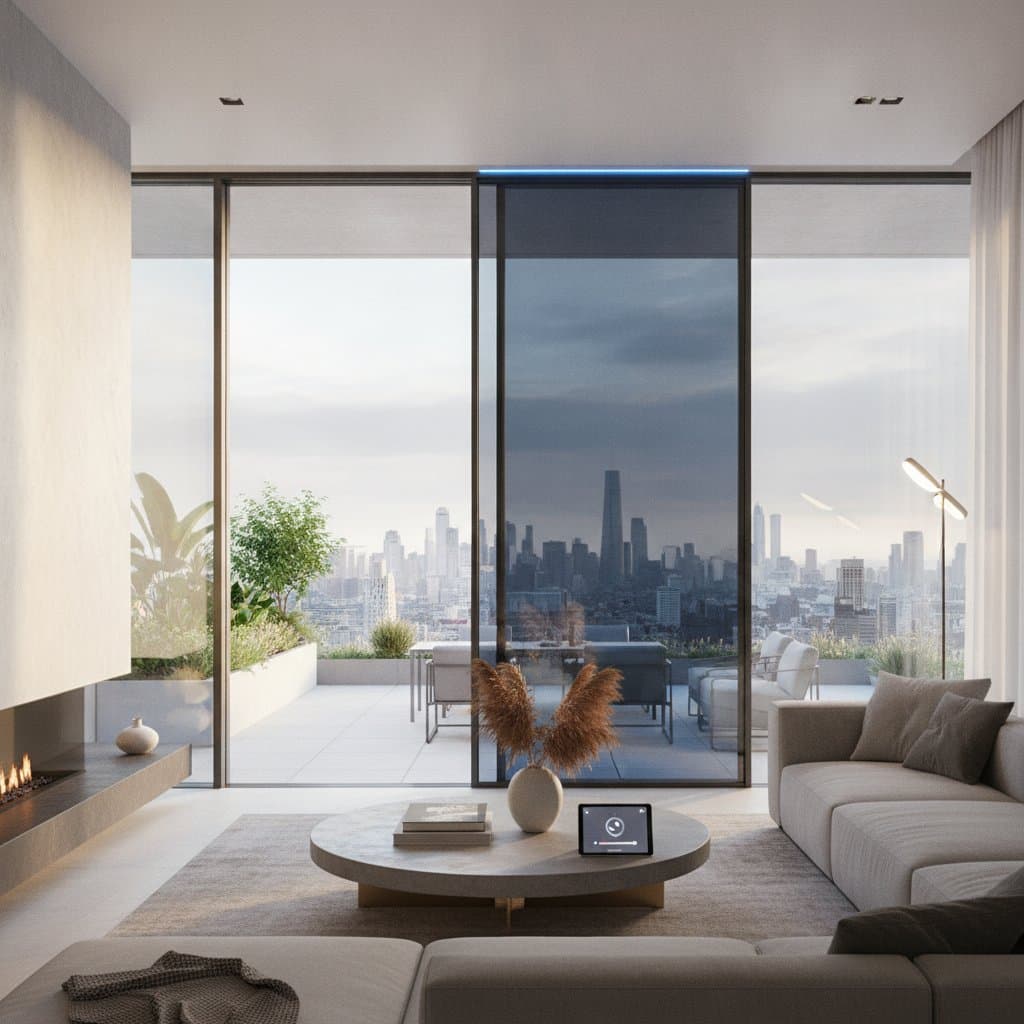
Electrochromic windows incorporate thin material layers that alter tint with a low-voltage electrical charge. This charge modifies light and heat transmission: the glass darkens to block glare and clears to admit brightness. The process operates silently, uses minimal energy, and reverses fully for reliable daily performance.
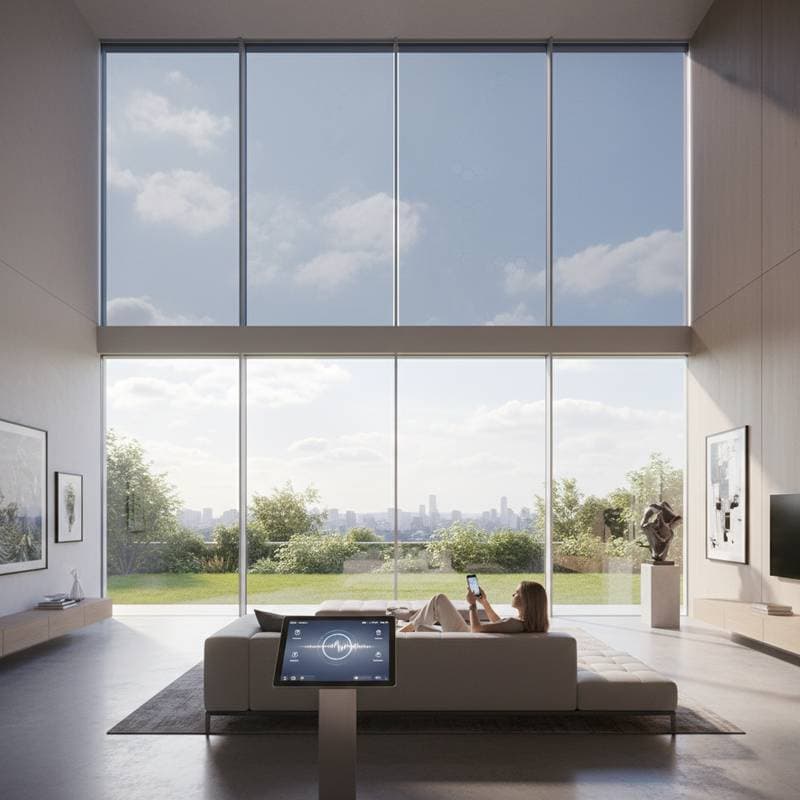
Control options include sensors for automation, wall switches, apps, or smart home integration. Advanced models learn patterns from room use and time of day, allowing precise adjustments to lighting, privacy, and temperature without physical coverings.
Materials and Design Integration
The structure features transparent conductors, an electrochromic coating, and an ion conductor between glass panes. These elements regulate light and heat passage, with outer layers ensuring clarity and strength.
Design versatility supports installation in panels, skylights, or doors, with options for tint tones and opacity levels. Compatibility with wood, aluminum, or composite frames suits modern and traditional aesthetics, enhancing customization.
Self-Dimming Windows Versus Traditional Solutions
Standard windows depend on blinds, shades, or curtains for light control, which demand manual operation, accumulate dust, and degrade over time. Smart glass provides uniform, hassle-free performance. The comparison below highlights key distinctions.
| Option | Initial Cost | Lifespan | Maintenance | Best For |
|---|---|---|---|---|
| Traditional Windows with Coverings | Lower | 15 to 25 years | Regular cleaning and replacements | Budget-focused homes |
| Electrochromic Smart Windows | Higher | 25 to 40 years | Minimal cleaning | Efficient, tech-savvy residences |
Although upfront costs exceed those of conventional setups, energy savings and low upkeep often recoup the difference, promoting sustainable style.
Boosting Energy Efficiency
Smart glass manages solar heat gain to cut heating and cooling expenses. It darkens in intense sun to block infrared rays, maintaining cooler interiors, and clears in low light to harness passive warmth. This reduces HVAC demands and overall energy use.
Integration with daylight sensors dims artificial lights automatically, conserving power. Such systems foster eco-conscious homes with measurable efficiency gains.
Enhancing Daily Comfort and Privacy
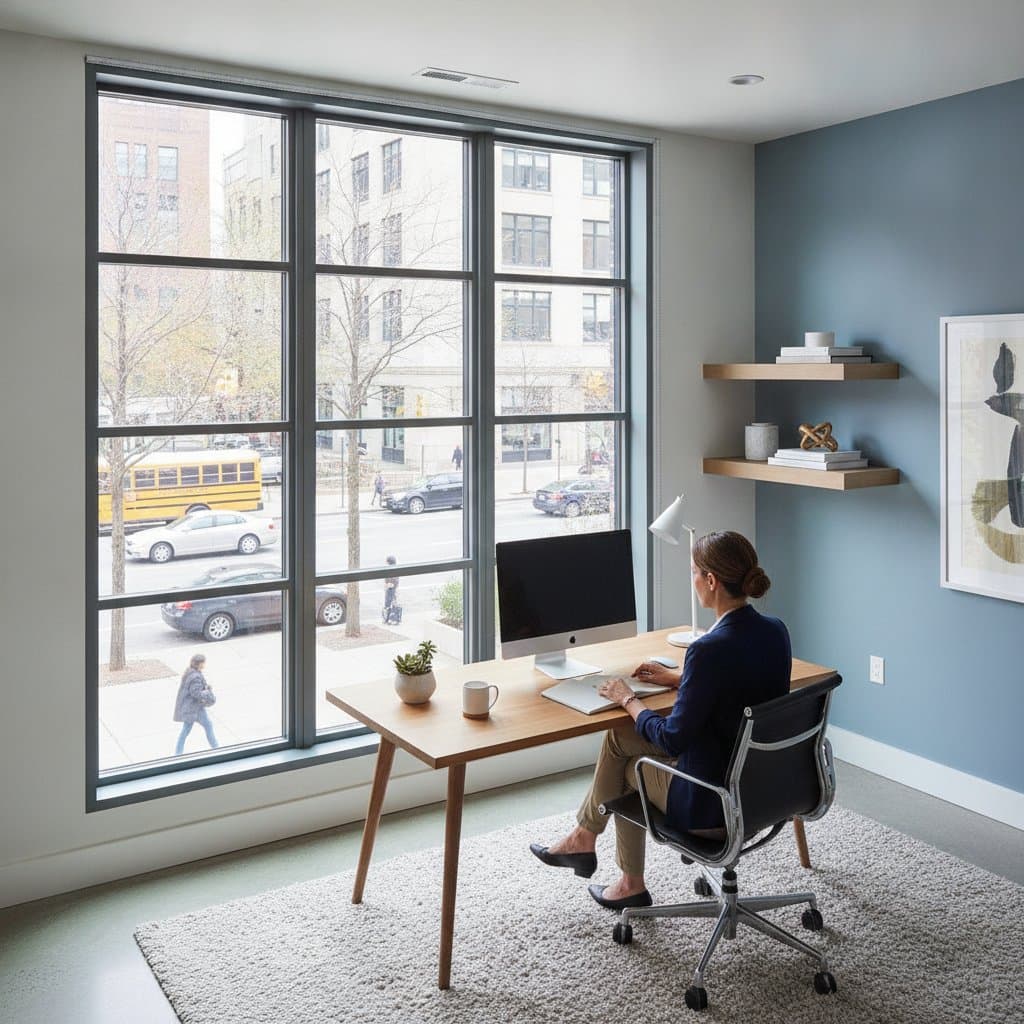
Natural light influences mood and productivity; smart glass delivers steady illumination without glare or abrupt changes. Ideal for living areas, offices, and kitchens, it sustains balanced environments.
Selective dimming targets specific panes for privacy in bedrooms or bathrooms. Automation simplifies family routines, shielding against sun exposure and preventing furniture fade without intervention.
Evaluating Costs and Returns
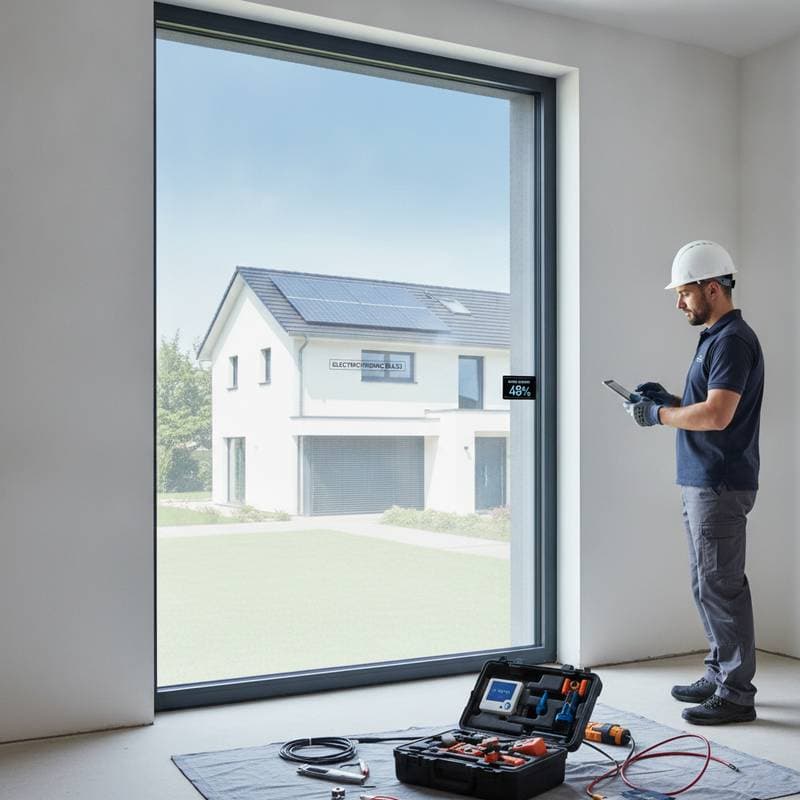
Initial prices reflect advanced materials and electronics, with professional installation essential for wiring. Long-term value emerges from utility reductions, durability, and rare maintenance.
Warranties cover glass and components, bolstering reliability. Resale appeal rises among buyers seeking innovative, efficient features.
Installation Overview
Professional installation ensures optimal results through these steps:
-
Assessment: Review current windows, energy goals, and design needs; select tint and controls.
-
Preparation: Measure precisely, plan electrical setup, and confirm smart home compatibility.
-
Execution: Remove old units, install frames and glass, and route wiring discreetly.
-
Testing: Calibrate tinting, sensors, and interfaces for user preferences.
-
Finalization: Advise on care, with follow-up for adjustments.
Cleaning requires soft, non-abrasive tools; inspections every few years check electronics.
Addressing Challenges
Damage repair costs more due to complexity, so protect against impacts. Electrical safeguards prevent moisture issues, emphasizing certified installers.
Models with manual overrides suit varied preferences; power failures hold the last tint state. Avoid DIY to comply with codes and warranties.
Selecting and Maintaining for Longevity
Choose based on room exposure and needs: prioritize sunlit areas for maximum benefits. Pair with wood accents for warm, innovative appeal.
Minimal maintenance preserves performance; recycle materials at end-of-life. Start small to test, then expand.
Realizing Lasting Benefits
Thoughtful integration of smart glass elevates light control, comfort, and efficiency. Homes adapt seamlessly to daily light shifts, delivering enduring value through enhanced well-being and sustainability.