Self-Dimming Windows: Advancing Smart Home Design
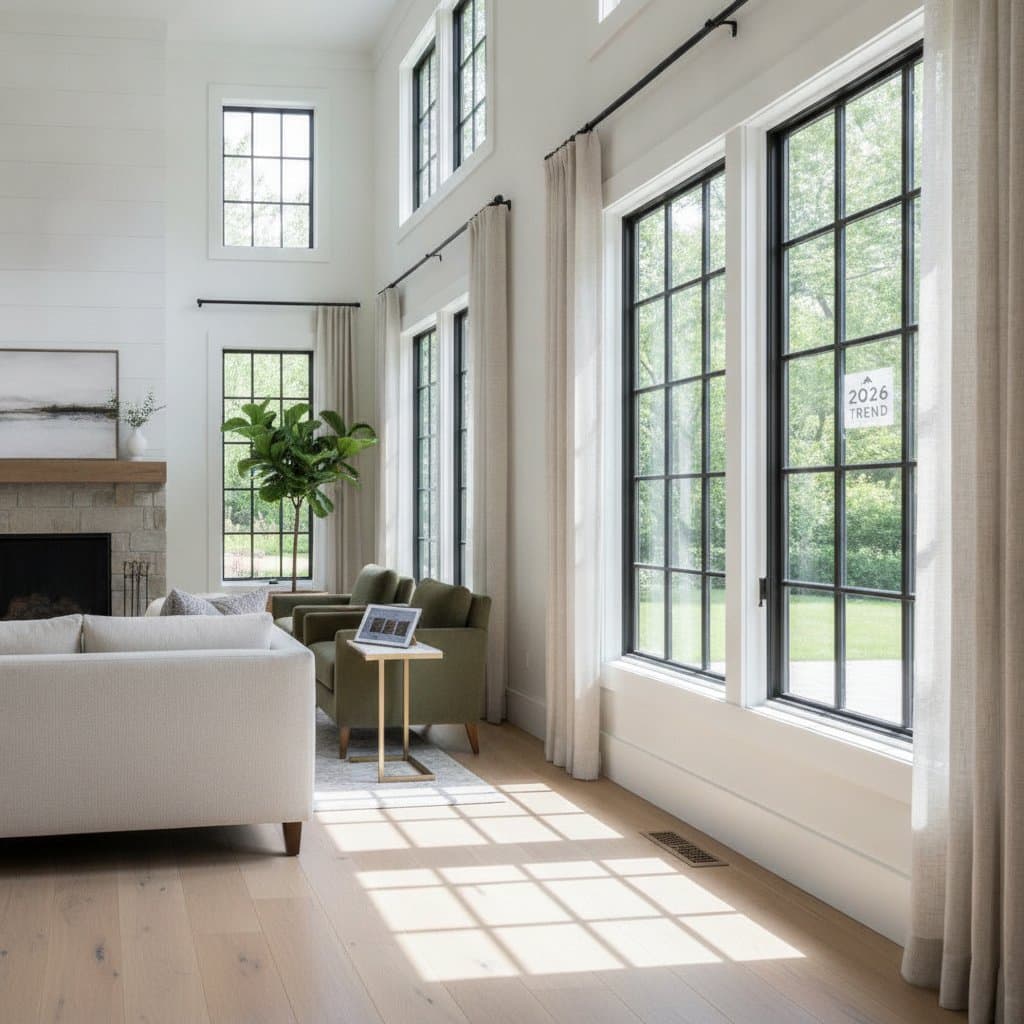
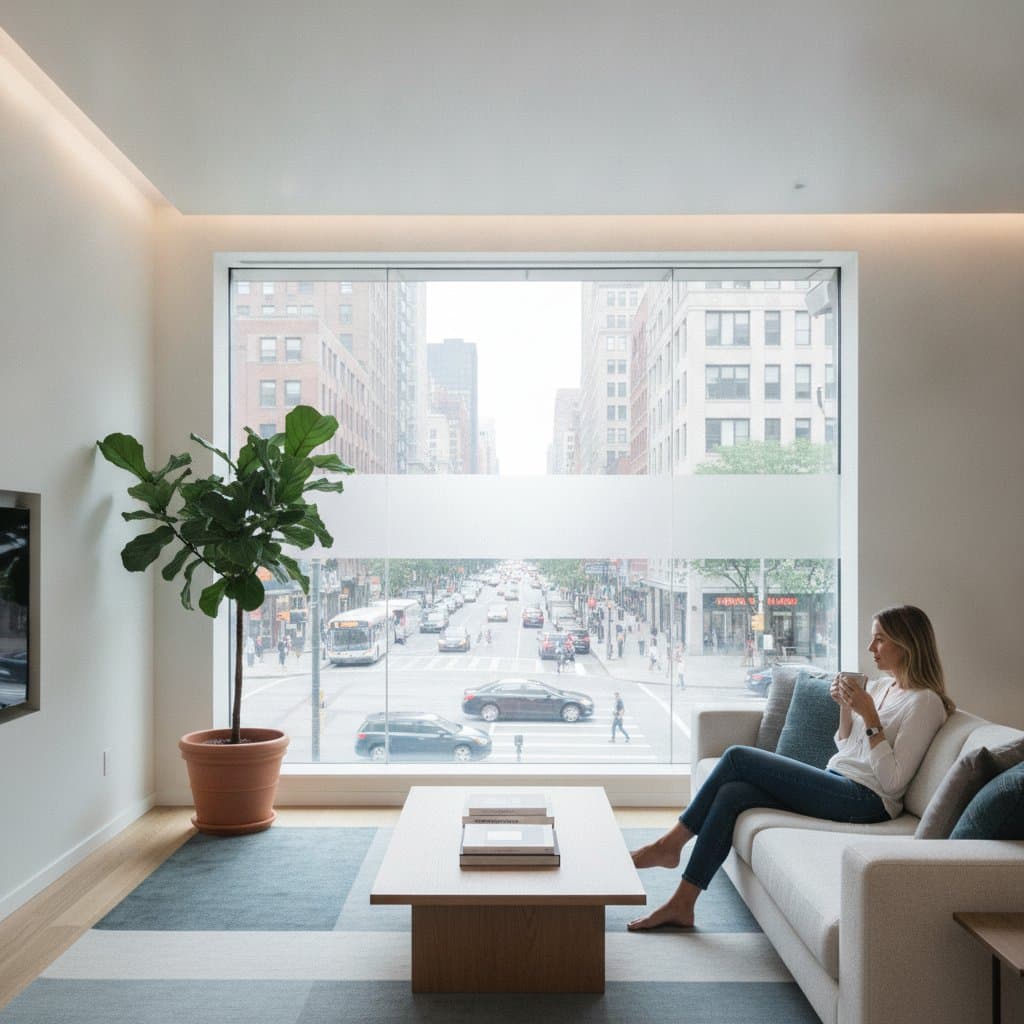
Self-dimming windows reshape homeowner expectations for comfort, energy savings, and architectural integration. Electrochromic technology enables these glass panels to adjust tint levels based on sunlight intensity. This creates interiors that remain balanced, private, and elegant without manual intervention. What was once a speculative innovation now serves as a reliable element in contemporary builds and renovations.
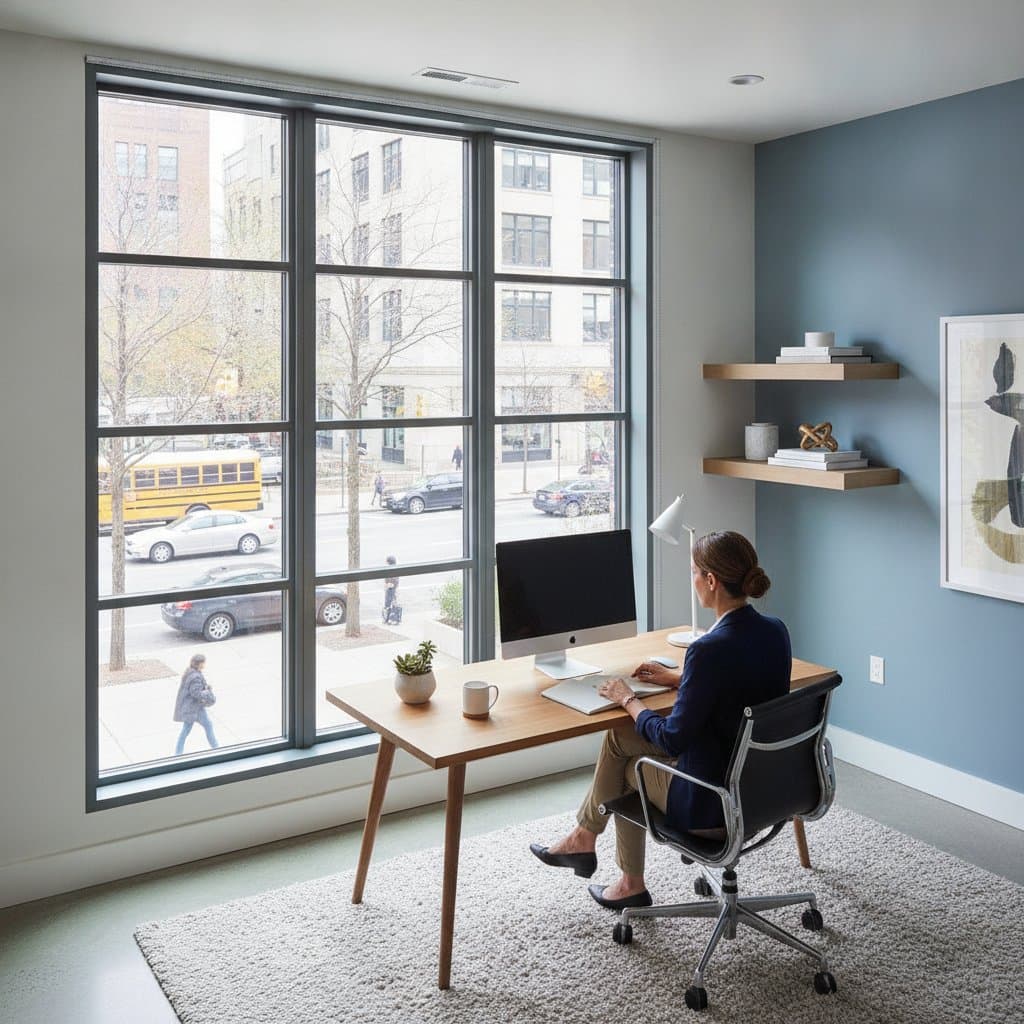
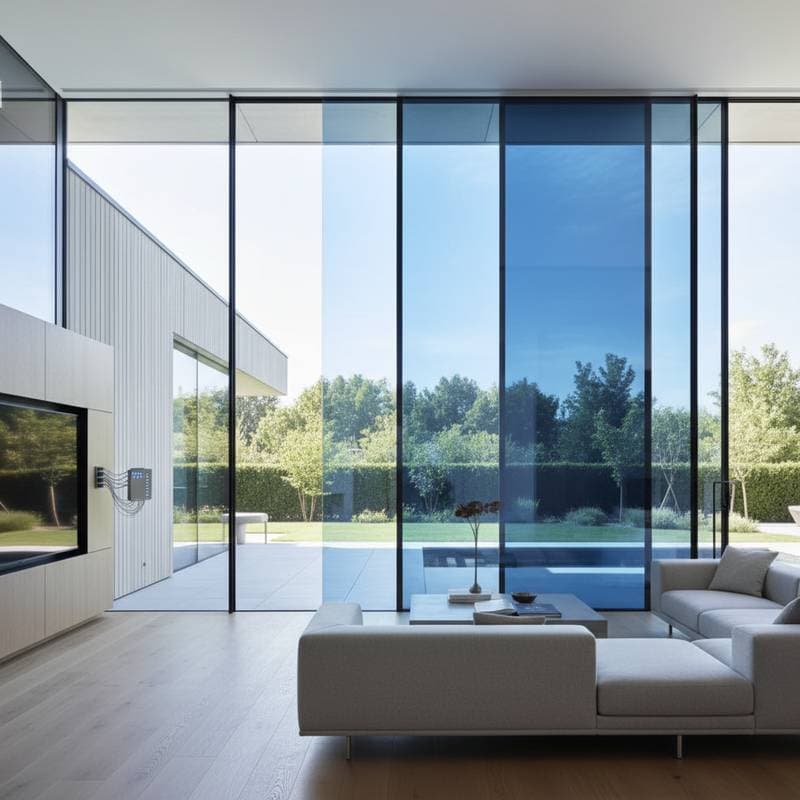
These windows adapt to diverse architectural contexts, from large picture frames in sleek modern residences to traditional double-hung styles. They preserve clean sightlines and expansive views while regulating natural light dynamically. Beyond aesthetics, they form an responsive outer layer for the home, aligning form with environmental performance.
Benefits for Contemporary Exteriors
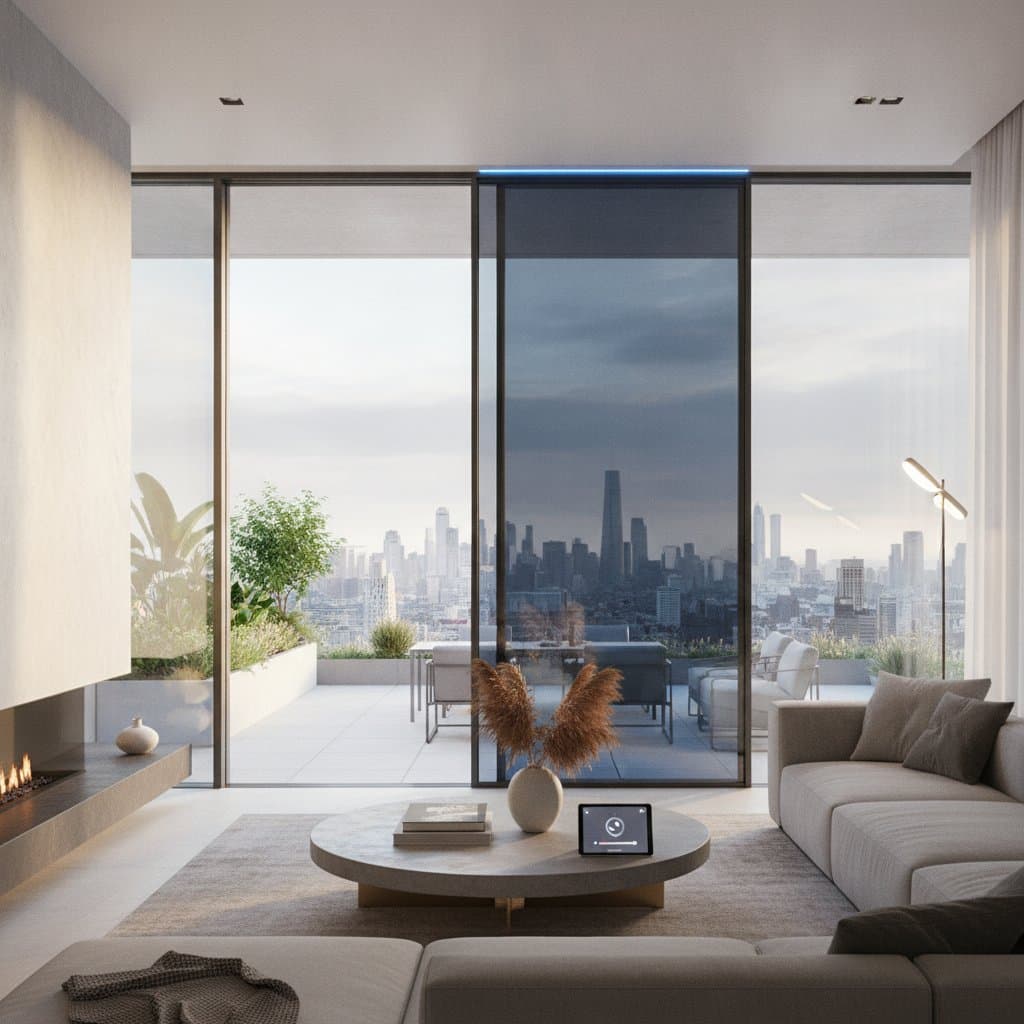
Self-dimming windows excel through their adaptive functionality. Panels darken during intense sunlight to block glare and heat, then lighten as conditions change. This process ensures steady indoor conditions and upholds the home's refined exterior appearance. Homeowners value this blend of advanced features and understated elegance, which also promotes eco-friendly practices by decreasing dependence on cooling systems and electric lights.
In architectural applications, these windows complement various siding and door options. Natural wood finishes or smooth fiber cement surfaces benefit from the glass's subtle shifts in reflectivity and tone. Such pairings yield a unified facade that merges cutting-edge elements with enduring style.
Three Strategies to Achieve This Design
Basic Strategy ($5,000 - $10,000)
- Material Options: Replace windows on south- or west-facing walls with basic electrochromic panels. Target zones with peak sunlight exposure to optimize returns on investment.
- Efficiency Tactics: Pair smart glass in sunny spots with standard energy-efficient double-pane units in less exposed areas. This method achieves uniform appearance at a controlled expense.
- Key Investments: Select frames with robust powder-coated exteriors. These resist environmental factors like humidity and thermal fluctuations.
Intermediate Strategy ($12,000 - $25,000)
- Material Upgrades: Opt for mid-level electrochromic glass featuring quicker tint transitions and superior color fidelity. Combine with low-maintenance composite or aluminum-clad frames.
- Enhancement Features: Link the windows to a central automation hub for managing light and climate. Such integration boosts operational efficiency and ease of use.
- Design Priorities: Select hardware and trim in finishes like brushed nickel or matte black to harmonize with tint variations. These choices create a polished overall exterior.
Advanced Strategy ($30,000 - $60,000)
- Premium Selections: Install electrochromic glass across the entire home, including zoned tinting and mobile app controls. Accommodate custom dimensions for unique window shapes.
- Luxury Details: Use thermally broken aluminum frames with slim profiles to blur boundaries between indoors and outdoors.
- Sustained Benefits: Expect lower utility bills and higher resale value. The technology shields interiors from UV damage, preserving furnishings over time.
Guide to Materials and Finishes
- Windows: Choose electrochromic panels with low-emissivity layers for added insulation. Frame shades such as charcoal, bronze, or soft black suit modern aesthetics; warm white or sand tones fit traditional ones. Matte nickel or oil-rubbed bronze hardware enhances versatility.
- Doors: Install solid-core entry doors with slim smart-glass sections that respond to light. Sliding or bi-fold doors incorporating dimming panels facilitate fluid indoor-outdoor flow.
- Siding: Select options that accentuate texture and contrast, like fiber cement, engineered wood, or cedar. These amplify the glass's reflective properties. Zinc or copper metal elements introduce modern flair.
- Trim and Details: Employ simple trim profiles to spotlight the glass. Neutral shades including slate gray or off-white provide balance. For emphasis, align trim hues with the glass's deepest tint.
Practical Maintenance Overview
Self-dimming windows demand minimal routine care despite their sophistication. The electrochromic layer resides securely inside the sealed unit, eliminating the need for direct handling or specialized cleaning. Follow standard protocols for insulated glass: wash gently with mild, non-abrasive solutions and check seals periodically for moisture buildup.
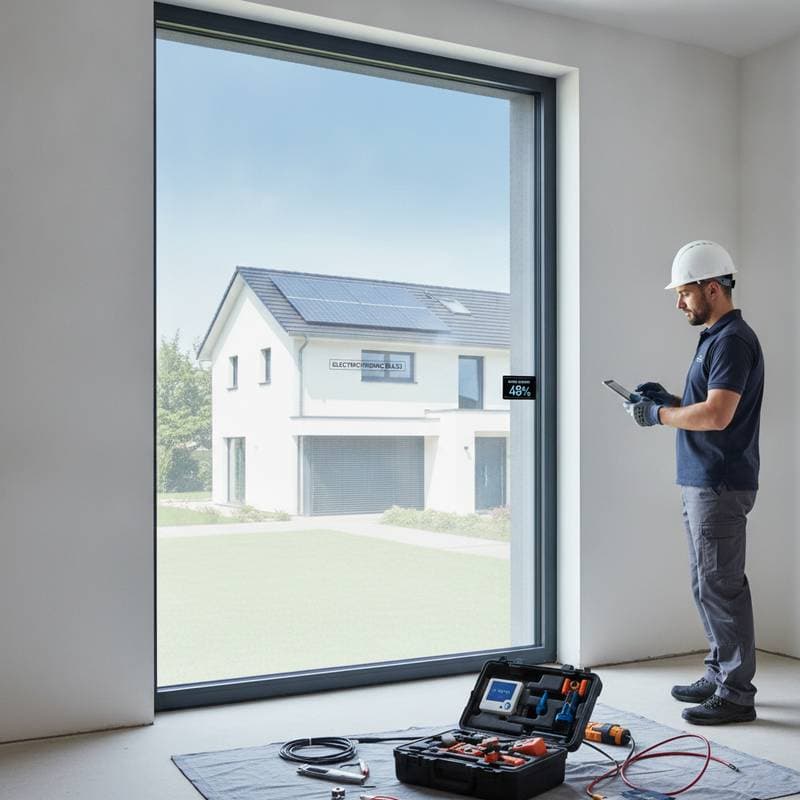
Electrical wiring powers the tint mechanism, so ensure professional setup conceals and safeguards connections. In regions with harsh weather, confirm the system's environmental ratings. Manufacturers typically offer extended warranties, and diligent attention to frames and seals sustains performance for decades.
Common Pitfalls to Sidestep
- Neglecting Orientation: Place self-dimming glass only where direct sun prevails, such as southern or western exposures. Shaded or north-facing areas yield negligible advantages.
- Overlooking Frame Design: Prioritize frame material, color, and profile alongside the glass. These elements significantly influence the facade's proportions and harmony.
- Underplanning Electrical Setup: Low-voltage wiring supports the technology. Coordinate with professionals early to avoid disruptive retrofits in walls or siding.
- Skipping Tint Sample Reviews: Brands vary in hue during transitions. Test samples under real daylight to guarantee seamless uniformity.
Coordinating Colors and Styles
Achieve cohesion among self-dimming windows, doors, and siding by considering light's effect on hues. Materials must adapt across the glass's daily shifts to maintain equilibrium.
Suggested Color Schemes:
- Graphite Gray: Versatile neutral that aligns with tinted glass and pairs with metal or slate roofs.
- Driftwood Beige: Gentle tone for coastal or classic homes, providing inherent warmth.
- Charcoal Black: Ideal for sleek or industrial aesthetics, highlighting the glass's innovative nature.
- Stone White: Sharp contrast that stands out against darker tints.
- Weathered Oak: Organic shade that tempers the windows' technical aspects.
Align hardware metals with cooler palettes like graphite, and wood accents with warmer ones. Incorporate dimmable LED exterior lights to echo the windows' responsiveness into the evening.
Pre-Installation Photography Guide
Document the property thoroughly prior to any window or door changes. This record informs selections and aids professionals in executing the vision.
Essential Steps:
- Photograph each exterior elevation from close, medium, and far views.
- Document key features like roof pitches, columns, and existing trim.
- Indicate wall orientations to assess sun patterns.
- Evaluate local style trends and association guidelines.
- Note environmental factors such as moisture, salinity, or temperature ranges.
- Establish budget limits and rank areas for maximum impact.
Synergizing Smart Glass with Exterior Components
Self-dimming windows shine within a comprehensive exterior plan. Aligning them with supporting elements maximizes both utility and visual impact.
- Smart Entry Systems: Use doors with electronic locks and matching glass panels. This uniformity elevates street presence and security.
- Automated Shades: Supplement with motorized outdoor screens or structures for extreme brightness, refining comfort further.
- Insulated Siding: Energy-smart panels reinforce solar heat reduction, forming an integrated thermal barrier.
- Roof Integration: Reflective metal roofing complements the glass's properties; neutral asphalt options soften traditional setups.
Climate-Specific Adjustments
Regional weather shapes self-dimming window effectiveness. In sunny, warm areas, tinting curbs heat and fading. Colder zones benefit from adjustable light entry for natural warming in winter. Sealed designs in coastal settings withstand corrosion, while dry regions gain from glare and UV mitigation.
Choose frames accordingly: aluminum or composites endure humidity without distortion, and vinyl or fiberglass provide superior insulation against chill. Apply UV-protective finishes to avert color degradation.
Enduring Value and Market Edge
Initial expenses for self-dimming windows surpass conventional options, yet savings in energy, enhanced livability, and refined style deliver strong returns. Properties with this feature capture compelling listing photos, accentuating lines and illumination. Prospective buyers appreciate the dual role as aesthetic upgrade and intelligent asset, often elevating home worth.
Daily, the technology fosters enjoyable spaces by enabling glare-free proximity to views. This subtle enhancement elevates routine living.
Realizing a Unified Exterior Vision
Self-dimming windows merge innovation with architecture to improve environmental interplay. They provide tangible gains in efficiency, seclusion, and allure. Thoughtful alignment with doors, siding, and accents crafts a holistic facade that endures.
Systematic planning, thorough documentation, and defined financial goals enable seamless adoption. Partial or comprehensive updates via electrochromic glass preview future residential evolution, where elegance and utility align without compromise.