Acoustic Windows Reduce Urban Noise by Up to 85% for Peaceful Urban Living
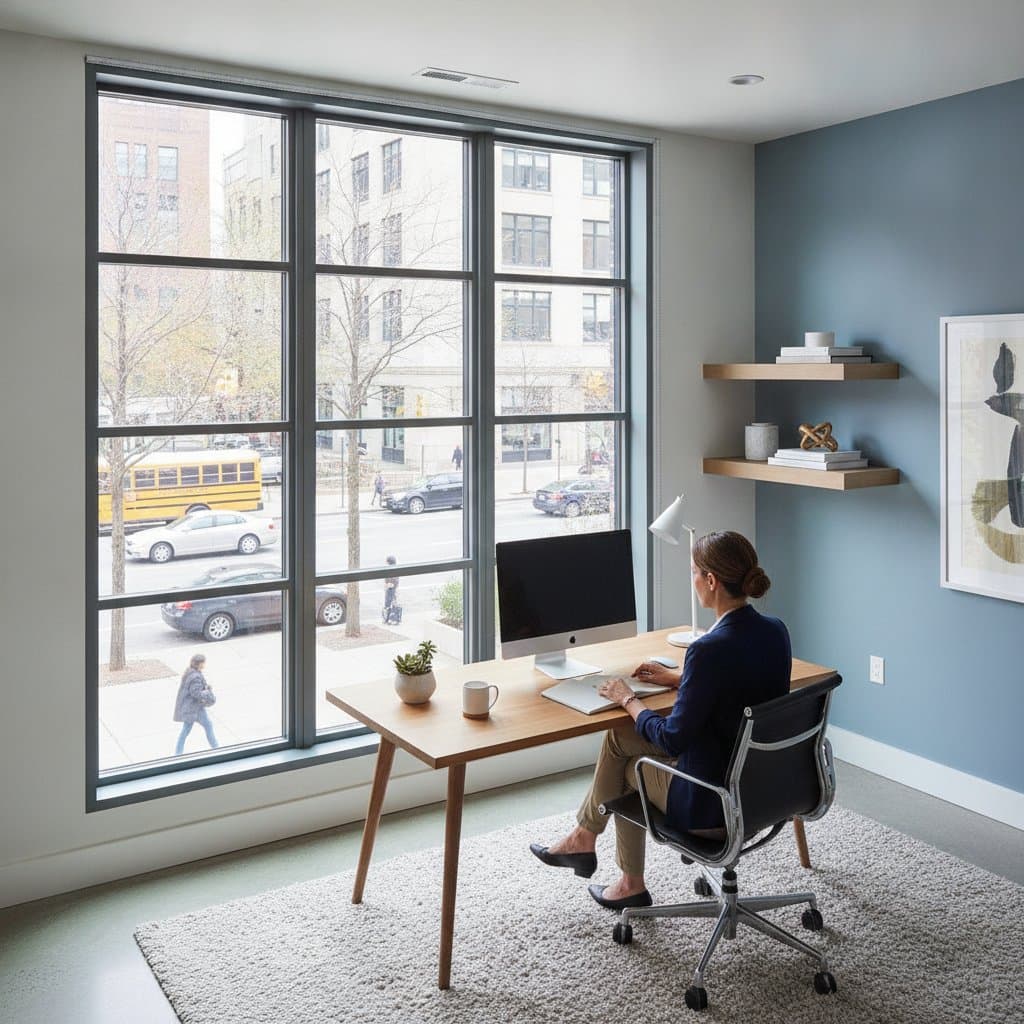
City life offers vibrant energy and easy access to amenities. However, persistent sounds from traffic, construction, and evening crowds often turn comfortable spaces into sources of stress. Acoustic windows address this issue effectively by blocking up to 85% of external noise, allowing homeowners to reclaim tranquility indoors. Understanding their mechanics, pricing, and selection process equips individuals to make informed upgrades.
How Acoustic Windows Block Sound
Acoustic windows, also known as soundproof windows, feature designs that limit sound penetration. These units incorporate thicker glass panes, laminated layers for vibration dampening, and strategic air spaces between panels. While conventional double-pane windows prioritize thermal insulation, acoustic versions target auditory barriers specifically.
Sound Transmission Class (STC) ratings quantify their effectiveness. Standard residential windows typically score 26 to 28 on this scale. Acoustic models achieve 40 to 50, resulting in substantial decreases in perceived noise levels from outside sources.
Pricing Overview for Acoustic Windows
Homeowners generally invest between $900 and $1,800 per window, covering materials and professional installation. Custom or oversized options may surpass $2,500, whereas retrofit inserts for smaller applications range from $400 to $700.
| Window Type | Cost Range (Installed) | STC Rating | Best Use |
|---|---|---|---|
| Standard Double Pane | $400 to $800 | 26 to 28 | Everyday home settings |
| Laminated Acoustic Glass | $900 to $1,500 | 35 to 40 | Bedrooms and offices |
| Triple Pane Acoustic | $1,200 to $2,000 | 40 to 45 | Noisy street-facing rooms |
| Secondary Glazing System | $400 to $700 | 35 to 40 | Budget retrofits |
| Custom Acoustic Frame + Glass | $1,800 to $2,500 | 45 to 50 | High-end urban properties |
These estimates account for labor costs, though variations occur due to size, manufacturer, and regional rates. Targeting only high-exposure rooms helps manage expenses without compromising overall results.
Key Factors Affecting Costs
Multiple elements determine the total investment in acoustic windows.
Glass thickness and composition play a primary role; denser laminated panels with sound-absorbing interlayers command higher prices yet deliver superior isolation.
Frame choices influence budgets as well. Vinyl or fiberglass options remain affordable, whereas wood or aluminum-clad variants elevate costs through enhanced durability and elegance.
Installation demands vary by location. Upper-story placements or structures in older buildings often necessitate extra support or sealing, increasing labor.
Local regulations may add fees for permits or inspections during replacements.
Alex Ramirez, a professional installer with QuietView Glass in Chicago, notes, "The biggest mistake homeowners make is assuming all double-pane windows are soundproof. True acoustic windows use specialized glass layers and spacing that make a massive difference."
Realistic Noise Reduction Outcomes
These windows diminish external sounds by as much as 85%, influenced by noise frequency and site conditions. Low-pitched rumbles from vehicles or music prove challenging to eliminate entirely, but sharper sounds like horns or voices attenuate markedly.
Optimal performance requires comprehensive sealing of the window assembly. Minor frame gaps undermine efficacy, so expert installation proves essential for maximum benefits.
Selecting the Right Acoustic Glass Configuration
Various glass setups suit different needs and budgets.
| Glass Type | Typical Thickness | Noise Reduction | Maintenance Level |
|---|---|---|---|
| Standard Laminated | 6.4 mm | Good | Easy |
| Acoustic Laminated | 8.8 to 10.8 mm | Excellent | Easy |
| Triple Glazed | 12 to 16 mm total | Superior | Moderate |
| Secondary Glazing Insert | Variable | Very Good | Minimal |
Acoustic laminated varieties embed interlayers that capture sound energy. Triple-glazed arrangements leverage gas-filled voids to interrupt vibrations. Secondary systems fit within current frames, appealing to tenants or preservation-focused properties.
Installation: Professional Versus DIY Approaches
DIY efforts at soundproofing often fall short for full window replacements. Precise airtight fits and robust frame reinforcements demand specialized tools and knowledge. Errors in sizing or sealing invite moisture buildup, efficiency losses, and diminished returns.
Professionals charge $150 to $400 per window based on site access. Reputable firms offer warranties on products and labor, safeguarding long-term value.
Upkeep and Expected Durability
Installed acoustic windows demand minimal ongoing care. Clean surfaces with gentle soap solutions, and check seals biannually to preserve integrity. Periodic reapplication of caulk every few years sustains acoustic and thermal properties.
High-quality units last 20 to 30 years, comparable to premium standard windows. Selecting durable materials and skilled installers extends this timeframe.
Additional Energy Efficiency Gains
Noise control represents one advantage; improved insulation provides another. Dense constructions and secure perimeters minimize air leakage and temperature fluctuations. Annual utility bills for heating and cooling may drop 10% to 20%, varying by regional weather and exposure.
Pairing these windows with thermal drapes or shades enhances both acoustic and energetic outcomes.
Steps to Upgrade Your Windows
Begin by assessing noise hotspots in your residence. Solicit bids from licensed contractors, evaluating STC specifications, guarantees, and techniques. Request physical samples to assess glass weight and build quality.
For city dwellers, acoustic windows deliver enduring enhancements to daily living. Proper selection, installation, and care yield quieter spaces that align with urban lifestyles.