Why Windows Outperform Doors for 2026 Home Upgrades
Homeowners planning renovations often debate whether to prioritize windows or doors. Both options enhance energy efficiency and visual appeal, yet recent data indicates that window replacements provide superior returns, greater comfort improvements, and more versatile design options. For 2026 projects, evidence supports windows as the optimal initial investment.
Average Project Costs and ROI Overview
Window and door replacements involve comparable cost elements, but their price ranges and recovery periods vary significantly. A complete window overhaul demands a higher initial outlay than most door projects, but it achieves stronger ROI.
| Project Type | Average Total Cost | ROI Range | Lifespan | Energy Efficiency Impact |
|---|---|---|---|---|
| Whole-Home Window Replacement | $8,000 to $20,000 | 65% to 75% | 20 to 30 years | High |
| Single Entry Door Replacement | $1,000 to $4,500 | 55% to 65% | 15 to 25 years | Moderate |
| Patio Door Replacement | $2,500 to $6,000 | 60% to 70% | 20 to 25 years | Moderate |
These figures represent national averages drawn from contractor reports and building material suppliers. Although door replacements require less upfront spending, window upgrades yield greater resale value and consistent annual savings. Windows influence energy use throughout the residence, unlike doors that affect only specific access points.
Superior Energy Savings from Windows
Windows excel in energy performance compared to doors. Contemporary window designs feature low-emissivity coatings, inert gas fills, and thermal barriers that reduce heating and cooling expenses by 10 to 25 percent. Annual savings can reach several hundred dollars, based on regional energy prices.
Energy Star-certified windows use multi-pane configurations to minimize heat exchange while preserving daylight. An upgraded entry door enhances insulation at a single location, but new windows strengthen the home's overall thermal barrier. This comprehensive effect leads appraisers and potential buyers to assign higher value to window improvements.
Contractor Jim Halpern, a licensed professional from Ohio, notes, “When homeowners ask where to start, I usually tell them to look at their energy bills. If they see drafts near every window, that’s money slipping out every month. Windows make a bigger difference faster.”
Material Choices and Their Implications
Selecting materials for windows or doors influences expenses and durability. Common choices include wood, vinyl, aluminum, and fiberglass, each offering unique benefits.
| Material | Window Cost Range per Unit | Door Cost Range per Unit | Maintenance Level | Longevity |
|---|---|---|---|---|
| Vinyl | $250 to $850 | $600 to $1,200 | Low | 20 to 25 years |
| Wood | $400 to $1,500 | $1,200 to $3,000 | Moderate | 25 to 30 years |
| Fiberglass | $500 to $1,200 | $1,000 to $2,500 | Low | 25 to 35 years |
| Aluminum | $300 to $900 | $800 to $1,800 | Low | 20 to 30 years |
Vinyl windows attract buyers for their cost-effectiveness and thermal properties, whereas wood suits preferences for classic style. Fiberglass provides a reliable mix of strength and efficiency. Door materials align similarly, but windows' larger coverage area amplifies performance benefits.
Design and Visual Enhancements
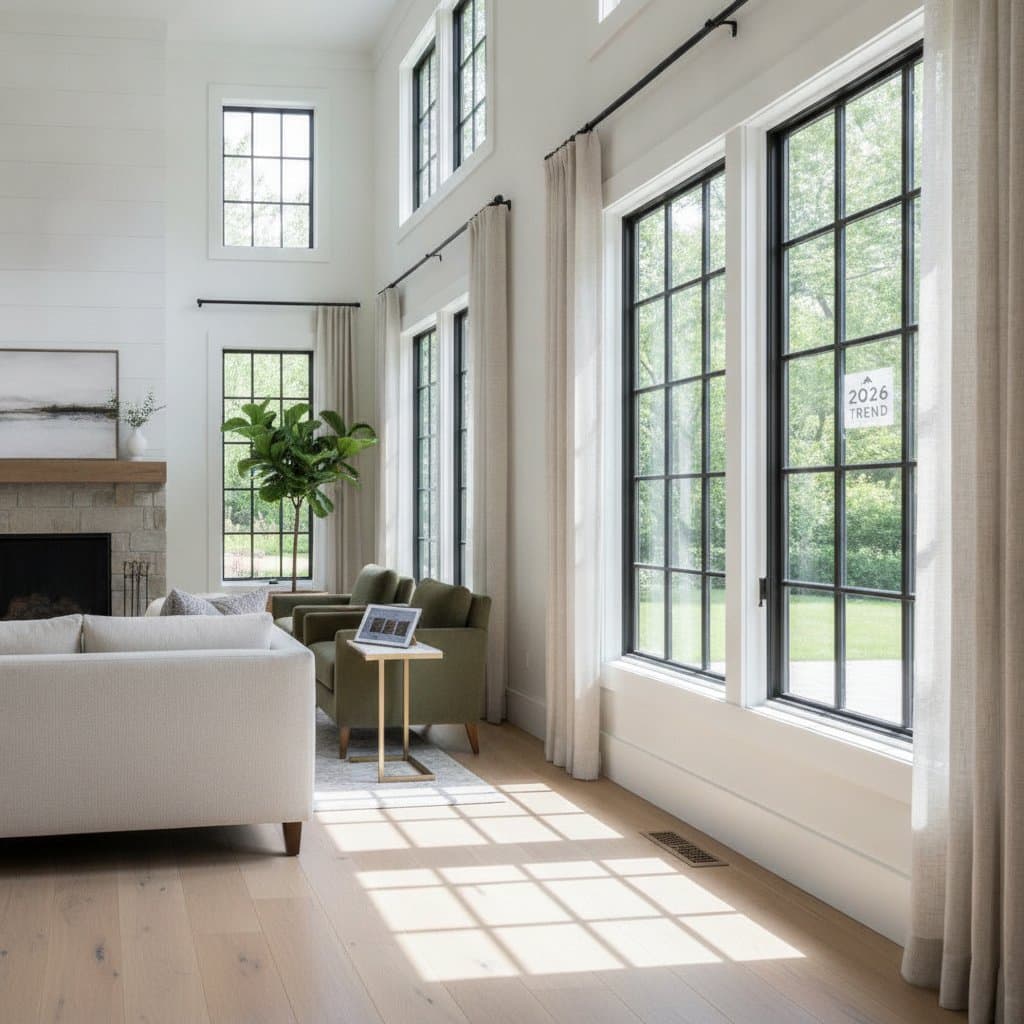
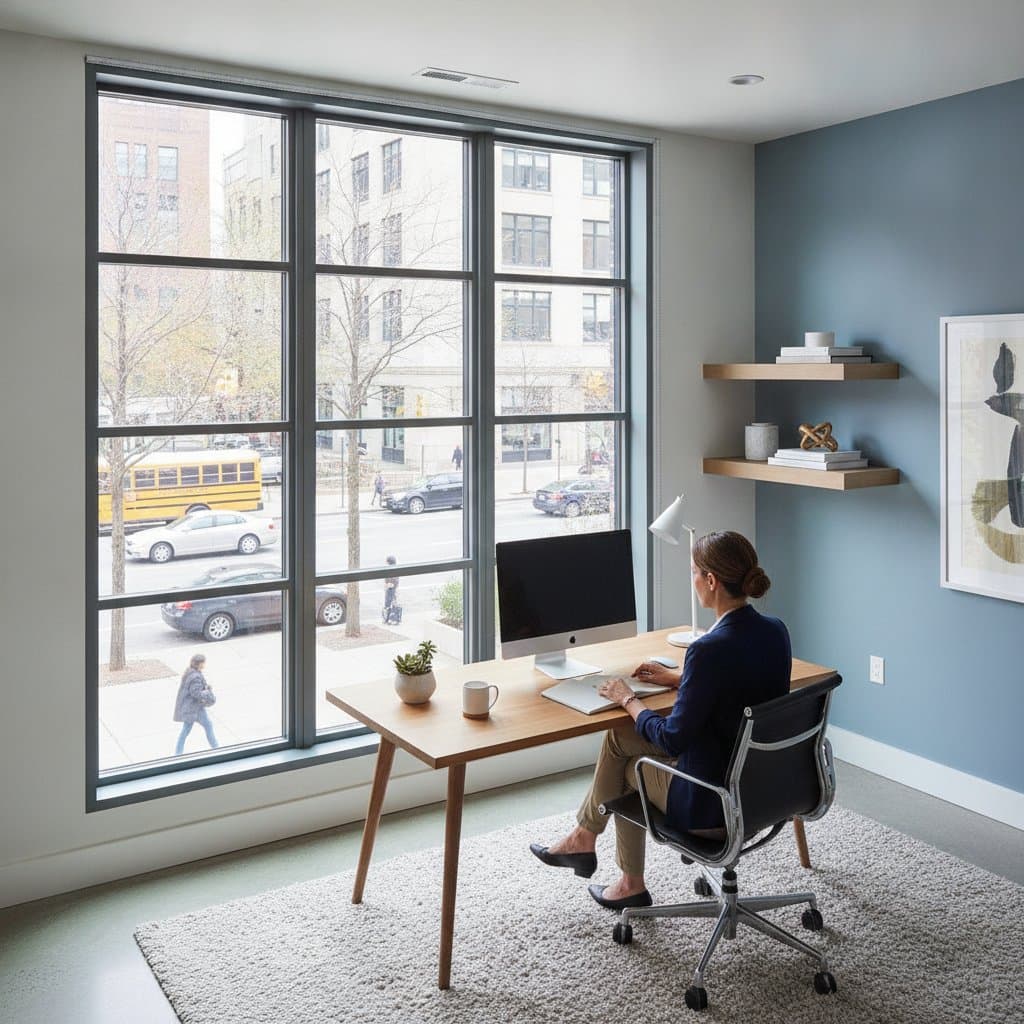
Beyond efficiency, window upgrades revitalize light flow and exterior aesthetics. Options like expanded frames or contemporary styles create illusions of spaciousness and better airflow. Choices range from bay configurations to gliding panels, offering extensive customization.
Doors enhance front-door presence through ornate glass or tailored surfaces. However, windows shape the home's external profile more prominently. A unified window refresh revitalizes the facade, extending impact beyond the entrance.
Home designer Carla Nguyen from California observes, “When you update all your windows, the home suddenly feels cohesive again. The symmetry, light distribution, and proportion all come together. A new door can be beautiful, but new windows change the whole composition.”
Installation Processes and Scheduling
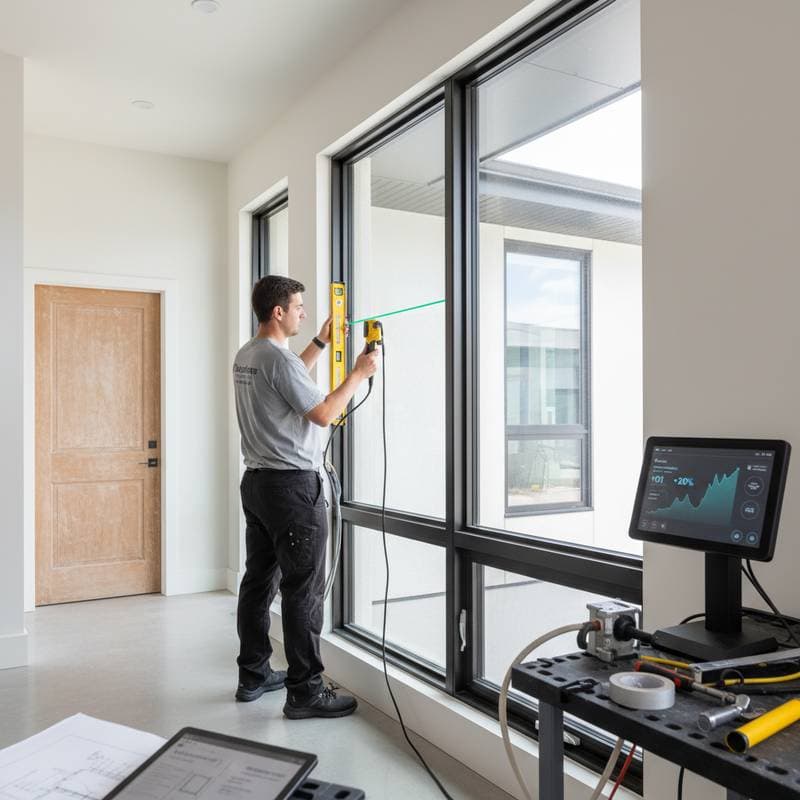
Window installations demand more planning than door work. A standard door swap completes in hours, whereas a multi-window project spans days. Experienced teams employ methods to reduce household interruption.
Exterior-focused window work avoids indoor disruption, enabling residents to remain on-site. Favorable weather ensures proper sealing and access. Doors tolerate varied conditions but may need framing changes for larger setups.
Post-installation tasks, such as trim adjustments or finishing, apply to both, though windows often require more precise alignment.
Signs It's Time for Replacement
Timely intervention maximizes benefits. Replace windows showing interlayer fogging, frame distortion, or sealed leaks. Persistent sticking sashes or flaking paint signal structural decline.
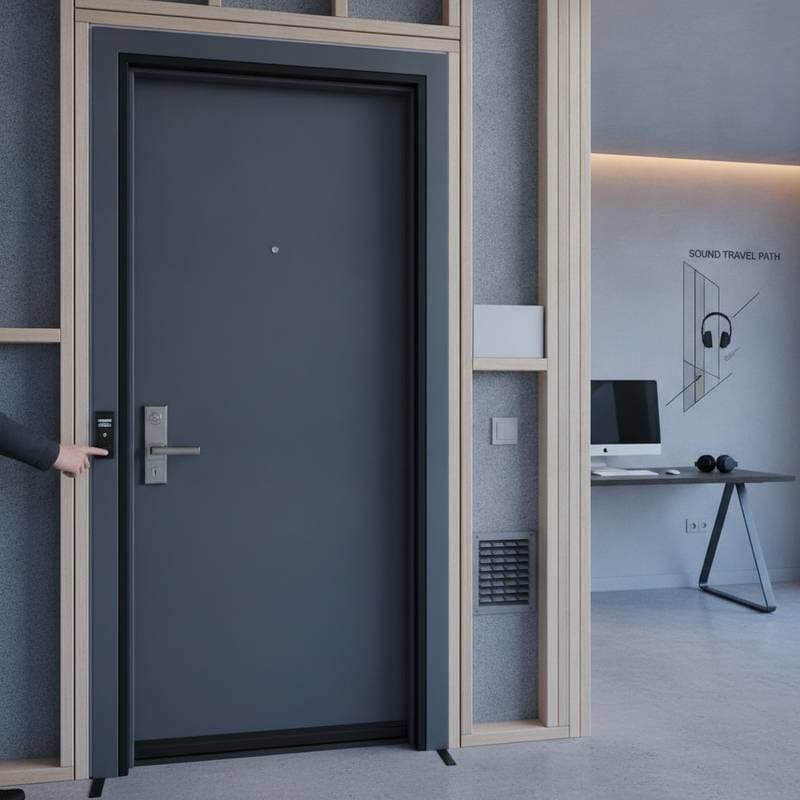
For doors, inspect for seal gaps, latching issues, or corrosion. Drafty or resistant closures indicate urgent needs.
During extensive remodels, integrate both upgrades. Under budget limits, experts advise windows first to steady climate control, ease HVAC demands, and elevate market appeal.
Key Cost Influencers
Multiple elements shape expenses for windows or doors:
- Material Quality: High-end fiberglass or wood exceeds vinyl or steel in price but endures longer.
- Size and Style: Specialized forms, protrusions, or etched panels raise material and labor fees.
- Installation Challenges: Elevated positions or structural modifications extend work hours.
- Efficiency Standards: Advanced ratings increase initial costs while trimming operational expenses.
- Local Labor Variations: City rates surpass those in countryside regions.
Installed window units average $600 to $1,200 each. Doors vary from $1,000 for simple steel models to over $5,000 for elaborate wood or fiberglass with accents.
Long-Term Financial Benefits
Windows recover costs faster than doors through resale and efficiencies. They lessen system strain and access rebates. Over decades, gains offset premium pricing.
Doors bolster security and entry aesthetics but exert limited thermal influence. Insulated variants save modestly monthly.
Remodeling data reveals vinyl window projects recouping 70 percent at sale, versus 60 percent for entry doors. This gap translates to substantial profits.
Upkeep and Resilience Factors
Maintenance varies by material and setting. Vinyl and fiberglass need basic cleaning and lubrication. Wood demands periodic coatings against elements.
Doors endure frequent use, requiring hinge and seal inspections. Sunlight fades surfaces; fiberglass and steel resist humidity better than wood, ideal for exposed areas.
Routine weatherstrip renewal and component care extend life for both. Windows' extensive area necessitates broader monitoring.
Impact on Resale and Buyer Views
Agents highlight windows when advising sellers. Prospects spot modern units instantly, linking them to savings and upkeep ease. Doors create entry impact, but windows convey comprehensive care.
Visual and practical overlaps drive appeal. Updated windows improve listing images, draw traffic, and support premium pricing.
Sustainability and Comfort Advantages
Eco-conscious owners benefit from windows' reduced emissions and UV control, maintaining steady temperatures with less energy. This cuts usage and ecological effects.
Insulated doors aid locally, but windows dominate climate and illumination dynamics.
Scenarios Favoring Door Priority
Doors warrant first attention for compromised structures, weak locks, or decay. Patio units with seal failures risk interior damage.
In heritage properties, era-matching doors preserve style and worth, justifying precedence over windows.
Steps to Launch Your Upgrade
Evaluate your home's needs by reviewing energy statements and inspecting openings. Consult certified contractors for quotes tailored to your region and goals. Prioritize Energy Star products to secure incentives and ensure lasting performance. With windows leading the way, achieve efficiency, style, and value that endure.