Electrochromic Windows Slash HVAC Costs by 50 Percent
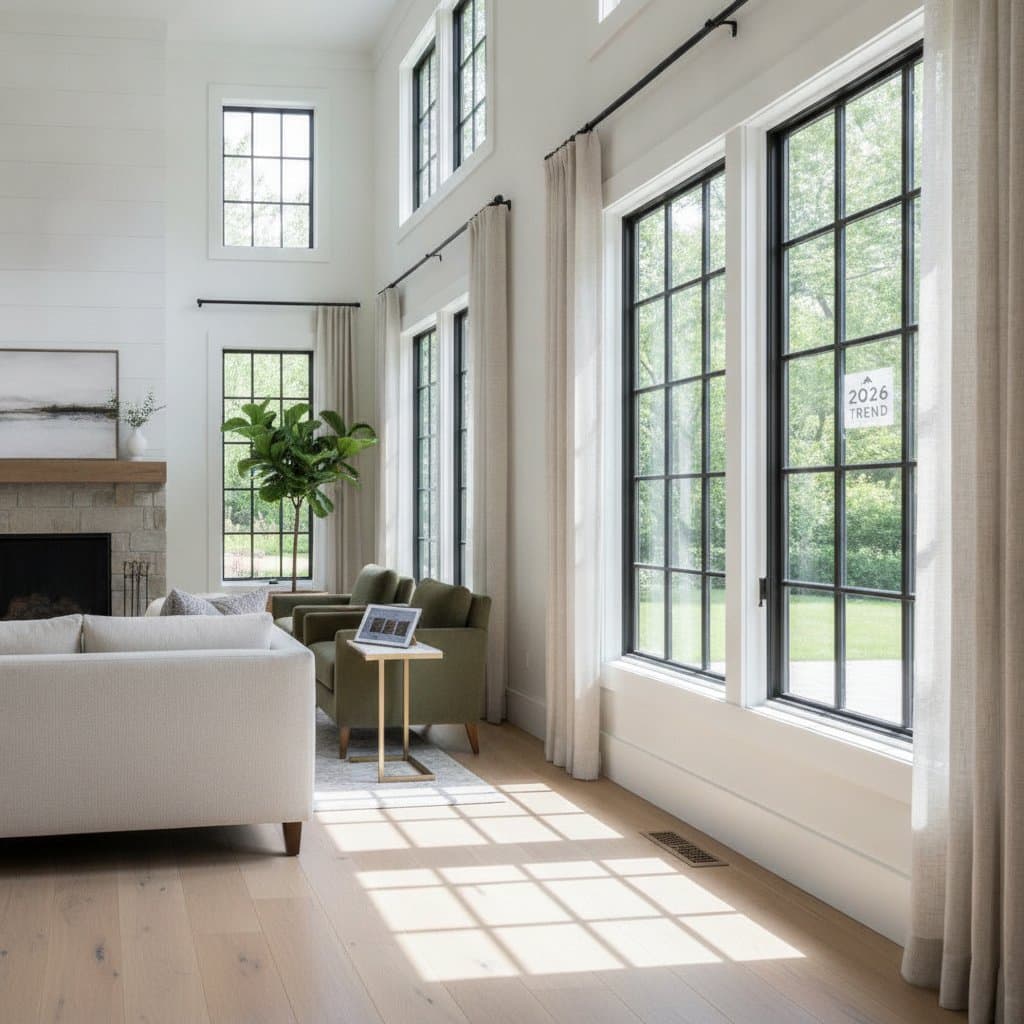
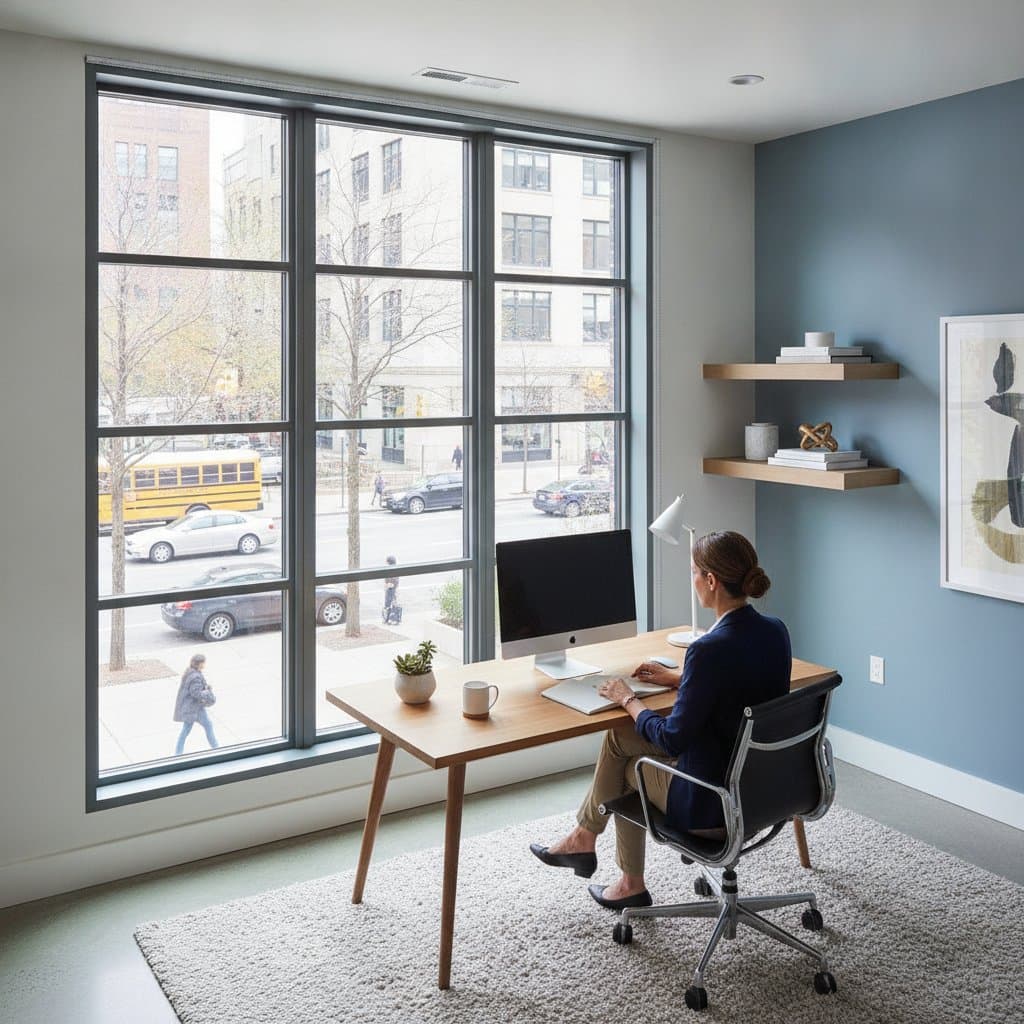
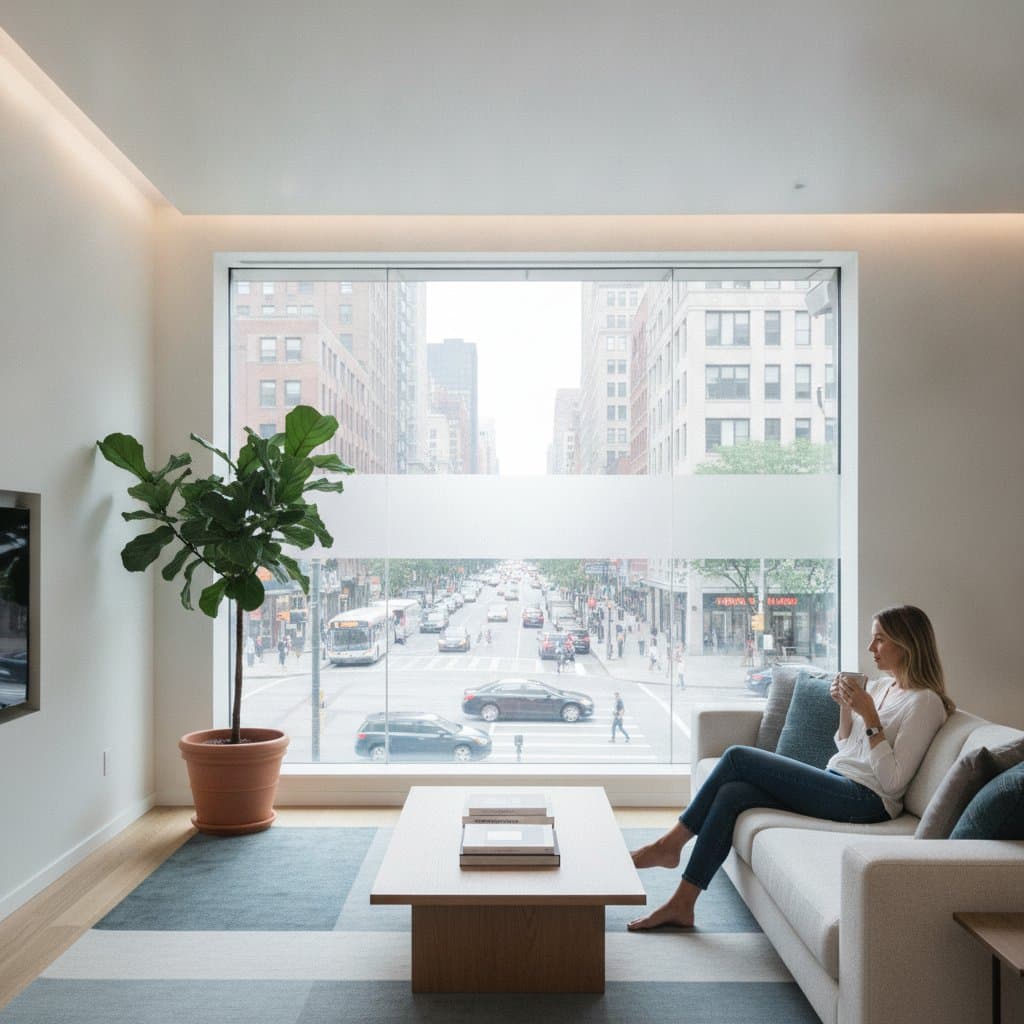
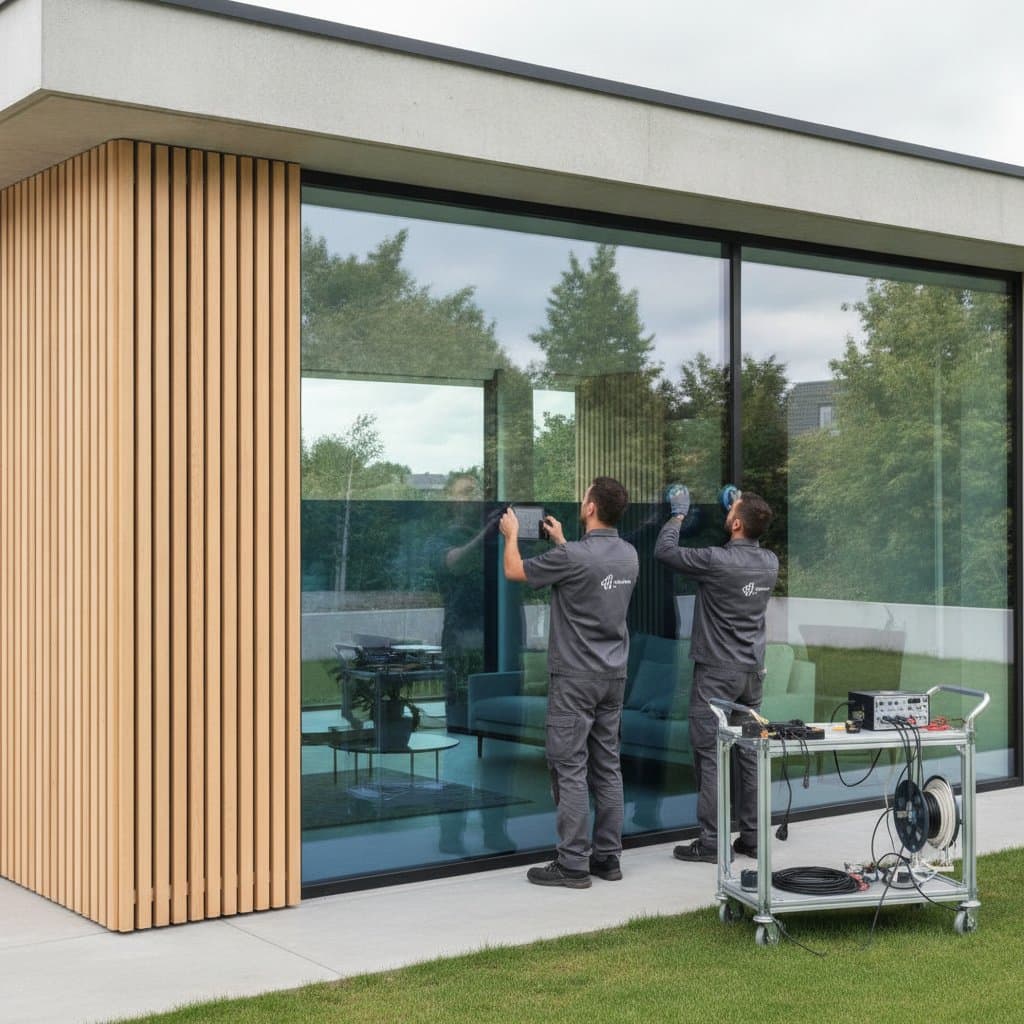
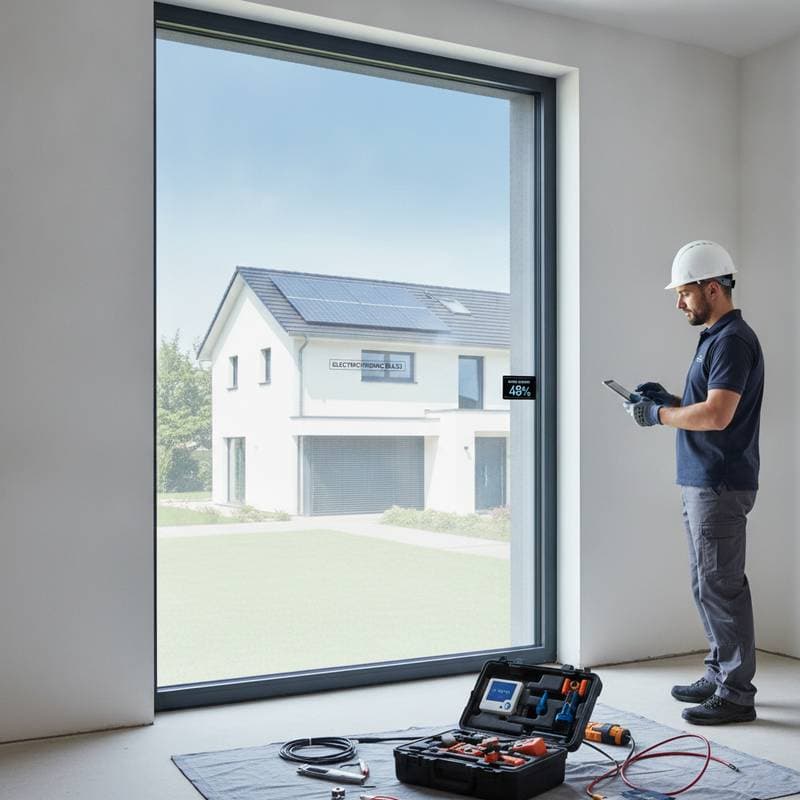
Smart glass technology has moved from concept to practical upgrade. Electrochromic windows adjust tint levels automatically in response to sunlight. This capability reduces HVAC energy use by up to half while improving indoor comfort. The design appeal stands out, yet the lasting value comes from the blend of efficiency and style.
Three Budget Tiers for Installation
Save Approach ($3,000 - $6,000)
- Apply retrofit electrochromic film directly to existing glass.
- Focus on south and west facing windows that receive the strongest sunlight.
- Pair the film with energy efficient curtains to improve results at lower cost.
Mid Range Approach ($8,000 - $15,000)
- Fit factory sealed electrochromic glass units in main living areas such as kitchens and living rooms.
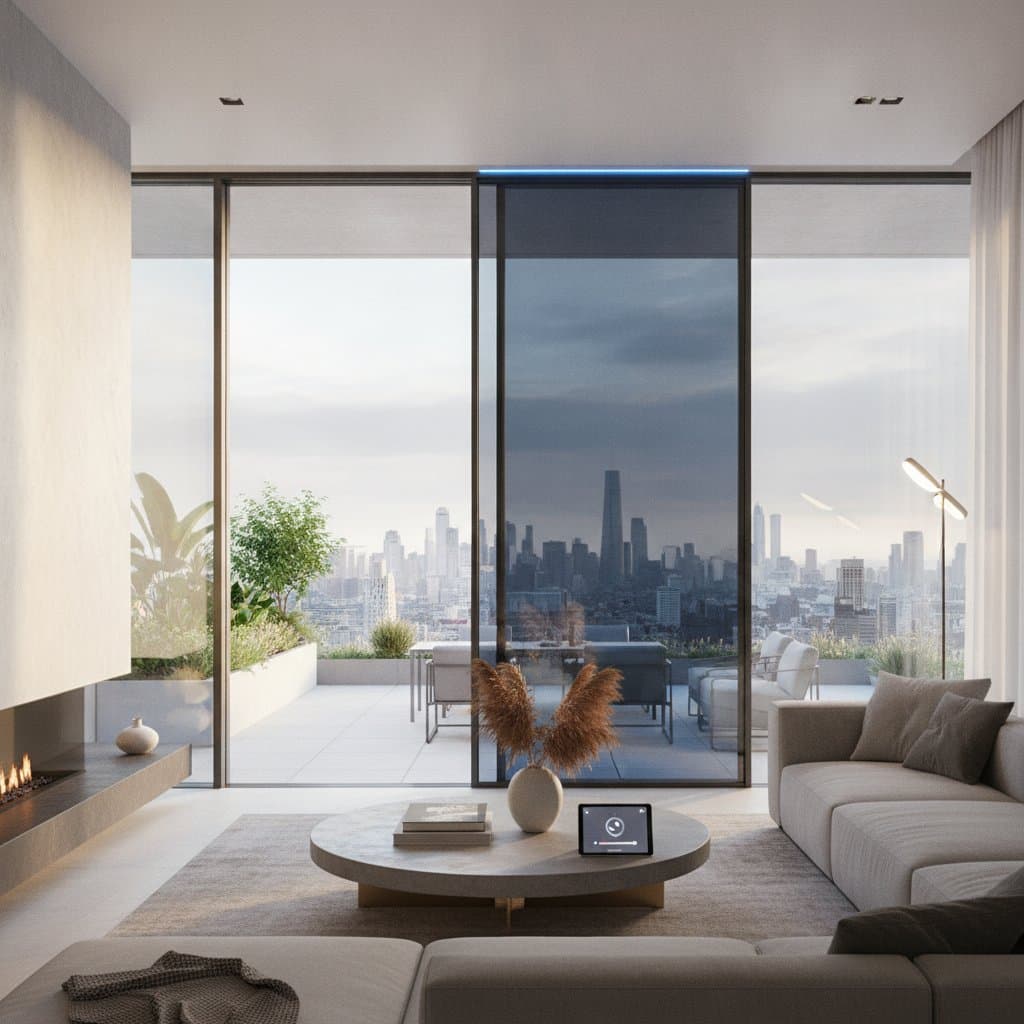
- Choose models that offer manual switches or app controls.
- Add low emissivity coatings and insulated frames to improve both energy performance and sound control.
Invest Approach ($20,000 - $40,000)
- Replace every exterior window with smart glass tied to a central home automation system.
- Include sensors that respond to temperature and sun angle without manual input.
- Select custom frame finishes that align with existing architectural details.
Material and Finish Selections
- Windows: Electrochromic panels shift from clear to deep blue gray. Aluminum or fiberglass frames keep sightlines slim and maintain strength.
- Doors: Smart glass inserts in entry and patio doors supply on demand privacy. Thermally broken frames in black or dark bronze create a consistent appearance.
- Siding: Soft gray fiber cement, natural cedar, or light stucco complements the glass transitions. Reflective surfaces should be avoided so they do not compete with the windows.
- Trim and accents: Matte black, charcoal, or warm bronze trim accentuates the cool tone of tinted glass. White or sand trim offers contrast when a lighter scheme is preferred.
Maintenance Requirements
Cleaning follows the same routine used for ordinary glass. Mild soap and soft cloths remove surface dirt. The tinting layer remains sealed inside the unit, so dust and moisture stay out. Systems operate for decades with little decline in performance. Professional checks every few years confirm reliable function. Power draw stays low, comparable to a small appliance.
Common Installation Errors to Prevent
- Ignoring orientation: Smart glass on shaded walls adds expense without energy return. Place units only on elevations that receive direct sun.
- Over tinting: Fixed dark tints can leave rooms dim. Select units with variable transmission levels to retain daylight.
- Skipping integration: Manual controls alone limit savings. Connect windows to HVAC sensors or automation platforms for full efficiency gains.
Color and Style Coordination
- Charcoal gray: Reinforces the modern appearance of tinted glass.
- Warm white: Offsets darker tones and brightens adjacent surfaces.
- Soft taupe: Suits traditional homes that need added warmth.
- Matte black: Creates sharp definition on contemporary facades.
- Natural wood stain: Introduces organic texture that balances the technology.
Pre Installation Documentation Steps
- Photograph all exterior elevations to map sun exposure.
- Note rooflines, trim dimensions, and siding textures.
- Review neighborhood guidelines and any HOA restrictions.
- Record local climate data on sunlight and temperature swings.
- Separate budget goals for energy performance from those for appearance.
Final Integration Steps
Electrochromic windows adapt to changing light conditions without added blinds. They lower demands on heating and cooling equipment while supporting overall architectural character. Thoughtful material choices and color planning produce exteriors that remain efficient and visually balanced over time.