Why Electrochromic Windows Will Transform Your Home
Smart home technology extends well beyond voice assistants and automated lighting. Electrochromic windows represent one of the most practical advances available to homeowners. These dynamic glass systems tint on demand and deliver control over light, privacy, and energy use that standard windows cannot provide. Homeowners seeking an upgrade that combines style and performance often find electrochromic windows deliver strong long-term value.
How Electrochromic Windows Function
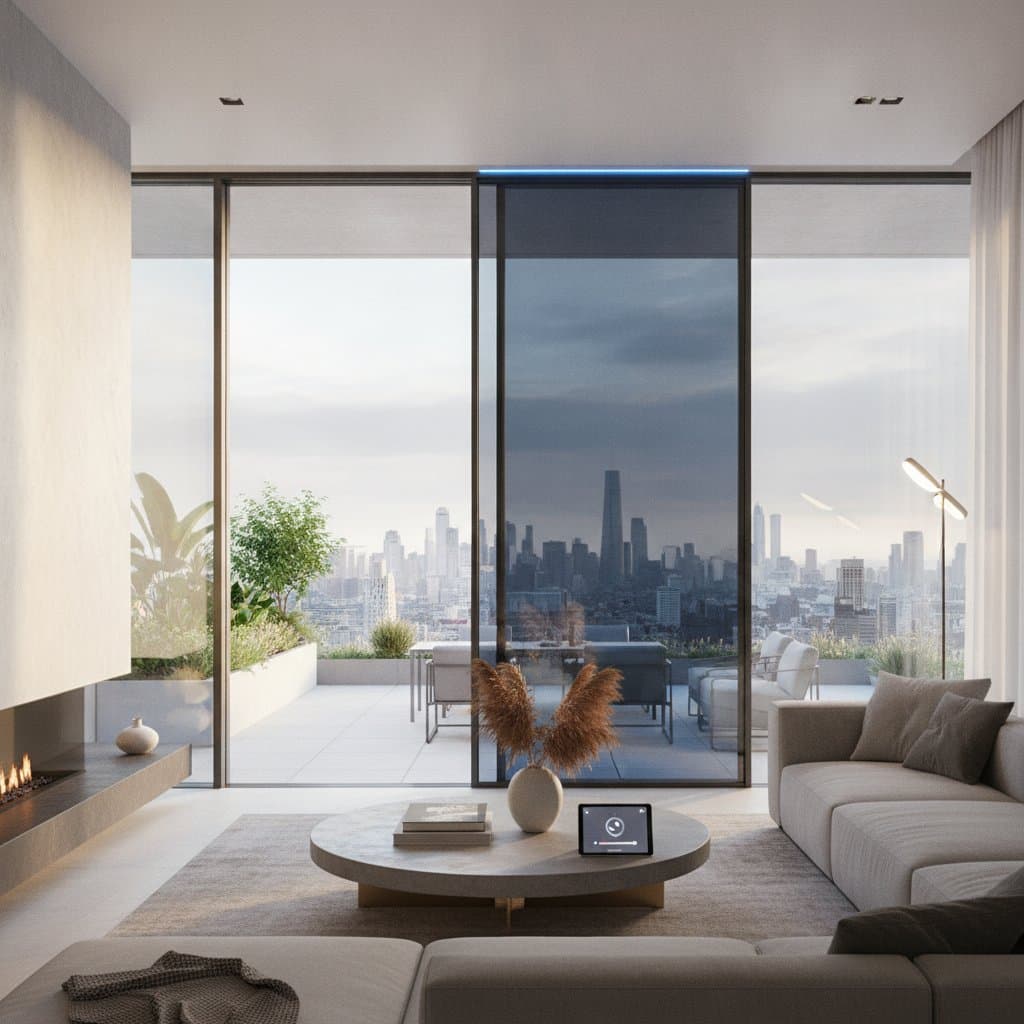
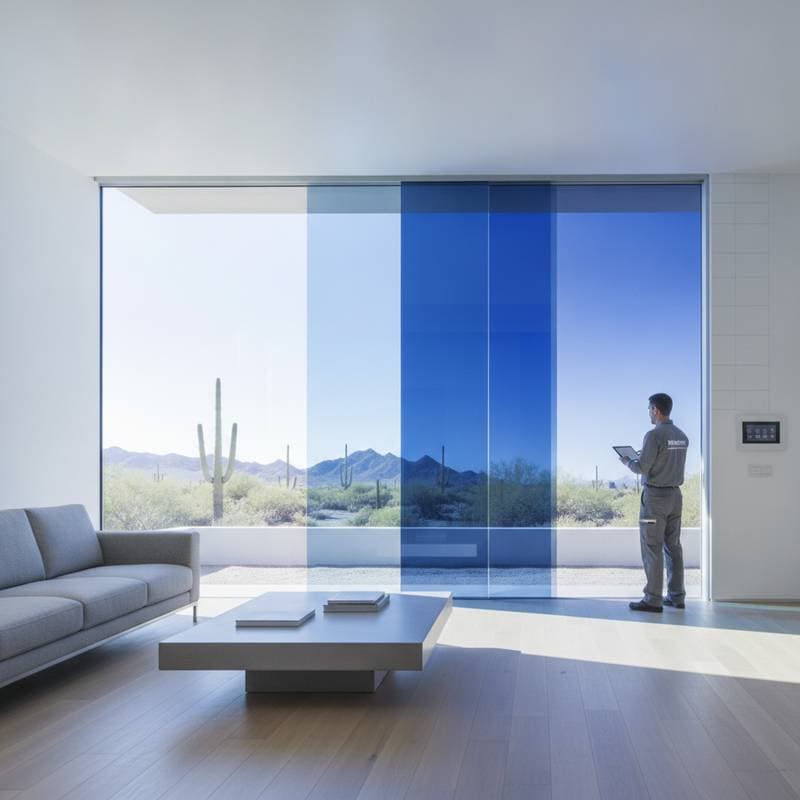
Electrochromic windows rely on a thin film coating that changes tint when voltage is applied. Adjusting the charge allows the glass to shift between clear and several darker levels. This process controls heat and glare without blinds or shades.
The system consists of conductive layers placed between glass panes. When activated, ions move within the coating and alter light transmission. Once the target tint is set, the window holds that state while drawing very little power.
Cost Ranges and Installation Steps
Smart glass carries a higher initial price than ordinary glazing, yet many owners conclude that energy savings and comfort gains justify the expense. Final costs depend on window size, glass specifications, and control options.
| Feature | Cost Range | Included Components |
|---|---|---|
| Electrochromic glass panels | $50 to $100 per square foot | Smart glass only |
| Full installation | $800 to $1,200 per window | Glass, framing, wiring, control system |
| Smart home integration | $200 to $600 per window | Sensors, automation setup |
| Maintenance and calibration | $150 to $300 per visit | Periodic system check and cleaning |
A typical residence project ranges from $10,000 to $25,000 depending on the number of windows. Adding automation increases the total.
Factors That Influence Price
Several elements determine overall cost:
- Glass area and shape. Larger or custom windows require more material and precise fabrication.
- Control system type. Manual switches cost less than app or sensor driven setups.
- Energy efficiency ratings. Higher performance coatings improve insulation but raise the price.
- Installation complexity. Older frames may need extra carpentry or electrical work.
- Brand and warranty. Premium manufacturers often supply longer coverage and smoother tint changes.
Contractor Michael Stevens of ClearView Smart Glass in Chicago noted that homeowners achieve the best results when they replace complete window units rather than attempting to retrofit existing glass.
Energy Performance and Climate Benefits
Electrochromic windows manage energy by adjusting tint according to sunlight intensity. They reduce glare and solar heat gain, keeping rooms cooler in summer and warmer in winter. Research indicates cooling costs can drop by up to 20 percent and heating costs by 10 percent in homes with large glass areas. Over time these reductions produce substantial utility savings, especially in sunny climates.
The glass also blocks ultraviolet rays that fade floors, furniture, and artwork.
Comparison With Alternative Glazing
| Technology | Cost Range (per sq. ft.) | Energy Efficiency | Maintenance | Light Control |
|---|---|---|---|---|
| Standard double pane | $10 to $20 | Moderate | Low | Fixed |
| Low E coated glass | $15 to $25 | High | Low | Fixed |
| Window film | $5 to $10 | Moderate | Periodic replacement | Partial |
| Electrochromic glass | $50 to $100 | Very high | Minimal | Fully adjustable |
The higher upfront cost is offset by adjustable tint levels and superior energy performance that static options cannot match.
Smart Home Integration
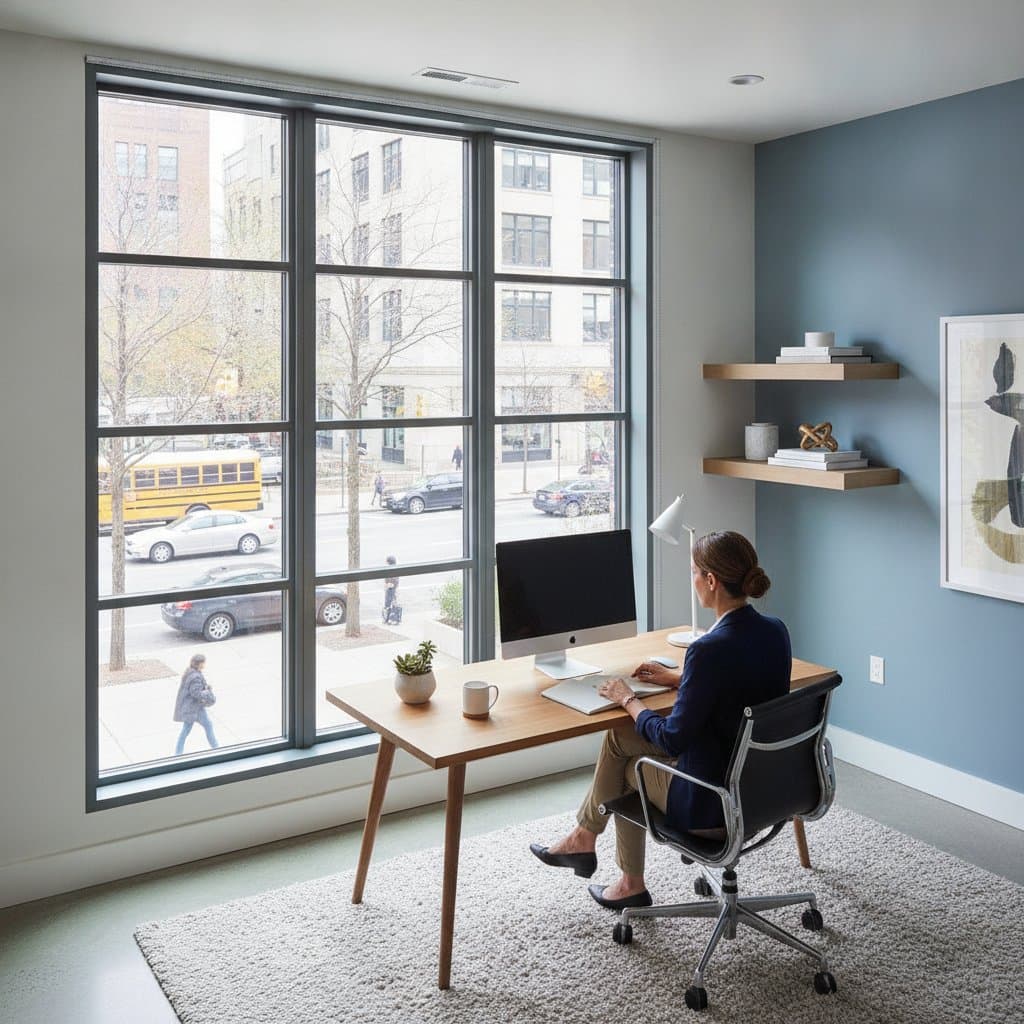
Electrochromic windows connect directly to home automation platforms. Sensors can trigger tint changes based on sunlight, temperature, or occupancy. Programming allows windows to darken automatically during peak sun hours and return to clear in the evening. Remote workers value the ability to reduce glare without leaving their workspace.
Design and Aesthetic Options
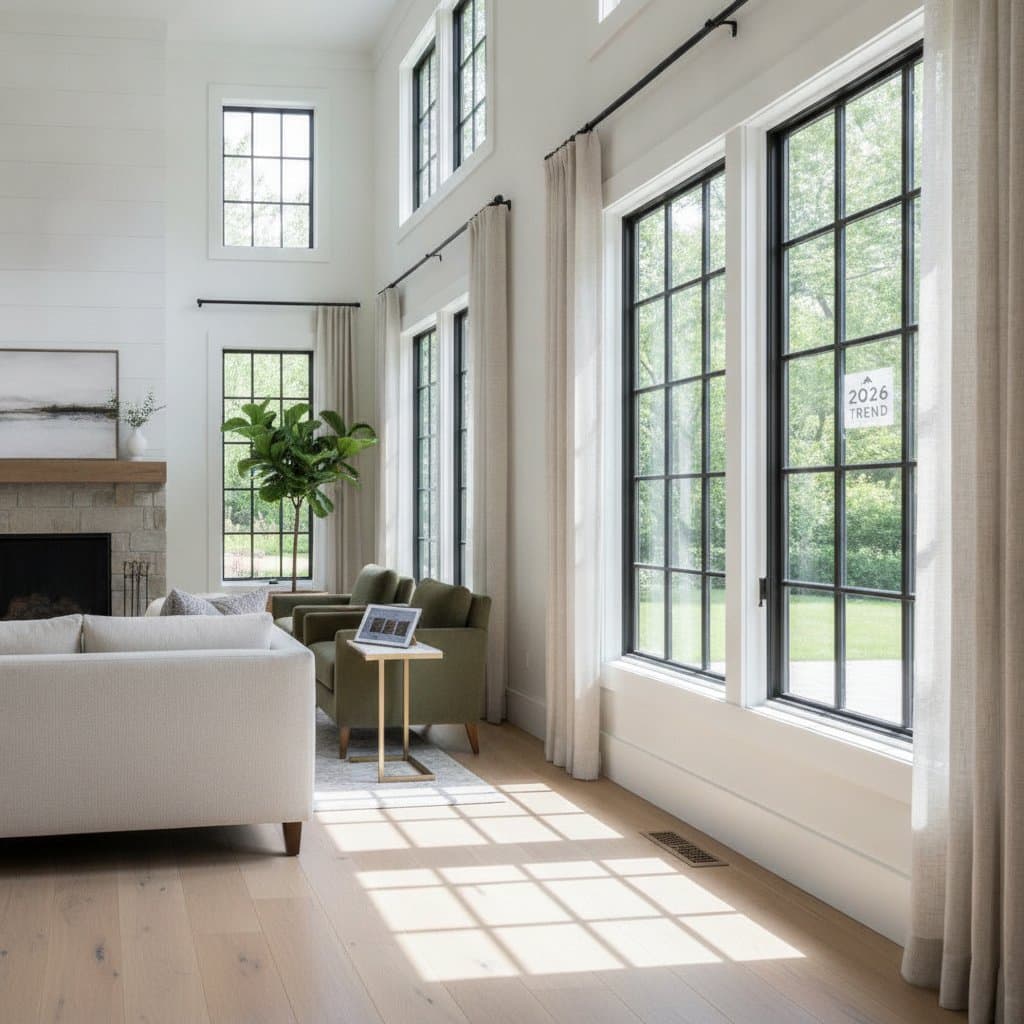
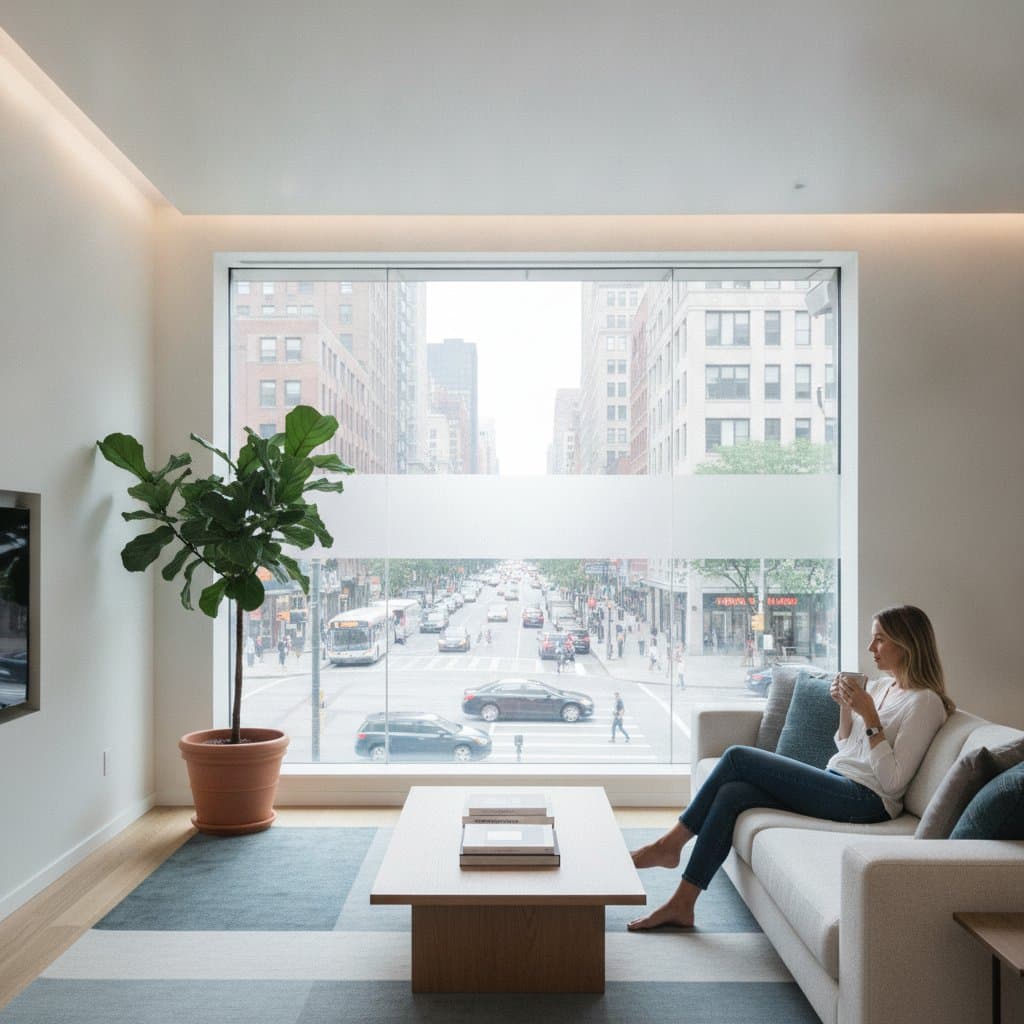
These windows support clean, minimalist interiors by eliminating the need for blinds or curtains. They suit open concept spaces, sunrooms, and entryways while preserving views and offering privacy on demand. Multiple tint levels and finishes allow the glass to complement both modern and traditional architecture.
Installation Timeline
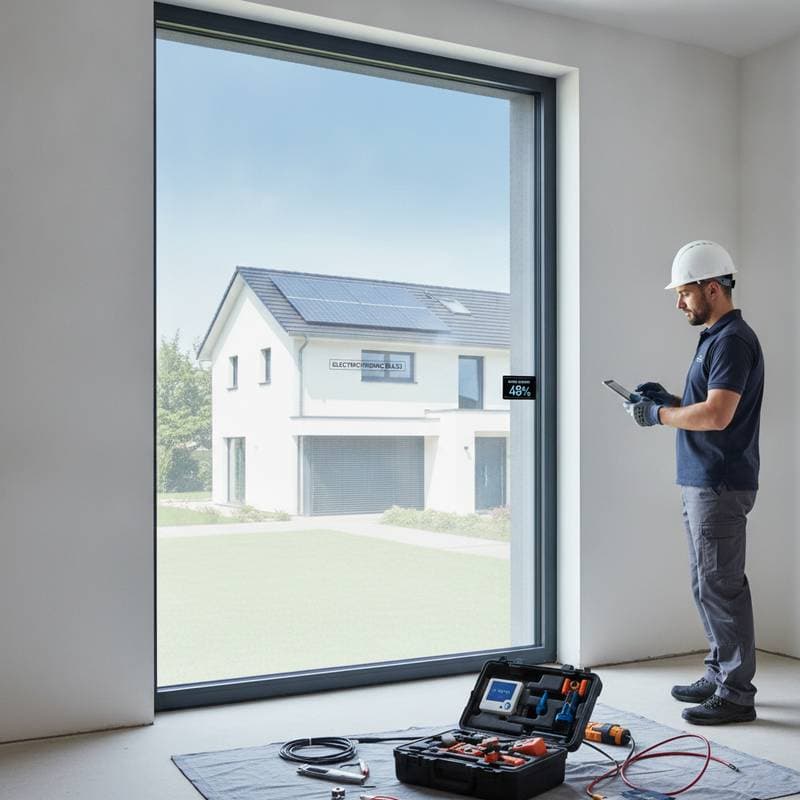
The process mirrors standard window replacement with added electrical work:
- Assessment and measurement of openings and wiring needs.
- Custom glass fabrication.
- Low voltage wiring installation.
- Unit mounting, sealing, and control connection.
- Tint calibration and system testing.
Most projects require two to three weeks from order to completion, with on site work lasting one to three days.
Maintenance Requirements and Service Life
The glass cleans with standard non abrasive solutions. Sealed internal layers prevent condensation or tint loss. Manufacturers rate the systems for 20 years or more of use. Electrical draw remains minimal, and the chosen tint holds even during power interruptions. Periodic inspections every few years confirm wiring and seal condition.
Comfort and Sustainability Gains
Electrochromic windows reduce reliance on artificial lighting and mechanical cooling. They stabilize indoor temperatures, limit glare near work areas, and help maintain consistent humidity. These improvements enhance daily living while lowering overall energy demand.
Points to Weigh Before Purchase
Key considerations include higher initial cost, the need for electrical supply, limited contractor experience in some regions, and a brief delay during tint transitions. Most owners report that comfort and efficiency benefits outweigh these factors.
Next Steps for Homeowners
Obtain detailed quotes from certified installers that separate materials and labor. Compare warranty terms and review integration options with existing smart home hubs. Prioritize high exposure windows first, then expand as budgets permit. Consistent cleaning and occasional checks will maintain performance for decades.