The $8K Electrochromic Windows That Actually Pay Off
Electrochromic windows adjust their tint through a small electric current. This technology lets homeowners manage sunlight and heat without blinds or shades. The typical installation costs around eight thousand dollars. Yet the long term returns in comfort and efficiency often justify the expense.
How Electrochromic Windows Function
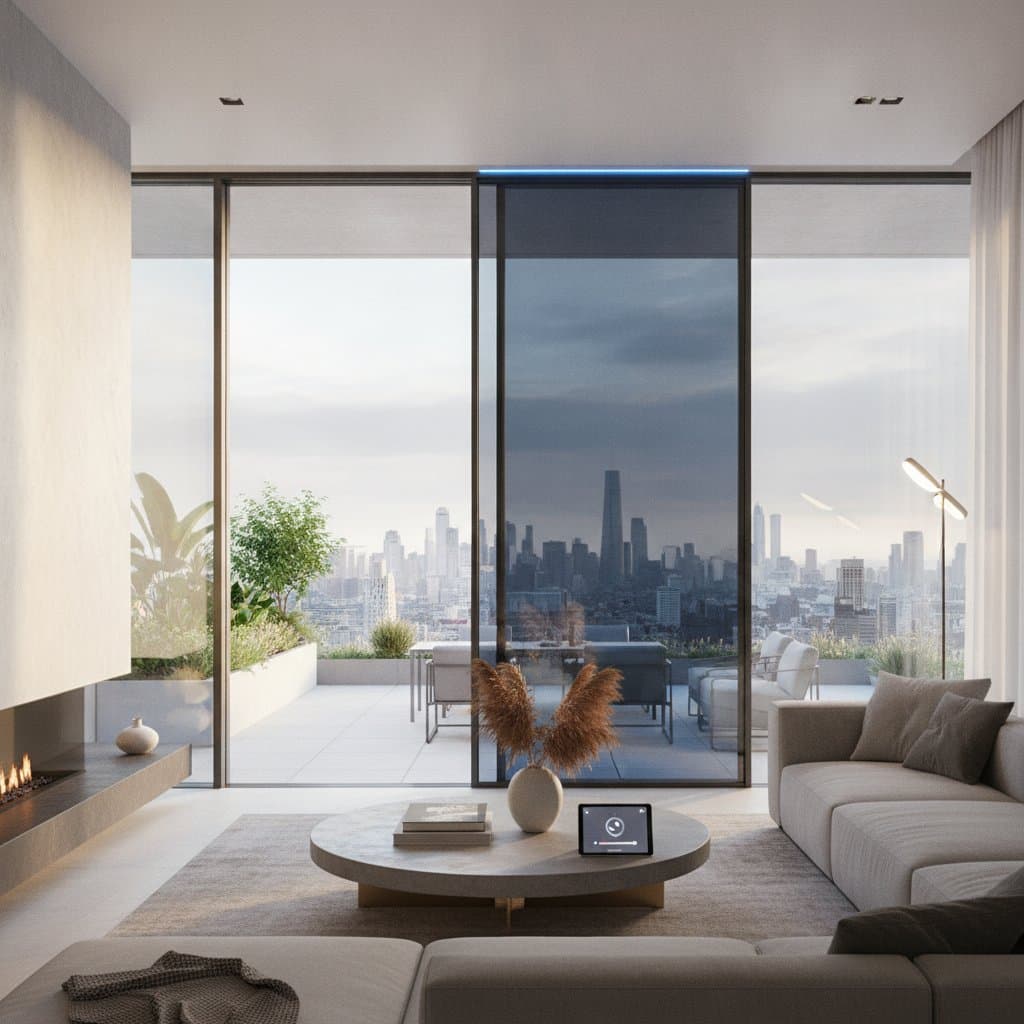
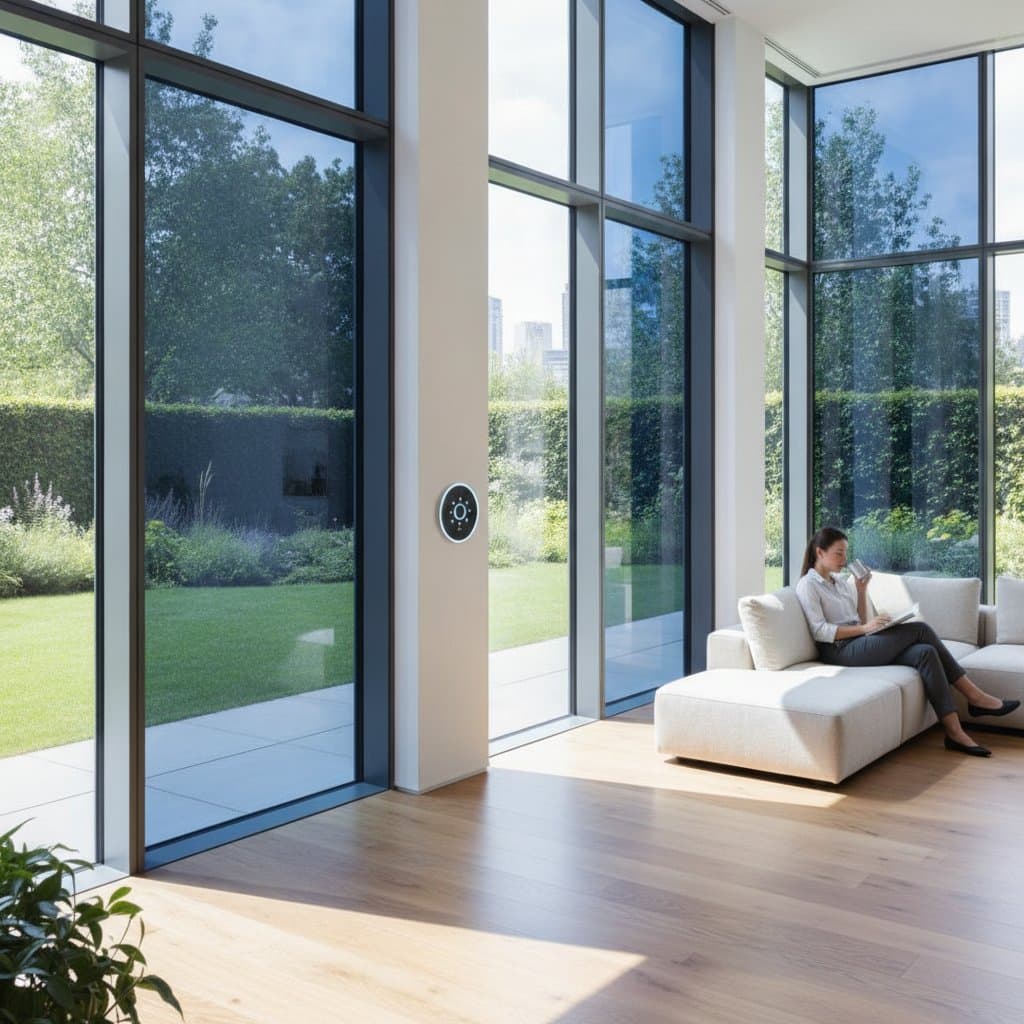
These windows contain thin film layers that shift ions when voltage is applied. The glass moves gradually from clear to tinted states. Controls include wall switches, remotes, or integration with home automation systems. The result removes the need for many traditional window coverings while protecting interiors from glare and fading.
Cost Comparison With Standard Options
Standard double pane windows offer basic performance at low cost. Low emissivity glass improves insulation at moderate expense. Electrochromic units require higher initial investment but deliver extended lifespan and minimal maintenance. Their value appears in lower energy use and greater resale appeal for tech focused buyers.
| Option | Initial Cost | Lifespan | Maintenance | Best For |
|---|---|---|---|---|
| Standard double pane | Low | Long | Easy cleaning | Basic efficiency |
| Low E coated glass | Moderate | Long | Occasional cleaning | Improved insulation |
| Electrochromic smart glass | High | Very long | Minimal | Energy savings and comfort |
Energy Performance Across Climates
In warm regions the tinted state reduces solar heat gain and air conditioning loads. In cooler areas the clear state allows passive heating during winter months. Automated adjustments throughout the day maintain steady indoor temperatures. Households also report lower lighting costs because controlled daylight remains usable longer.
Daily Comfort Advantages
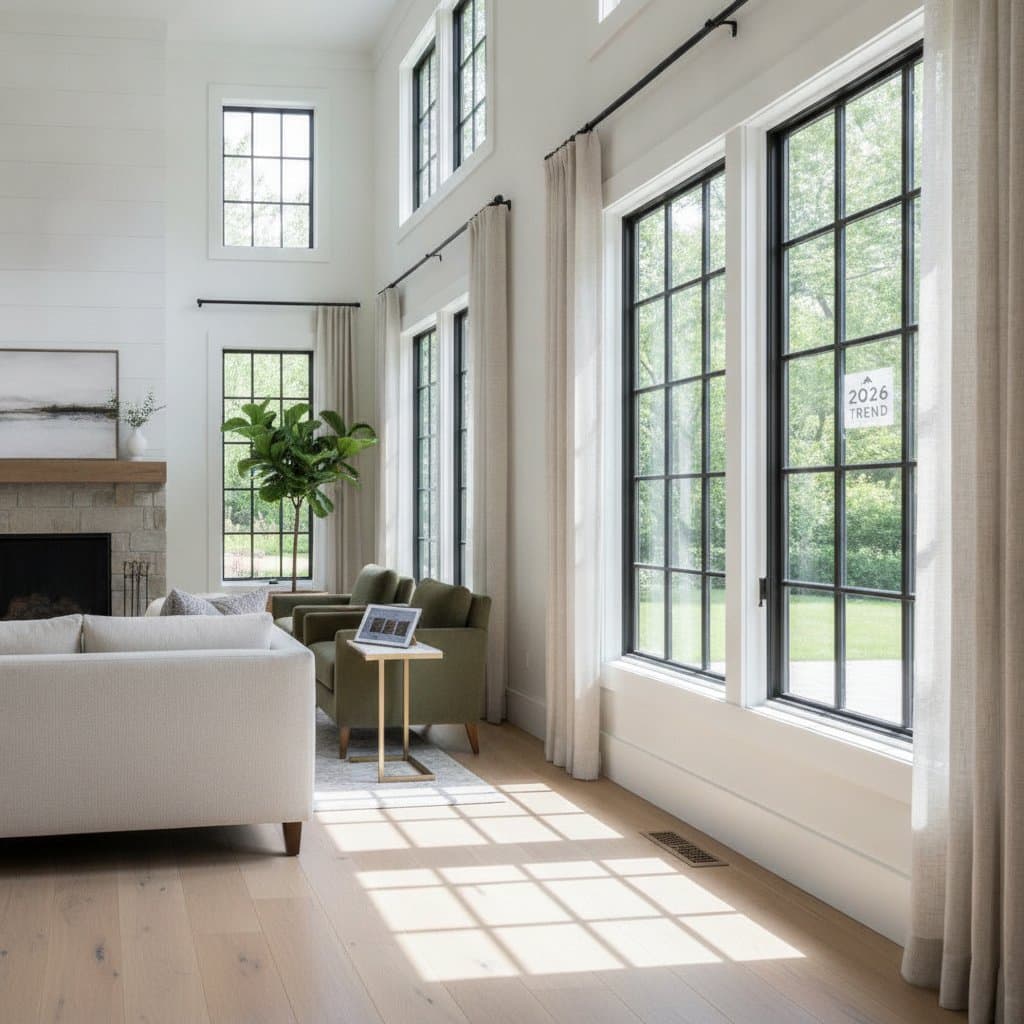
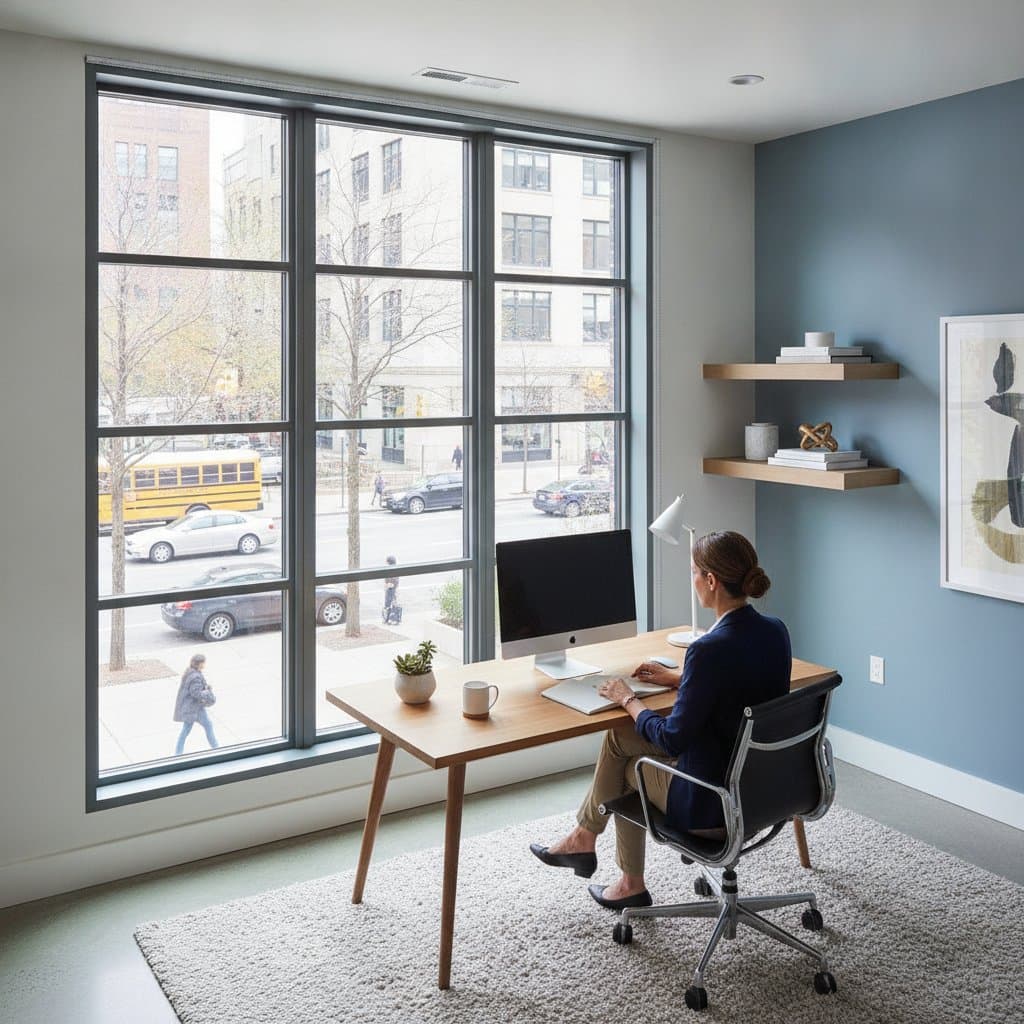
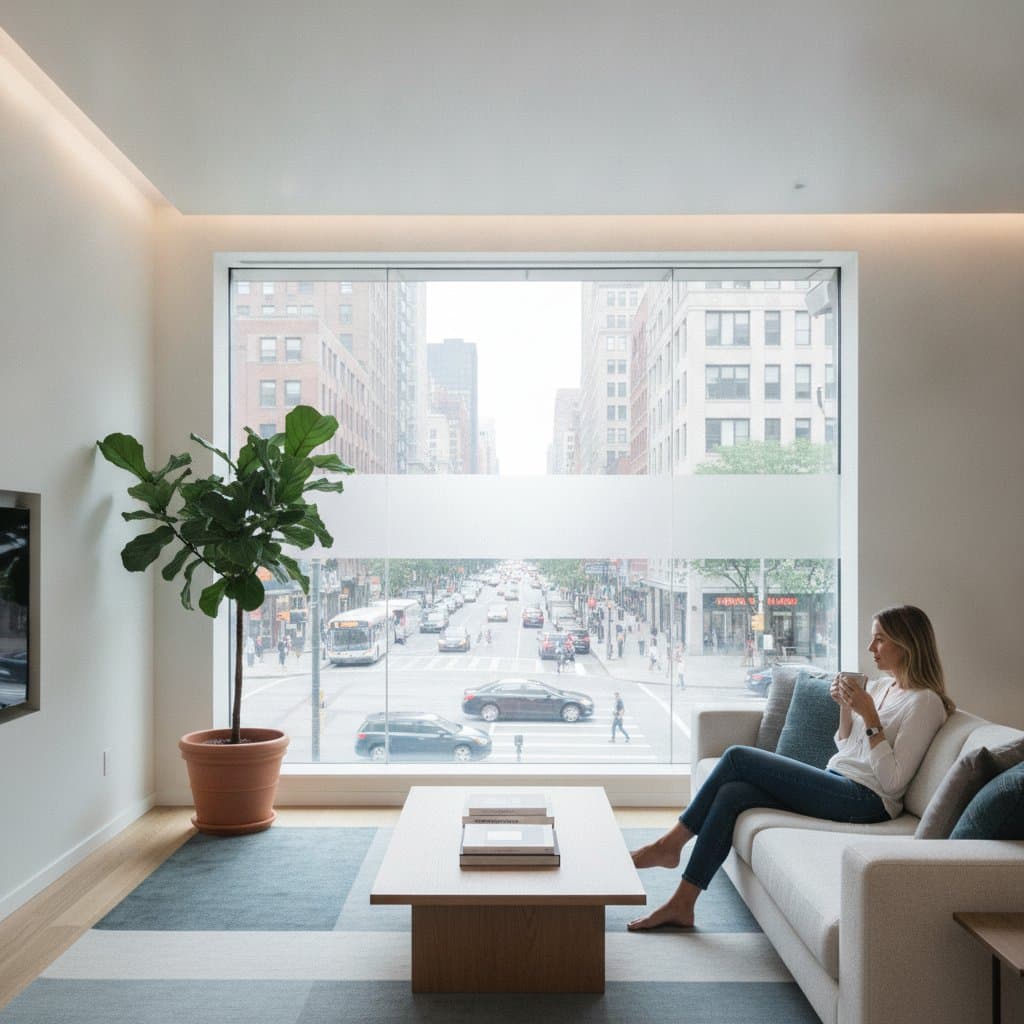
Large windows stay comfortable without harsh glare or overheating. Smooth tint transitions preserve natural light levels. Privacy increases on demand while outward views remain visible. These features suit living rooms, home offices, and bathrooms where flexible light control improves daily routines.
Professional Installation Steps
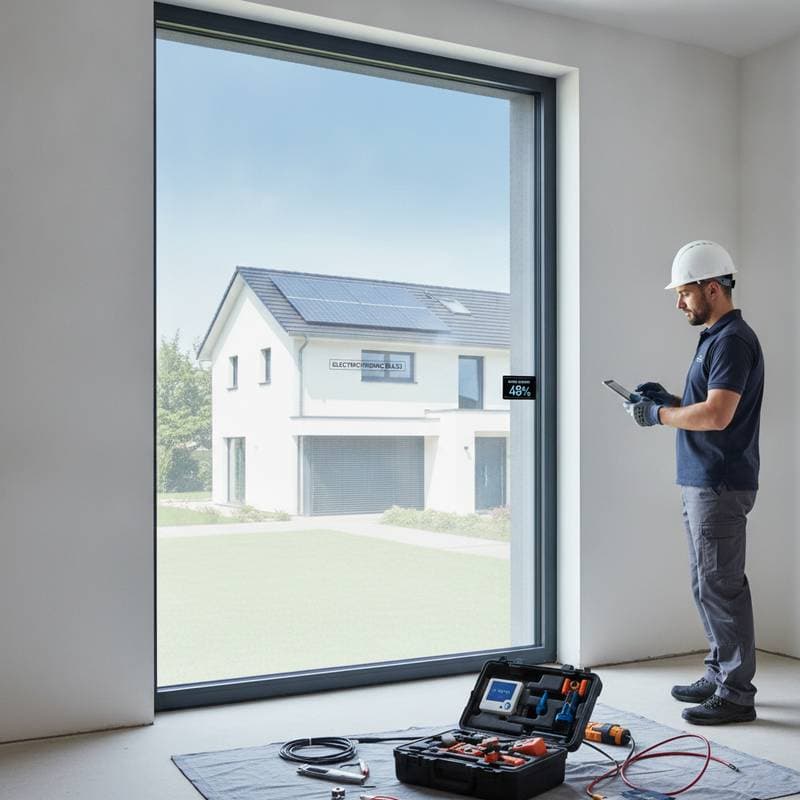
- Assess window locations for heat gain and privacy needs.
- Plan electrical routing to each unit.
- Remove old frames and prepare openings.
- Fit new units and connect wiring.
- Test all tint levels and seals.
- Train users on manual and automated controls.
Proper installation hides all wiring and preserves clean architectural lines.
Maintenance Requirements
Routine cleaning with mild solutions keeps surfaces clear. Electronic layers stay sealed against moisture and dust. Occasional software updates may apply for connected systems. Warranties typically cover both glass and electronics for extended reliability.
Payback Through Multiple Benefits
Reduced HVAC operation forms the primary saving. Furniture and flooring last longer due to ultraviolet control. Natural daylight decreases artificial lighting needs. Enhanced comfort and modern features support higher resale value. Together these elements make the initial outlay recover over the system lifespan.
Selecting the Right Configuration
Full panels suit sunrooms and south facing spaces with maximum exposure. Partial installations work well in kitchens or offices where only certain windows need control. Private rooms benefit from tinting that replaces heavy treatments. Contractors experienced with smart glass help match options to existing electrical systems and home layouts.
Final Considerations for Homeowners
Electrochromic windows now represent a practical upgrade rather than an experimental feature. They combine efficiency, comfort, and design in one solution. Thoughtful selection and professional installation ensure the investment supports both immediate livability and long term property value.