Electrochromic Glass: Achieving Savings from $8000 to $2000
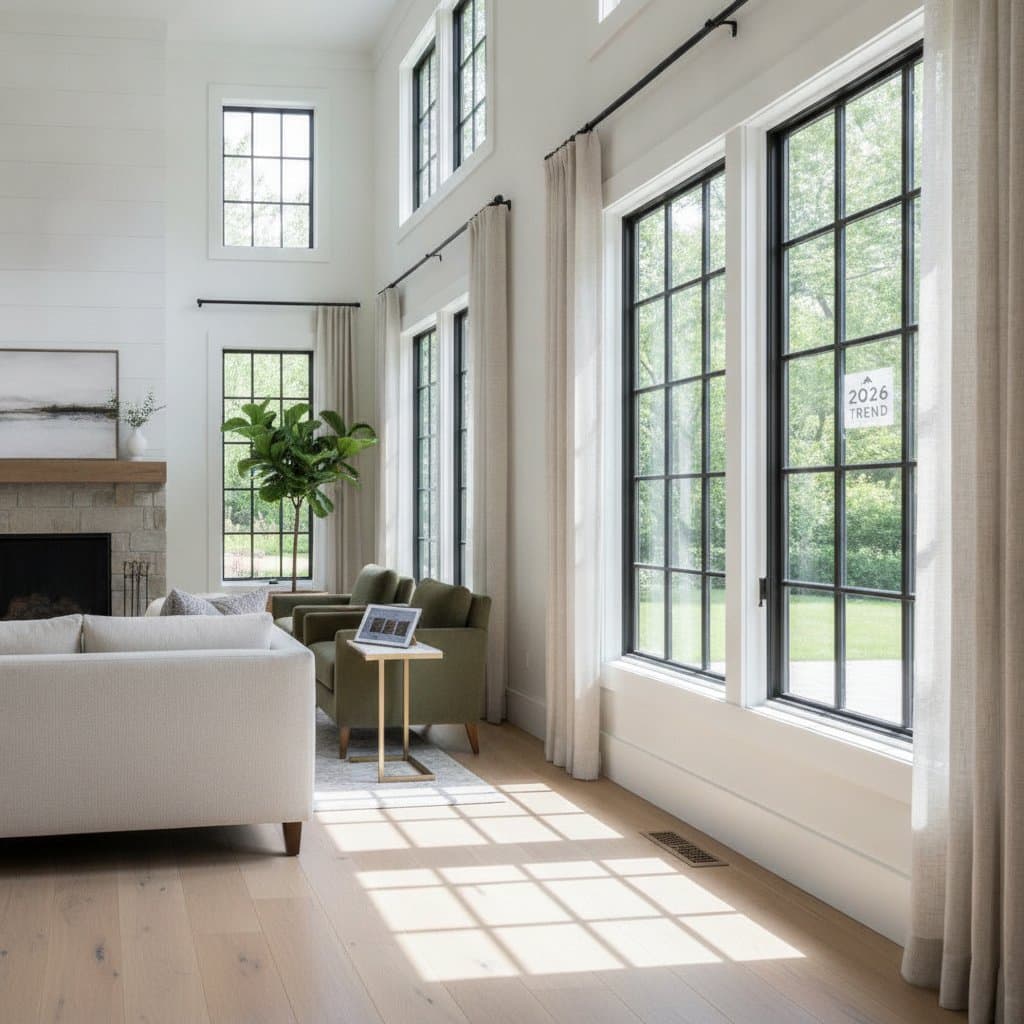
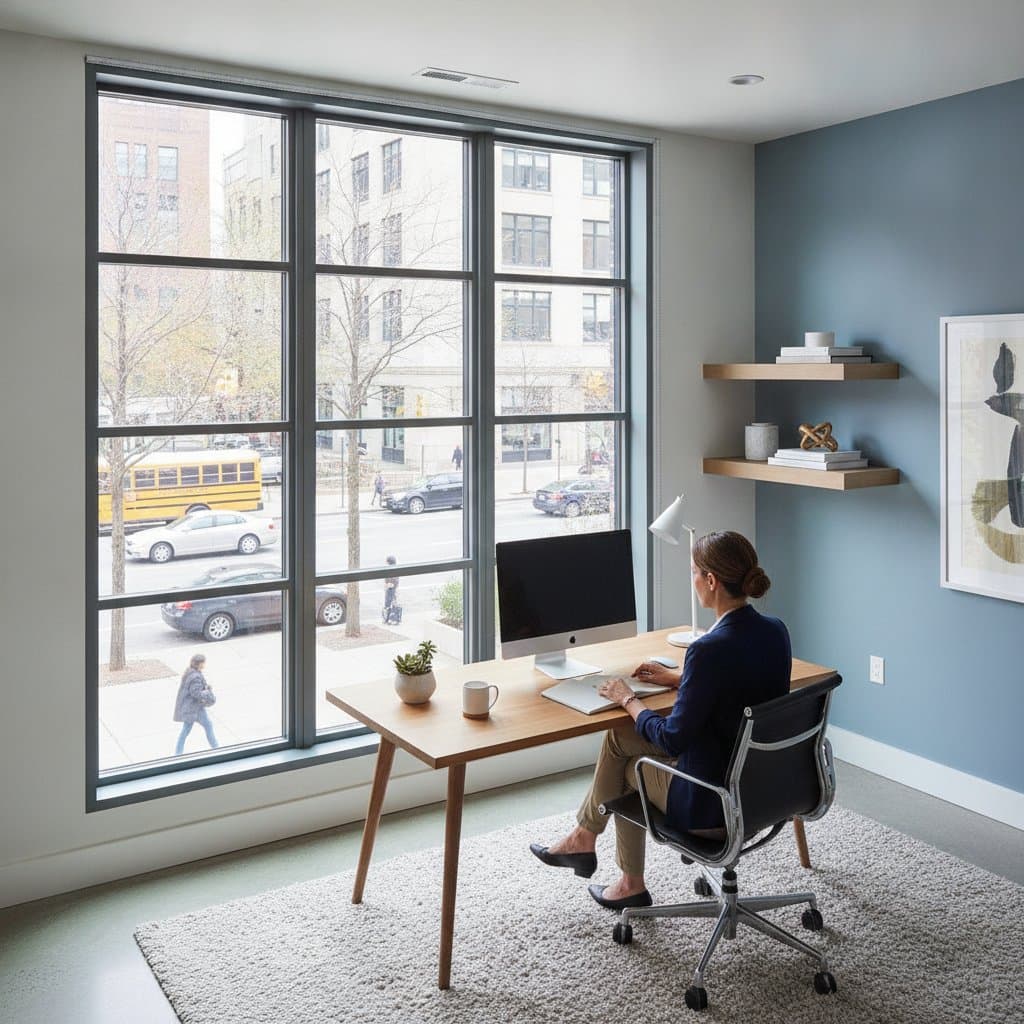
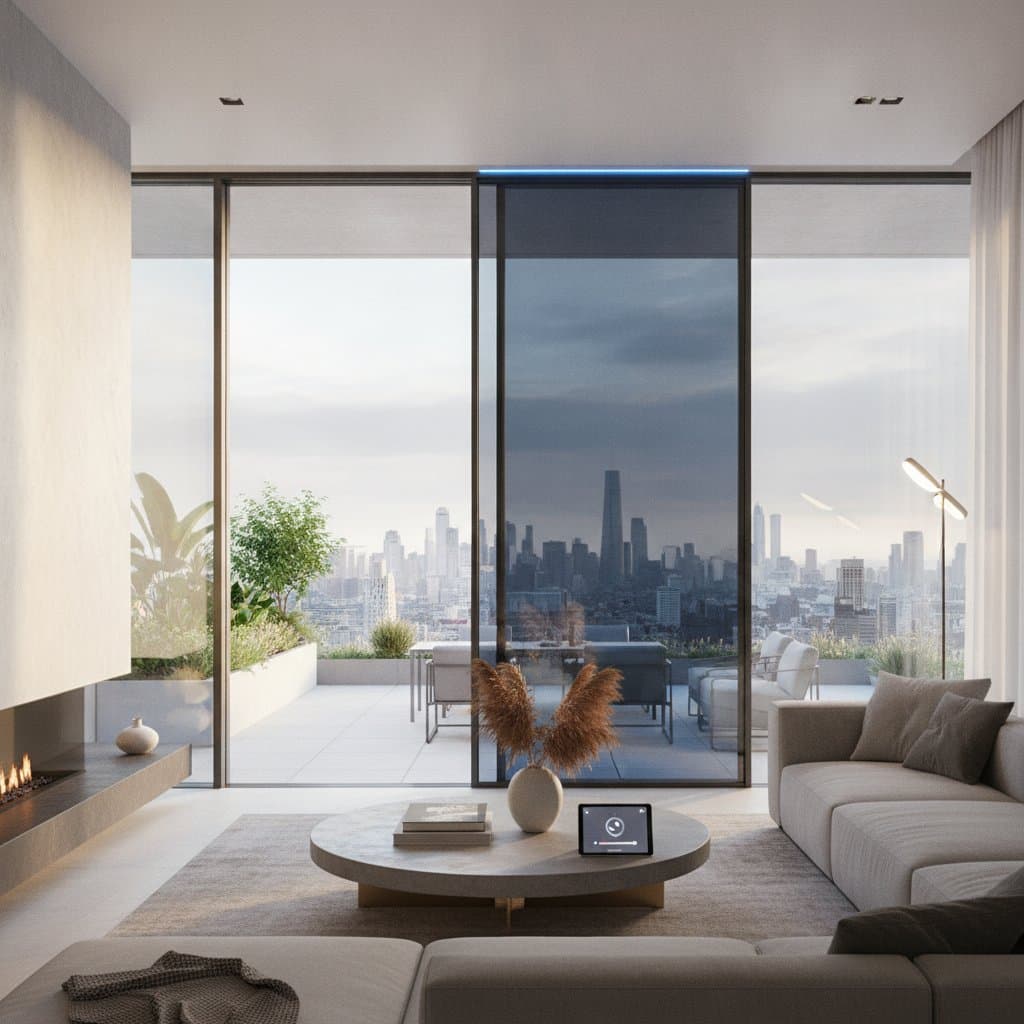
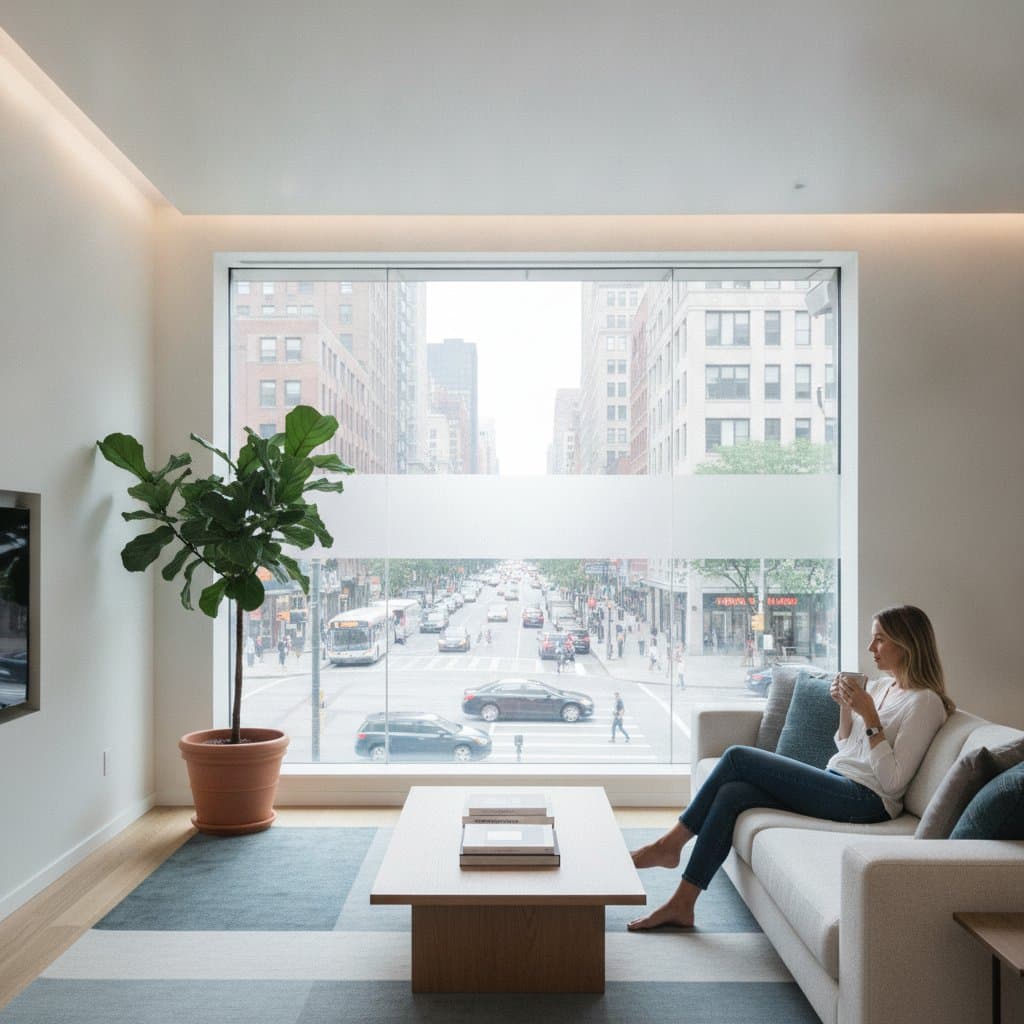
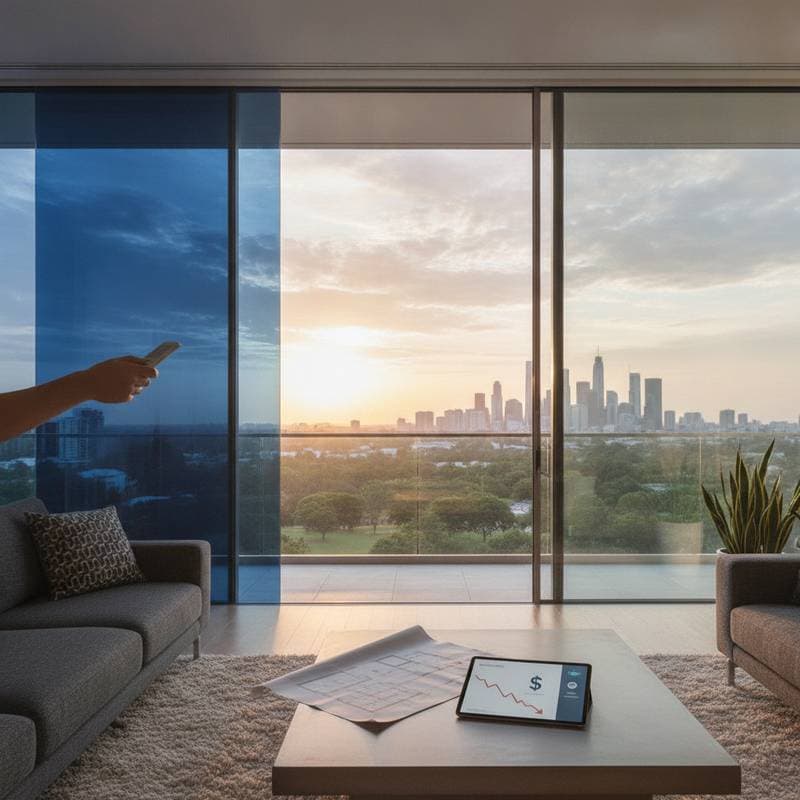
Smart home technology extends beyond lights, thermostats, and security systems. Electrochromic glass, also known as smart glass, allows windows to adjust tint levels automatically in response to sunlight. This adjustment reduces glare and heat gain while preserving outward views. Homeowners find that upgrades to electrochromic windows improve both appearance and long term efficiency. An investment previously priced near $8000 now reaches completion for approximately $2000 based on size and configuration.
The technology balances visual appeal with practical performance. It supports minimalist architectural styles and delivers measurable reductions in energy use.
Cost Approaches for Installation
Save Approach ($1500 to $3000)
- Select adhesive electrochromic film for application over existing double pane windows.
- Target southern or western exposures first to address peak solar gain.
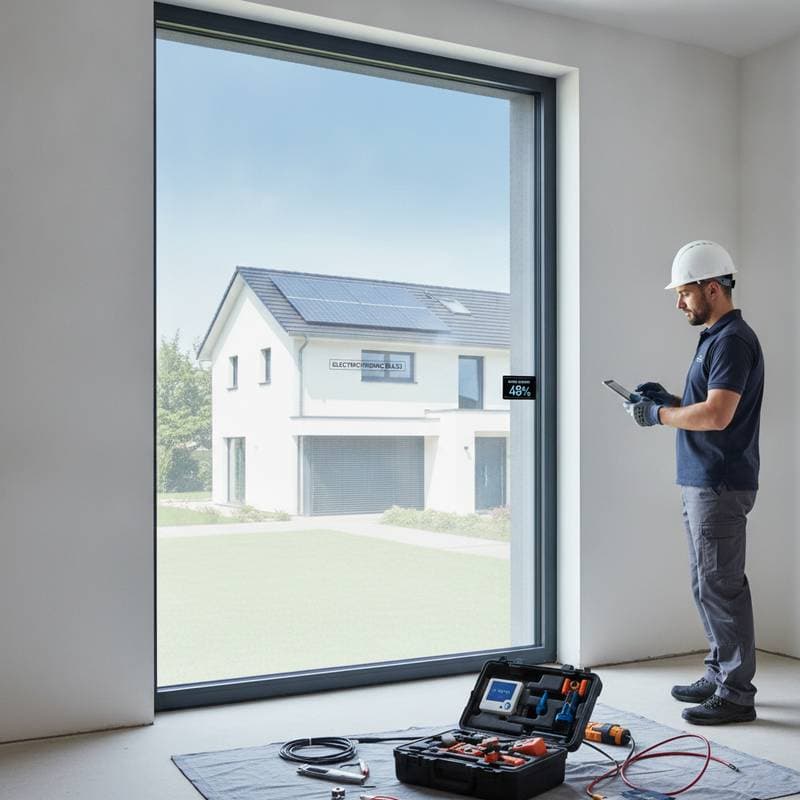
- Allocate funds toward professional wiring and sensor integration for reliable response.
Mid Range Approach ($3500 to $6000)
- Install factory sealed electrochromic units in primary living spaces only.
- Add low emissivity coatings and argon gas fills to improve insulation.
- Connect controls to an existing home automation platform for scheduled adjustments.
Invest Approach ($6500 to $10000)
- Specify full architectural grade systems with aluminum or composite frames.
- Include multiple tint zones along with coordinated skylights or doors.
- Expect reduced HVAC operation, ultraviolet protection, and stronger resale value over time.
Material and Finish Selections
Choose between retrofit films or complete factory units for windows. Matte black or brushed nickel frames create a contemporary appearance. Dark bronze finishes complement wood siding. Entry doors and patio doors receive matching electrochromic inserts with hardware in satin black or aged brass. Smooth fiber cement panels or vertical board and batten siding in light gray or sand beige maintain exterior brightness. Crisp white trim highlights window outlines without visual conflict.
Maintenance Requirements
Sealed electrochromic units need only nonabrasive cleaning. Electronic components remain protected inside the glass layers. Retrofit films require careful initial wiring to prevent moisture intrusion. No exposed moving parts exist, and power consumption stays minimal. Homeowners report lower long term upkeep compared with conventional blinds or shades.
Installation Errors to Prevent
Avoid excessive dark tint across all exposures, which can darken interiors. Pair smart glass exclusively with insulated, warp resistant frames. Request post installation sensor calibration for consistent tint performance. Add battery backup or solar integration to maintain operation during power interruptions.
Exterior Color Coordination
Select finishes that remain attractive in both clear and tinted states. Window frames work well in matte black or warm bronze. Siding in light gray, bone white, or driftwood beige provides balance. Accent doors in deep navy or natural wood tones add contrast. Brushed stainless or blackened steel details complete the palette.
Performance Advantages Across Climates
Electrochromic systems respond to environmental conditions while preserving design integrity. Energy models indicate substantial cooling load reductions in warm regions. In cooler areas the glass stays clear to capture passive solar heat. This adaptability suits most climate zones.
Phased Budget Planning
Manufacturing advances have lowered costs from $8000 installations to $2000 retrofit options. Begin with south facing living areas or kitchen windows that experience the greatest glare. Expand to additional zones after confirming performance and satisfaction. Phased implementation controls expenses while achieving a unified appearance.
System Integration Methods
Connect electrochromic windows to lighting and climate controls for automatic tint adjustments. Coordinated responses to interior light levels reduce reflections. Pairing with energy efficient doors and insulated siding strengthens overall building performance.
Pre Project Documentation Steps
Photograph current exterior conditions from multiple angles before contractor meetings. Note architectural style, neighborhood guidelines, and solar exposure patterns. Define budget limits and priority zones to guide decisions.
Long Term Home Benefits
Electrochromic glass adapts interior light and temperature without additional window treatments. Coordinated doors and siding produce a consistent modern envelope. The technology delivers comfort, efficiency, and visual refinement at a now accessible investment level.