How Electrochromic Windows Reduce HVAC Costs by Up to 50 Percent
Energy efficiency in residential settings extends beyond basic insulation or programmable thermostats. Electrochromic windows, commonly referred to as smart glass, represent a sophisticated upgrade that combines aesthetics with performance. These windows adjust their tint automatically in response to sunlight levels, which regulates indoor temperatures and eases the burden on heating, ventilation, and air conditioning systems. Homeowners typically observe HVAC expenses decrease by approximately 50 percent, thanks to the integration of cutting-edge materials and everyday usability.
The Mechanics of Electrochromic Windows
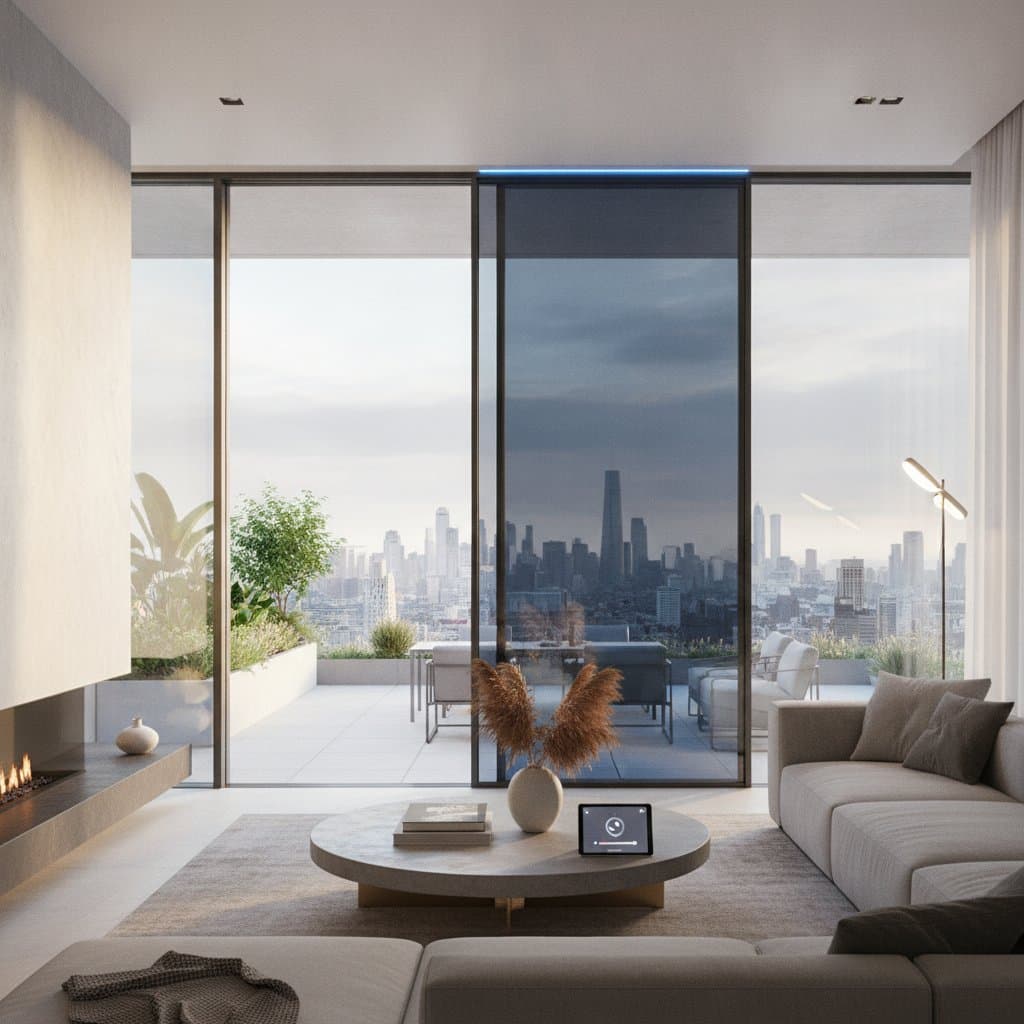
Electrochromic windows feature a thin coating that alters the glass transparency upon application of an electrical current. This change from clear to tinted occurs in mere minutes, varying by model specifications. The effect reverses easily, with options for automation or manual control via switches or integrated smart home platforms.
This capability enables precise management of solar heat. In intense sunlight, the windows tint to block excess glare and heat influx, maintaining cooler interiors. In milder conditions, they clear to permit natural warming from the sun. Unlike fixed films or mechanical shades, electrochromic glass responds in real time to environmental shifts, fostering stable indoor climates with little user intervention.
Quantifying Energy Savings and Financial Benefits
Conventional windows contribute substantially to heat loss or gain within a home's structure. Such fluctuations compel HVAC units to operate more intensively, elevating energy consumption and equipment strain. Electrochromic windows counteract this by modulating solar radiation actively.
When sunlight strikes ordinary glass, infrared rays penetrate and elevate surface temperatures inside. Tinted electrochromic layers intercept up to 90 percent of this infrared energy, which can lower room temperatures by 5 to 10 degrees Fahrenheit. Consequently, air conditioning cycles shorten, and heating demands lessen during winter as clear modes capture passive solar warmth. Overall, these dynamics yield savings of up to 50 percent in HVAC energy usage, influenced by regional weather patterns and architectural features.
Evaluating Window Technologies
| Option | Initial Cost | Lifespan | Maintenance | Ideal Application |
|---|---|---|---|---|
| Standard Double-Pane | Low | 15-20 years | Basic cleaning | Fundamental comfort enhancements |
| Low-E Coated Glass | Moderate | 20-25 years | Infrequent cleaning | Moderate energy improvements |
| Electrochromic Glass | High | 25-30 years | Cleaning plus system checks | Optimal thermal regulation |
Electrochromic options demand greater upfront spending, yet their enduring advantages frequently justify the expense. Lower utility payments, superior comfort, and prolonged HVAC durability accumulate substantial returns. Long-term residents particularly benefit from this investment strategy.
Enhancing Daily Comfort and Design
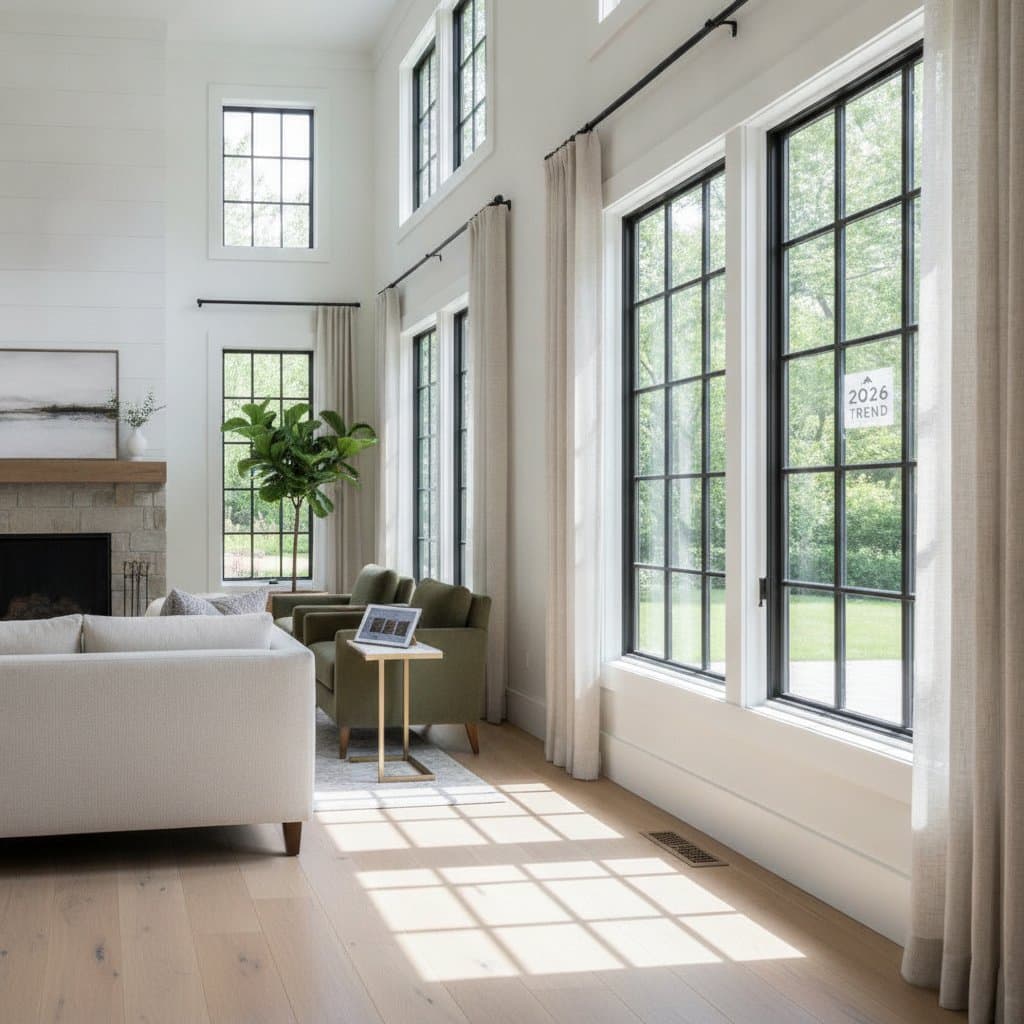
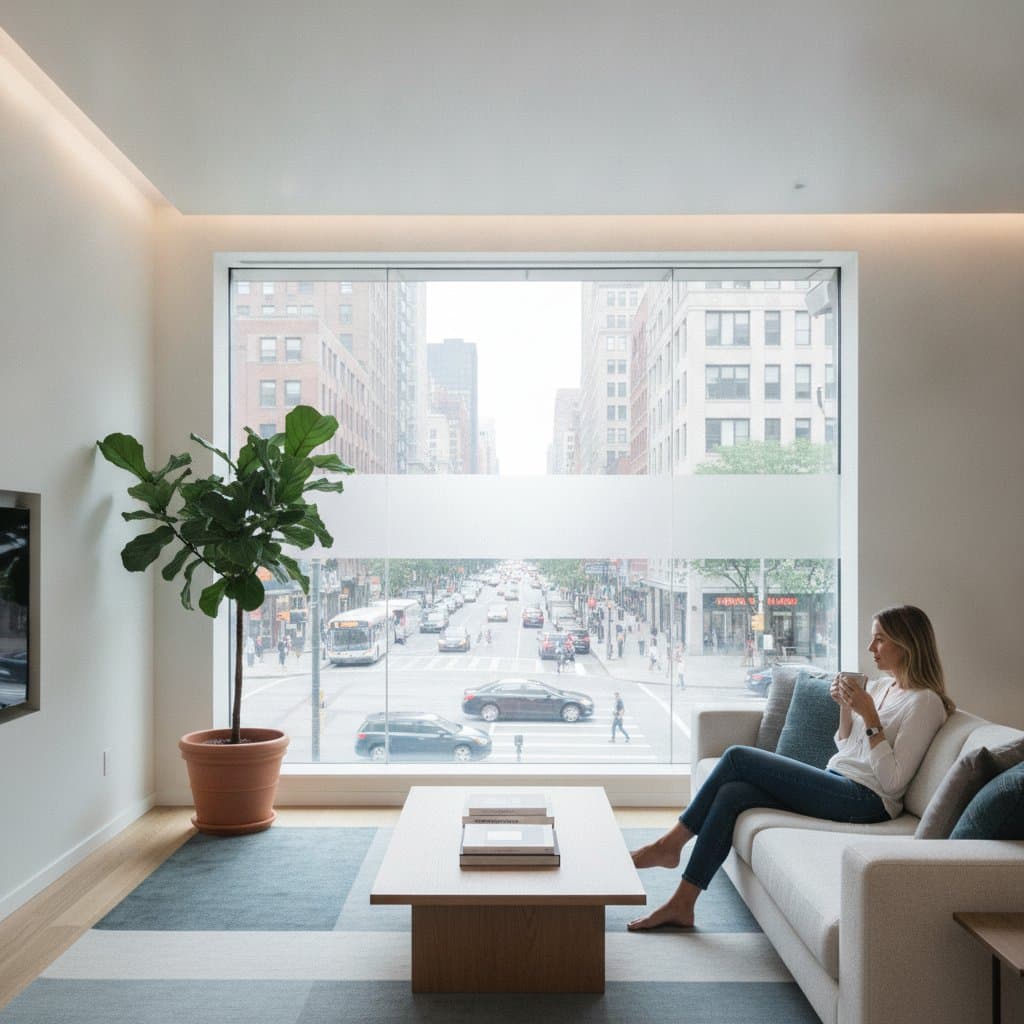
Beyond temperature management, electrochromic windows elevate living experiences through reduced glare and preserved views. They offer privacy without obstructing light, freeing up space from bulky drapes or blinds. The subtle, cord-free operation appeals to those seeking modern, unobtrusive features.
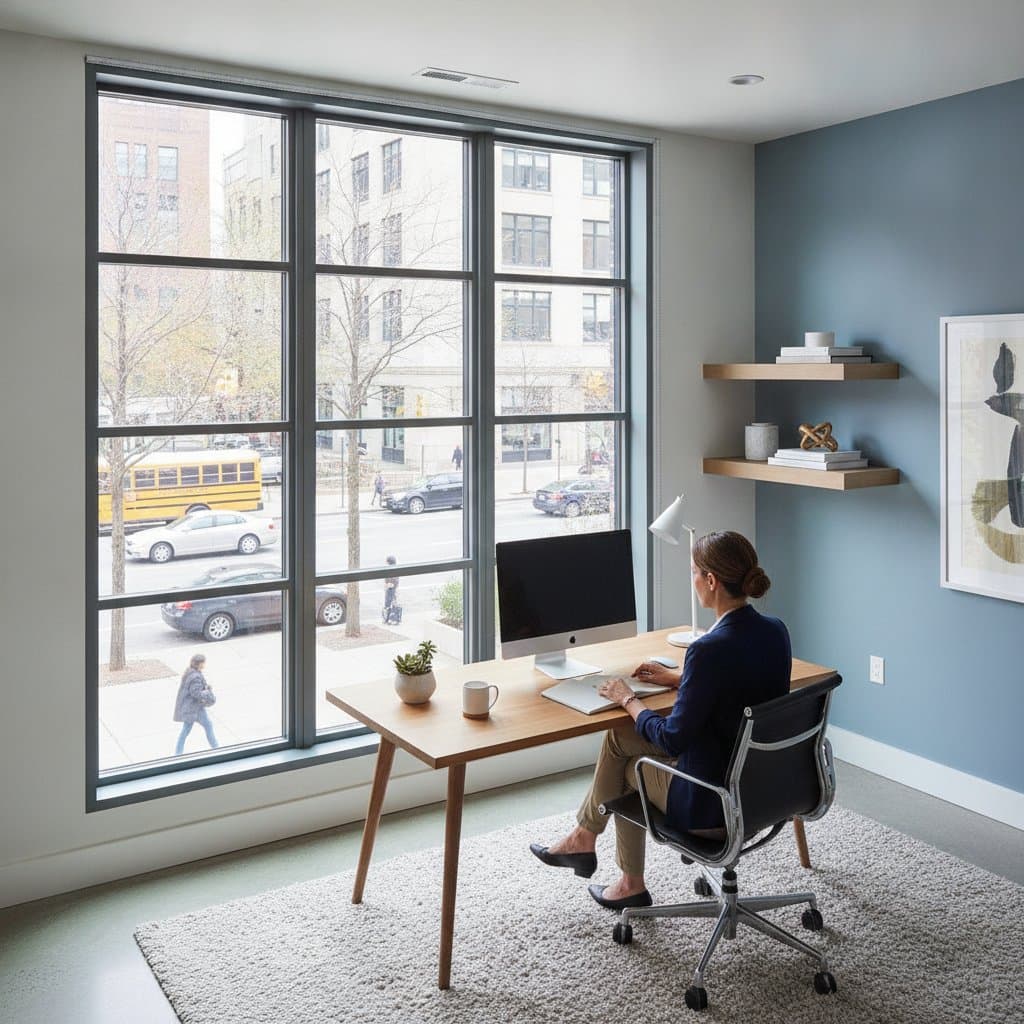
These windows synchronize with household rhythms. For instance, they allow morning light into communal areas for gentle warmth while dimming afternoon rays in workspaces to prevent distractions. Such versatility supports lifestyles that balance relaxation with environmental awareness.
Adapting to Regional Climates
The effectiveness of electrochromic windows varies by location. In sun-drenched, warm areas, cooling reductions prove most pronounced. Temperate zones gain from daytime heat capture and nighttime retention, optimizing overall efficiency.
This technology aligns with broader sustainability efforts by curtailing dependence on non-renewable energy sources for climate control. Operation requires negligible power; state changes draw brief low-voltage pulses, and tinted states hold without ongoing energy. These attributes complement eco-friendly construction standards and certification programs.
Steps for Installation and System Integration
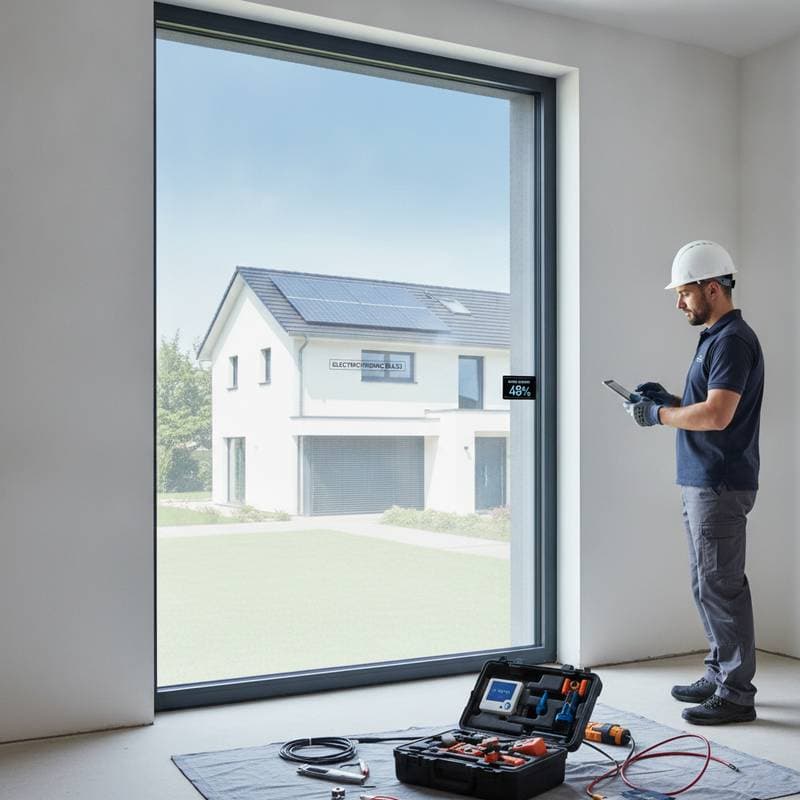
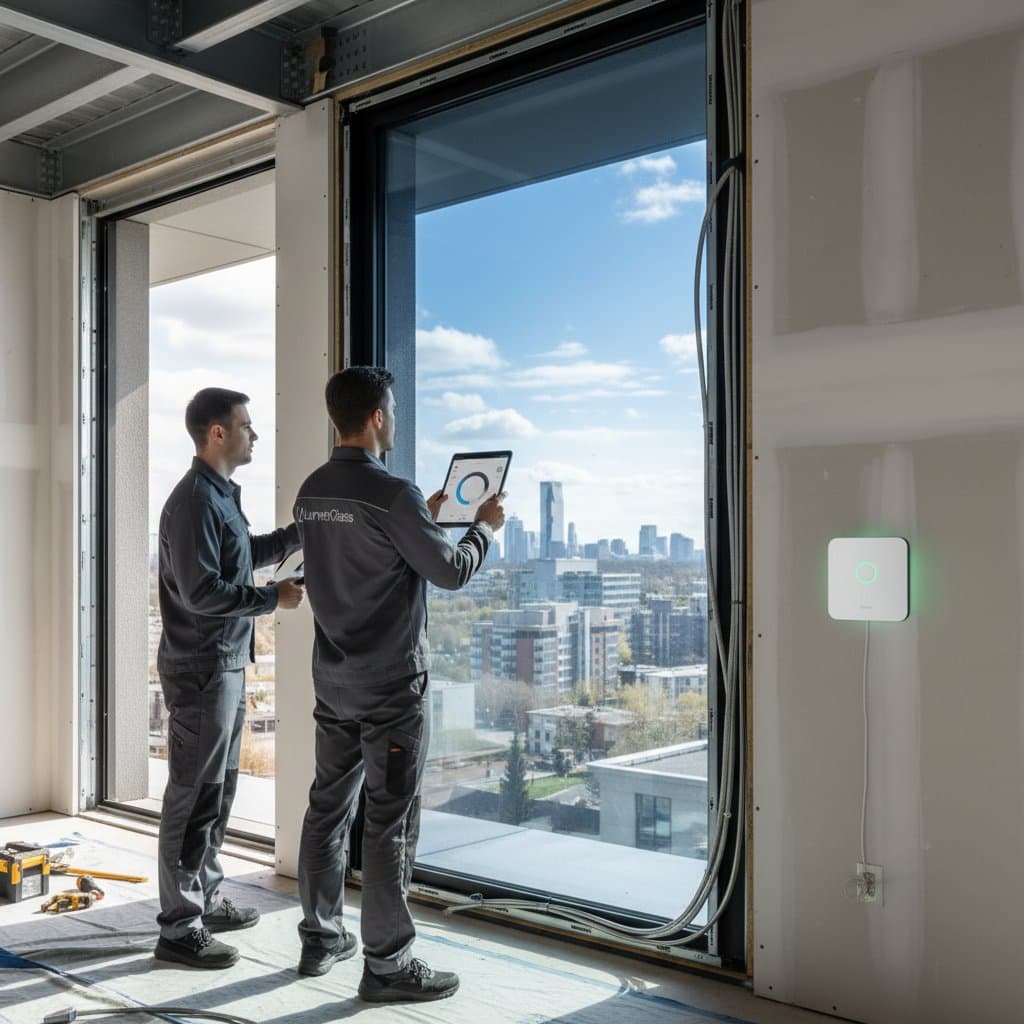
Professionals handle electrochromic window installations in both new builds and retrofits, adhering to established protocols with added electrical provisions.
- Site Assessment: Experts evaluate window placements, dimensions, and frame integrity to estimate savings and ensure fit.
- Wiring Preparation: Routes for electrical connections link panels to controllers or home automation networks.
- Core Installation: Glazing units secure in place, seals prevent air leaks, and power connections enable tint functions.
- Testing Phase: Functionality verifies even tinting, airtightness, and seamless automation linkage.
- Final Orientation: Instructions cover usage, upkeep, and scheduled inspections for owners.
Certified installers manage the blend of glazing and electronics to guarantee safety and performance. Professional involvement proves essential, as self-installation risks compromising system integrity.
Upkeep and Durability Expectations
Maintaining electrochromic windows mirrors standard glass care, using non-abrasive cleaners to preserve coatings. Internal electronics shield against environmental hazards like humidity. Regular inspections of connections and controls sustain reliability.
These systems endure for 25 to 30 years with gradual performance retention. Sealed designs ward off common issues such as fogging or yellowing. Additionally, UV blocking safeguards interior elements like carpets and artwork from color degradation.
Key Variables Affecting Performance
Savings potential hinges on multiple factors:
- Orientation: South- or west-facing exposures maximize gains from solar management.
- Insulation Quality: Robust building envelopes amplify smart glass impacts.
- Local Weather: Extreme variations or strong sun yield superior results over stable conditions.
- Occupancy Habits: Frequent thermostat tweaks or remote work heighten benefits.
- Architectural Scale: Expansive glazing areas underscore the value of dynamic control.
Selecting and Implementing Your Upgrade
Decide on electrochromic windows by weighing finances, local conditions, and aesthetic goals. Partial upgrades in high-impact zones like sunrooms offer targeted gains without comprehensive overhauls. Full implementations ensure uniform efficiency and visual harmony.
Solicit contractor quotes detailing labor, wiring, and integrations. Confirm warranties encompassing glass and electronics. Explore compatibility with current smart devices for effortless control.
Realizing Long-Term Value
Electrochromic windows deliver ongoing rewards through sustained energy reductions and enhanced livability. Homeowners gain not only financial relief but also a responsive environment that adapts to needs. This upgrade positions residences for future-proof efficiency and comfort.