Smart Glass Exteriors: Electrochromic Windows Redefine Energy Efficiency
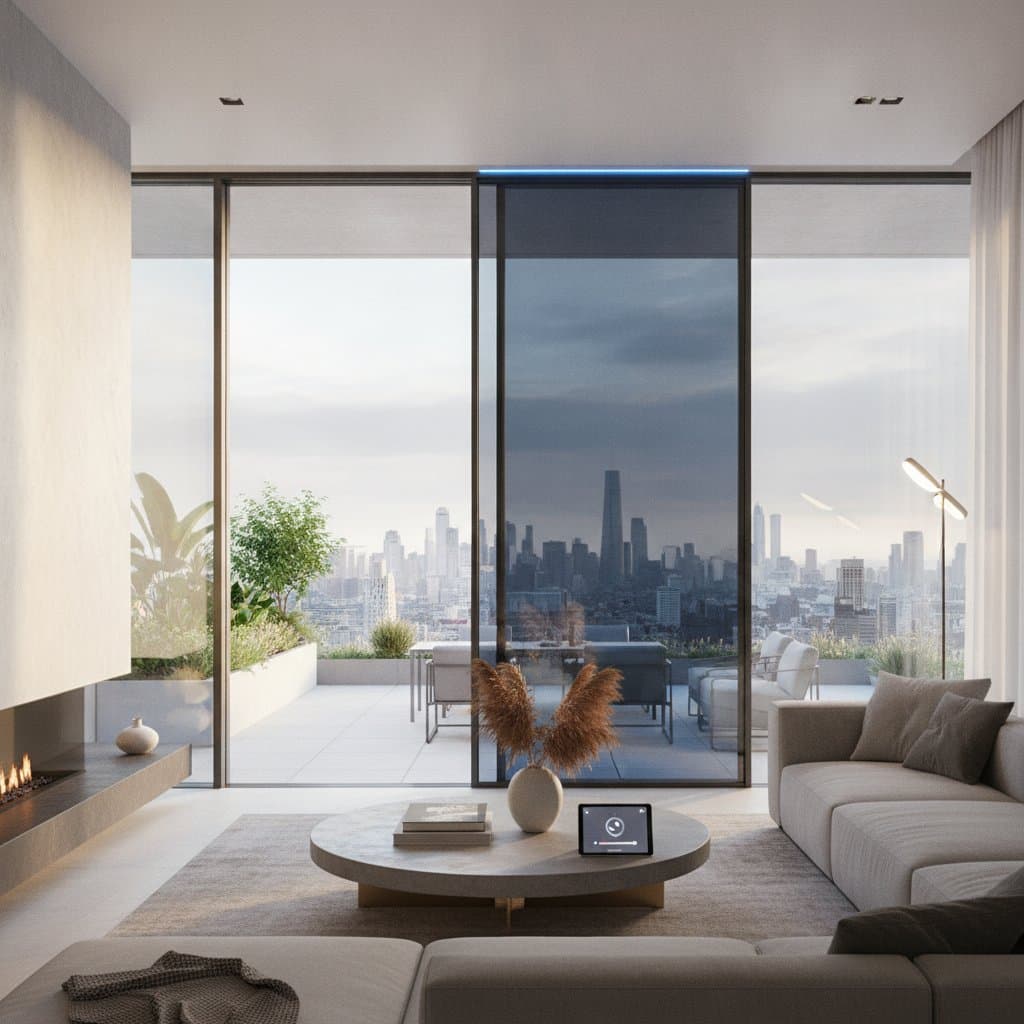
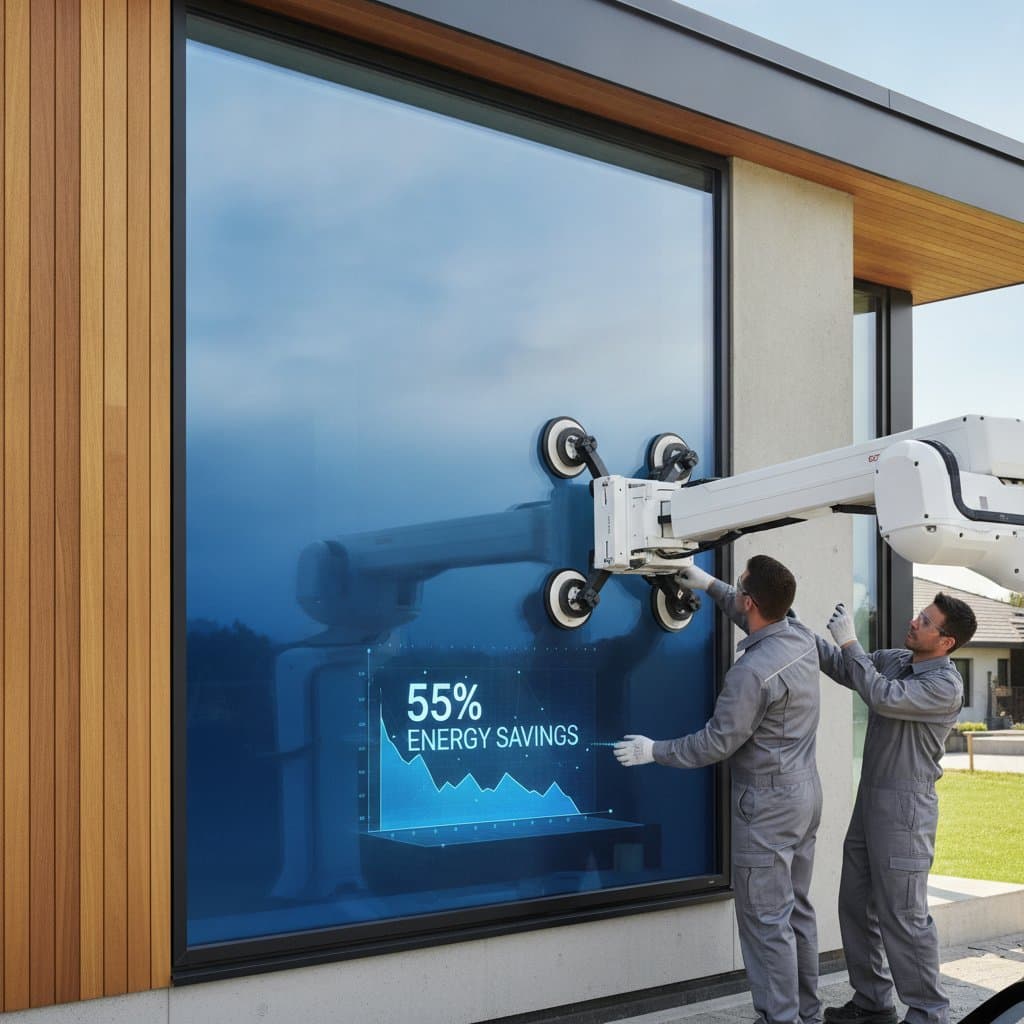
Electrochromic windows, often called smart glass, represent a shift in exterior design that combines visual appeal with measurable performance gains. These windows adjust their tint automatically to manage sunlight. This reduces demands on heating and cooling systems while lowering overall energy expenses by more than half.
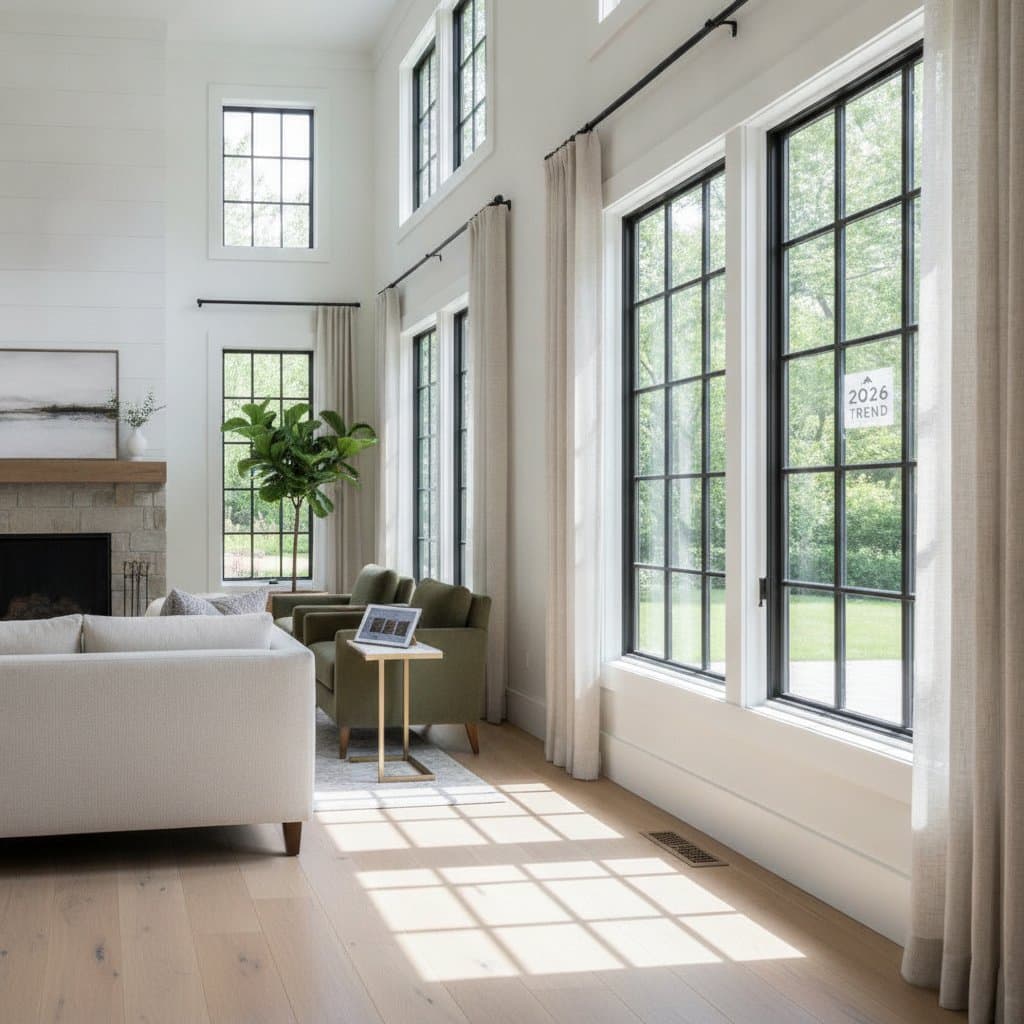
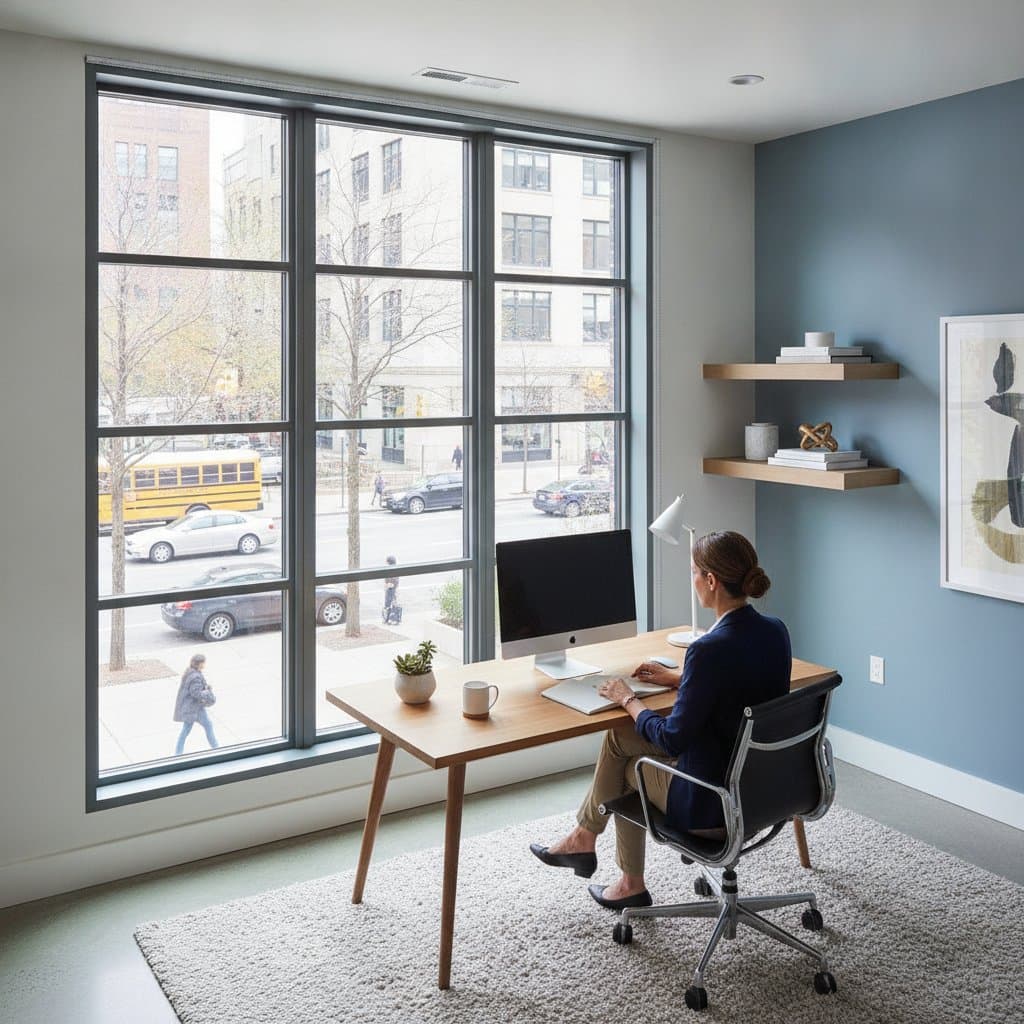
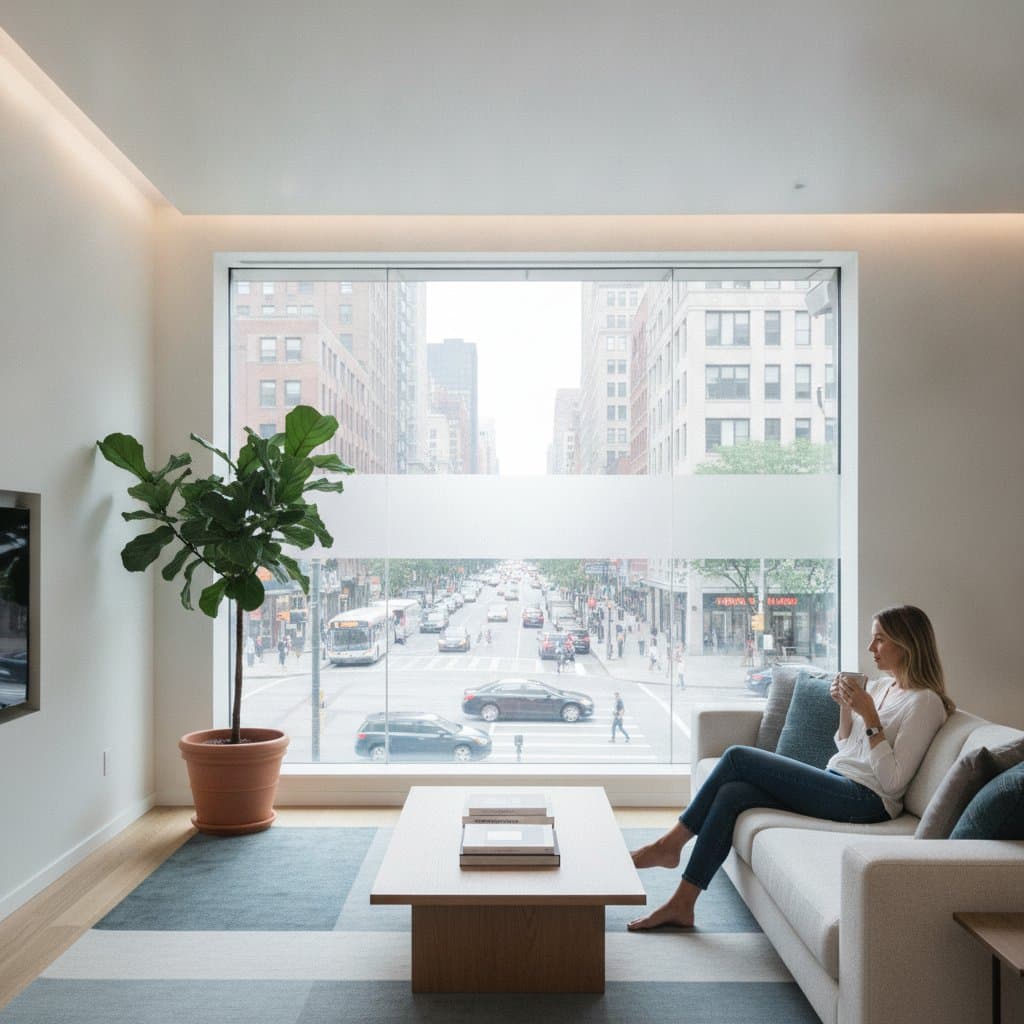
Homeowners select them for refined appearances that suit both modern and traditional structures. The adaptive surfaces admit abundant natural light yet limit glare and excess heat. Interiors stay comfortable across seasons without reliance on additional window treatments.
Cost Tier Options for Installation
Budget Option ($8,000 to $12,000)
- Target smaller units in high sun areas such as living rooms or south facing walls.
- Pair select smart glass panels with standard double pane units elsewhere.
- Specify vinyl or fiberglass frames to improve insulation without added custom expenses.
Mid Level Option ($14,000 to $22,000)
- Apply electrochromic glass across primary windows and match with insulated entry doors.
- Choose matte black, bronze, or off white frames to align with current siding.
- Incorporate controls that coordinate with existing lighting and HVAC sensors.
Premium Option ($25,000 to $40,000)
- Deploy complete home systems that include automation and climate sensors.
- Select aluminum clad or composite frames for durability and low upkeep.
- Extend coverage to patio doors and sidelights for a unified performance layer.
Compatible Materials and Finishes
- Windows: Electrochromic units with low emissivity coatings in clear to deep gray tones. Pair with slim matte frames for updated profiles.
- Doors: Fiberglass or steel models that feature frosted or switchable inserts. Align hardware in brushed nickel or blackened bronze.
- Siding: Fiber cement, engineered wood, or smooth stucco in lighter shades such as dove gray or soft white to manage heat reflection.
- Trim: Minimal aluminum or composite profiles that keep openings clean and free of competing details.
Routine Care Requirements
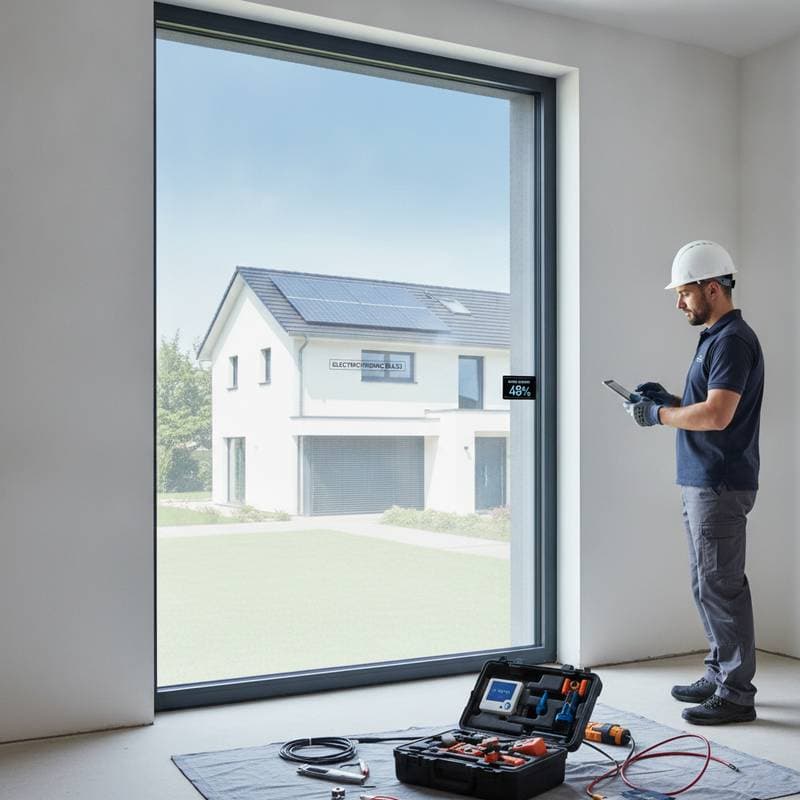
The glass surfaces clean with standard methods, and electrical elements remain protected inside frames. Periodic professional checks confirm sensor and wiring integrity. Performance holds steady for extended periods without the wear seen in blinds or applied films. Nonabrasive cleaners protect coatings, and certified installers maintain warranty coverage.
Common Installation Errors to Prevent
- Frame selection that lacks thermal breaks allows unwanted heat movement and reduces efficiency.
- Absence of battery backup leaves systems vulnerable during power interruptions.
- Inconsistent hardware or trim finishes disrupt overall visual harmony.
- Owner attempts at wiring or calibration often produce uneven tint response or future faults.
Palette Suggestions for Exterior Balance
- Urban Contrast combines charcoal siding with black frames and silver hardware.
- Coastal Calm uses white siding, pale beige trim, and blue gray glass tones.
- Warm Modern pairs taupe siding with walnut doors and bronze frames.
- Classic Neutral layers light stone with cream trim and soft gray tinted glass.
Site Documentation Steps Before Replacement
Record full elevation views to evaluate proportions and sun exposure. Capture close range images of existing trim and siding for material matching. Note any local design guidelines or neighborhood patterns. Track daily light angles to set appropriate tint schedules. Define spending limits and target efficiency levels to narrow product choices.
Achieving Sustained Performance and Appeal
Electrochromic windows deliver consistent interior comfort, reduced operating costs, and updated curb presence when coordinated with doors and siding selections. Proper planning ensures the upgrade supports both daily use and future property value.