Acoustic Glass Reduces Exterior Noise by 70 Percent in Modern Homes
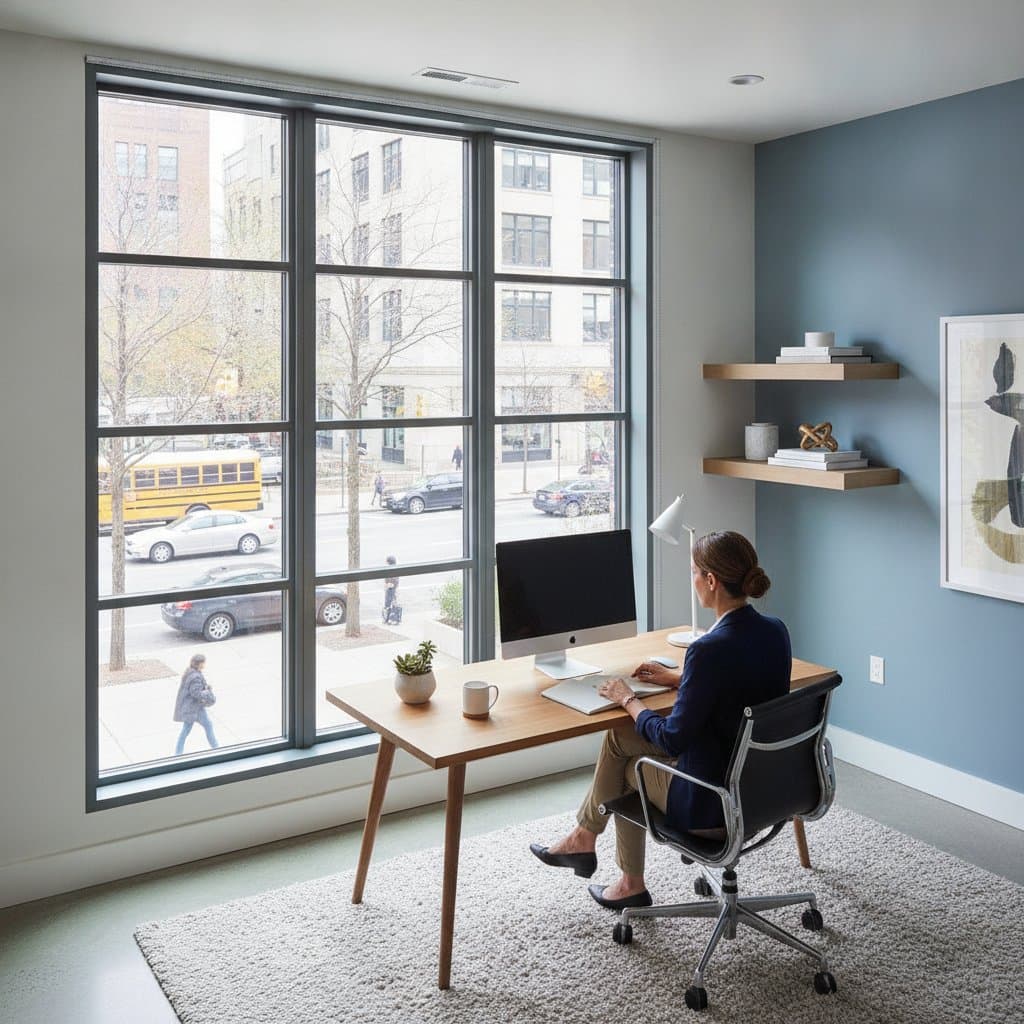
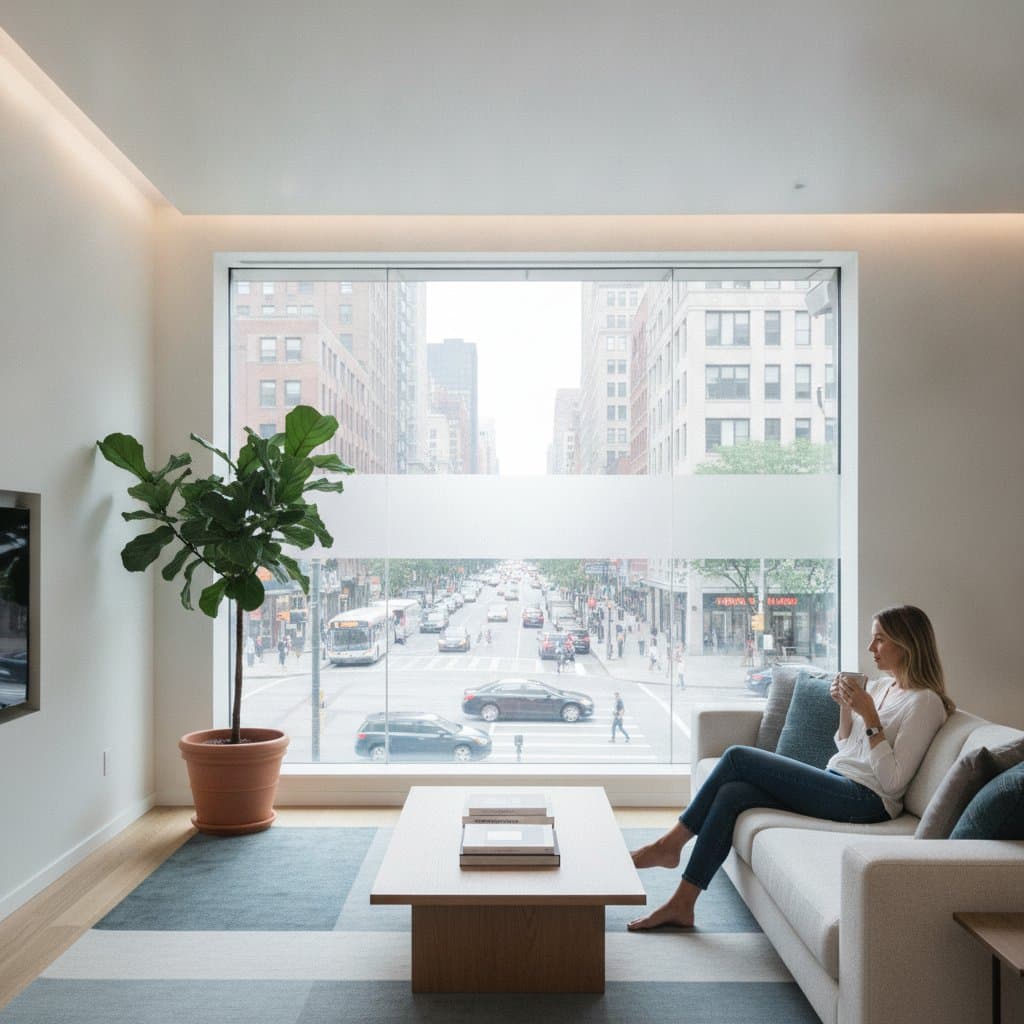
Exterior design now prioritizes both visual appeal and interior comfort. Homeowners seek quiet spaces that maintain architectural integrity. Acoustic glass achieves up to 70 percent reduction in external noise. This technology integrates into windows and doors without altering exterior aesthetics.
The approach links sound control directly to architectural expression. It suits contemporary, traditional, and transitional styles. Properties near busy streets or urban zones gain immediate livability improvements while preserving clean lines and elegant proportions.
Quiet Performance in Exterior Design
Subtle materials enhance daily routines more effectively than ornate details. Acoustic glass combines visual restraint with measurable performance. Large glazing areas become viable without traffic or neighborhood interference.
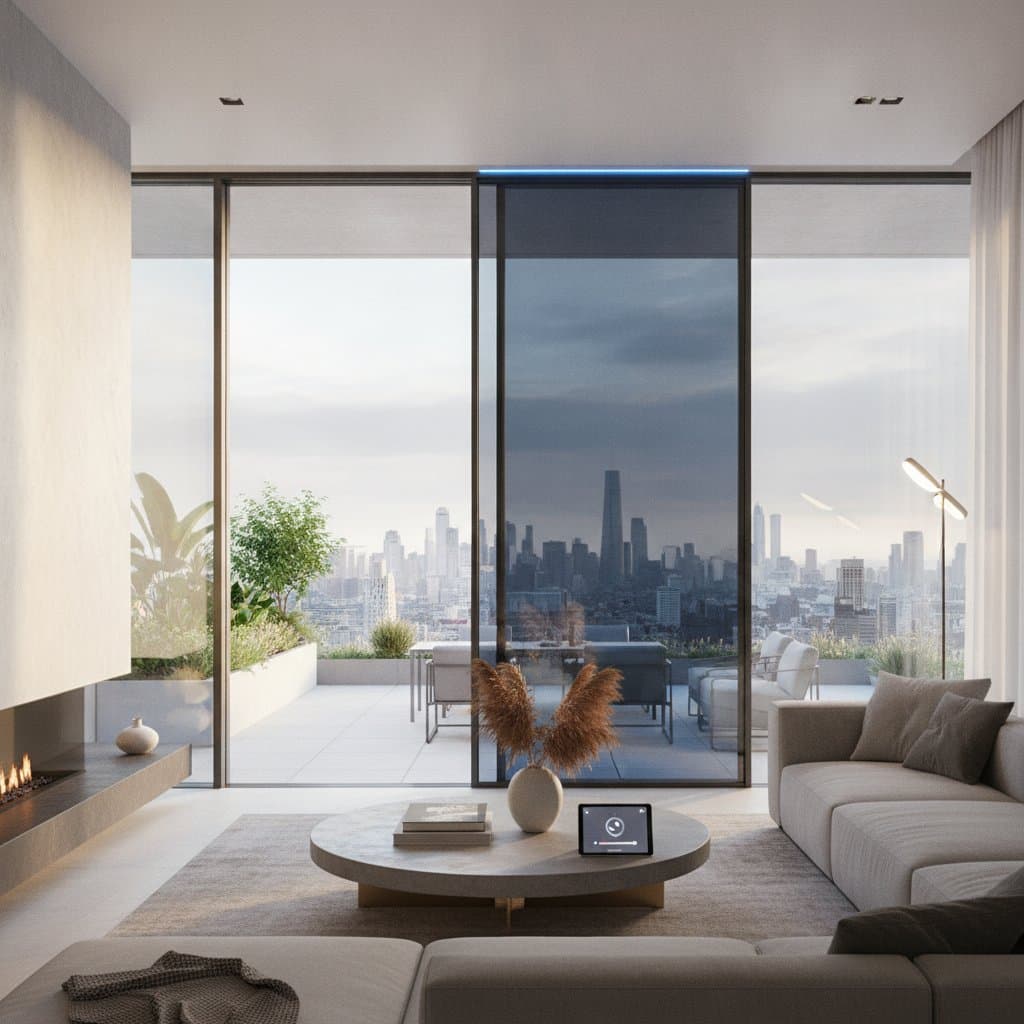
Architects retain slim frames, uninterrupted sightlines, and refined finishes. These elements align with current trends such as minimalist facades, natural palettes, and mixed materials. The outcome is a protected interior that feels both sophisticated and calm.
Budget Tiers for Installation
Entry Level: Eight Thousand to Fifteen Thousand Dollars
- Add laminated inserts to existing frames on exposed sides.
- Select vinyl or composite frames with factory finishes.
- Supplement with heavy acoustic curtains for additional damping.
Mid Level: Sixteen Thousand to Thirty Two Thousand Dollars
- Install dual laminated units in primary windows and sliding doors.
- Choose aluminum clad wood frames for durability and warmth.
- Upgrade entry doors with solid cores and perimeter seals.
Premium Level: Thirty Three Thousand to Sixty Five Thousand Dollars
- Deploy full house systems with thermally broken frames and triple glazing.
- Specify oversized picture windows or pivot doors with reinforced mullions.
- Apply custom anodized or clear grain finishes for tailored appearance.
Material Selection Guidelines
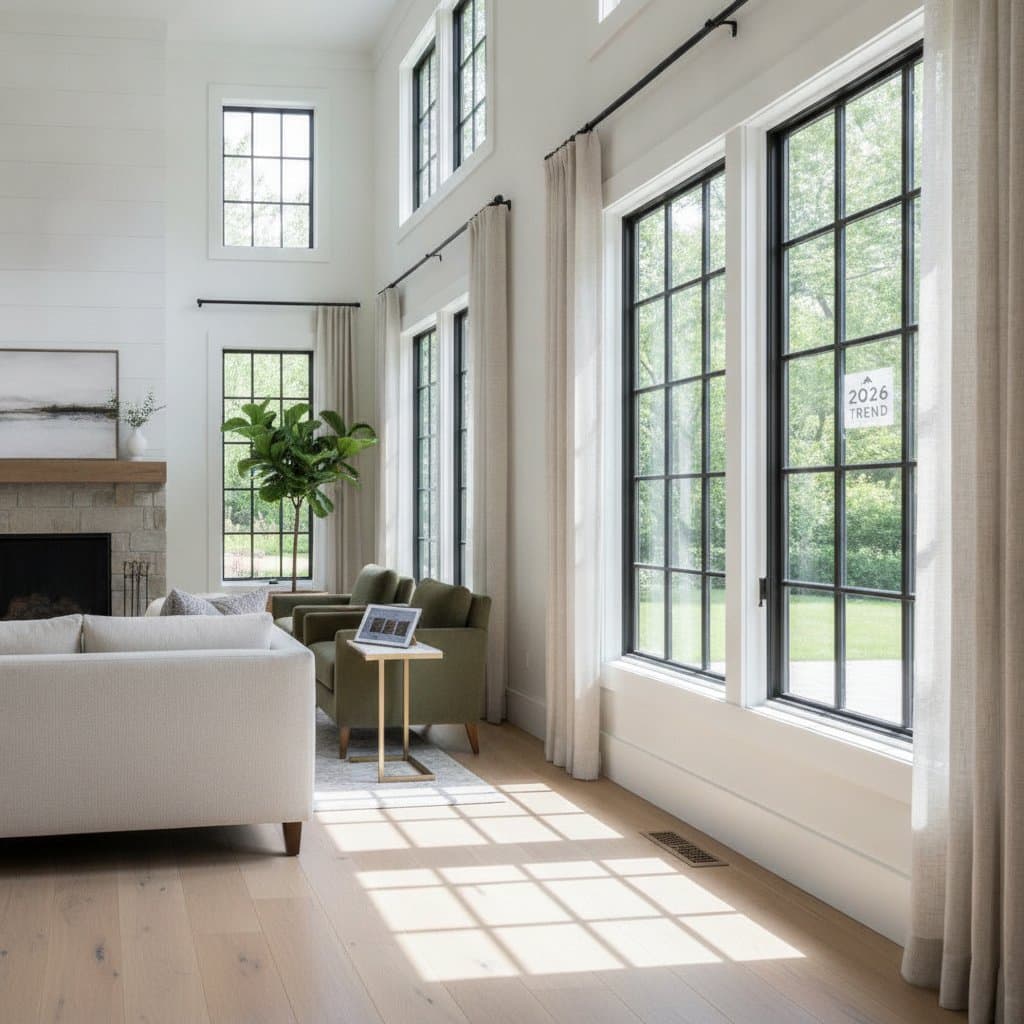
Windows perform best with double or triple laminated glass and argon filled cavities. Trending frame colors include black, bronze, and soft gray. Traditional homes pair off white or taupe finishes with stone or brick.
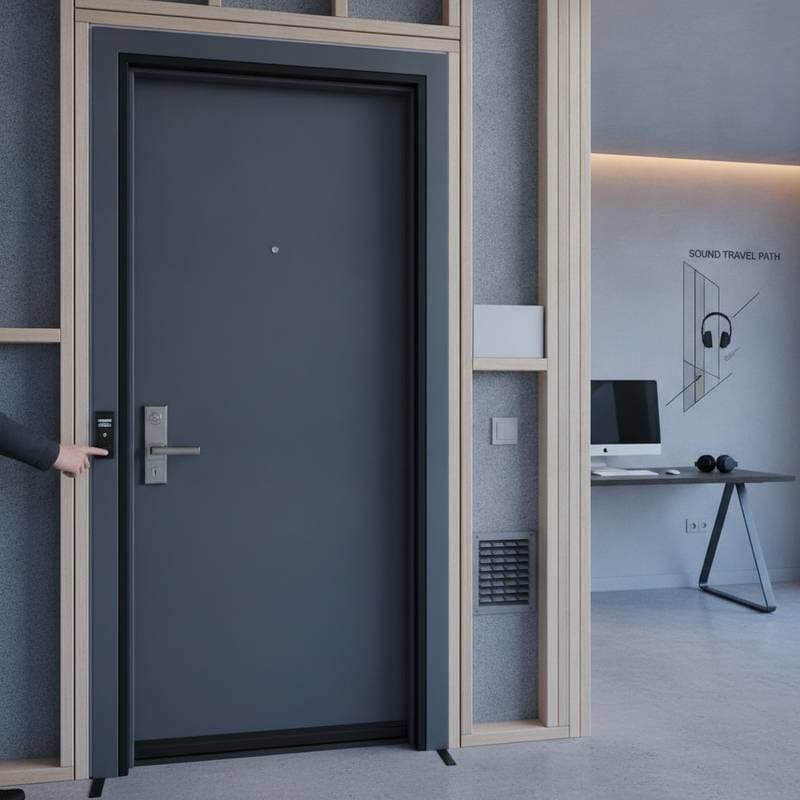
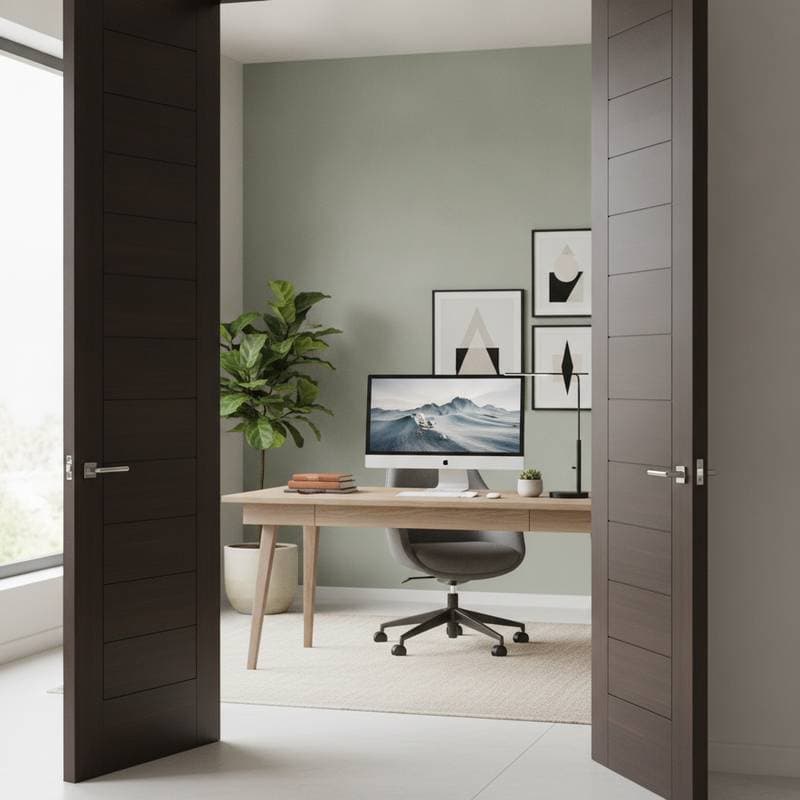
Doors require solid cores with laminated faces. Flush panels suit contemporary entries while divided lites with etched inserts fit transitional designs. Hardware in satin brass, graphite, or matte black completes the assembly.
Siding gains presence once interiors quiet. Fiber cement planks combined with board and batten sections create balanced texture. Brick or wood accents add depth without competing with glass lines.
Regional Maintenance Practices
Hot climates need regular cleaning to prevent mineral deposits on coatings. Cold regions require seasonal seal inspections to address expansion. Coastal properties benefit from fresh water rinsing to remove salt. Arid zones demand dust free tracks for consistent compression. Humid areas use mold resistant caulk and adequate ventilation.
Common Installation Errors to Prevent
Frame seals must receive equal attention to glass ratings. Oversized panels need reinforced mullions to limit vibration. Incompatible frame and trim materials create sound paths that bypass glass performance. Professional installation with certified acoustic assemblies prevents most failures.
Color Palettes That Complement Acoustic Glass
Urban contrast pairs deep charcoal siding with black frames and walnut doors. Coastal calm uses white clapboard, pale gray trim, and silver hardware. Natural warmth combines sandstone, bronze frames, and cedar doors. Classic neutral employs soft beige stucco with cream trim. Modern minimal relies on light gray siding and black metal frames.
Performance Planning by Climate
Warm regions select low solar gain coatings. Cold regions prioritize high thermal values to avoid condensation. Urban sites specify impact resistant laminates for added security. Proper specification ensures both acoustic and thermal results.
Value and Planning Considerations
Acoustic upgrades improve resale appeal in noisy locations. Product costs run twenty five to fifty percent above standard glazing yet deliver dual acoustic and energy benefits. Prioritize bedrooms and street facing living areas. Professional installation guarantees code compliance and optimal sealing.
Final Integration Steps
Document existing elevations and neighborhood context before selection. Coordinate hardware finishes and exterior lighting in matching metal tones. Verify ventilation paths to maintain air quality after sealing. The result is a home that connects to its surroundings while shielding occupants from unwanted sound.