Unlock Instant Tint Control with Electrochromic Windows
Smart homes continue to reshape how people think about comfort and efficiency. Among the latest innovations, electrochromic windows stand out for their ability to change tint at the touch of a button. These dynamic glass systems give homeowners direct control over light and privacy. Understanding how they work, what to expect during installation, and how they perform over time helps homeowners decide if this technology fits their goals for style, energy savings, and convenience.
How Electrochromic Windows Work
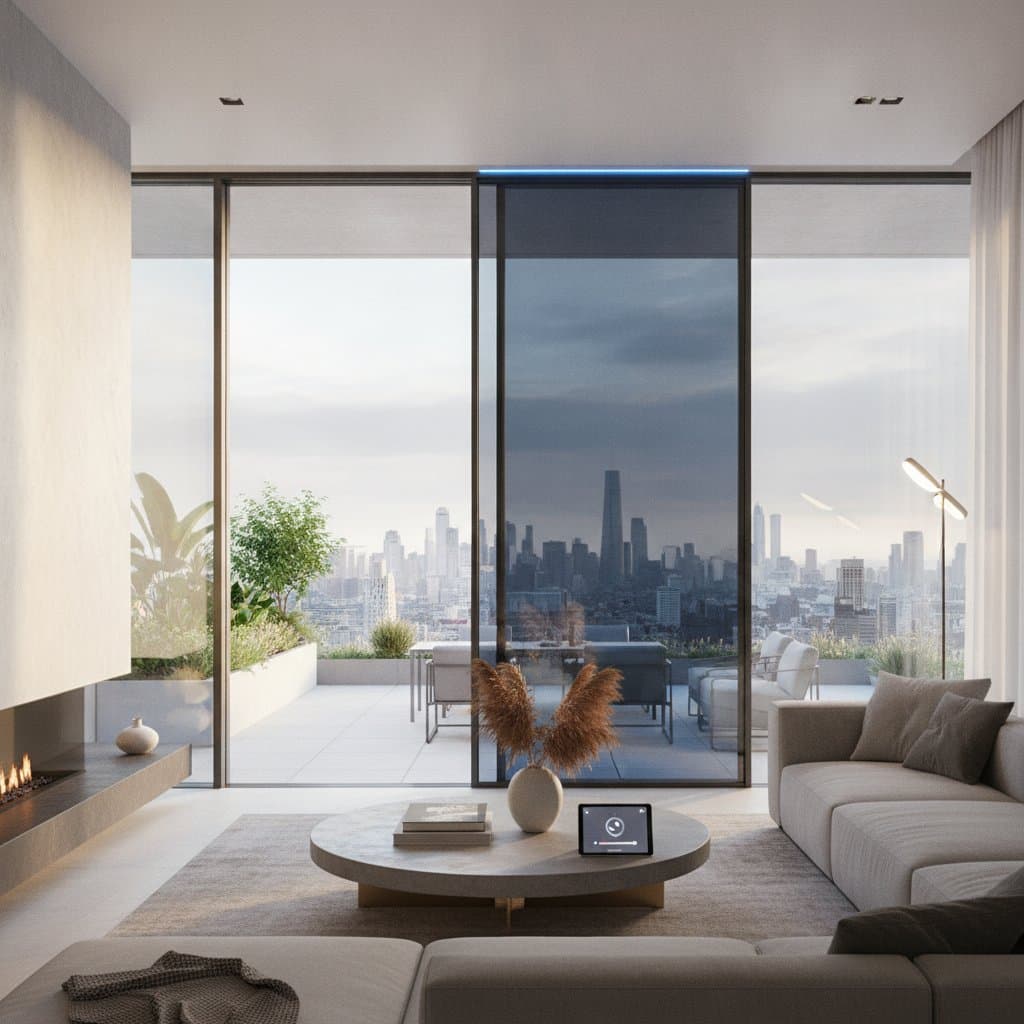
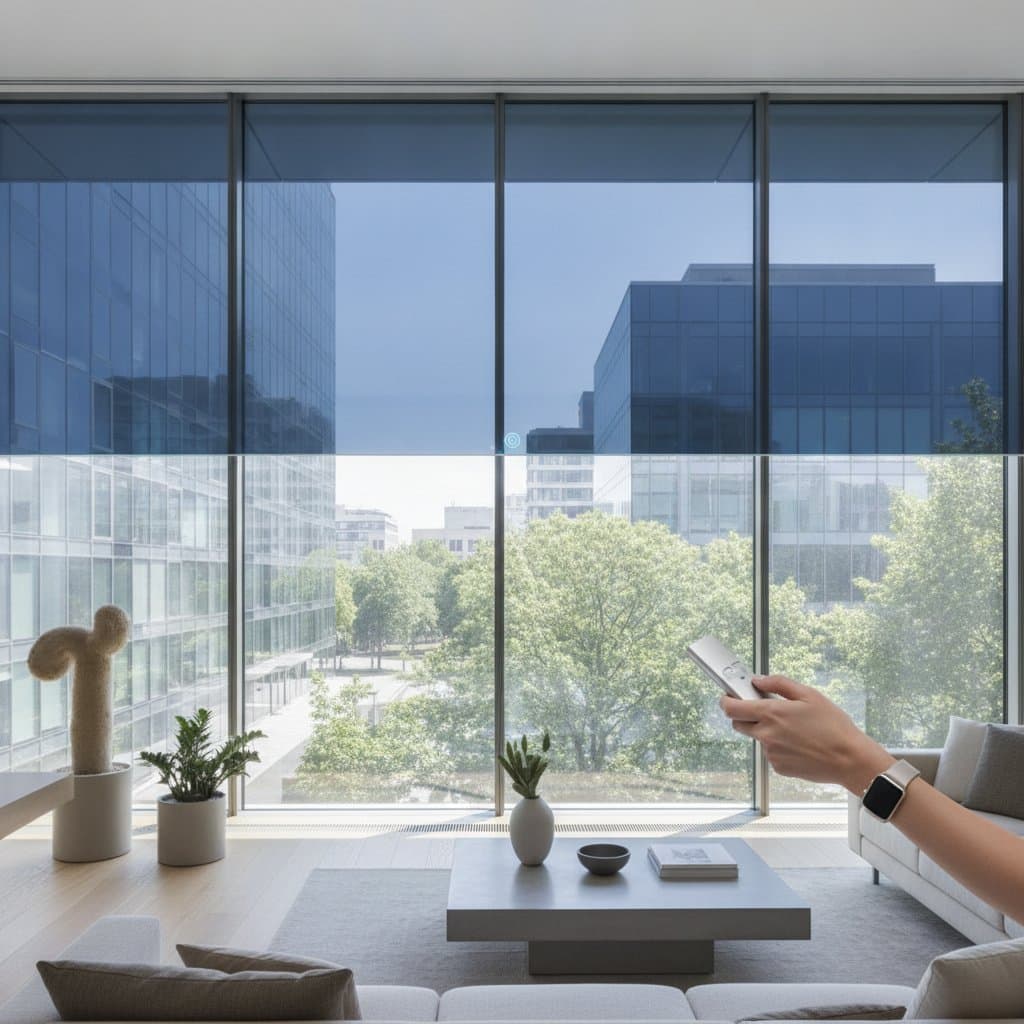
Electrochromic windows use layers of conductive glass and special coatings that respond to small electrical charges. When voltage passes through the window, the chemical composition of the coating changes and adjusts the tint level. This reaction occurs evenly across the surface and allows smooth transitions from clear to darkened states. The system can be managed through wall switches, mobile apps, or smart home integrations. It offers precise control over natural light without physical blinds or shades.
The tinting process is reversible and consumes minimal energy. Power is only needed during the change itself. Once the desired tint is set, the glass maintains its state with almost no additional energy use. This efficiency makes electrochromic windows both eco-conscious and cost-effective over time.
Comparing Electrochromic Glass with Traditional Options
Homeowners often compare electrochromic glass with familiar window treatments like blinds, curtains, or tinted films. Each option offers distinct benefits and limitations.
| Option | Initial Cost | Lifespan | Maintenance | Best For |
|---|---|---|---|---|
| Standard blinds | Low | Moderate | Regular cleaning and replacement | Basic privacy control |
| Static tinted film | Moderate | Long | Occasional cleaning | Fixed glare reduction |
| Electrochromic glass | High | Long | Minimal maintenance | Flexible lighting and privacy control |
Electrochromic glass typically costs more upfront but provides long-term advantages. Unlike blinds, it eliminates cords and mechanisms that wear out. Unlike static film, it adapts to changing sunlight conditions. Over the lifespan of a window, the convenience and reduced need for replacements can offset the initial expense.
Benefits and Drawbacks to Consider
Advantages include customizable comfort through instant light adjustments to match mood, activity, or time of day. Energy efficiency improves when cooling loads decrease in summer as the glass darkens to block heat. Aesthetic appeal comes from an uncluttered look without visible window coverings. Privacy on demand allows seclusion without loss of natural light. Integration potential connects to smart systems for automated tinting based on lighting sensors.
Drawbacks include higher initial costs because installation and glass materials exceed standard window prices. Electrical reliance requires power connections that may complicate retrofits in older homes. Tint speed varies, and large panels may take several minutes to fully transition. Limited color options mean most systems tint to shades of blue-gray rather than a wide color palette.
Each of these factors influences whether electrochromic windows fit a specific space or lifestyle. For some, the convenience and sleek design justify the investment. Others may prefer simpler solutions if their main priority is cost control.
What to Expect During Installation
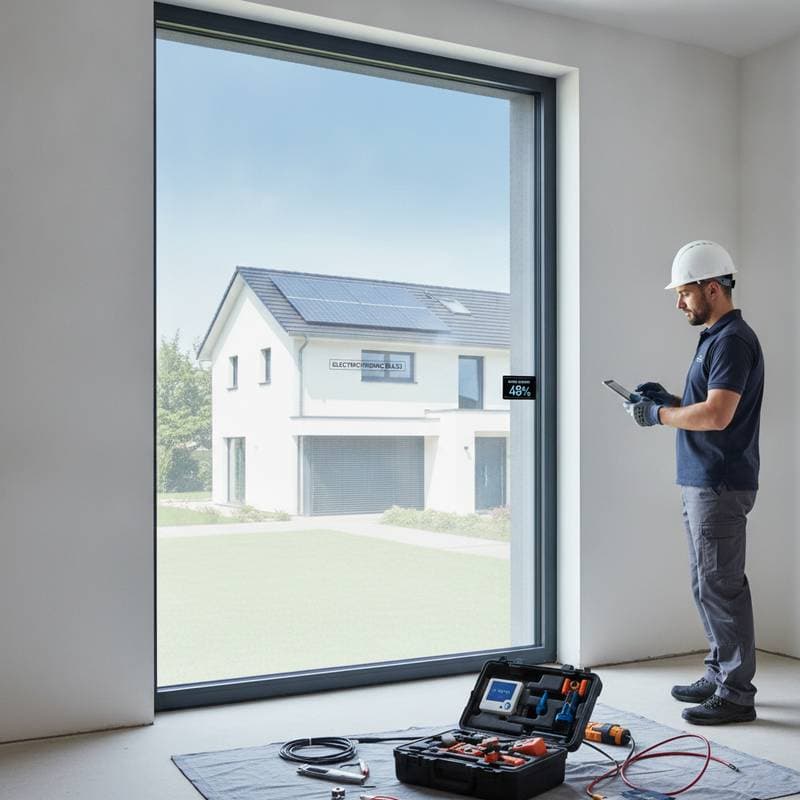
Installing electrochromic windows involves several coordinated steps to ensure proper function and longevity.
- Assessment and Planning: A professional evaluates window dimensions, wiring routes, and existing frame conditions. Building codes and electrical safety guidelines must be reviewed before work begins.
- Preparation: Old windows or glass panels are removed, and frames are inspected for structural integrity. Electrical conduits are installed for low-voltage wiring.
- Glass Installation: Electrochromic panels are positioned within specialized frames that connect to control modules. Proper sealing prevents moisture intrusion.
- System Setup: Controls are connected, calibrated, and tested for even tint transitions. Smart home integration is configured if desired.
- Final Quality Check: Each panel is verified for uniform tint response, tight seals, and smooth operation.
Although professional installation is recommended, some modular systems are designed for easier retrofits. Homeowners should confirm that installers are trained in electrochromic systems, as specialized handling ensures consistent performance.
Maintenance and Long-Term Care
Routine care for electrochromic windows is relatively simple. Cleaning with a soft cloth and non-abrasive glass cleaner keeps the surface clear. Regular inspection of electrical connections and seals helps prevent future issues. Because these windows have no moving parts, mechanical failure is rare. The main concern is maintaining stable wiring and moisture protection.
Long-term performance often depends on environmental conditions. In coastal or high-humidity areas, using corrosion-resistant materials around the frames can extend lifespan. Over time, the tint response may slow slightly, but most systems are designed to maintain reliable function for many years.
Energy and Comfort Considerations
One of the strongest arguments for electrochromic glass is its effect on thermal comfort and energy use. By reducing glare and heat gain, tinted glass keeps interior temperatures more stable. This allows air conditioning systems to work less, especially during bright afternoons. When the glass is clear, it maximizes daylight and reduces the need for artificial lighting. Homeowners who track energy use often see consistent savings over time, particularly in climates with strong sunlight.
Comfort also extends beyond temperature. The ability to control glare improves visibility for screens and reading surfaces. This makes living spaces more adaptable without constant adjustments to curtains or blinds.
Choosing What Works Best
Selecting electrochromic windows involves balancing cost, performance, and lifestyle expectations. Homeowners should evaluate budget range to determine whether the initial investment fits long-term goals. Home design considerations include frame style, window orientation, and existing wiring. Usage patterns help identify rooms where variable tinting provides real benefits. Climate evaluation assesses energy savings potential based on local sunlight levels. Integration needs clarify whether smart controls or automation are priorities.
Preparing for Installation
Confirm that power access is available for each window location. Review local building codes to ensure compliance with electrical and safety standards. Discuss warranty coverage, including performance guarantees for tint response and color consistency. Plan installation during favorable weather to minimize exposure while windows are replaced.
Evaluating Your Options for Dynamic Windows
Homeowners who weigh these elements carefully can select a solution that enhances daily comfort and supports energy goals. The technology rewards those who value adaptability and long-term efficiency in their living spaces.