Acoustic Clarity: Windows with Advanced Glass That Quiet the Outside World
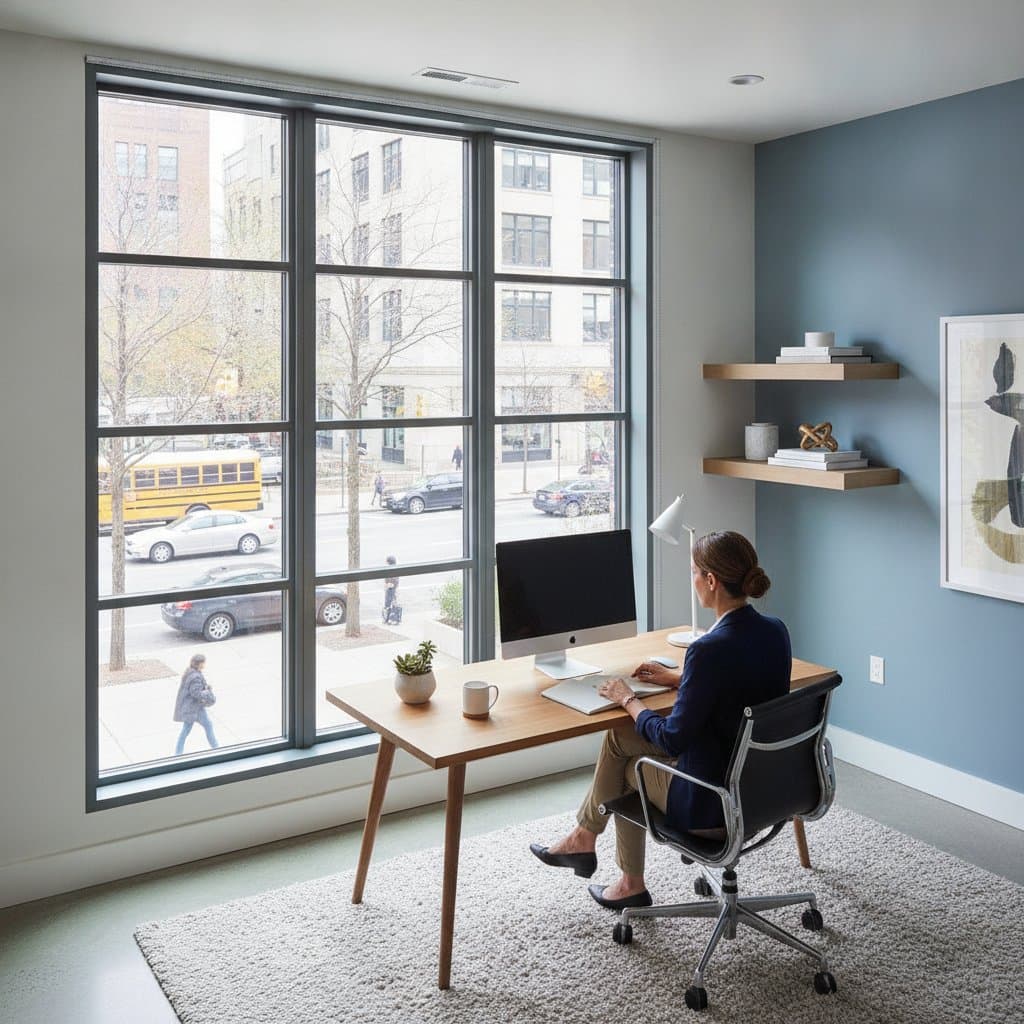
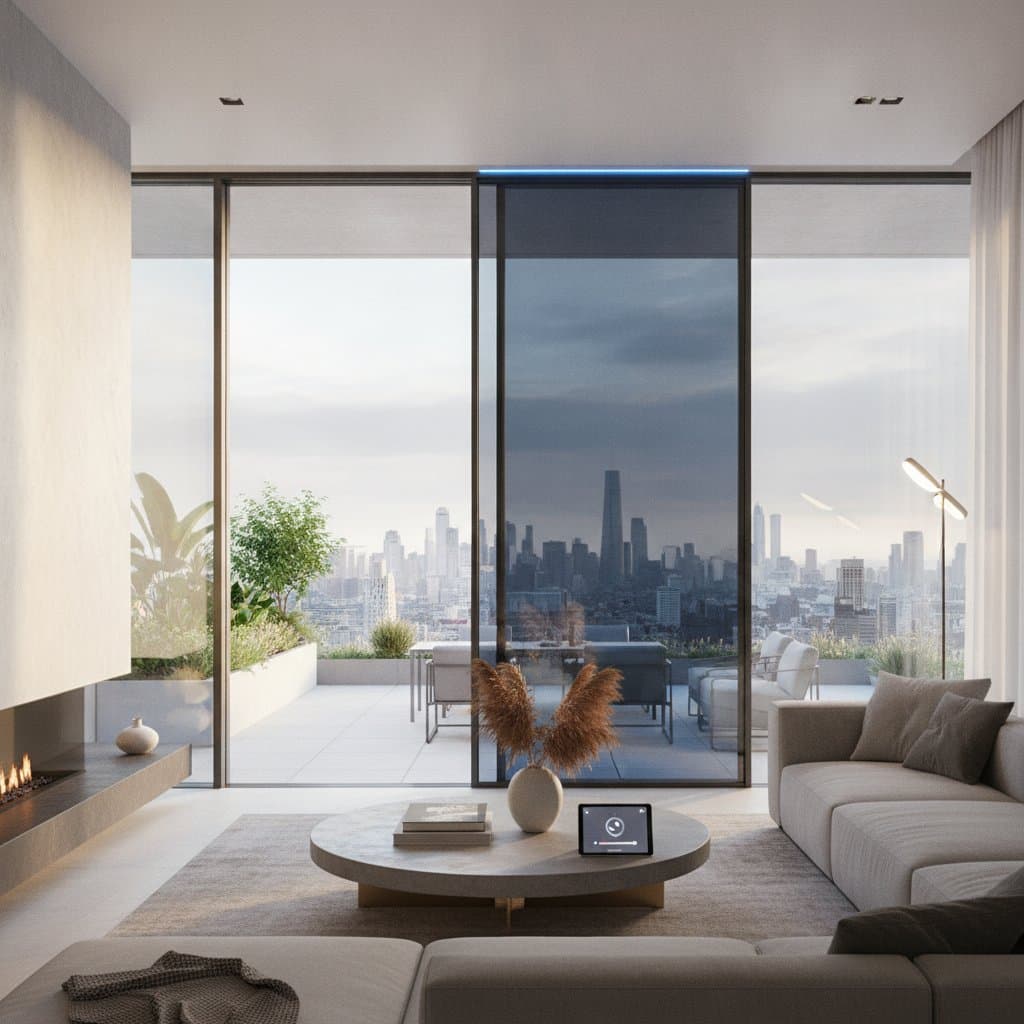
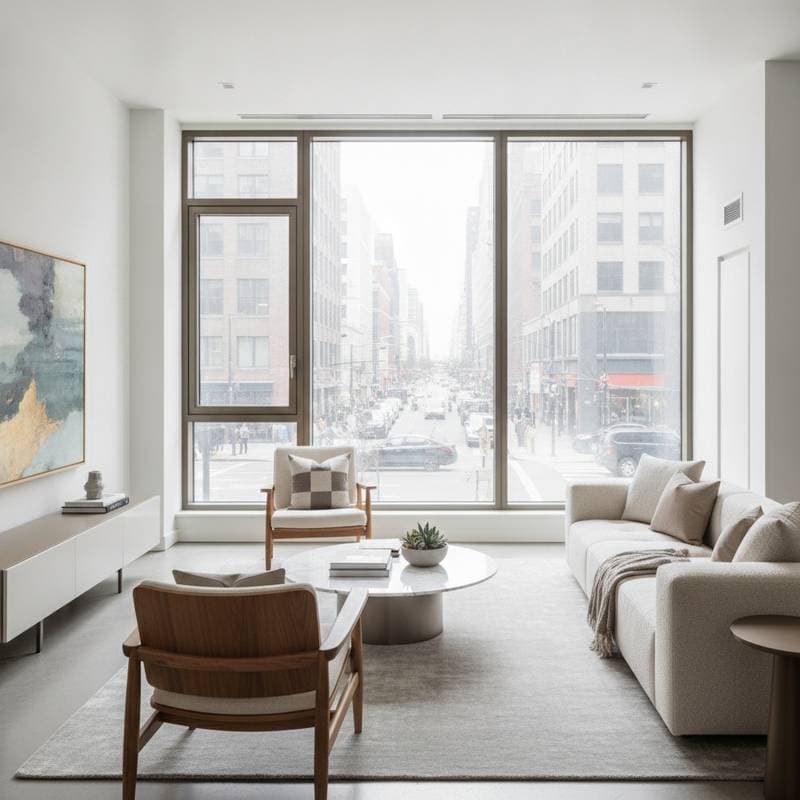
Exterior design has always balanced beauty and comfort. Modern living has added a new demand for quiet. As neighborhoods grow denser and outdoor activity increases, homeowners are turning to acoustic glass windows that reduce noise without compromising style. The newest generation of acoustic windows can cut sound transmission by up to eighty five percent. This brings calm to even the busiest urban streets.
This trend works because it merges form and function. The clean lines of contemporary windows suit nearly every architectural style. Soundproofing technology supports a more peaceful indoor environment. Homeowners now see windows not only as design features but as essential comfort investments.
Three Ways to Get This Look
Save Approach ($4,000 to $8,000)
- Use double pane insulated glass with a laminated inner layer for moderate noise reduction.
- Choose vinyl or composite frames that require minimal painting or sealing.
- Focus on upgrading windows on the most exposed sides of the home rather than replacing all at once.
Mid Range Approach ($9,000 to $15,000)
- Select triple pane glass with acoustic interlayers for improved sound dampening.
- Mix materials such as fiberglass frames with wood interiors for a warm yet durable finish.
- Include upgraded weatherstripping and compression seals to prevent vibration and air leaks.
Invest Approach ($16,000 to $30,000)
- Opt for premium acoustic glass that combines multiple laminated panes with variable airspace thickness.
- Pair with aluminum clad wood frames for a refined look that resists weathering.
- Add custom finishes, integrated blinds, and specialized coatings that block ultraviolet and solar heat for long term comfort and energy efficiency.
Material and Finish Guide
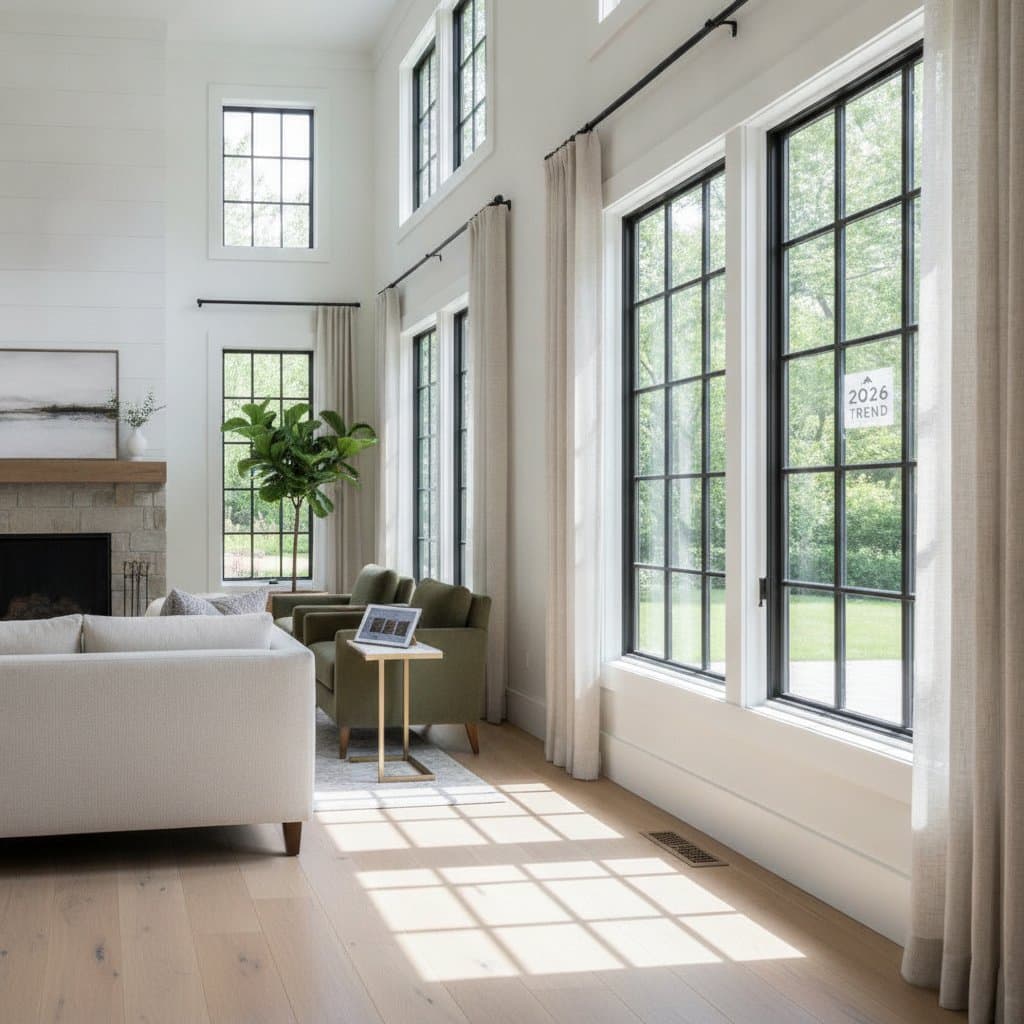
Look for casement or fixed pane designs that minimize gaps where noise can enter. Black or bronze frames highlight architectural lines in modern homes. Soft white or taupe finishes suit traditional exteriors. Hardware in matte nickel or oil rubbed bronze complements both directions.
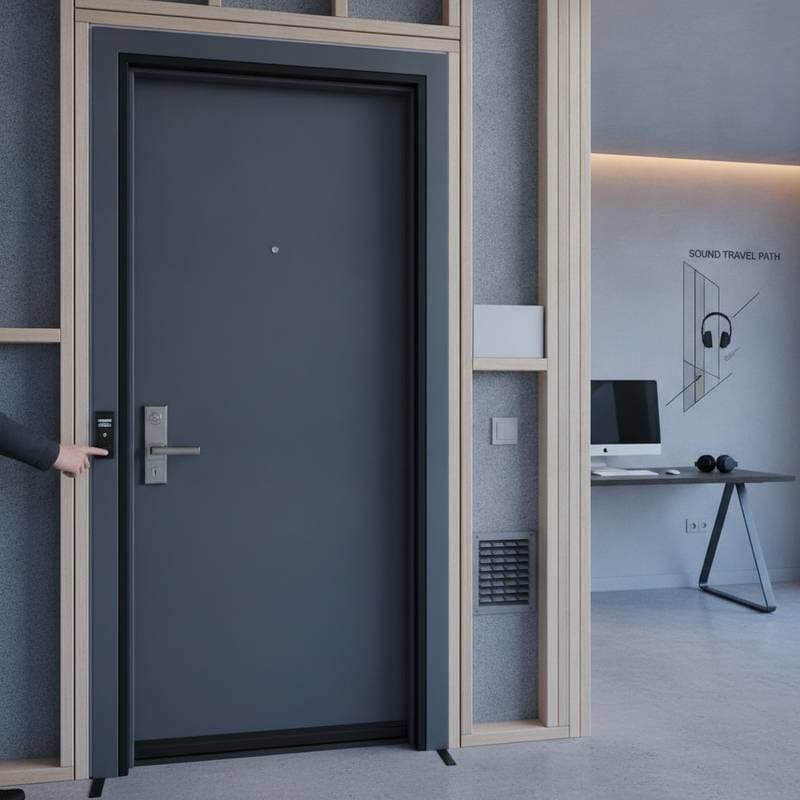
For cohesive results, choose entry or patio doors with insulated glass panels that match your window style. Fiberglass doors mimic wood grain with better sound insulation and lower maintenance. Consider heavy duty weather seals and threshold sweeps for added noise control.
Smooth fiber cement panels or board and batten profiles pair well with the clean geometry of acoustic windows. For more texture, engineered wood siding gives depth and warmth while maintaining durability. Lighter colors like pale gray or sand reduce heat gain and brighten the overall appearance.
Wide color matched trim frames windows elegantly while sealing edges. Metal flashing in coordinating finishes reinforces sound isolation and gives a polished edge to the installation.
Maintenance Reality Check
Every material has its upkeep rhythm. Vinyl frames need only occasional cleaning with mild soap and water. Fiberglass and composite materials resist warping and cracking. This makes them ideal for climates with wide temperature swings. Wood interiors deliver timeless warmth but require re sealing or painting every few years to avoid moisture intrusion.
Acoustic glass itself is relatively maintenance free. It should be cleaned gently to preserve clarity. Harsh chemicals can damage coatings that enhance sound performance. Homeowners in coastal or high dust regions should rinse frames regularly to avoid buildup that can affect weather seals.
If condensation appears between panes, it may indicate a broken seal. Early replacement prevents further energy loss and maintains noise control. Overall, the maintenance demands are manageable. This is particularly true when high quality materials are chosen from the start.
Avoid These Mistakes
Ignoring proper installation leads to failure even with the best acoustic windows. Always use certified installers who understand the specific sealing and spacing requirements of laminated and multi pane glass.
Mixing frame colors without a clear plan can look disjointed. Create a cohesive palette before ordering products.
Highly reflective glass can clash with certain siding finishes. Test samples in natural light to ensure harmony across materials.
Unsealed wood frames can swell and compromise the sound barrier. If wood is preferred, ensure it is factory finished and properly sealed.
Acoustic windows rely on airtight installation. Using low grade sealants undermines the entire investment.
Coordinated Color and Finish Palette
For a balanced exterior that complements acoustic glass, consider this palette. Graphite black works for bold modern contrast. Warm clay suits traditional appeal. Soft white with matte texture frames windows cleanly. Mist gray or ivory beige reflects natural light and enhances calm tones. Deep navy or forest green provides a refined color pop that draws attention to the entry. Brushed nickel or aged brass adds subtle sophistication.
These tones work across architectural styles and maintain visual calm. They echo the serenity these windows bring indoors.
Planning Your Acoustic Window Project
Before selecting products, homeowners should gather and document key details to guide the design and installation process.
Capture current exterior photos from all sides. Include close ups of window and door trims. Note architectural features like rooflines, porch details, and siding patterns. Record how sunlight moves across the facade at different times of day to understand glare and shadows.
Identify the home architectural style, whether contemporary, farmhouse, or traditional. Review neighborhood guidelines or homeowner association rules that limit color or material choices. Consider regional climate factors that affect insulation and material longevity.
Define total project budget and divide into categories such as windows, doors, siding, trim, and labor. Rank priorities such as noise reduction, energy efficiency, or aesthetic upgrade. Keep a contingency fund for unexpected structural repairs uncovered during installation.
Why This Trend Has Staying Power
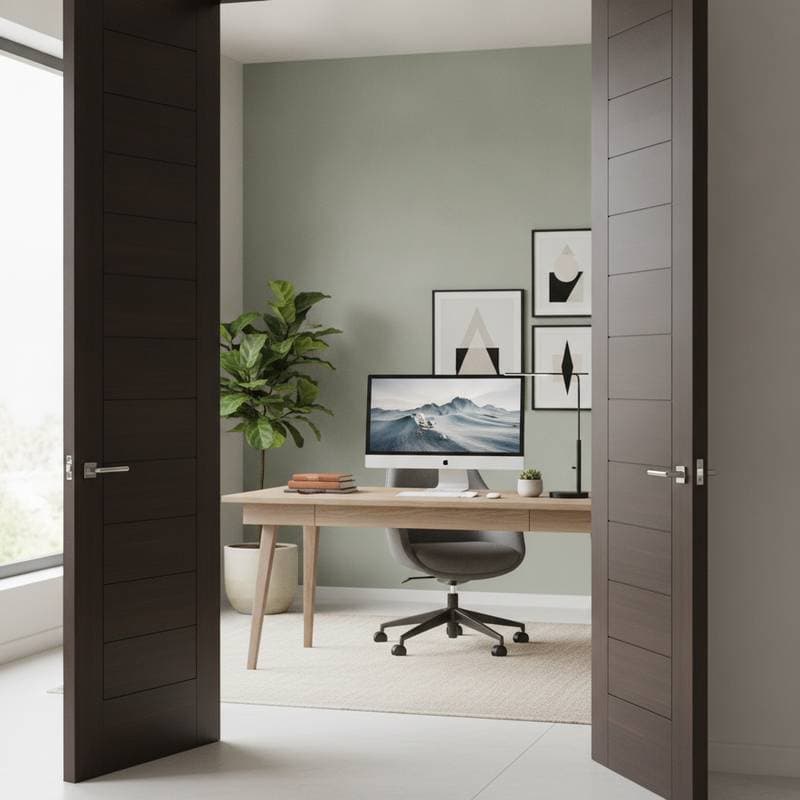
Acoustic window design represents more than a seasonal style moment. The technology addresses enduring lifestyle needs for peace, privacy, and energy efficiency. As home offices, media rooms, and relaxation spaces become more central to daily life, controlling sound levels is as valuable as managing light or temperature.
Acoustic glass reduces vibration transmission by layering panes with specialized polymers that absorb sound waves. Combined with sealed air spaces of varying thickness, these windows block a wide range of frequencies. The result is a quieter interior without sacrificing the openness of large windows or glass doors.
Homeowners who invest in acoustic windows often notice improved insulation as well. The same multi layer construction that limits sound also reduces heat transfer. This enhances comfort and lowers energy costs over time. The combination of visual appeal, practical performance, and low maintenance makes this upgrade particularly attractive to modern buyers.
Bringing It All Together
Quiet design has become a new form of luxury. The latest acoustic windows deliver measurable noise reduction while aligning with clean, timeless exterior aesthetics. Whether installed in a sleek urban loft or a classic suburban home, they elevate both comfort and curb appeal.
The key to success lies in thoughtful coordination. Match window styles and finishes with doors and siding that share similar proportions and tones. Balance performance with care requirements. Plan updates in phases if working within a budget. With careful material selection and proper installation, acoustic windows can transform the way a home feels. They replace the constant hum of outside life with the calm of well designed silence.