Smart Glass Windows Deliver Instant Privacy Control
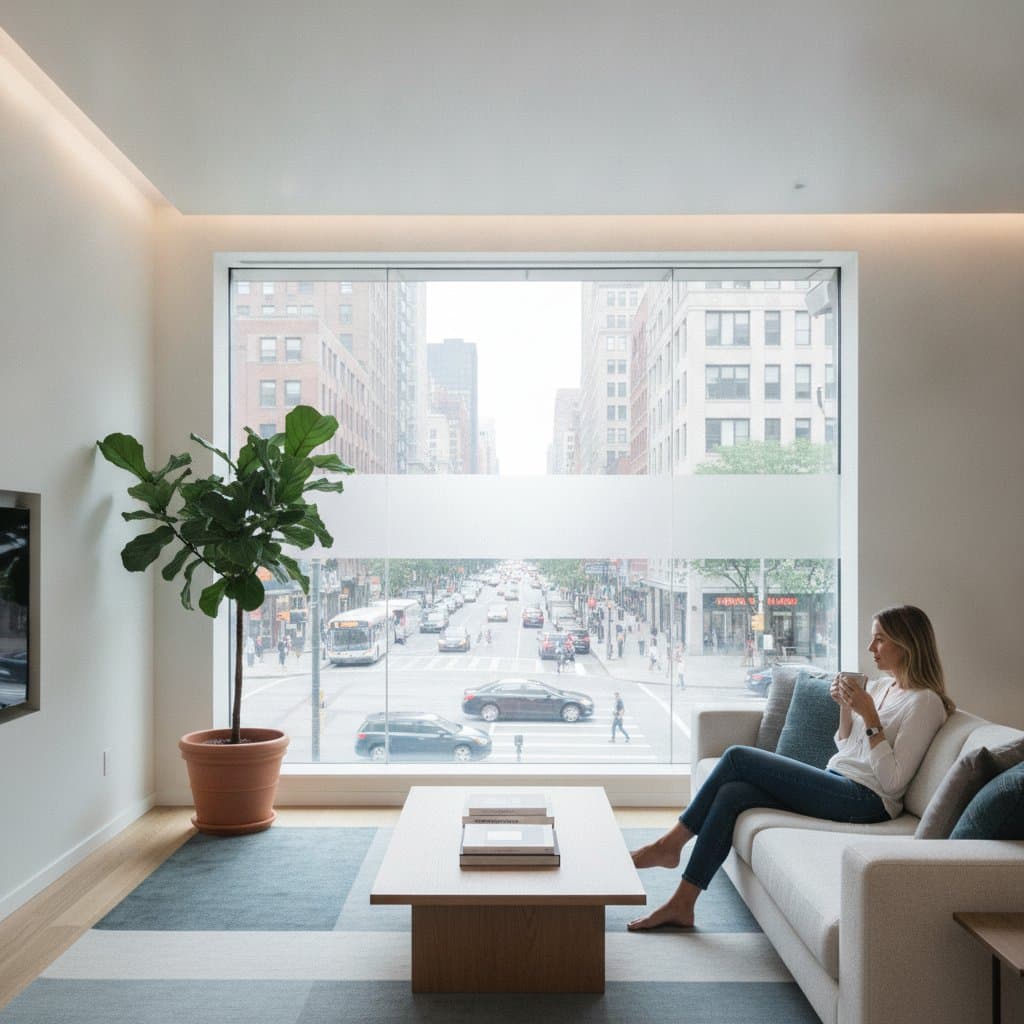
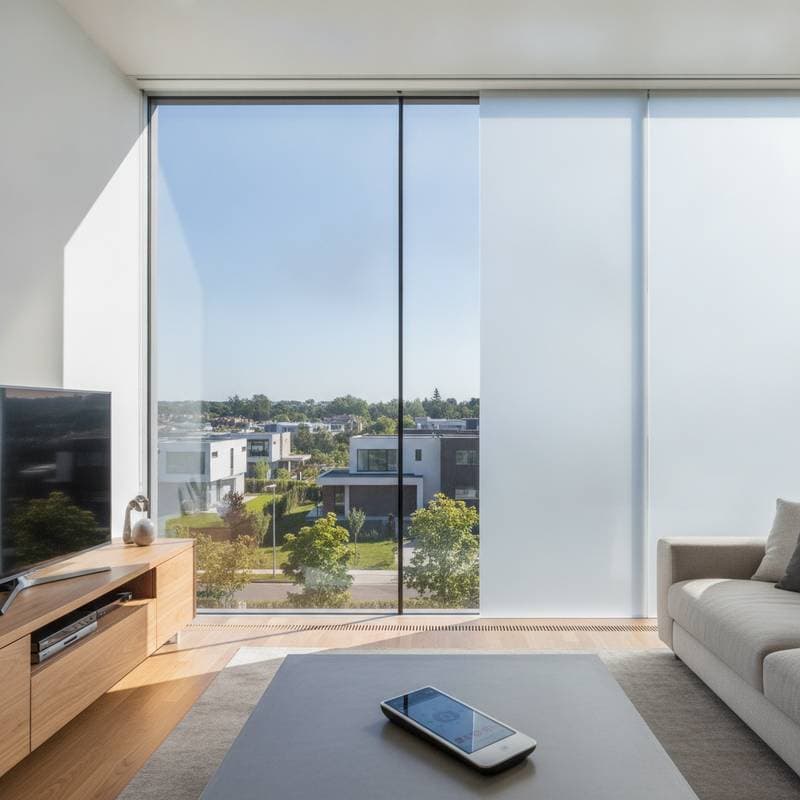
Homeowners seeking modern privacy solutions are turning to smart glass windows. Also known as electrochromic glass, these windows let users adjust transparency levels with a switch or automated system. The technology combines aesthetic appeal with practical energy savings.
Average Costs and Installation Overview
Smart glass windows typically cost between 100 and 150 dollars per square foot, including materials and installation. Most residential projects range from 3000 to 10000 dollars total. The final amount depends on window size, control systems, and wiring needs.
| Window Type | Cost Range (Installed) | Key Features |
|---|---|---|
| Electrochromic Smart Glass | 100 to 150 dollars per sq. ft. | Adjustable tint, remote control, energy savings |
| Suspended Particle Device (SPD) Glass | 90 to 130 dollars per sq. ft. | Fast transition, durable, suitable for large windows |
| Polymer Dispersed Liquid Crystal (PDLC) Glass | 80 to 120 dollars per sq. ft. | Instant privacy, best for interior partitions |
| Thermochromic Smart Glass | 70 to 110 dollars per sq. ft. | Heat-responsive tint, no electricity needed |
These prices cover both materials and professional installation. Wiring requirements and automation features can adjust the total.
How Smart Glass Technology Works
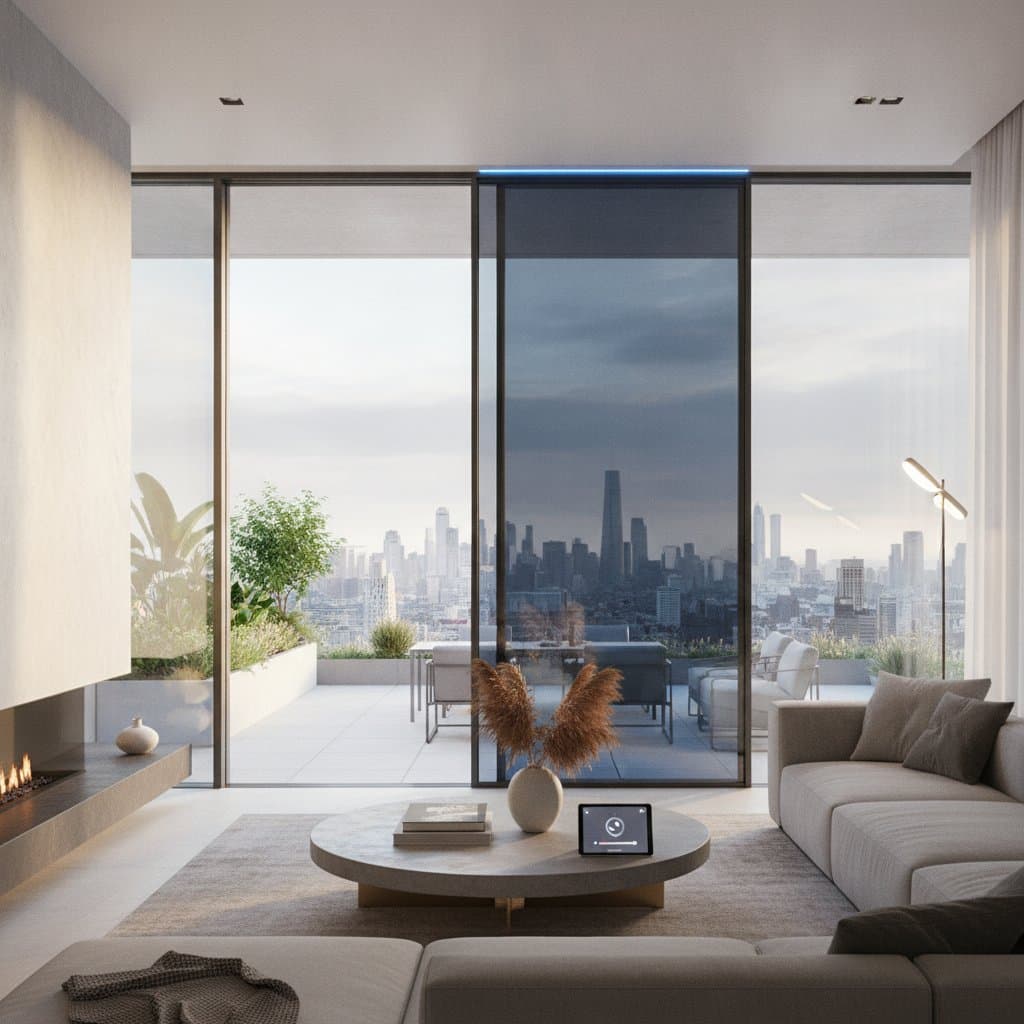
Smart glass incorporates a thin electrochromic layer between panes. An electric current changes the tint or opacity of the glass. In clear mode it admits sunlight. In tinted mode it blocks external views for immediate privacy.
Certified installer Michael Torres notes that electrochromic windows suit homeowners who want flexible light control without sacrificing modern design. The glass also reduces glare and helps stabilize indoor temperatures.
Key Benefits for Homeowners
Smart glass windows provide functional and financial advantages that standard windows lack.
- Instant Privacy: Users switch from transparent to frosted in seconds. This feature suits bathrooms, bedrooms, and street-facing rooms.
- Energy Efficiency: The glass can lower cooling costs by up to 20 percent in warm months by limiting heat gain.
- UV and Glare Reduction: It blocks up to 99 percent of harmful UV rays, protecting interior surfaces from fading.
- Modern Aesthetic: The minimalist appearance fits both contemporary and traditional homes without cords or fabric treatments.
- Smart Home Integration: Systems connect to automation platforms for scheduled or voice-controlled tint changes.
Factors That Influence Cost and Performance
Several variables determine the final price. Window size and shape affect material needs. Manual switches cost less than app-based controls. Retrofitting older homes may require extra wiring work. Double or triple glazing improves insulation but raises the price. Labor rates typically fall between 50 and 100 dollars per hour.
Bulk orders for multiple windows often qualify for reduced labor rates.
Maintenance and Longevity
Smart glass requires little upkeep. Clean surfaces with mild glass cleaner and a soft cloth. The sealed tinting layer contains no exposed moving parts.
Manufacturers offer warranties of 10 to 20 years. The electrochromic layer withstands thousands of cycles. Periodic electrical checks help maintain reliable performance.
When to Choose Smart Glass
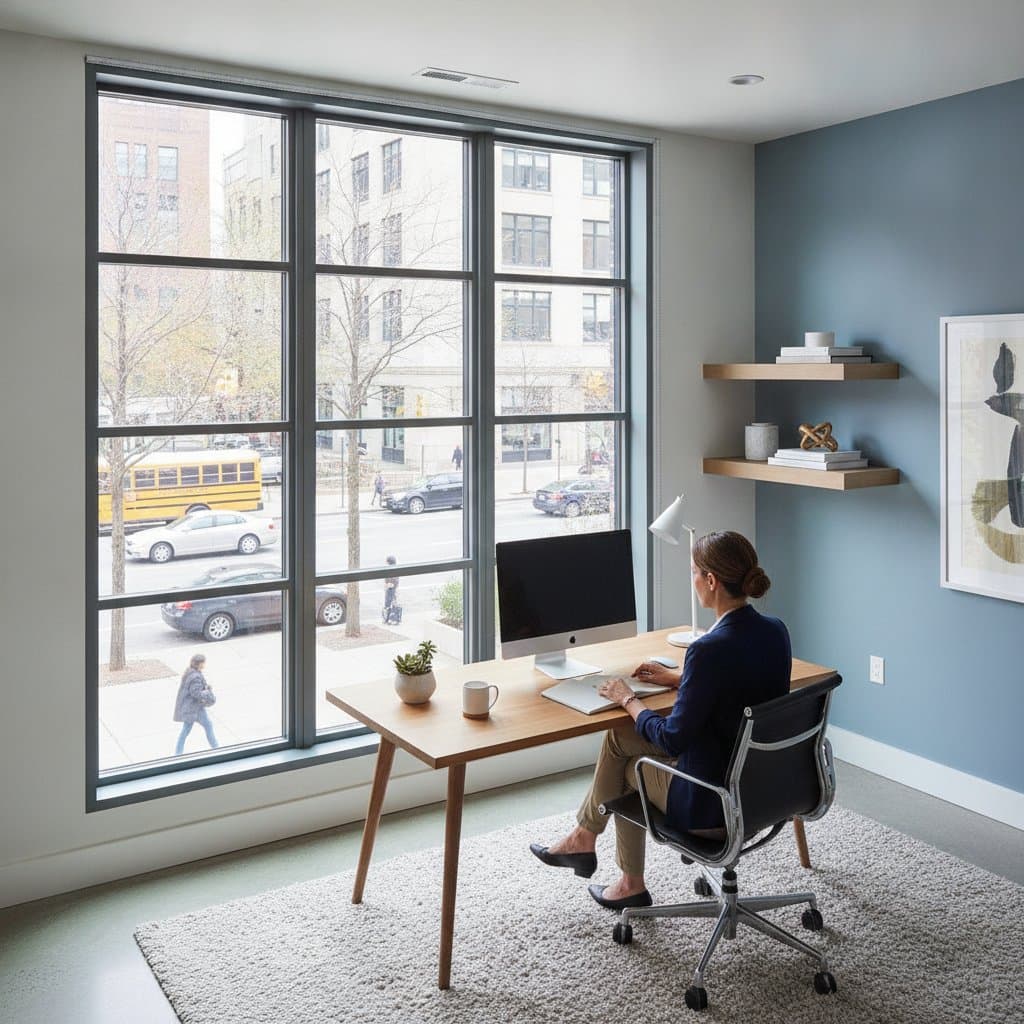
Smart glass works well in spaces that need both daylight and privacy control. Typical uses include bathroom enclosures, home offices, sunrooms, skylights, and interior partitions.
New construction allows easier integration during the design phase. Retrofitting remains possible but may add labor steps.
Expert Insight on Installation
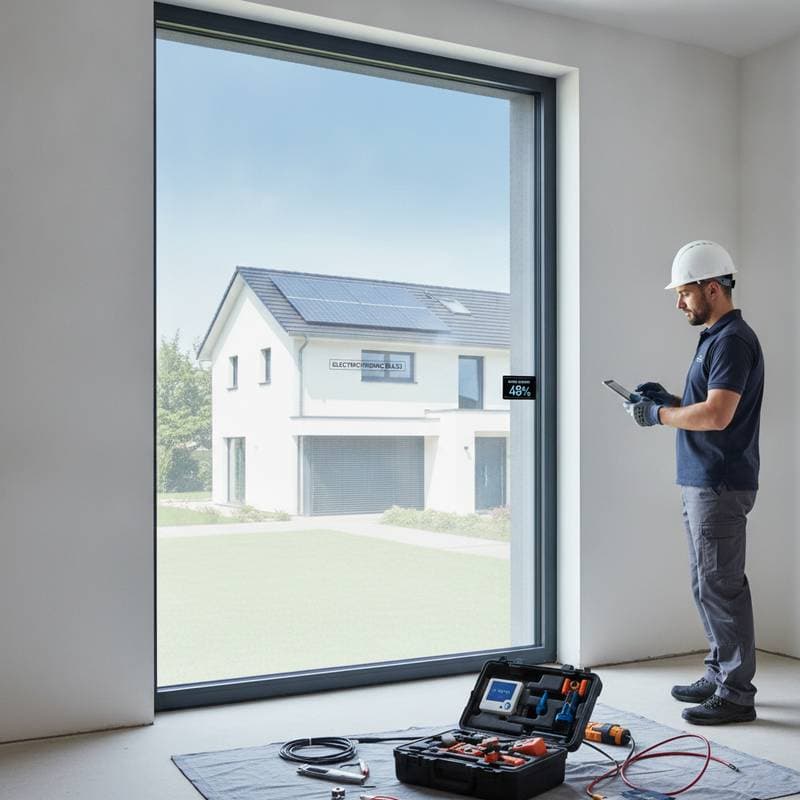
Professional installation ensures proper electrical connections and sealing. Glazing contractor Laura Chen emphasizes that smart glass demands precise techniques to maintain performance and warranty coverage.
Environmental and Energy Considerations
Smart glass reduces dependence on artificial lighting and HVAC systems. Automatic adjustments to sunlight help keep indoor temperatures stable throughout the year.
Planning Your Smart Glass Project
Obtain quotes from licensed installers experienced with smart glass. Discuss warranty terms, automation options, and energy ratings before purchase. This approach delivers privacy, efficiency, and design flexibility in a single upgrade.