Why Electrochromic Windows Are Replacing Blinds in 2026
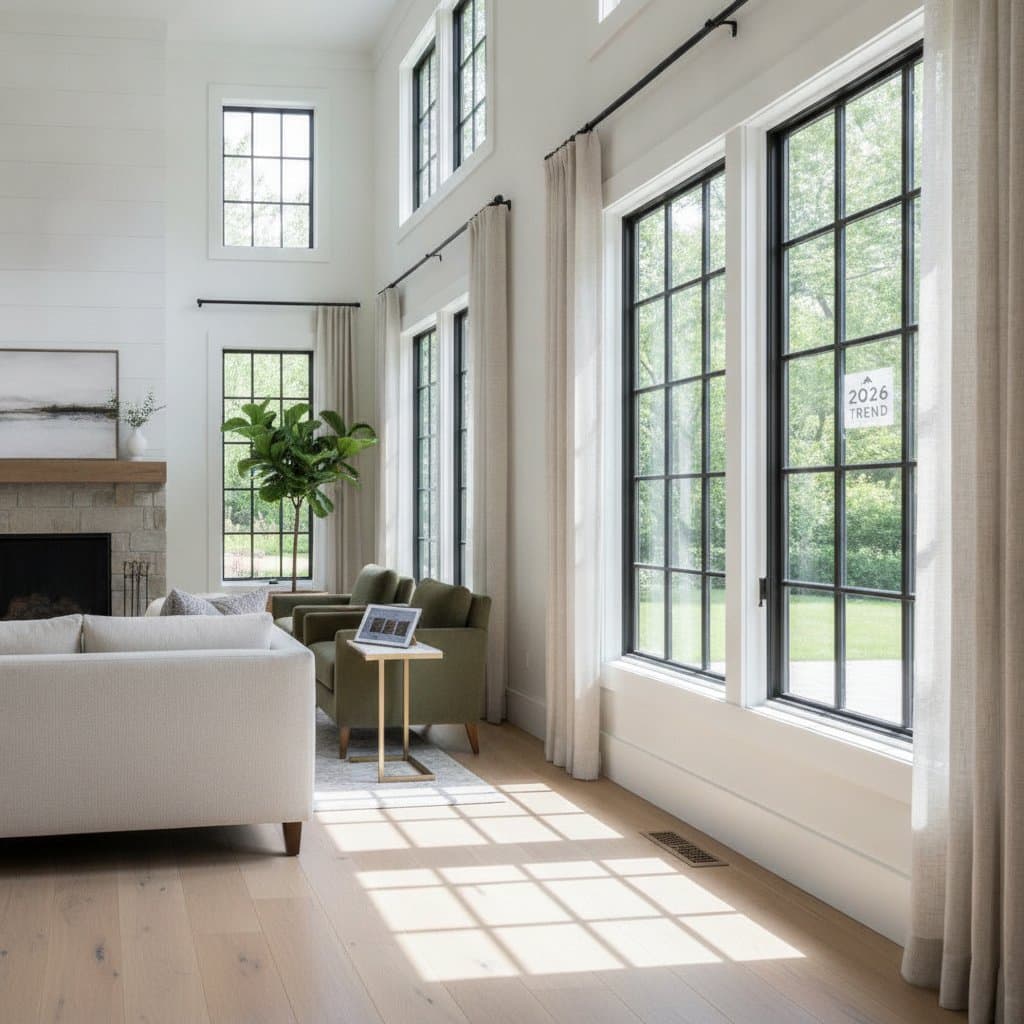
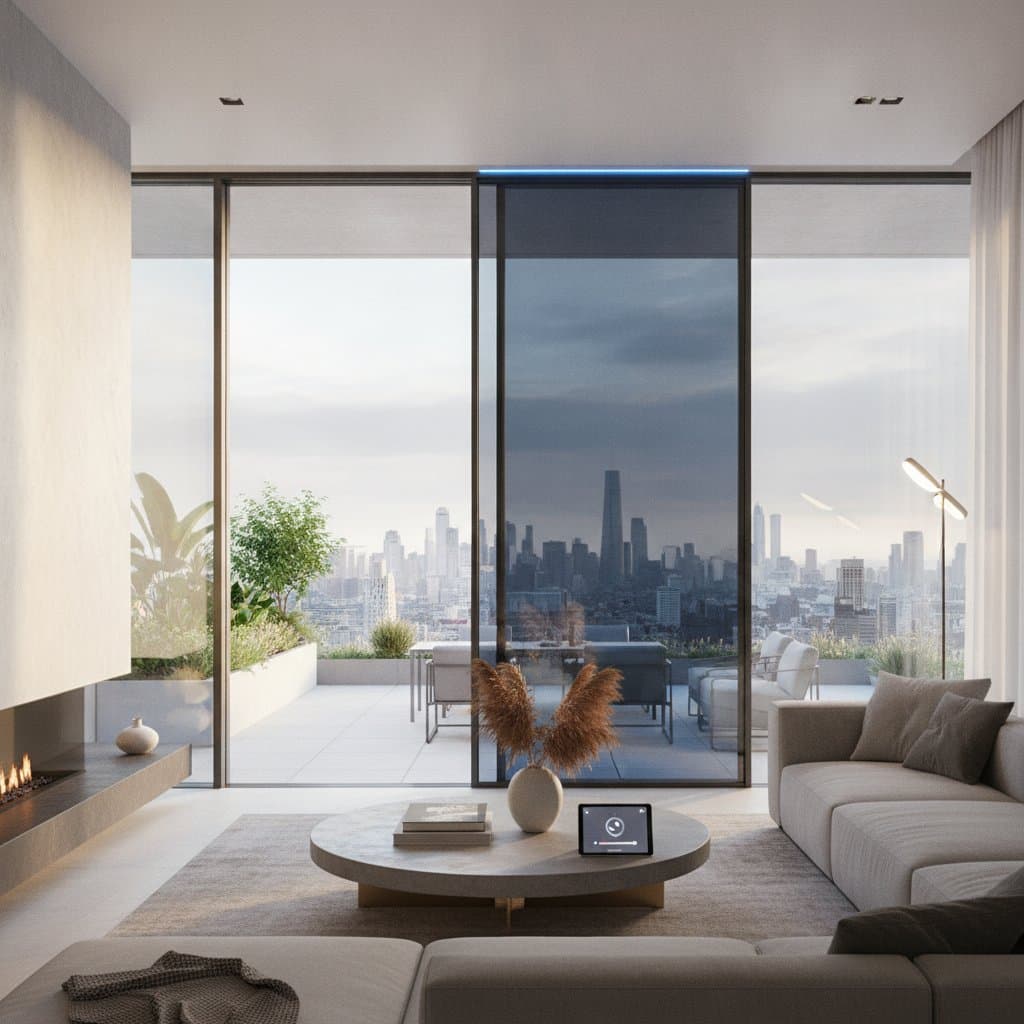
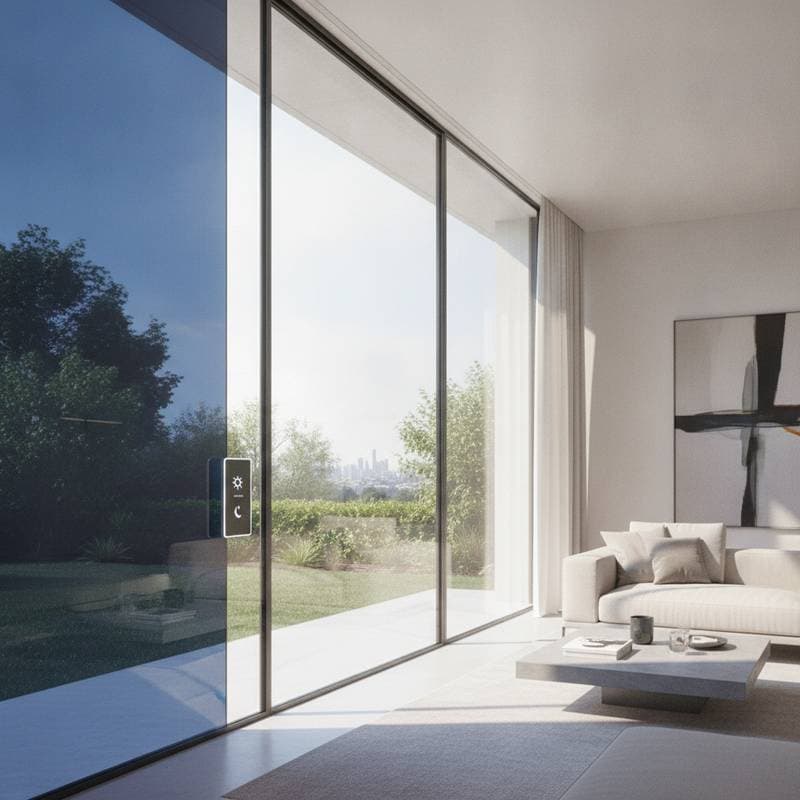
Homeowners are rethinking how they manage sunlight, privacy, and energy efficiency. The shift from traditional blinds and curtains to electrochromic windows is changing the look and function of modern exteriors. These smart glass systems adjust their opacity instantly. They offer a seamless way to control light while maintaining a clean, contemporary aesthetic.
This trend reflects the growing desire for homes that perform better and require less maintenance. Electrochromic windows adapt to daily life without constant manual adjustments. They suit minimalist homes with expansive glass walls as well as updated traditional designs.
Selecting Compatible Materials
- Windows: Choose glass with variable tinting technology that transitions from clear to frosted or tinted at the press of a button. Frame finishes in matte black, powder coated bronze, or brushed aluminum create a refined contrast against light colored siding. Anodized aluminum or composite fiberglass frames resist corrosion in coastal or humid climates.
- Doors: Pair electrochromic sidelights or transoms with solid core entry doors in complementary materials. A wood door with a dark walnut stain or a smooth fiberglass door painted in deep navy creates a balanced look next to smart glass panels.
- Siding: Smooth fiber cement or engineered wood siding supports the streamlined appearance that electrochromic windows encourage. Light neutral colors such as soft gray, sand beige, or off white help reflect sunlight.
- Trim and accents: Keep trim minimal to highlight the window edges. Narrow profile aluminum or composite trim ensures a crisp transition from wall to glass.
Common Installation Errors to Avoid
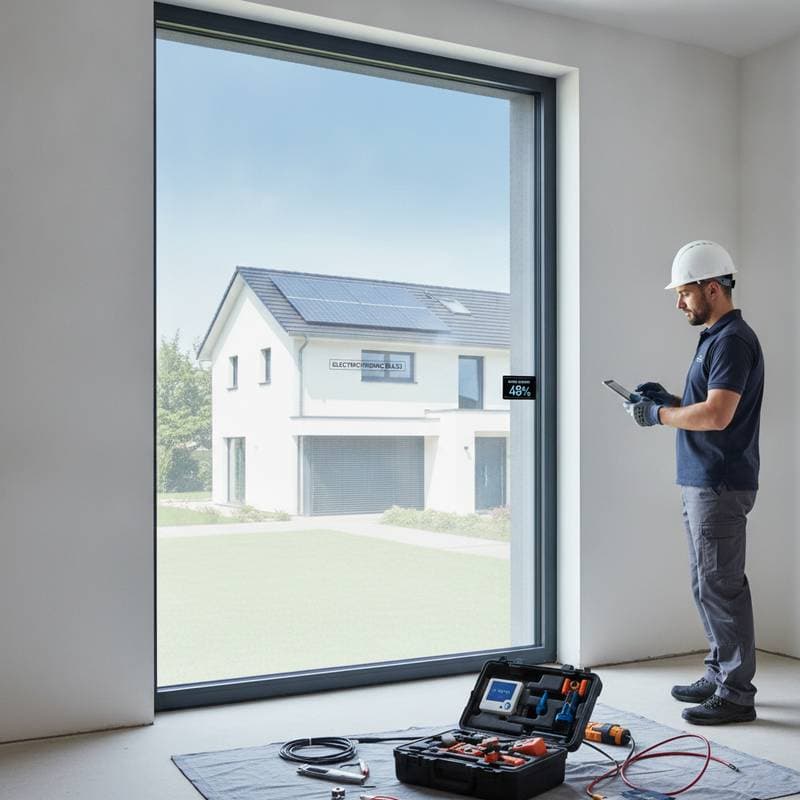
- Confirm that existing frames can handle the wiring and thickness of electrochromic units to prevent seal failures.
- Plan for power connections in advance. Concealed wiring inside mullions or trim maintains a clean look.
- Inspect systems regularly even though electrochromic windows require less care than blinds.
- Invest in certified products rather than the cheapest smart films to avoid uneven tinting or bubbles.
- Distribute window styles evenly across the home to maintain visual symmetry.
Preparation Steps Before Installation
Document the current exterior with clear visuals before making design decisions. Capture multiple angles including close ups of window trim, siding joints, and door framing. Identify defining architectural features that should remain unchanged. Verify neighborhood and HOA restrictions on frame colors and glass reflectivity. Record sun exposure patterns to anticipate tinting frequency. Clarify the total budget and prioritize areas for smart glass first.
Design Benefits of Electrochromic Windows
Electrochromic windows merge technology with design. They remove the clutter of blinds and curtains to give facades a smoother, integrated look. In minimalist architecture, uninterrupted glass surfaces emphasize geometry and proportion. In traditional homes, electrochromic sidelights or transoms add modern comfort without disrupting classic symmetry.
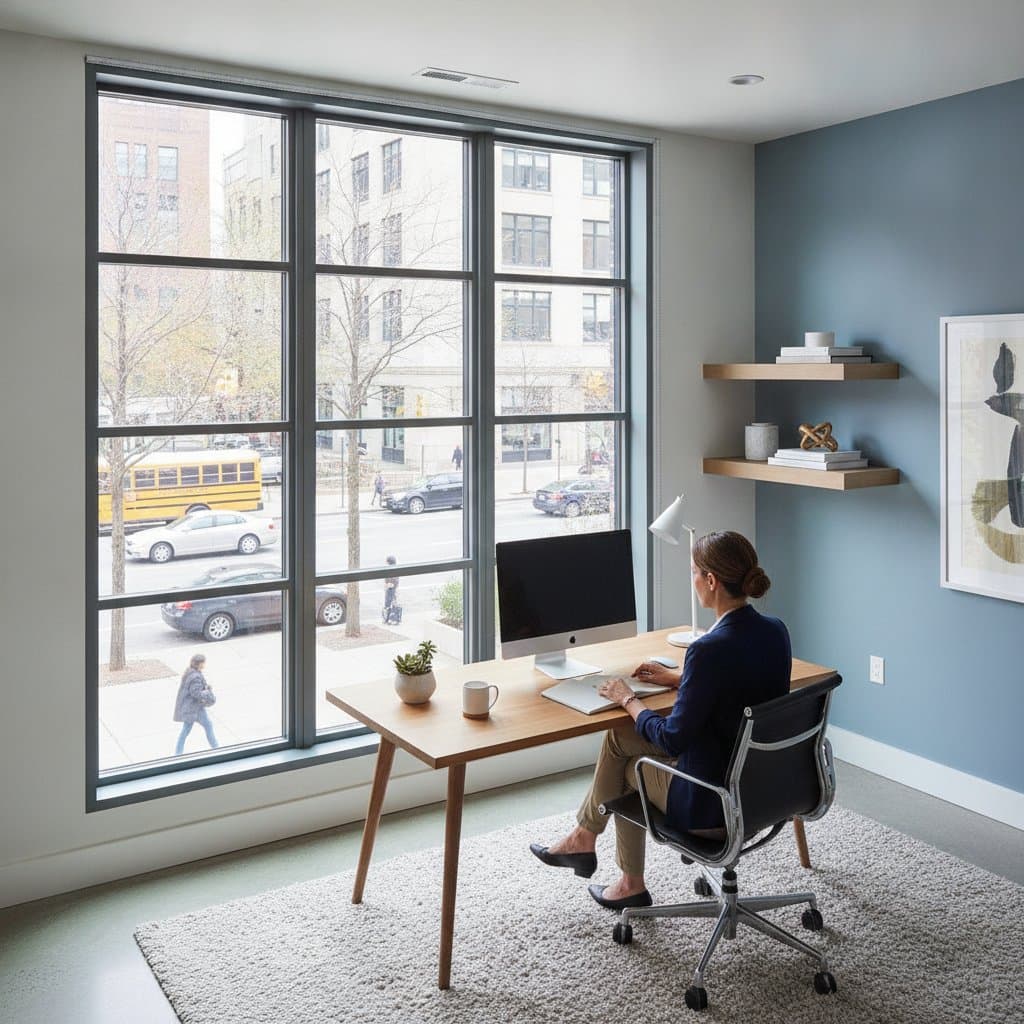
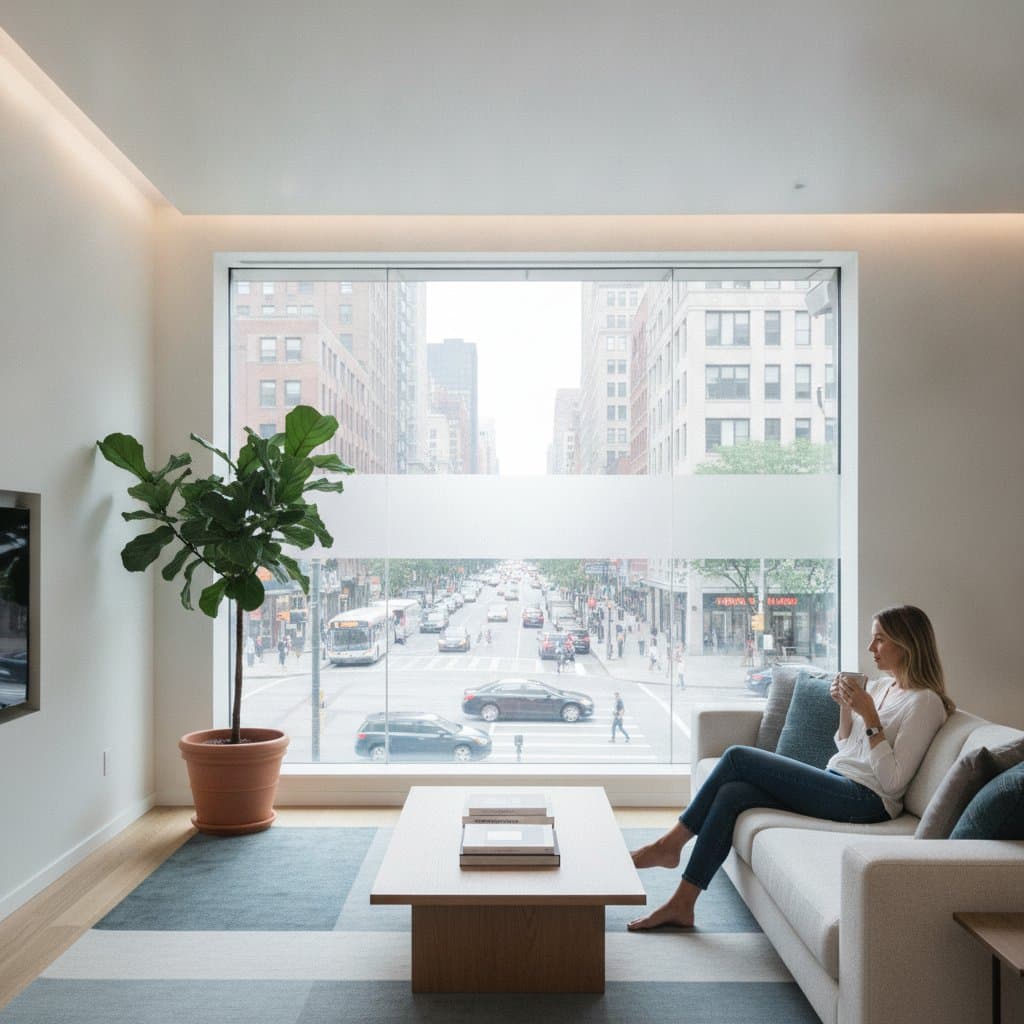
These windows balance daylight and privacy automatically. Morning light can flood interiors while afternoon glare is softened through self adjusting tinting. At night, privacy returns instantly without manual effort.
Energy Performance and Efficiency
Electrochromic glass contributes to lower cooling costs by reducing solar heat gain. When tinted, it blocks infrared radiation and glare. In colder climates, the clear state allows passive solar heating. The glass operates on low voltage electricity and consumes minimal power compared with mechanical shading systems.
Homeowners pursuing energy certifications find that electrochromic windows complement solar panels, efficient siding insulation, and low emissivity coatings.
Integration With Exterior Elements
Match frame profiles and finishes across all openings to achieve a cohesive exterior. Coordinate with door hardware finishes such as brushed nickel or matte black. For homes with mixed materials, electrochromic windows bridge transitions between wood, stone, and metal. Their reflective or tinted states complement texture variations in siding and roofing.
Smart glass also changes how outdoor lighting interacts with the home. During evening hours, tinted glass reflects landscape lighting elegantly while clear states create a warm interior glow visible from outside.
Long Term Performance and Care
Quality electrochromic systems are designed for long life that matches or exceeds standard insulated glass. The electronic layers are sealed between panes to protect them from moisture. Control systems can be updated or replaced without removing the glass. This approach delivers sustained comfort, reduced energy use, and a refined exterior appearance over many years.