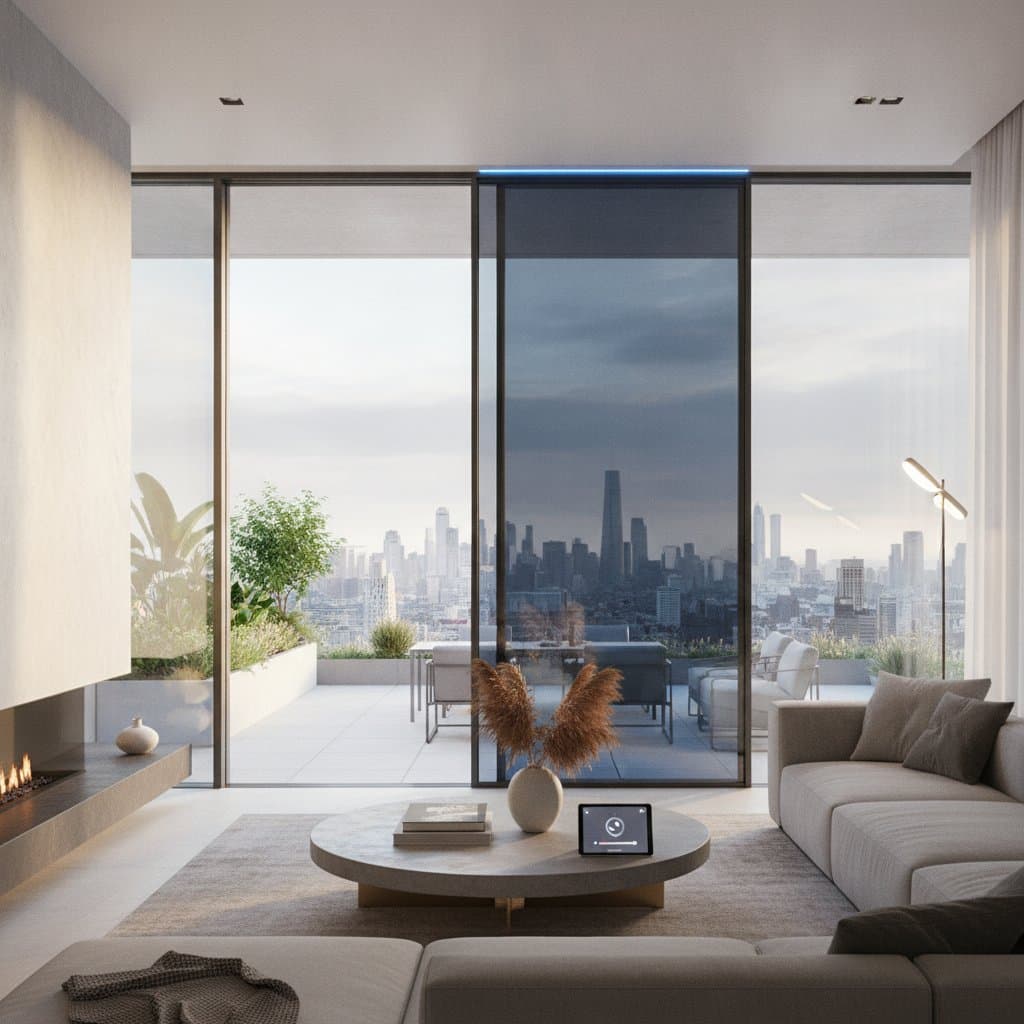

Acoustic Glass Cuts Noise Without Blocking Light
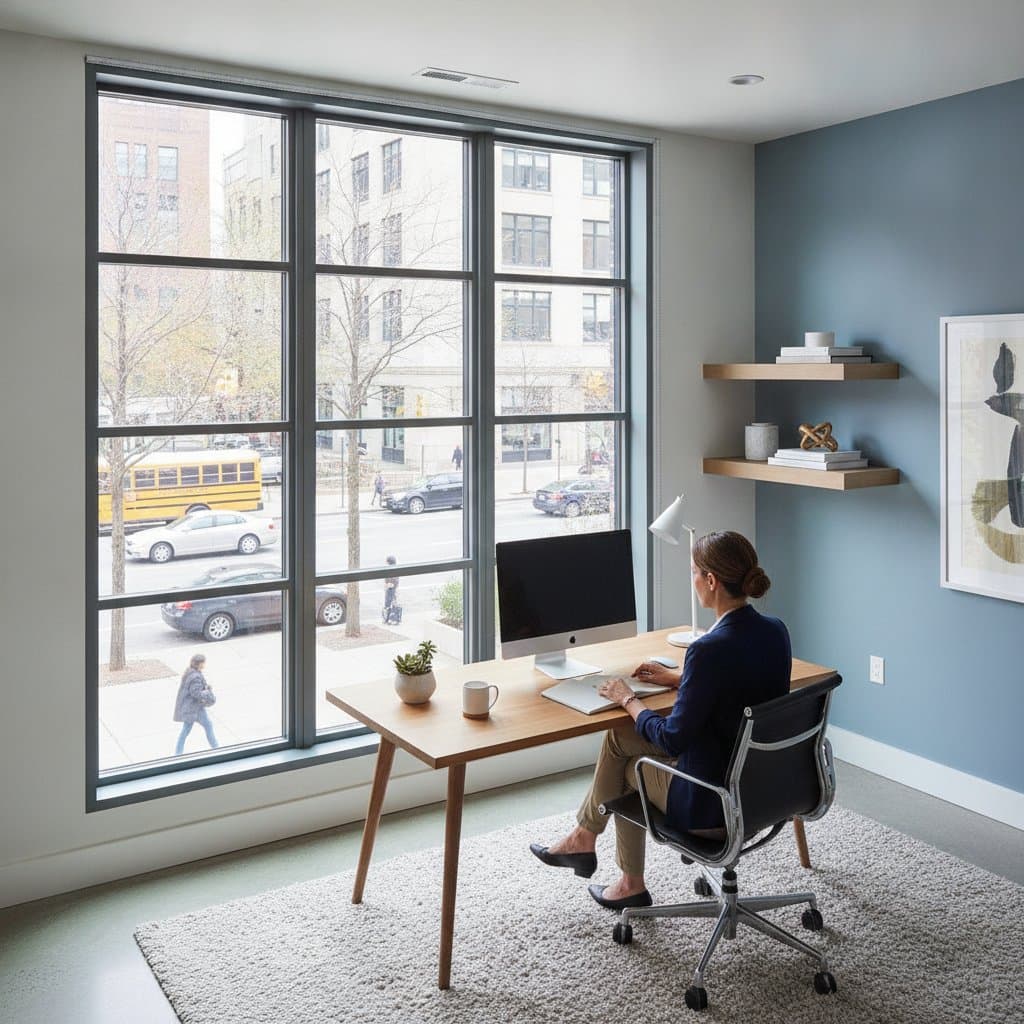
Noise has become a frequent intrusion in modern homes. Traffic, neighbors, and commercial activity often disturb rest and concentration. Homeowners seek solutions that reduce sound while retaining natural light and design appeal. Acoustic glass meets this need through a combination of performance and practicality.
Understanding Acoustic Glass
Acoustic glass lowers sound transmission through windows and doors. It consists of multiple glass layers bonded with a specialized interlayer. This interlayer absorbs vibrations before they reach the interior. The result is reduced external noise without loss of transparency.
The material suits both urban and suburban homes. It delivers strong insulation while preserving the clarity expected from standard windows. No special visual treatments are required.
How Acoustic Glass Works
Standard glass permits sound waves to pass with little resistance. Acoustic glass interrupts this path. The interlayer dampens vibrations across different frequencies. Low frequency sounds such as traffic require thicker configurations than higher frequency sounds such as speech.
Performance is rated by Sound Transmission Class values. Standard single pane windows often score near 25. Acoustic glass commonly exceeds 40. Residents notice a clear improvement in interior quietness.
Comparing Acoustic Glass to Other Noise Control Methods
Homeowners consider several options before choosing acoustic glass. The following table outlines key differences.
| Option | Initial Cost | Lifespan | Maintenance | Best For |
|---|---|---|---|---|
| Heavy Curtains | Low | Medium | Regular cleaning | Minor noise reduction |
| Double Glazing | Moderate | Long | Minimal | Balanced energy and noise control |
| Wall Insulation | Moderate to High | Long | Hidden maintenance | Structural noise reduction |
| Acoustic Glass | Moderate to High | Long | Minimal | Significant window based noise control |
Acoustic glass addresses noise at windows, a common weak point in building envelopes. It also adds thermal and security advantages.
Lifestyle and Aesthetic Considerations
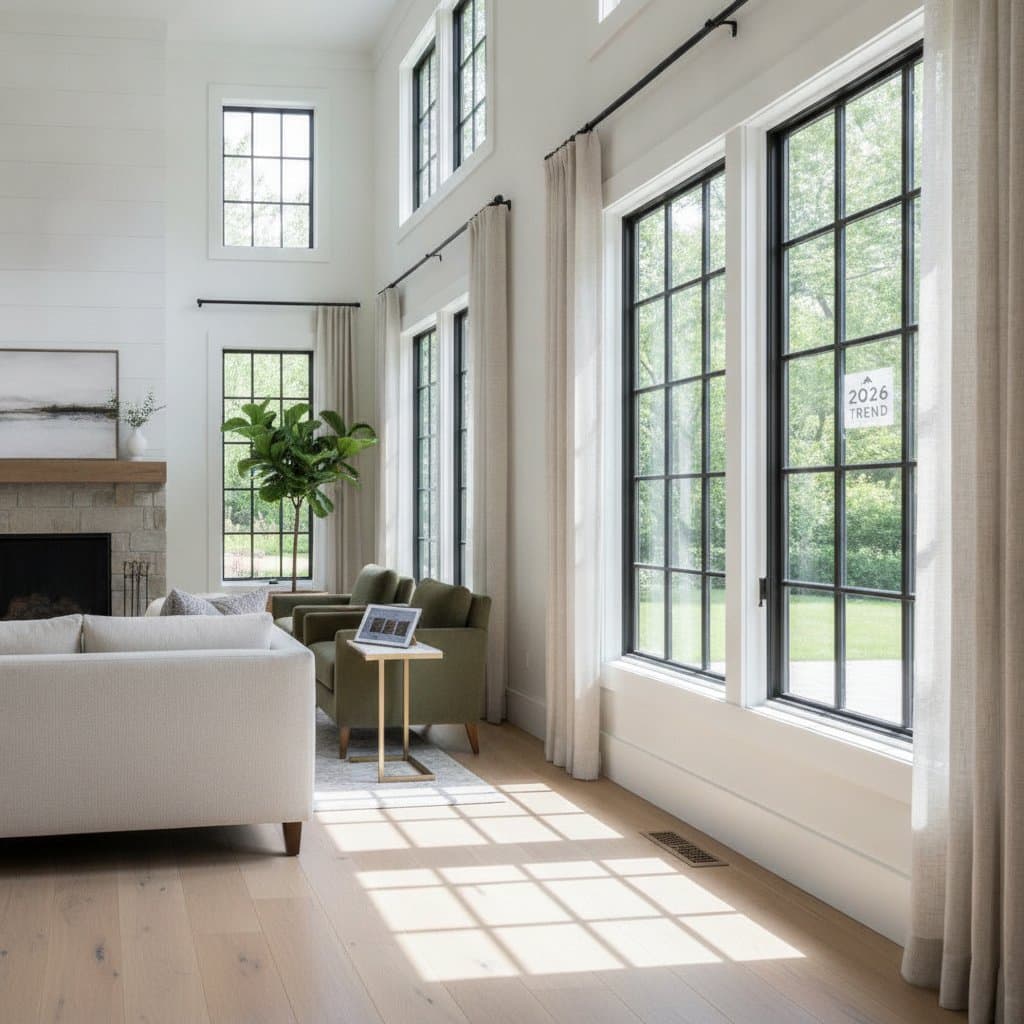
Quieter interiors support better focus during remote work and improved sleep. Acoustic glass maintains an open connection to outdoor views. It appears identical to ordinary glass and accepts clear, frosted, or tinted finishes.
The product fits modern aluminum frames, traditional timber windows, and interior partitions. Design flexibility remains intact throughout the home.
Installation and Process Overview
Professional installation ensures proper performance. The steps include the following.
- Planning and evaluation: An installer assesses existing frames, identifies noise sources, and selects appropriate thickness and interlayers.
- Preparation steps: Frames are checked for gaps. All air leaks are sealed because even small openings reduce effectiveness.
- Main implementation: Old glass is removed and new panes are fitted with airtight, flexible sealant.
- Quality assurance: Windows are tested for tight closure and absence of drafts or rattles.
- Completion and follow up: Homeowners receive instructions for routine cleaning and periodic seal inspection.
Cost and Long Term Value
Prices vary with thickness, composition, and size. The investment often yields returns through higher property appeal and energy savings when paired with insulated frames. The laminated structure resists breakage and maintains acoustic performance over time.
Environmental and Climate Factors
Solar control coatings can be added in warm regions to limit heat gain. Low emissivity coatings help retain warmth in cooler climates. Regional building codes near roads or airports may also favor acoustic glass for compliance.
Selecting the Right Acoustic Glass for Your Home
A busy intersection may require multiple interlayers. A quieter suburban setting may need only a single enhanced layer. Evaluate noise type, window orientation, privacy needs, and budget before purchase. An experienced installer can match specifications to measured conditions.
Acoustic glass delivers lasting comfort and preserves natural light in any setting.