Electrochromic Film Turns Windows into Switchable Privacy Glass
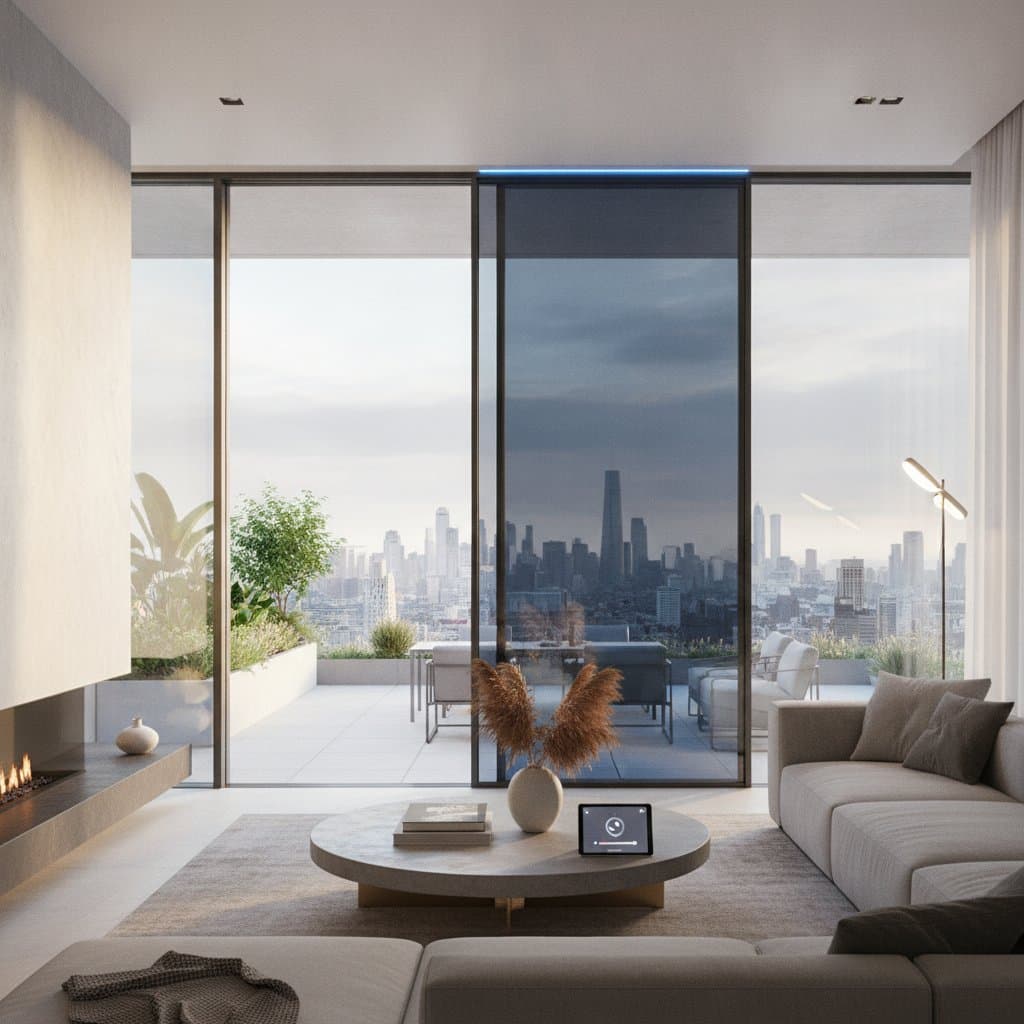
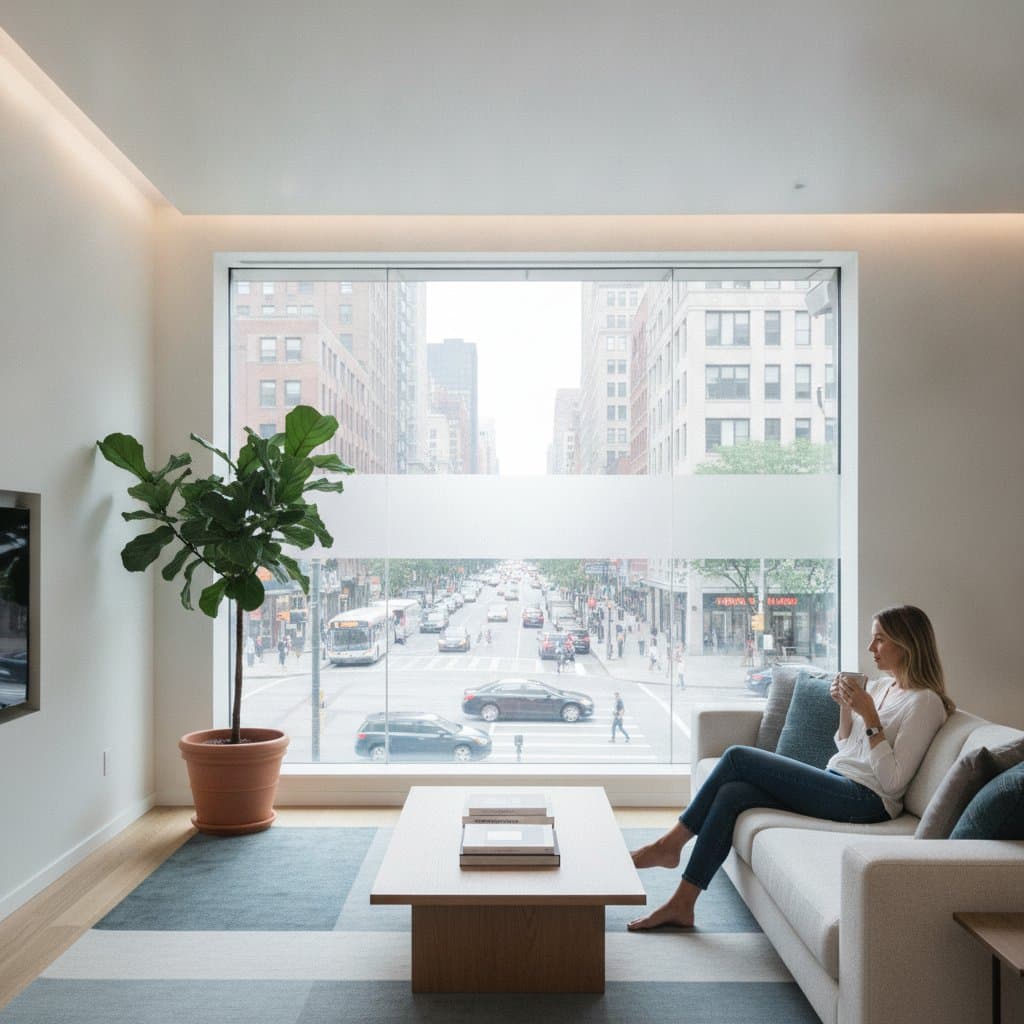
Smart window technology has moved from luxury projects into mainstream home upgrades. One popular option applies electrochromic film directly to existing glass. Homeowners can add this layer for about $800 per window on average. The film switches from clear to opaque at the press of a button.
How the Film Creates Privacy on Demand
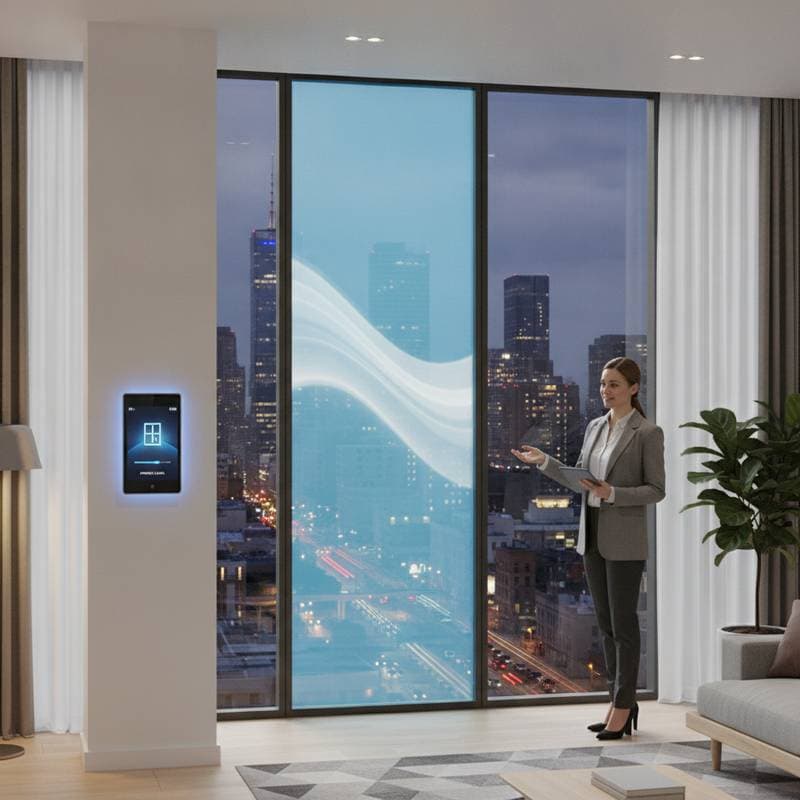
Electrochromic film contains electrically charged particles between transparent layers. Power applied to the film changes light transmission and produces a frosted appearance. Users gain instant privacy without blinds or curtains. Many systems link to smart home platforms for app or voice control.
The same film reduces glare and blocks up to 99 percent of ultraviolet rays. It also limits solar heat gain, which supports lower cooling costs. Installation requires only surface application rather than full window replacement.
Cost Ranges for Materials and Labor
Prices vary with window size, film grade, and control options.
| Material or Service | Cost Range | Key Features |
|---|---|---|
| DIY electrochromic film | $250 to $500 per window | Peel-and-stick application, basic warranty |
| Professional film | $600 to $1,000 per window | Even tinting, wiring included |
| Full smart glass unit | $1,500 to $3,000 per window | Factory-integrated panel, highest efficiency |
Professional labor adds $200 to $400 per window. Most full-house projects fall between $3,000 and $8,000.
Elements That Affect Total Price
Window dimensions and shape influence film cutting and wiring needs. Basic switches cost less than full smart-home integration. Damaged glass must be repaired before film application. Urban labor rates and premium film grades also raise the final amount.
Steps in a Professional Installation
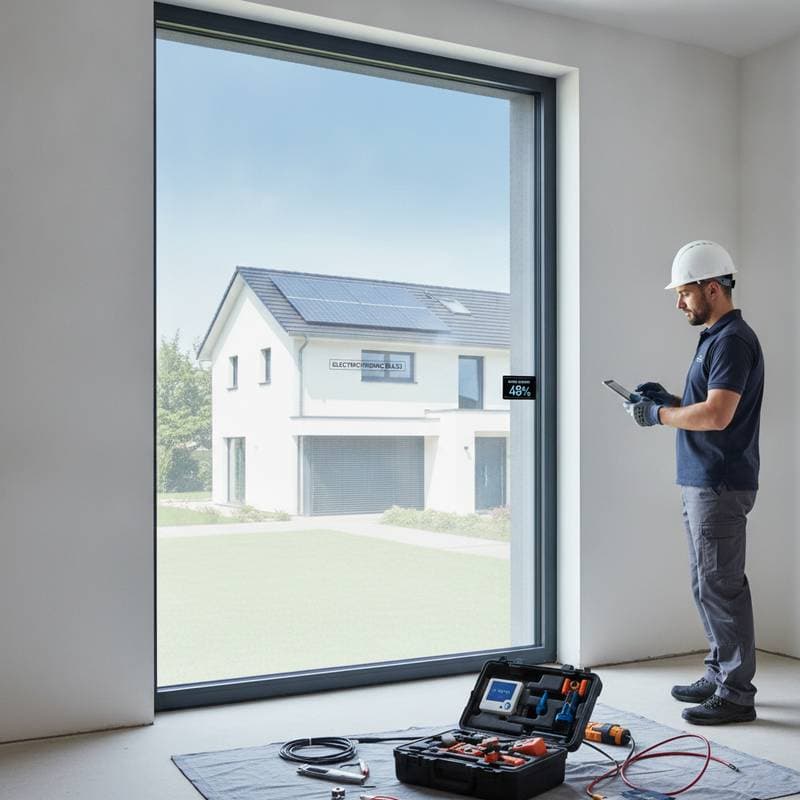
Installers begin with thorough glass cleaning. They apply the film with specialized adhesives and smooth out air pockets. Thin wires connect to a hidden power supply. Technicians then set up switches or app controls and test the transition between clear and opaque states. The process usually takes one to two hours per window.
Energy Savings and Daily Comfort
Strategic use of the film can cut cooling costs by 10 to 20 percent. It also protects furnishings from fading. Homeowners report reduced screen glare and more consistent indoor temperatures.
Comparison with Traditional Privacy Solutions
| Option | Cost Range | Advantages | Drawbacks |
|---|---|---|---|
| Blinds or shades | $150 to $400 per window | Simple install, many styles | Need regular cleaning, block light |
| Frosted static film | $50 to $200 per window | Low price, decorative options | Permanent change, no adjustment |
| Electrochromic film | $600 to $1,000 per window | Instant control, energy benefits | Higher initial cost, requires power |
The higher upfront expense often pays off through lower maintenance and a cleaner appearance.
Expected Lifespan and Upkeep
Properly installed film lasts 10 to 20 years. Cleaning requires only a soft cloth and mild glass solution. Sections can be replaced individually if needed. Annual checks of wiring and controls keep performance consistent.
Next Steps for Homeowners
Schedule a site visit with a certified installer to measure windows and review power options. The investment delivers responsive privacy, UV protection, and modest energy savings while maintaining a streamlined interior look.