Smart Clarity: Why Electrochromic Windows Are Booming in 2026
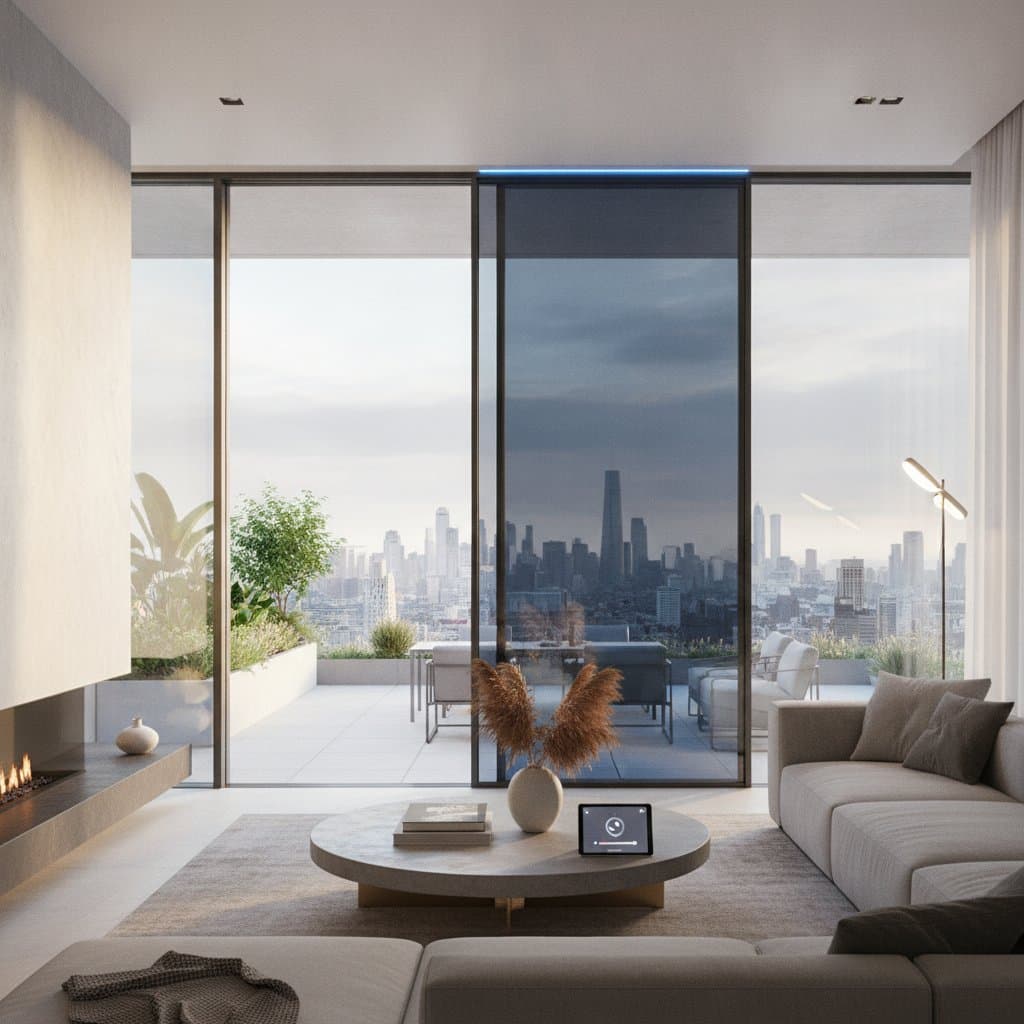
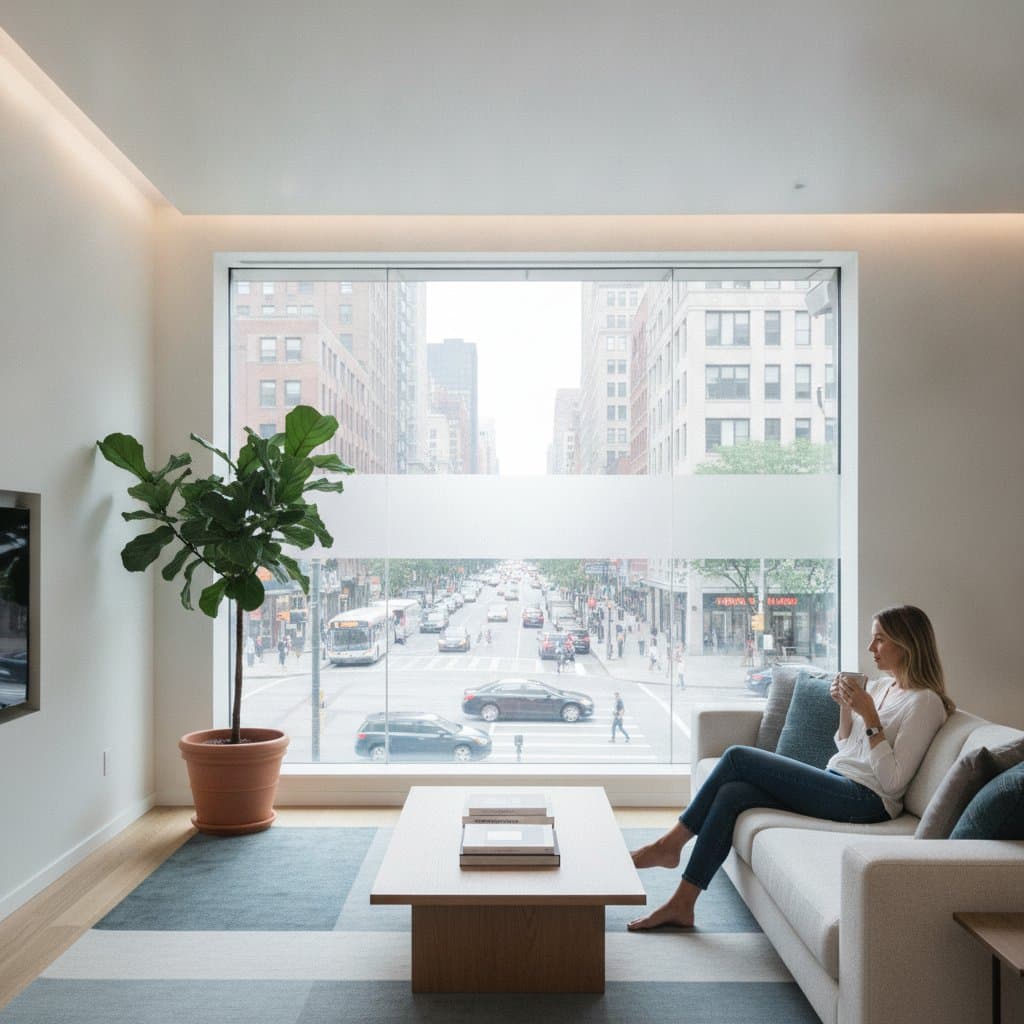
Electrochromic windows adjust their tint through a low voltage electrical charge. This shift occurs automatically via sensors or through manual controls. The technology eliminates traditional blinds while preserving clean architectural lines.
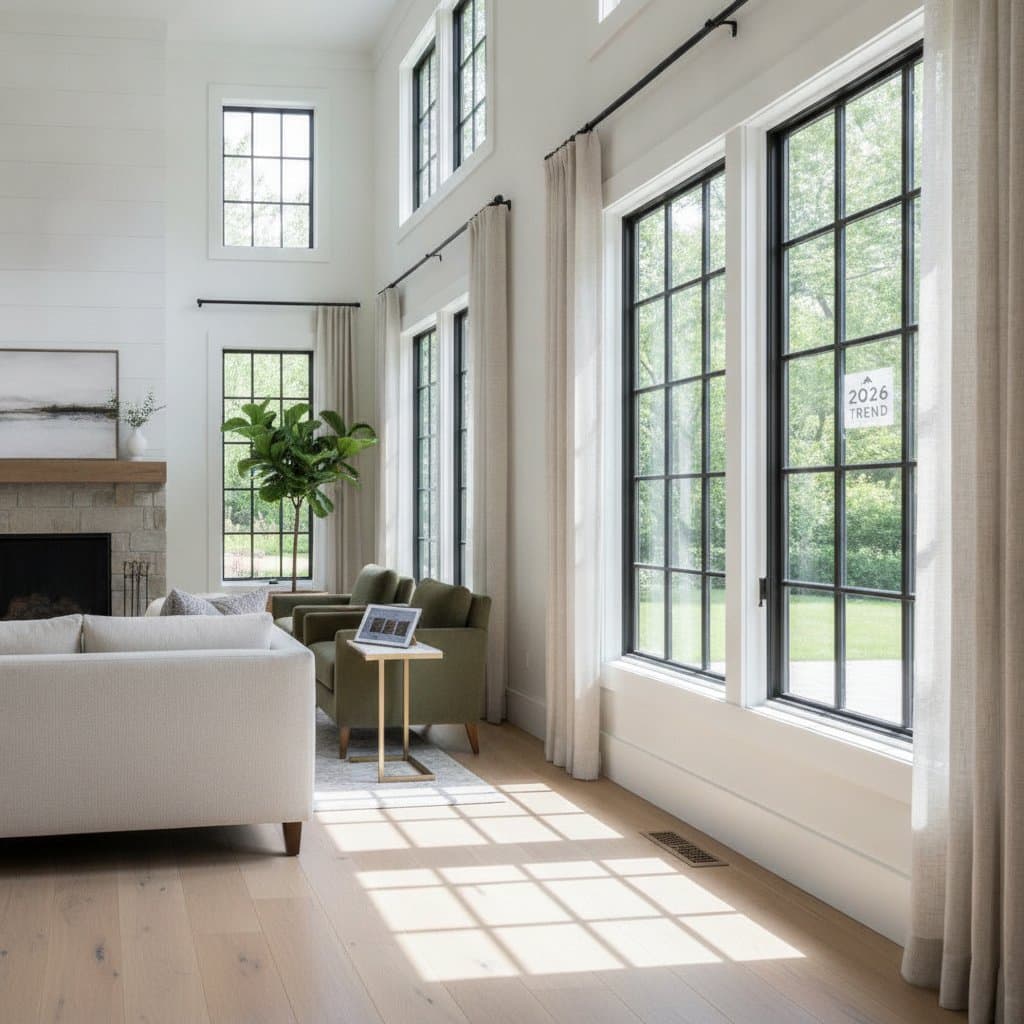
Homeowners gain energy savings alongside modern aesthetics. The windows suit both minimalist glass expanses and classic facades. They balance comfort, privacy, and sustainability without added window treatments.
Budget Tiers for Installation
Entry level range of 6000 to 10000 dollars
- Install smaller panels in south facing rooms that receive the strongest sunlight.
- Combine smart glass sections with standard insulated windows in secondary spaces.
- Select manual controls to limit wiring expenses while retaining tint adjustment.
Mid level range of 12000 to 20000 dollars
- Pair electrochromic units with insulated frames for uniform exterior appearance.
- Connect the system to home automation that responds to sunlight intensity and indoor temperature.
- Place larger picture windows or doors in primary living areas to maximize visual impact.
Premium range of 25000 to 40000 dollars
- Equip the entire home with coordinated panels across windows, skylights, and doors.
- Specify coatings that deliver rapid tint changes and gradient shading options.
- Conceal wiring within custom finished frames that match the overall design.
Material and Finish Selections
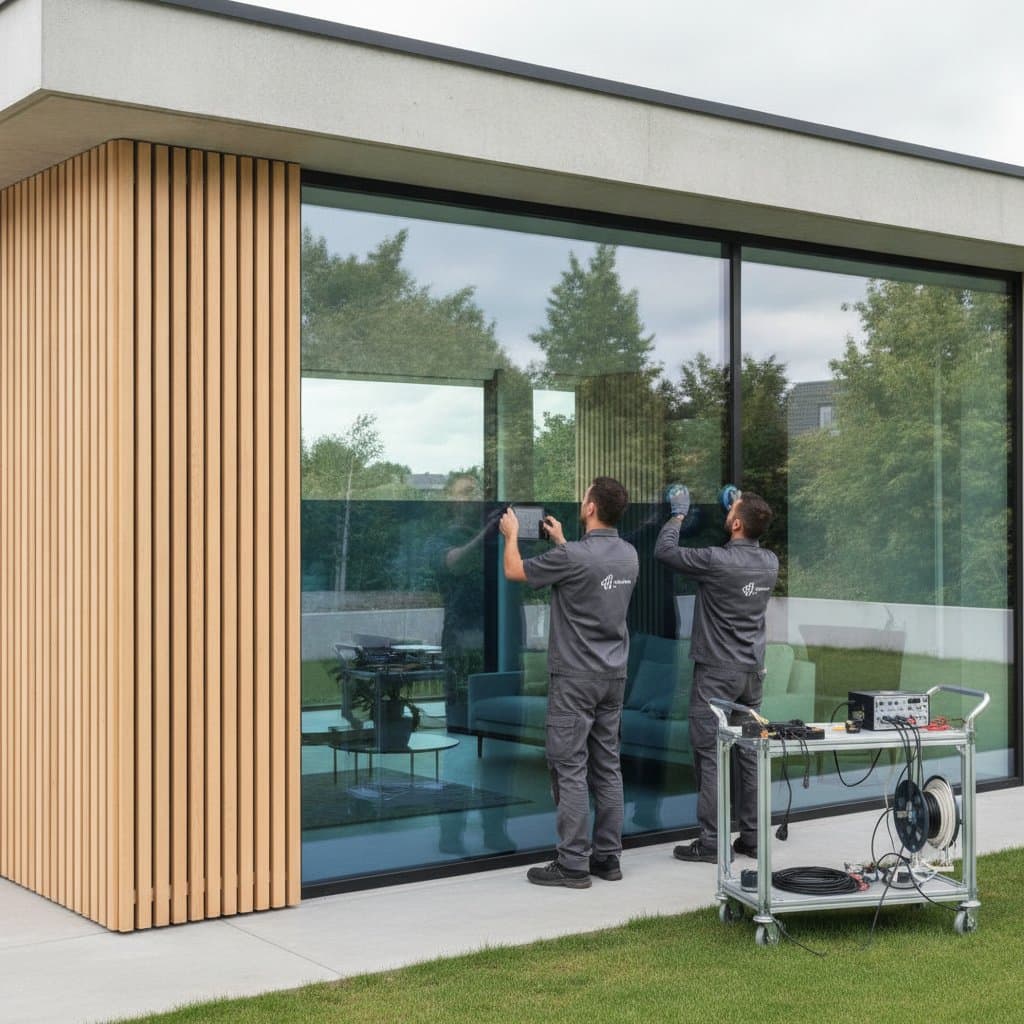
Choose slim aluminum or composite frames in black, bronze, or soft gray. Low iron glass maintains clarity in the clear state. Sliding patio doors with matching electrochromic panels extend control to outdoor spaces. Smooth fiber cement siding in charcoal or slate tones emphasizes the reflective surface. Minimal matte black hardware and linear exterior lighting complete the restrained profile.
Routine Care and Longevity
The sealed electrical layers require only occasional non abrasive cleaning. Inspect frame seals every three years in regions with extreme temperature variation. Software calibration maintains automated performance. Energy reductions and the absence of curtains offset periodic service costs.
Installation Pitfalls to Prevent
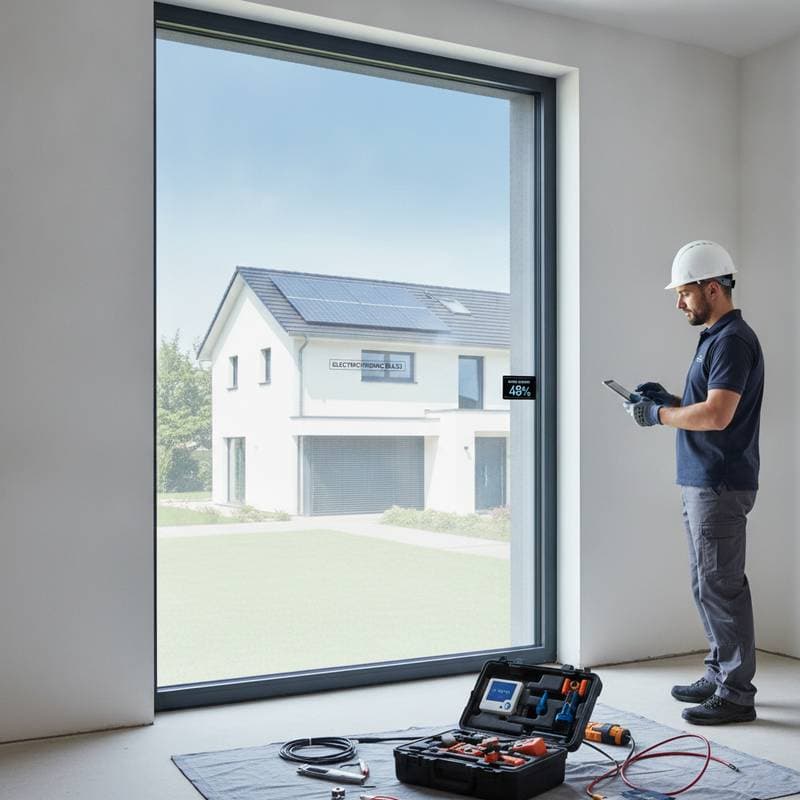
Verify that existing frames accept the added thickness and wiring before purchase. Add extra heat reflective coatings in high sun climates. Set automation schedules that preserve adequate daylight rather than constant dark tint. Confirm electrical capacity before committing to full automation.
Palette Combinations That Work
- Urban Minimalist pairs charcoal siding with black frames and smoky tint transitions.
- Warm Modern uses sand siding, bronze frames, and blue gray shading.
- Coastal Calm combines pale siding, silver frames, and light blue tint.
- Traditional Revival blends navy siding, off white trim, and neutral gray levels.
- Industrial Edge features dark metal accents with full range tint control.
Thermal and Privacy Benefits
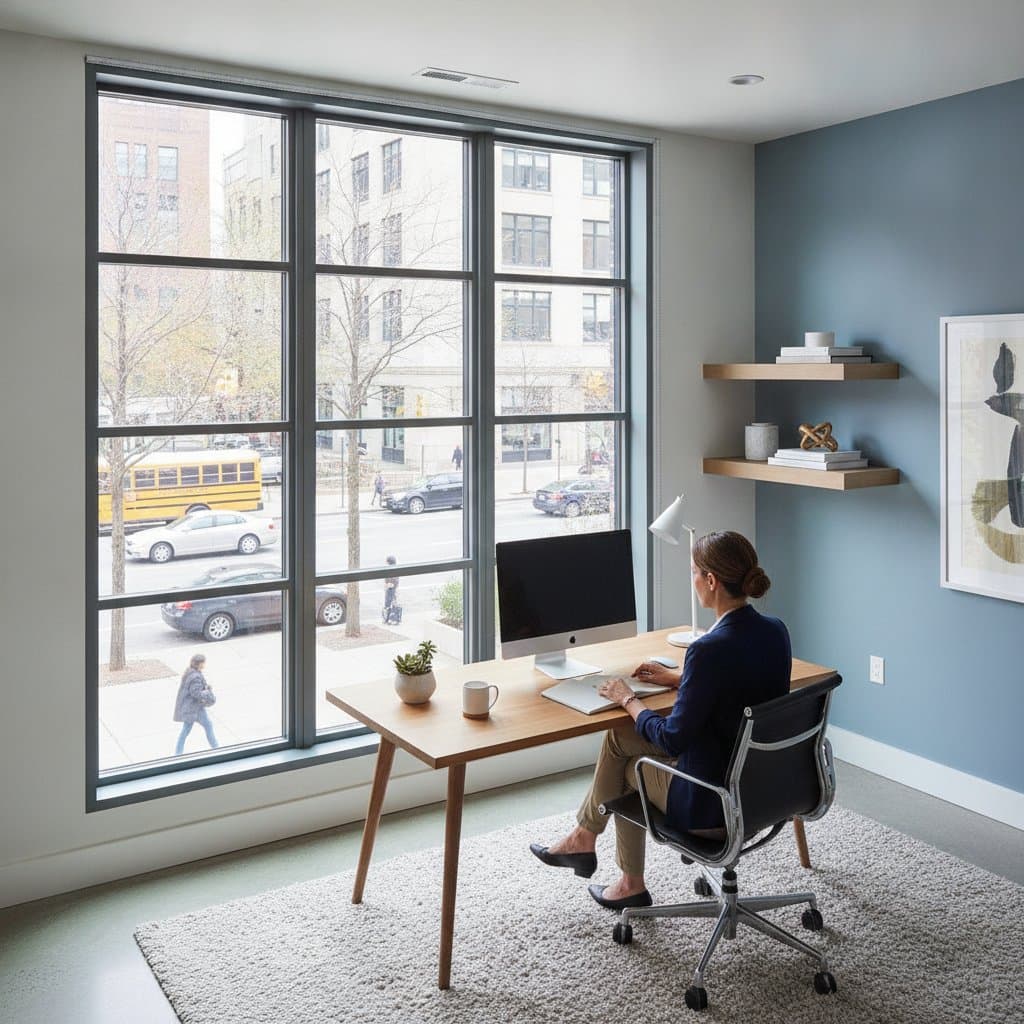
The glass reduces solar heat gain in peak hours and admits warmth when clear. Air conditioning loads drop while interior temperatures stabilize. A single command shifts the surface from transparent to opaque for immediate privacy. The changing tint creates a responsive exterior surface that interacts with daily light cycles.
Coordination Steps for Cohesive Results
Align window groupings with existing horizontal or vertical architectural lines. Position exterior wall washing lights to accent reflections after dark. Balance interior recessed fixtures near windows to offset shifting interior brightness.
Pre Project Documentation
Collect exterior photographs from all angles. Note trim details and rooflines. Review neighborhood guidelines on reflectivity. Record seasonal sun exposure and temperature ranges. Define priority zones and electrical allowances within the budget.
Final Planning Notes
Electrochromic windows deliver measurable performance alongside architectural interest. Careful selection of scale, controls, and finishes produces exteriors that remain both efficient and visually engaging over time.