Self-Dimming Electrochromic Windows: 2026's Smart Trend
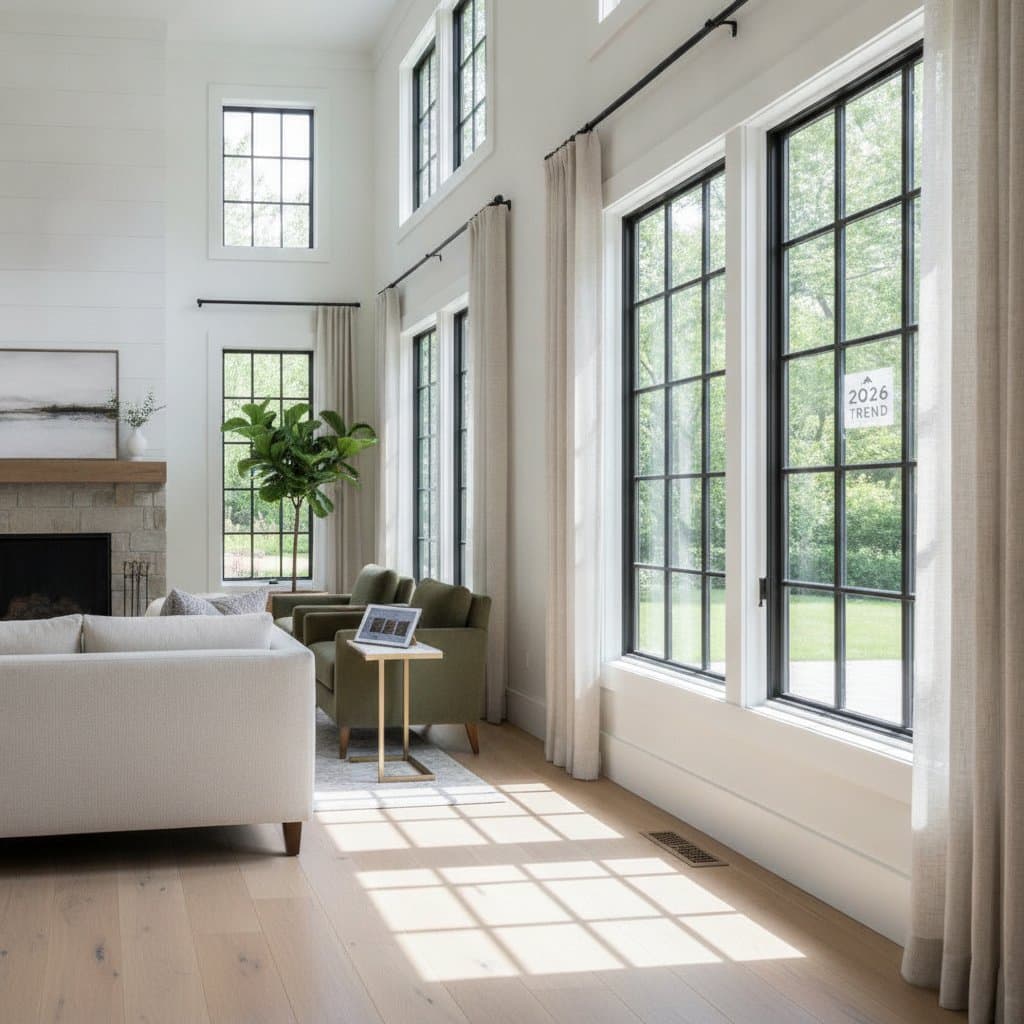
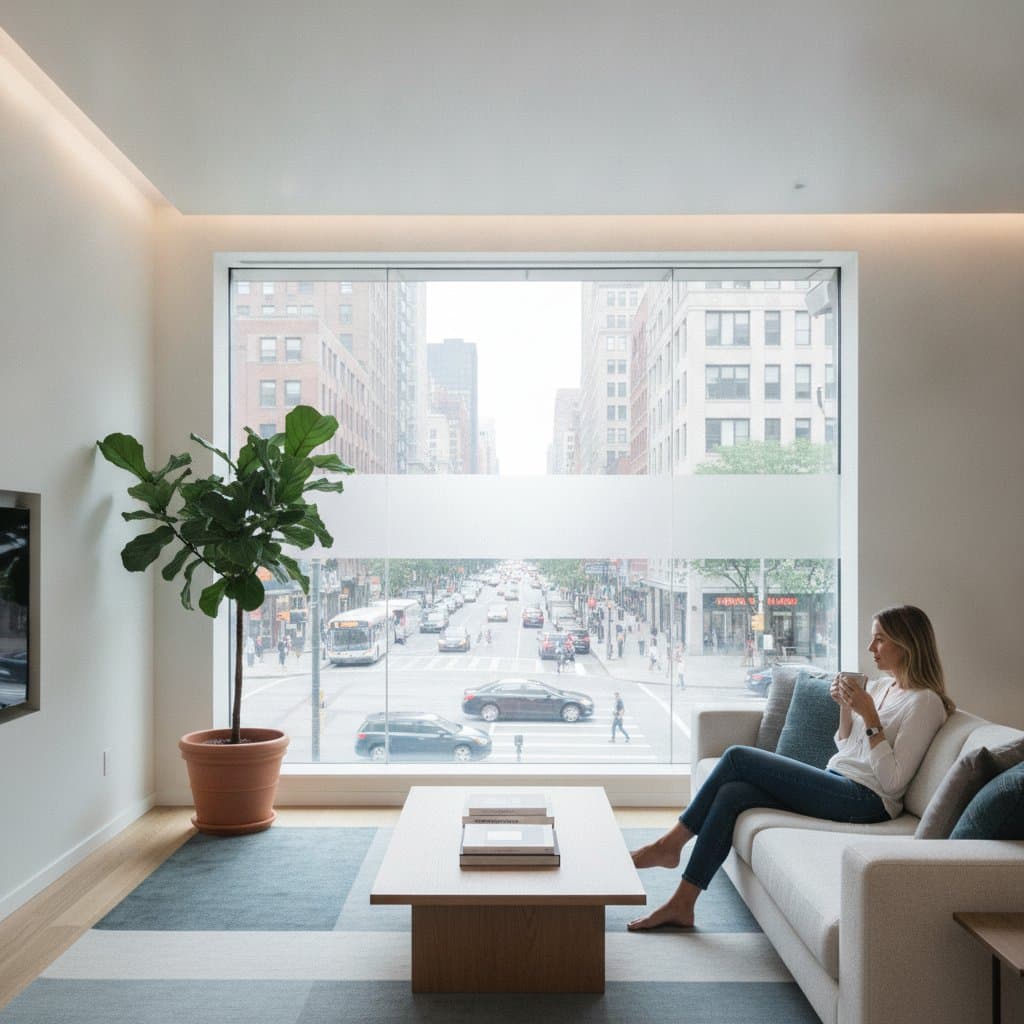
Homeowners seeking energy-efficient upgrades are turning to self-dimming electrochromic windows. These dynamic glass systems automatically adjust their tint in response to sunlight. They reduce glare, improve comfort, and lower energy costs. If you are exploring home window replacements or upgrades, this technology merits serious consideration.
How Electrochromic Windows Function
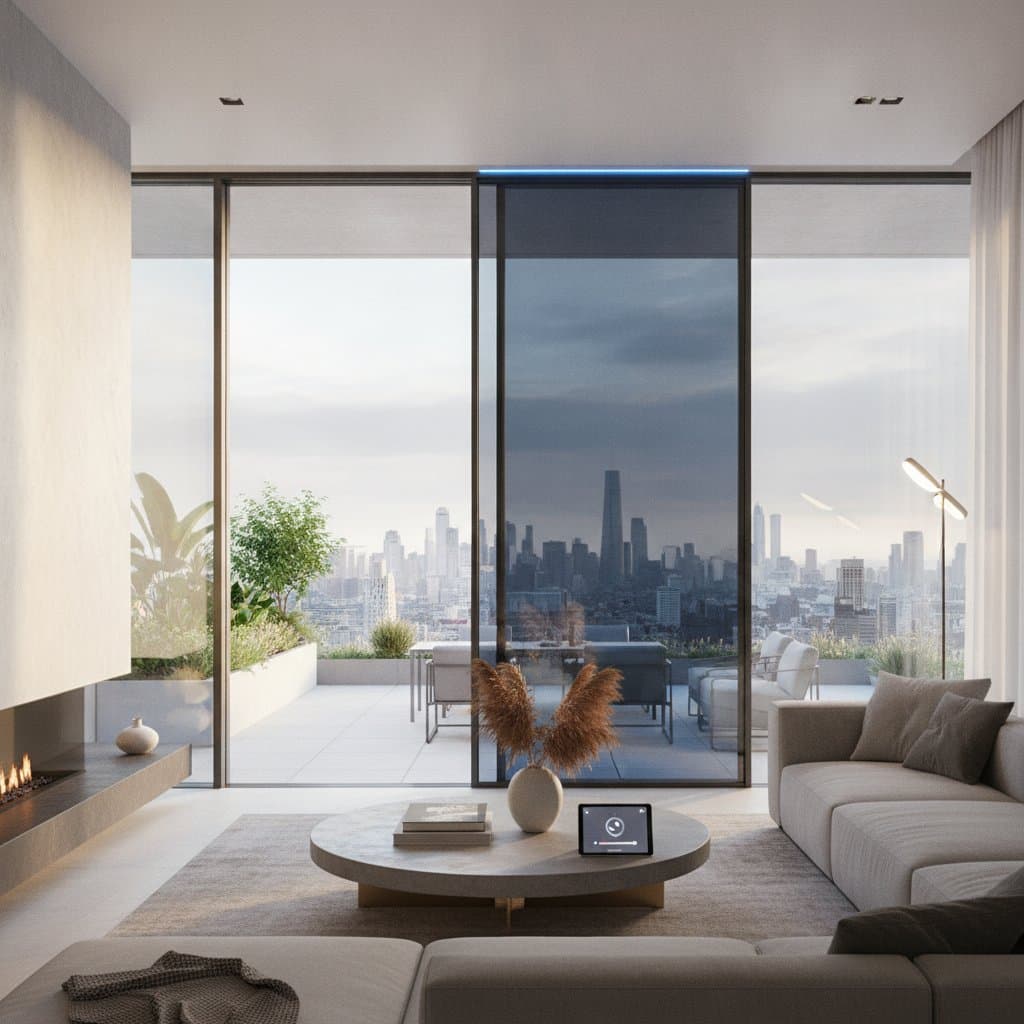
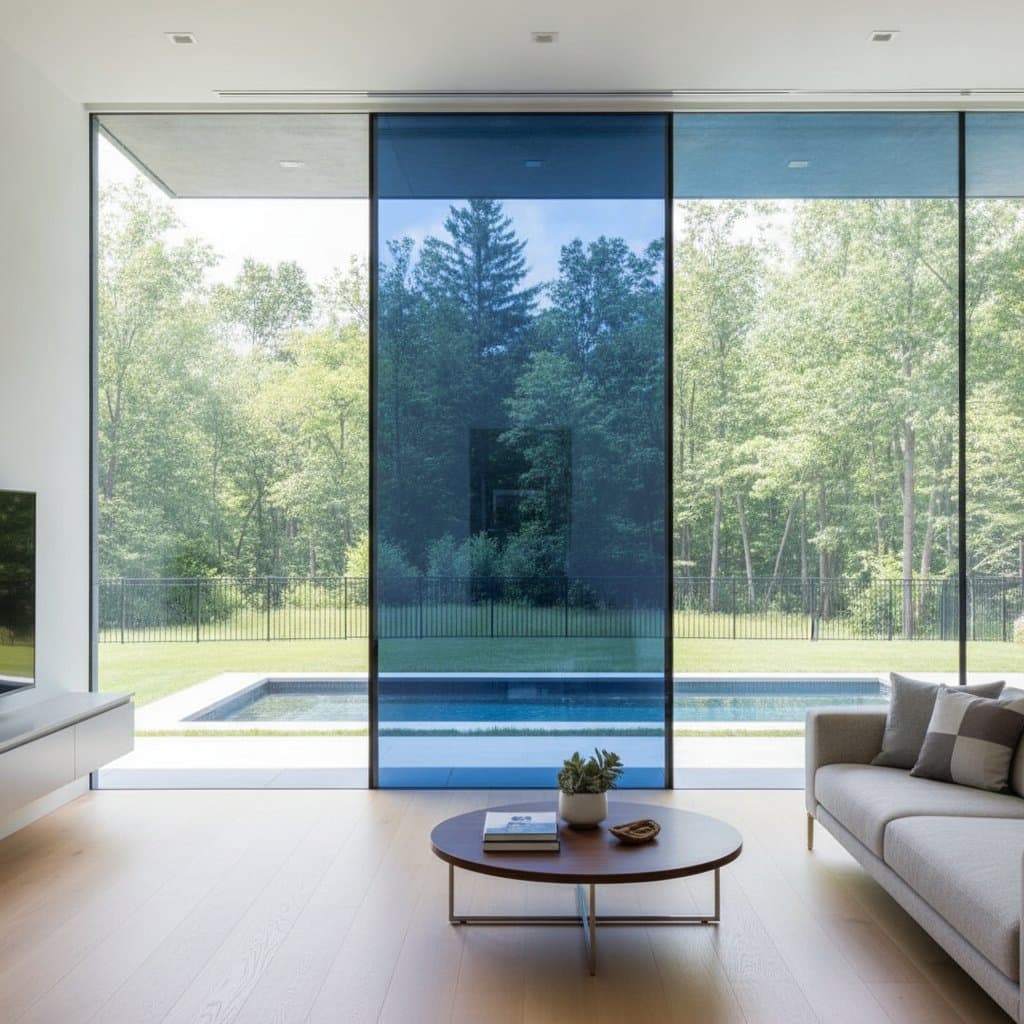
Electrochromic windows, often called smart glass, incorporate a thin coating of electrochromic material. This coating changes opacity when voltage is applied. The tint level adjusts automatically or through a smart control system. Homeowners manage the amount of light and heat entering the space without blinds or shades.
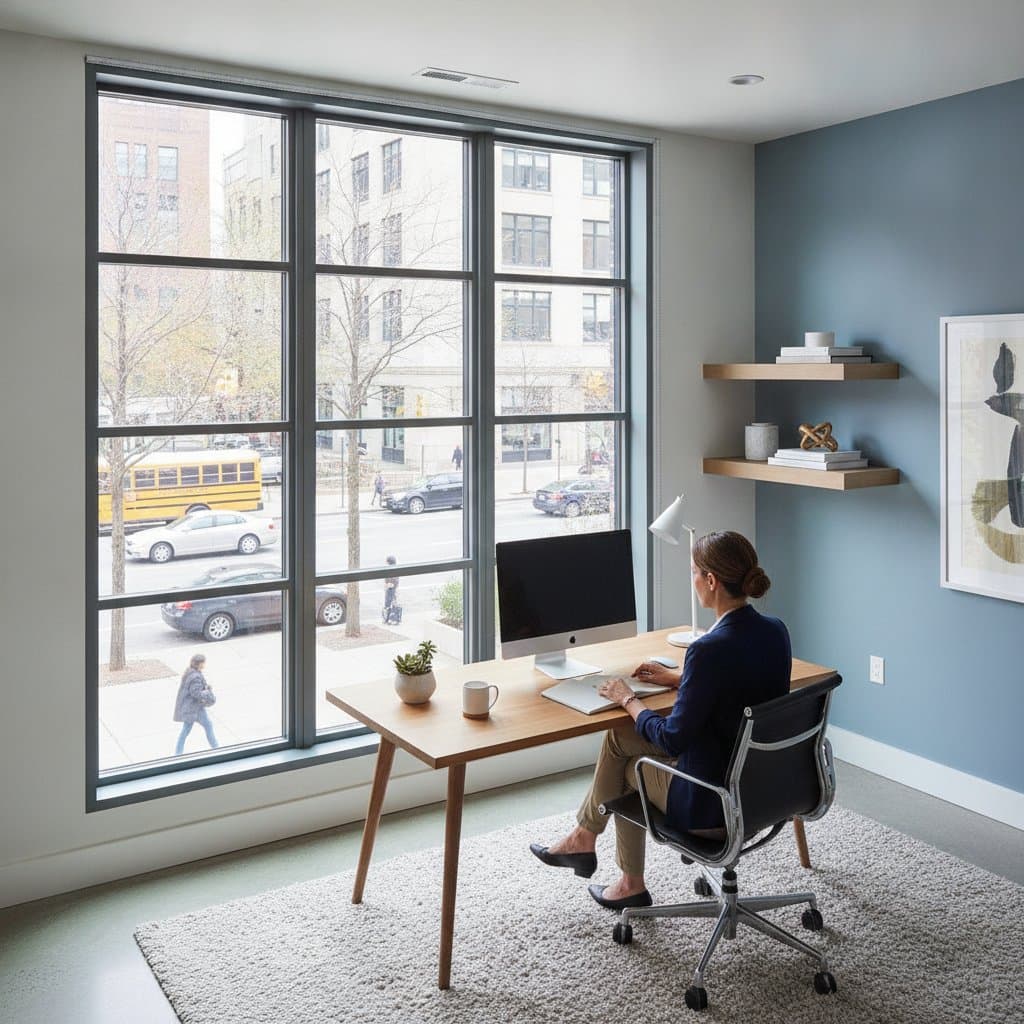
The glass reacts to changing daylight conditions. It maintains optimal brightness indoors without manual adjustment. In homes with large windows or sun-facing rooms, this technology improves comfort and energy efficiency.
Average Costs and Installation Pricing
Electrochromic windows cost more upfront than traditional glass. They reduce energy bills over time. Prices vary based on size, control system, and manufacturer. Most homeowners can expect the following ranges.
| Material/Service | Cost Range | Key Features |
|---|---|---|
| Electrochromic glass panels | $50 to $150 per square foot | Automated tinting, energy savings, UV protection |
| Installation labor | $10 to $25 per square foot | Includes removal of old windows and sealing |
| Smart control integration | $500 to $1,500 per system | App-based or home automation compatible |
For an average-sized home window replacement project, total costs range from $3,000 to $10,000. This figure includes both materials and installation. Larger or custom-shaped windows can exceed this range.
Factors That Influence Final Pricing
Several elements affect your final cost. Window size, frame material, and wiring requirements contribute to price differences. Retrofitting electrochromic glass into existing frames proves more complex than full replacement. Homes with existing smart systems may save on control integration costs.
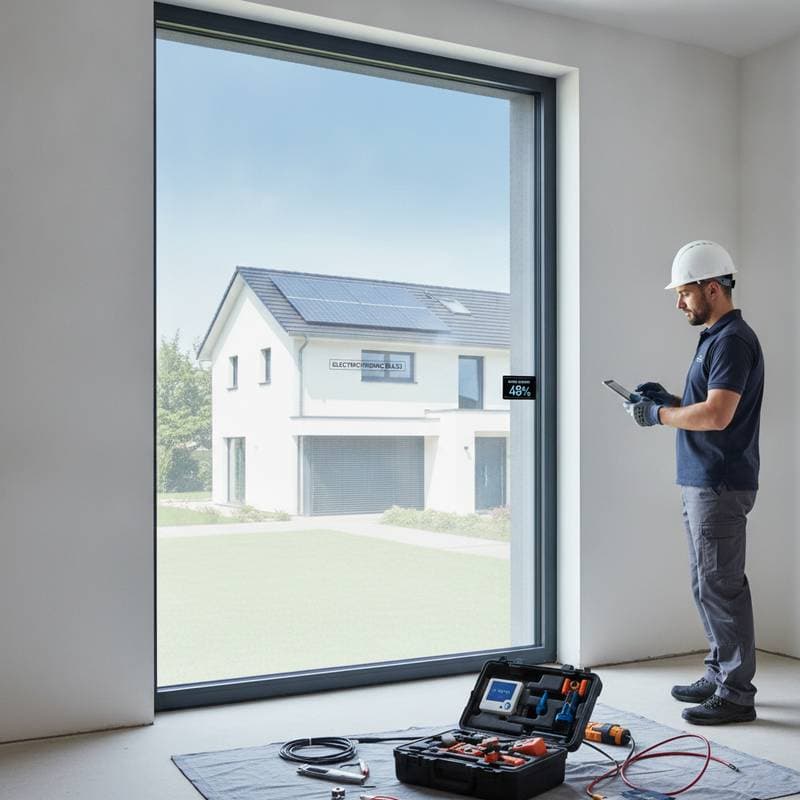
Contractor experience also matters. Certified installers familiar with smart glass systems complete the job faster. They ensure reliable performance. Proper calibration of the tinting system is essential for achieving consistent results.
Energy and Comfort Benefits
Self-dimming glass cuts cooling costs by up to 20 percent in sun-exposed rooms. The glass blocks infrared heat while allowing visible light. This maintains indoor temperature balance. Homeowners also gain improved UV protection that reduces fading on furniture and flooring.
The glass darkens automatically when sunlight increases. This provides subtle privacy without blinds or curtains. The result is a sleek, uncluttered interior aesthetic.
Maintenance and Long-Term Care
Maintaining electrochromic windows requires basic steps. Clean the glass surface with mild soap and water. The electrochromic layer is sealed within the glass. It requires no servicing. Schedule periodic checks of control systems to verify electrical connections and sensors.
Most systems last around two decades with proper care. Replacement components typically involve control modules rather than the glass itself.
Planning Your Installation
Work with an experienced installer who understands smart home integration. Request a detailed quote that includes labor, materials, and control programming. For existing homes, replace south- or west-facing windows first. This maximizes energy savings. Expand the upgrade to other areas as budgets allow.