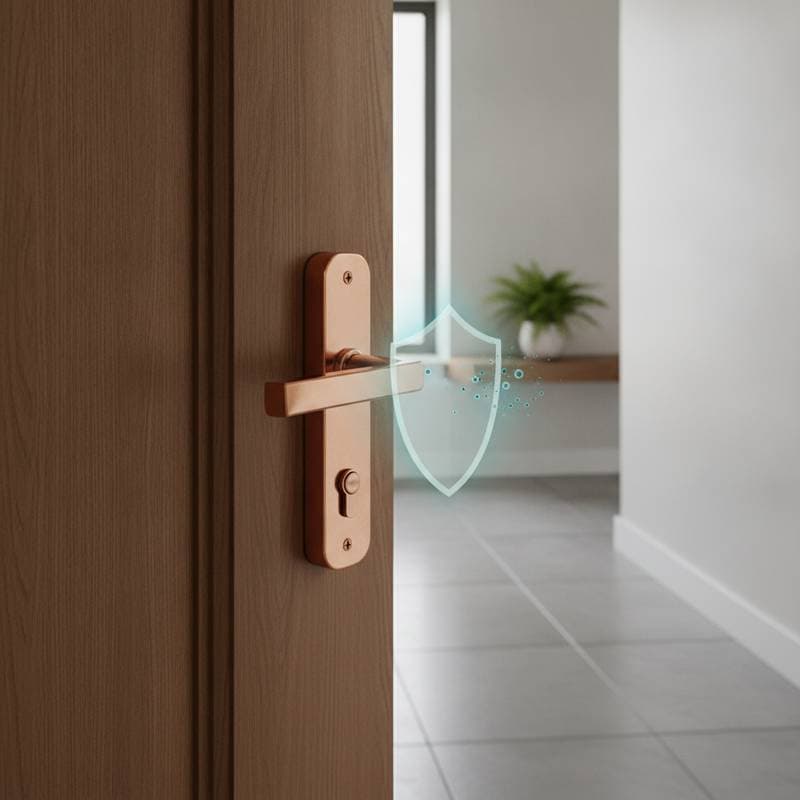
Protect Your Family with Germ-Killing Copper Hardware
Keeping your family healthy starts with the surfaces everyone touches most. Door handles, cabinet pulls, and light switch plates collect and transfer germs quickly. Installing copper hardware reduces household bacteria and creates a cleaner, safer environment. Copper and its alloys, including bronze and brass, have natural antimicrobial properties that kill harmful microbes on contact.
Homeowners seeking better indoor health standards choose this metal for its beauty and its proven ability to fight bacteria. The following sections explain how copper hardware works, what it costs, and how to choose installations that protect your family year-round.
How Copper Kills Germs
Copper kills germs through natural ionic reactions that damage cell walls of bacteria, viruses, and fungi. When microbes land on a copper surface, the metal releases ions that penetrate and destroy their membranes. This process disrupts DNA structure and prevents replication, neutralizing pathogens before they spread.
The antimicrobial action never wears off, unlike chemical treatments or coatings. Copper continues to kill germs efficiently even as it tarnishes. Homeowners therefore receive long-term protection along with a finish that evolves and complements many interior styles.
Comparing Copper Hardware Options
Copper hardware comes in several metal types. Each offers different looks, durability levels, and price ranges. Selection depends on interior style and maintenance preferences.
- Pure Copper: 30 to 120 dollars per handle. Highest antimicrobial effectiveness. Develops natural patina. Soft metal that may dent easily.
- Brass (Copper-Zinc Alloy): 20 to 90 dollars per handle. Stronger than pure copper. Warm golden tone. Slightly lower antimicrobial rate.
- Bronze (Copper-Tin Alloy): 25 to 100 dollars per handle. Very durable. Darker color. Resists corrosion while maintaining antimicrobial properties.
- Copper-Plated Steel or Zinc: 10 to 40 dollars per handle. More affordable. Attractive copper finish. May lose antimicrobial benefit if coating wears away.
Pure copper provides the strongest antimicrobial benefit. Bronze and brass balance performance with durability. Copper-plated options cost less but need more maintenance to preserve surface effectiveness.
Factors That Influence Cost and Longevity
Several factors affect total investment and long-term value.
Material Composition
Pure copper costs more yet offers strongest germ resistance. Brass or bronze versions last longer in high-traffic areas and resist dents or scratches better.
Finish and Style
Polished finishes require more cleaning to maintain shine. Brushed or oil-rubbed finishes hide fingerprints and develop an attractive aged patina.
Installation Complexity
Replacing existing hardware is simple. Upgrading to new locksets or handles with different hole spacing may require drilling or door modification, which increases labor time.
Environmental Conditions
Humidity and skin oils influence patina development. Bathrooms and kitchens may show faster tarnishing. This change remains natural and does not affect antimicrobial performance.
Cleaning and Maintenance Tips
Copper hardware needs little maintenance. Proper care preserves both appearance and antimicrobial performance.
Regular Care
Wipe surfaces with a damp cloth weekly to remove oils and debris. Avoid cleaners that contain ammonia or bleach. Dry hardware thoroughly after cleaning to prevent water spots.
Patina Preservation
Some homeowners prefer the deep aged patina that forms naturally. Clean gently without polishing if this look appeals. Use a mild copper polish or a mix of vinegar and salt once or twice a year for a shinier finish.
Prevent Coating Buildup
Never apply wax or lacquer. These coatings block antimicrobial action by sealing the metal surface.
Health Benefits Beyond Germ Control
Copper hardware improves household hygiene beyond bacteria reduction. Cleaner surfaces can lead to fewer sick days and less frequent disinfecting. For allergy sufferers, fewer microbial colonies may reduce respiratory irritation triggers.
Public health studies show lower pathogen transmission in environments with copper touch surfaces. The same technology in homes provides hospital-grade cleanliness without chemical cleaners or disposable wipes.
Design and Aesthetic Appeal
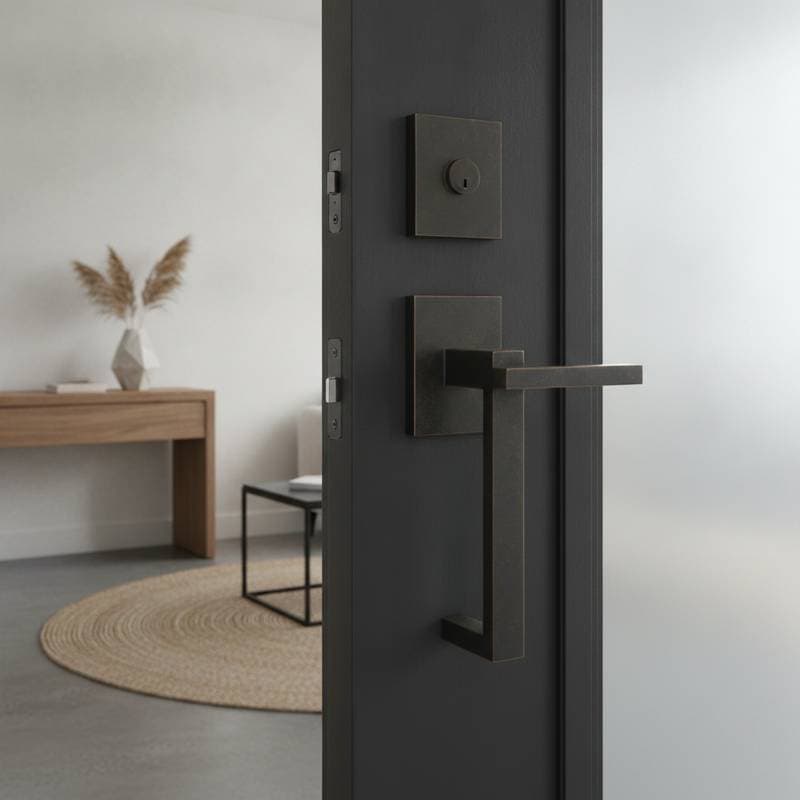
Copper hardware adds warmth and sophistication to interior spaces. Color tones shift subtly over time and create a living finish that reflects the home story. Pure copper brightens light-colored wood doors. Darker bronze complements deep walnut or painted finishes.
Designers often mix copper with neutral palettes or natural materials such as stone and reclaimed wood. The contrast enhances both traditional and modern interiors.
DIY vs. Professional Installation
Replacing interior door handles or cabinet pulls suits a confident DIYer. Most kits include screws and mounting plates that fit standard door holes. A drill, screwdriver, and level allow installation of one handle in about fifteen minutes.
Professional installation works better for entry door locksets, antique reproductions, or custom-fit hardware. A professional ensures proper alignment, secure locking, and long-term durability. Large-scale upgrades benefit from contractor help to save time and reduce errors.
Safety and Code Considerations
Copper hardware meets standard building and safety codes for residential use. Entry hardware must satisfy local security standards for grade and latch strength. Screw lengths and door hole sizes should match manufacturer recommendations.
Multi-family buildings or rental properties may use copper upgrades to meet or exceed cleanliness standards required by property management or health regulations.
Planning Your Upgrade
Identify the most frequently touched surfaces first. Replace entry doors, bathroom handles, and kitchen cabinet pulls before other areas. Count the total number of handles and knobs to set a realistic budget. Choose pure copper for maximum antimicrobial benefit or a durable alloy such as bronze for a darker, long-lasting finish.