New Acoustic Door Cores Reduce Noise Pollution by 75 Percent
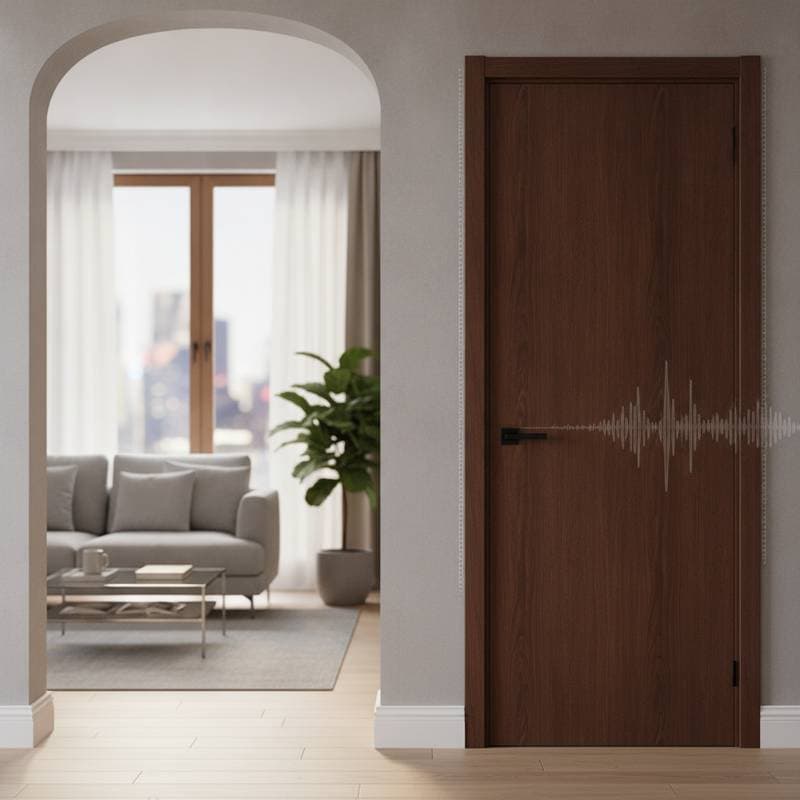
Noise remains a persistent issue in many homes. Traffic, neighbors, and shared spaces often disrupt comfort and concentration. Recent acoustic door cores address this challenge directly. They deliver up to 75 percent noise reduction compared with standard interior doors while preserving design options.
Understanding Acoustic Door Cores
An acoustic door core forms the internal structure engineered to block sound transmission. Standard solid doors depend primarily on mass. Acoustic versions layer dense fiber, damping resins, and perimeter seals to target multiple frequencies. Performance appears in the Sound Transmission Class rating. Higher ratings indicate stronger control over both high and low frequency sounds.
Mechanisms That Interrupt Sound
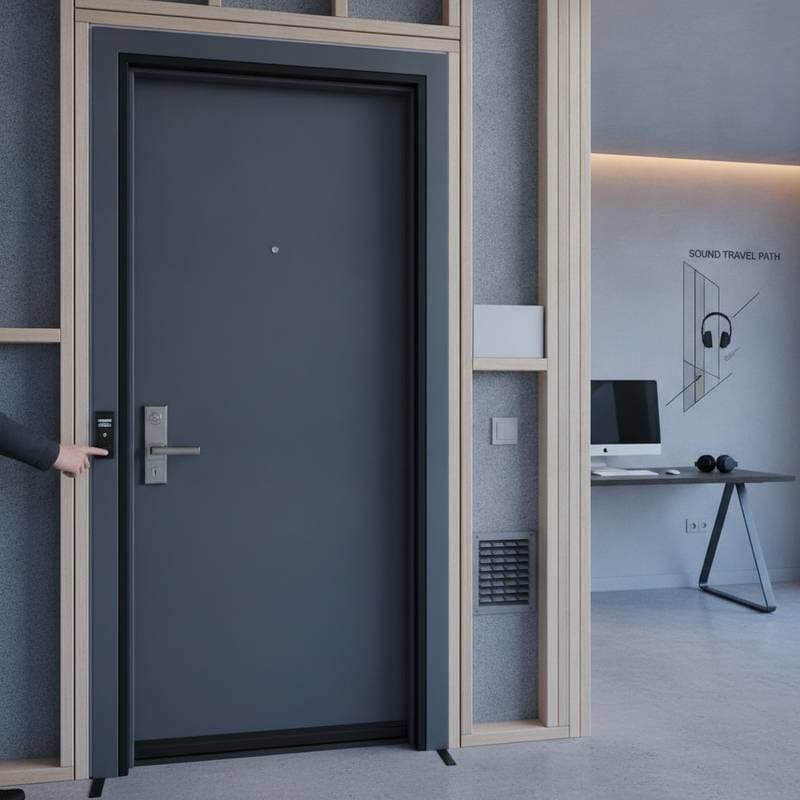
Sound moves through air and solid surfaces via vibration. Effective doors interrupt that path at several points. Dense layers add mass to resist waves. Separate surfaces prevent vibration transfer. Porous materials absorb energy inside the core. Precision gaskets close gaps around the frame and threshold.
These combined features reduce voices, music, and outdoor noise reaching adjacent rooms.
Door Core Comparison
Different spaces need different performance levels. The table below outlines typical options for homes and light commercial use.
| Door Core Type | Initial Cost | Lifespan | Maintenance | Best For |
|---|---|---|---|---|
| Hollow Core | Low | Moderate | Minimal | Rooms where privacy matters little |
| Solid Wood | Medium | Long | Occasional refinishing | Interiors seeking natural appearance |
| Solid Particleboard | Medium | Long | Minimal | Budget upgrades with moderate control |
| Acoustic Composite Core | Higher | Long | Minimal | Bedrooms, offices, and shared living areas |
Acoustic cores carry a higher upfront cost yet deliver measurable comfort gains over time.
Surface Options That Maintain Style
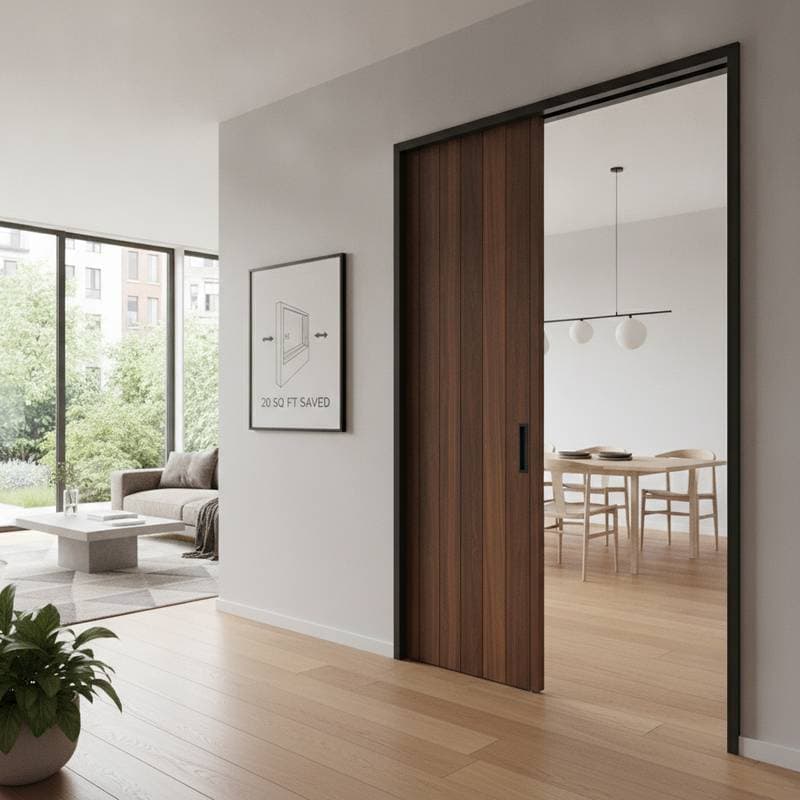
Manufacturers fit acoustic cores inside standard veneers, painted finishes, and laminates. Homeowners therefore keep consistent appearance throughout a house. Natural wood veneers supply warmth. Paint grade surfaces allow color matching. Laminates provide durability in busy zones. Hardware and trim can match existing elements without visual disruption.
Steps for Effective Installation
Correct installation determines whether promised performance is achieved. Begin by identifying priority rooms such as bedrooms or home offices. Verify frame dimensions and threshold alignment next. Install the door and frame as a sealed assembly using acoustic jambs and gaskets. Check for light leaks or loose hinges before finishing. Test the closed door in a quiet setting to confirm consistent contact around all edges.
Professional installers supply rated frame systems that coordinate with the core.
Routine Care and Service Life
Acoustic doors need only basic attention after placement. Inspect seals and hinges periodically. Clean surfaces with mild agents to protect both finish and function. Replacement seals install without door removal when wear occurs. Stable core materials resist moisture and maintain performance for many years.
Evaluating Your Options for Acoustic Performance
Selection depends on location, noise character, and design goals. Rooms near streets or shared walls gain the most benefit. Denser cores handle low frequency sounds such as bass. Finishes should align with surrounding interiors. Strategic placement in a few key areas often produces substantial improvement without full replacement.