Acoustic Doors Reduce Noise by Up to 85 Percent for Peaceful Homes
A quiet home feels instantly more comfortable. With open floor plans, thinner walls, and constant background noise, many homeowners are rethinking how doors influence the sound experience inside their spaces. Acoustic doors, designed to cut noise by about 85 percent, are becoming a design essential for anyone who values privacy and calm.
They combine engineering precision with aesthetic versatility. Homeowners can now achieve professional level noise reduction without giving up beauty or warmth. From minimal modern interiors to traditional spaces filled with character, acoustic doors come in finishes and materials that enhance the entire look of a home while dramatically improving its livability.
Why Acoustic Doors Are Gaining Popularity
The growing appeal of acoustic doors rests on three simple needs. These include comfort, concentration, and connection. With more people working and studying at home, reducing noise transfer between rooms supports productivity and relaxation. Families also appreciate how acoustic doors create distinct zones. One person can enjoy music or conversation without disturbing others nearby.
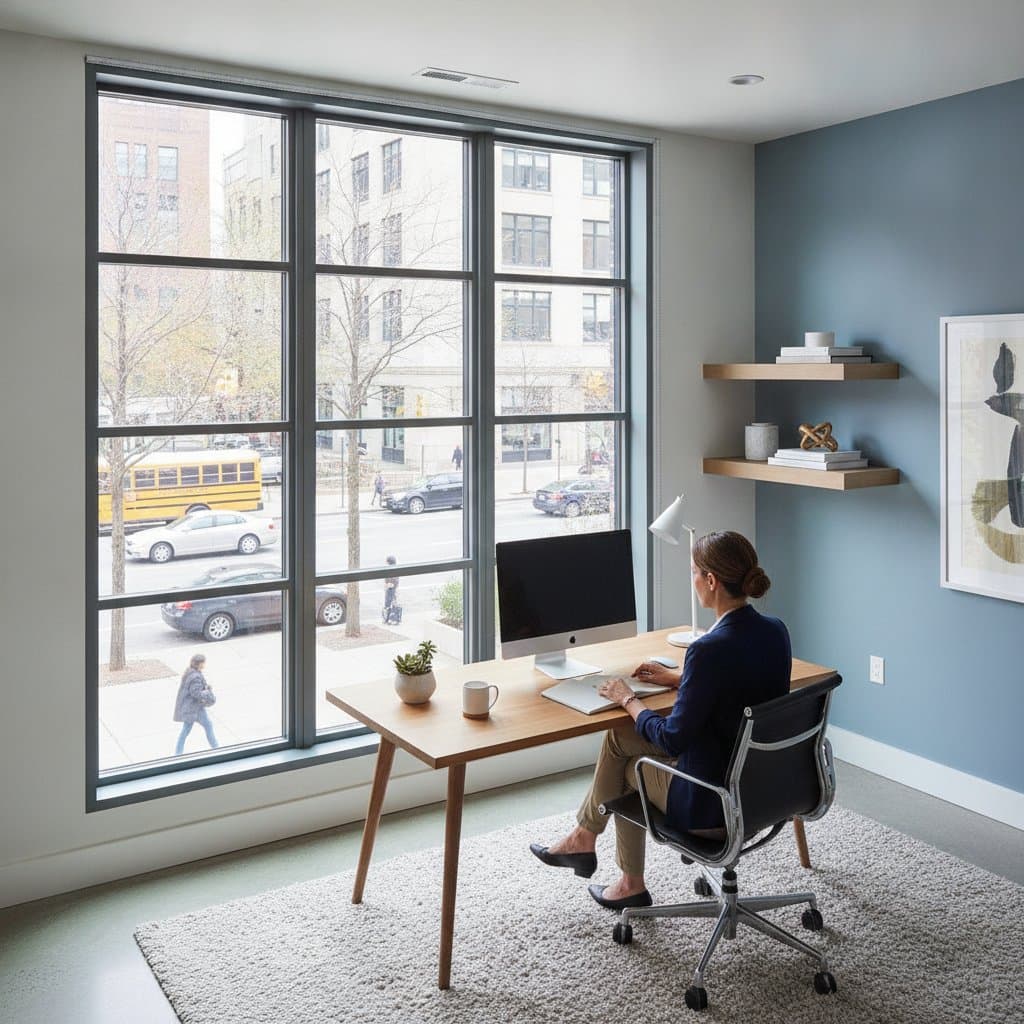
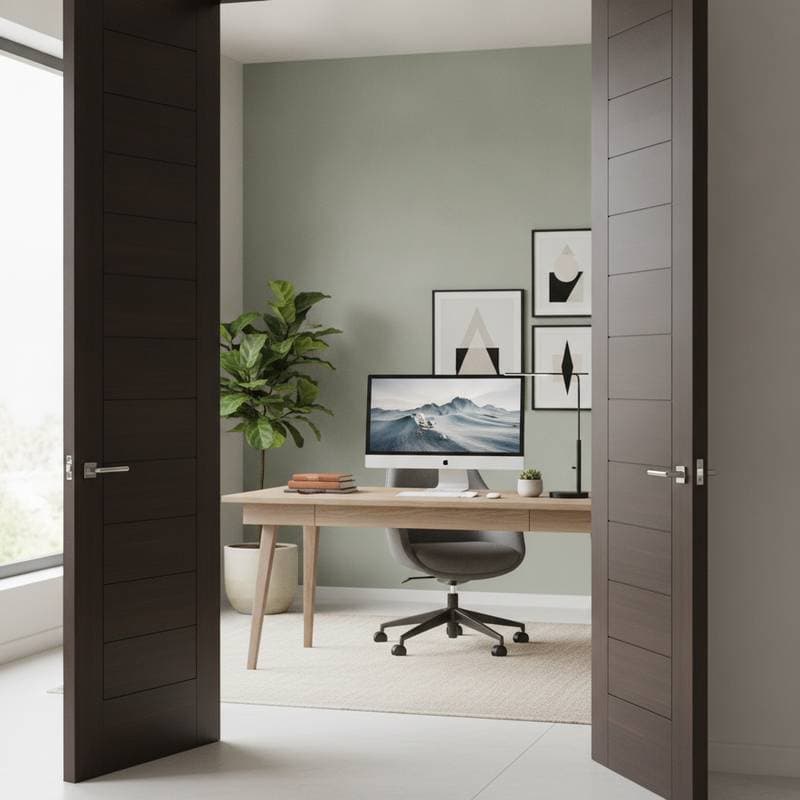
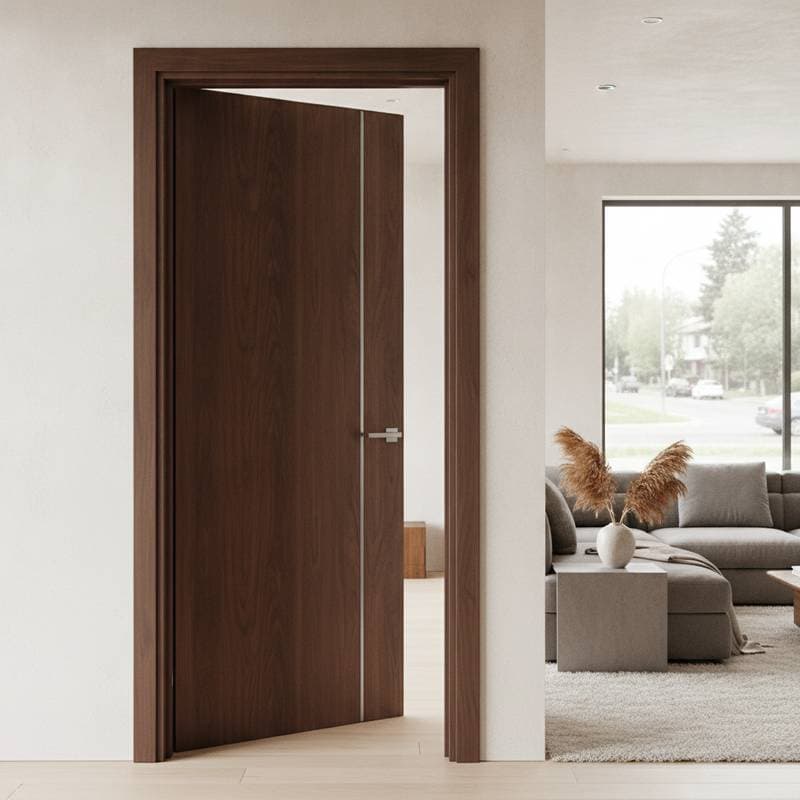
For urban homes or apartments, they act as a shield against street sounds, mechanical noise, and neighboring activity. What sets modern acoustic doors apart is how effortlessly they blend into the design language of a space. Traditional soundproofing once meant bulky, unattractive panels. Now slim profiles, warm wood finishes, and precision seals allow acoustic doors to look just like any other interior door, while performing far better.
Three Budget Approaches
Save Approach (800 to 1500 Dollars)
Choose solid core composite doors made from dense MDF or engineered wood. These block sound far more effectively than hollow core models but remain affordable. Install perimeter seals or acoustic gaskets around the frame to boost performance. A bottom drop seal can close gaps that allow sound to slip through. Spend on quality hinges and latches. Even small hardware upgrades make a noticeable difference in how tightly the door closes.
Mid Range Approach (1500 to 3000 Dollars)
Opt for solid timber or veneered acoustic doors with a sound transmission rating that fits your needs. Many models feature layered cores that absorb and dampen vibration. Pair the door with an acoustic frame system that includes compression seals on all sides. These create a consistent seal that works even with temperature changes. Choose a wood veneer or painted finish that complements trim and flooring. Matching finish details make the door feel fully integrated into the home.
Invest Approach (3000 to 6000 Dollars)
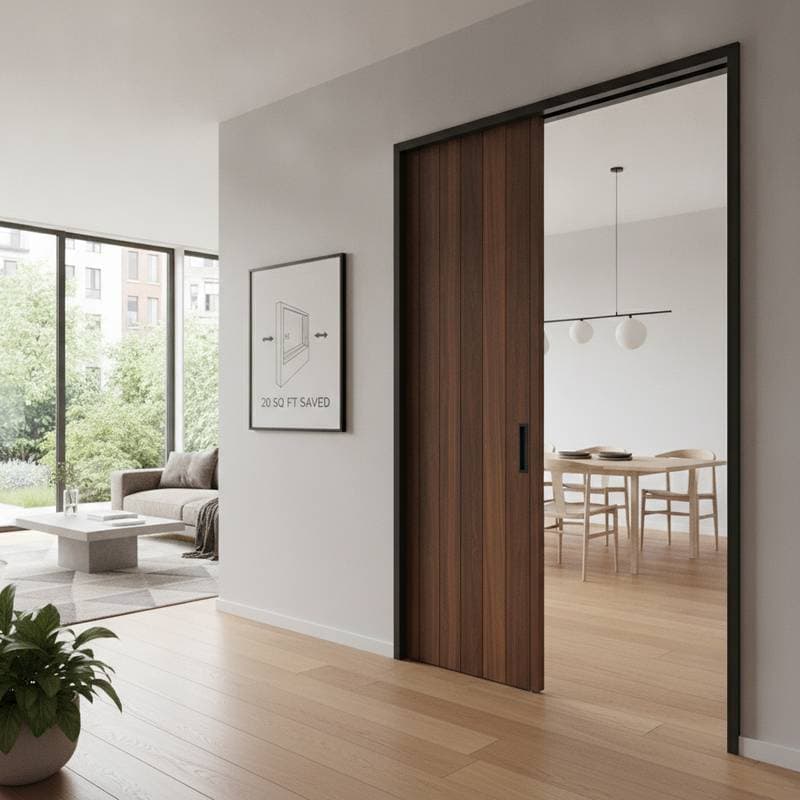
Select certified acoustic doors with advanced multi layer cores, internal damping materials, and precision machined seals. Choose solid oak, walnut, or custom finished panels. Consider flush mount frames, concealed hinges, or pivot systems for a seamless architectural look. Add decorative grooves or inlays to match cabinetry or wall paneling. Professionally installed acoustic doors maintain their performance for decades with minimal upkeep. They also improve resale value by upgrading both comfort and quality perception.
Material and Finish Guide
Pair acoustic doors with double or triple glazed windows for consistent sound performance. Choose frames in matte black, soft gray, or natural wood tones for visual balance. Hardware finishes like brushed nickel or oil rubbed bronze work well across most styles.
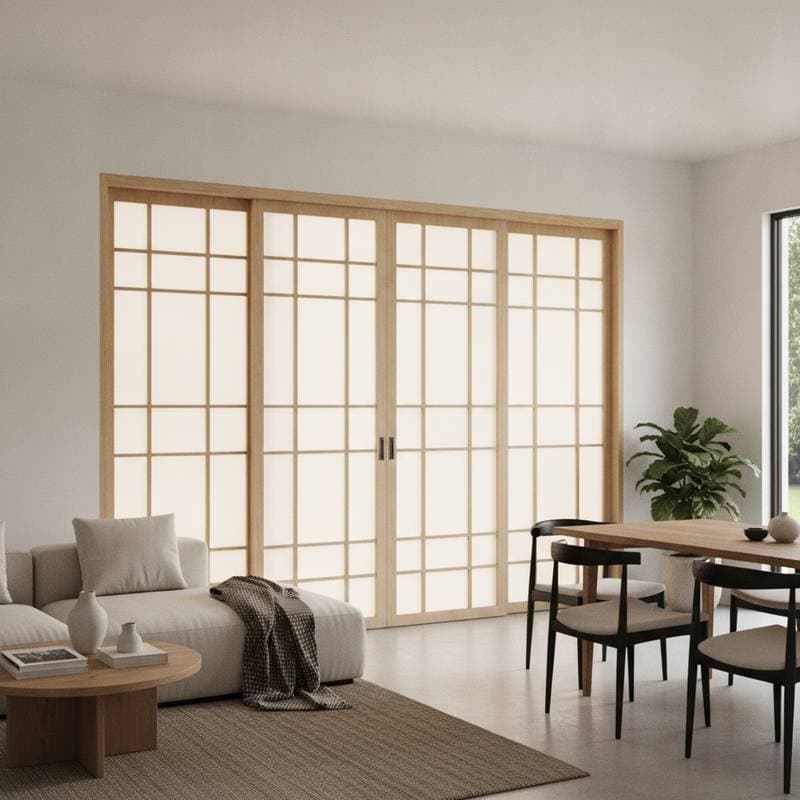
For contemporary interiors, smooth flush doors with subtle grain patterns create a clean look. In traditional settings, raised panels or shaker styles maintain character while hiding soundproofing layers inside. Natural oak or walnut finishes echo wood siding or trim. This creates continuity between interior and exterior spaces. Use matching casings and baseboards to extend the visual line of the door. Painted white trim highlights contrast, while stained hardwoods create warmth and depth.
Maintenance Reality Check
Acoustic doors require little routine care, but they benefit from periodic inspection. The seals around the perimeter are essential for performance, so they should remain free of dust and debris. Wipe them gently with a damp cloth and mild cleaner. If a drop seal at the bottom stops functioning smoothly, a simple adjustment usually restores its motion.
Wood finishes may need occasional polishing or refinishing depending on traffic and exposure. Painted doors can be touched up easily with the same color. Hardware should be tightened once or twice a year to maintain alignment. When maintained properly, acoustic doors preserve their sound blocking ability and aesthetic appeal for many years.
Avoid These Mistakes
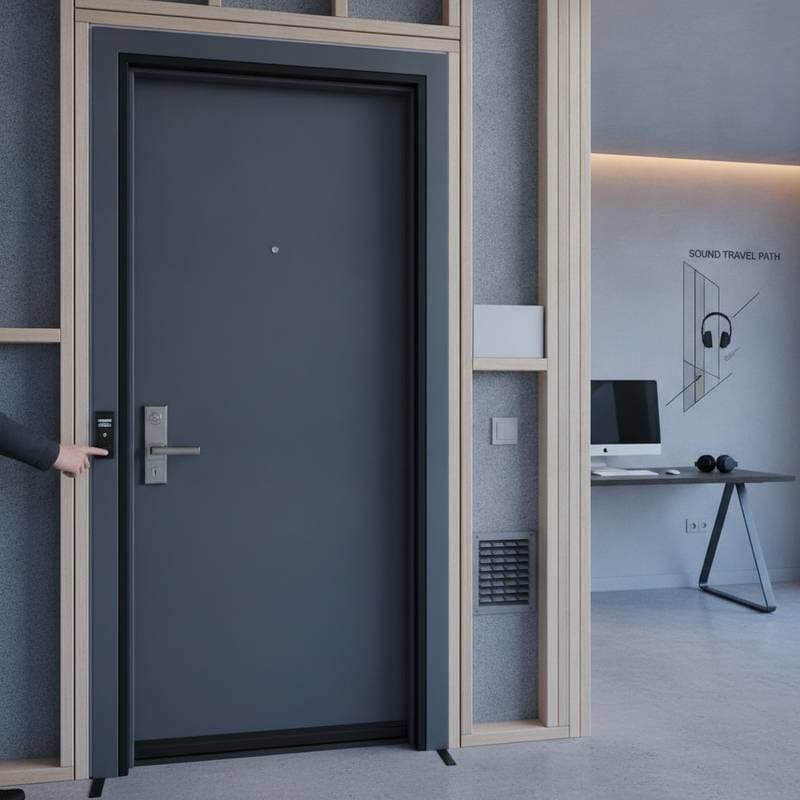
A soundproof door is only as good as its frame. If you install a high quality door in a standard frame without seals, most of the sound will leak through the gaps. Always select a complete acoustic system. Acoustic doors are heavier than standard models. Using light duty hinges or hardware can cause sagging over time. Choose hardware rated for heavy doors.
Leaving a large gap at the bottom of the door defeats the purpose of soundproofing. Always include a threshold or automatic drop seal to close the space. Even small misalignments reduce effectiveness. For best results, hire an installer experienced with acoustic systems.
Color and Style Coordination
Color plays a major role in how acoustic doors integrate with the rest of the home. These palette combinations create harmony while keeping the look current.
Soft neutral harmony uses warm white walls, pale ash flooring, and a light oak acoustic door with brushed nickel handles. Modern contrast features a matte black acoustic door, crisp white trim, and gray walls for a striking architectural statement. Natural warmth pairs a medium walnut door with cream walls and bronze hardware. This works well for transitional interiors.
Coastal calm employs a light gray door with whitewashed trim and soft blue accents for a relaxed, airy atmosphere. Urban industrial uses a charcoal toned door, exposed brick, and black iron hardware for a bold, grounded feel. When selecting colors, consider how light interacts with the surface. Satin finishes often work best. They give a refined look that hides fingerprints and minor wear.
Planning Photography Checklist
Before choosing or ordering acoustic doors, document your current conditions carefully. These images help you or your designer make informed decisions.
Capture each doorway from both sides to show wall color, trim detail, and lighting. Include shots of nearby windows, floors, and ceilings to maintain consistency. If your home follows a particular architectural style, keep that rhythm in mind for door design. Identify sources of outside noise, such as traffic, neighbors, or mechanical systems. Note which rooms require the most sound control. Bedrooms, offices, and media rooms often top the list.
Selecting the Right Acoustic Doors
Acoustic doors combine science and style in equal measure. They reduce unwanted sound by up to 85 percent. This creates a more peaceful, focused, and enjoyable home environment. Their real success lies in how naturally they integrate into modern design. With the right materials, finishes, and installation, they can look identical to any other interior door while offering far superior performance.
Homeowners can start small with one or two key rooms. They can also upgrade the entire home for a consistent acoustic experience. The most successful projects balance investment with lifestyle needs. A modest solid core door might transform a home office. A custom engineered acoustic door can make a media room feel like a private theater.
Choosing an acoustic door is not just a technical decision. It is a design choice that enhances quality of life. When planned thoughtfully, it becomes part of a broader strategy for comfort, beauty, and long term value.