Understanding Japandi Shoji Doors
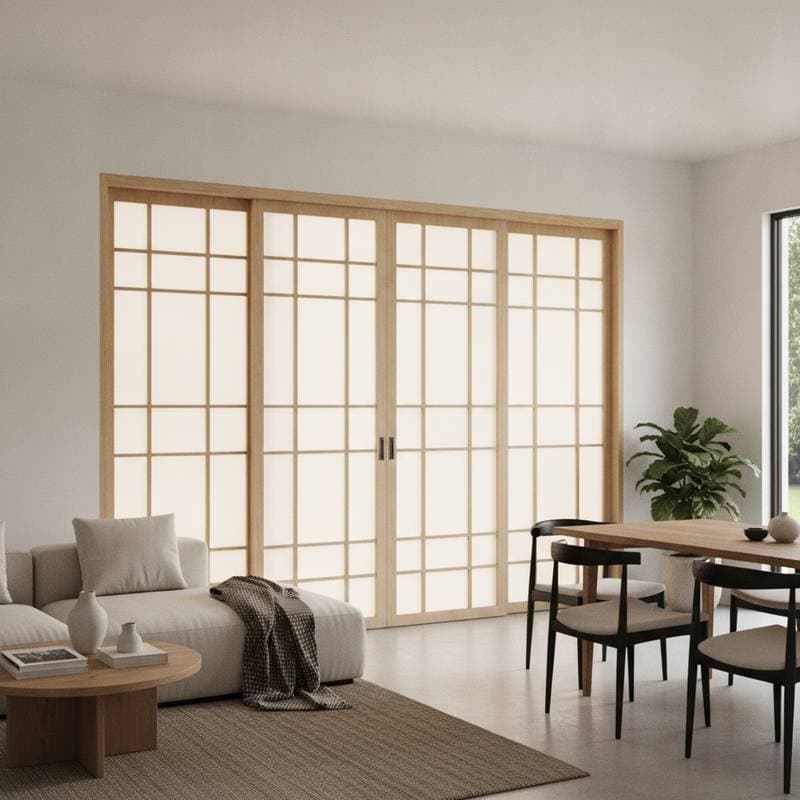
Japandi style merges the clean lines of Japanese design with the cozy textures of Scandinavian interiors. Shoji doors serve as a central element in this approach. These sliding panels use translucent paper or fabric over wooden frames to filter sunlight while maintaining privacy.
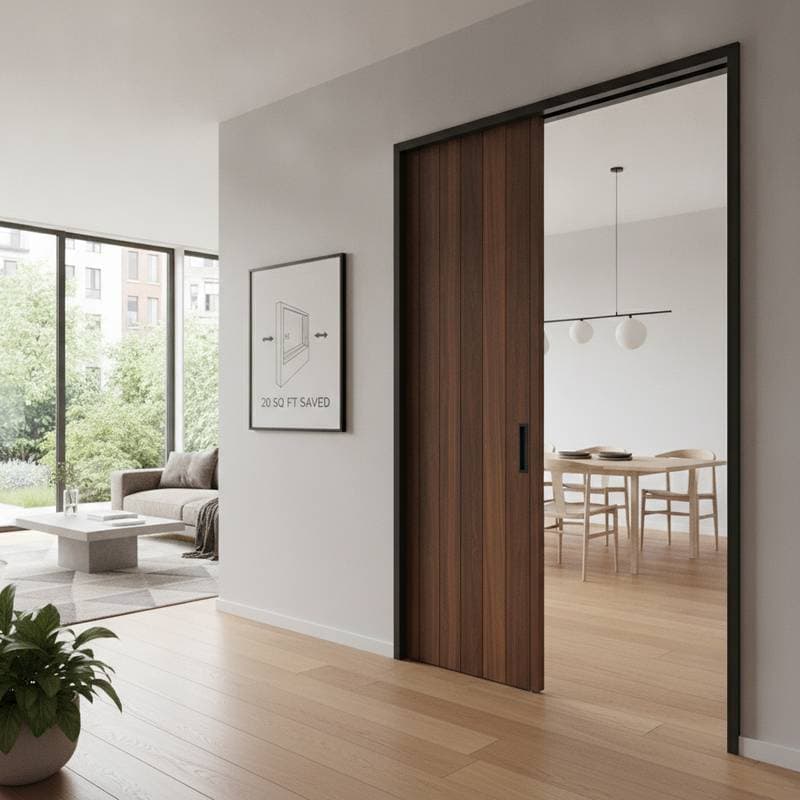
Homeowners select Japandi Shoji doors when they want to soften harsh light and create visual calm. The doors slide along tracks rather than swing open, which preserves floor space in smaller rooms.
Core Materials and Construction
Traditional shoji frames rely on lightweight woods such as cedar or pine. Modern versions incorporate sustainable bamboo, ash, or engineered wood cores that resist warping. Paper panels have given way to durable rice paper alternatives or fiberglass fabrics that withstand humidity.
Each frame contains a grid pattern that breaks light into soft rectangles. Grid spacing typically ranges from four to eight inches, allowing designers to adjust the level of diffusion. Hardware consists of recessed floor tracks and ceiling guides finished in matte black or brushed nickel.
Practical Benefits for Daily Living
Light control stands as the primary advantage. Filtered sunlight reduces glare on screens and preserves artwork without the need for heavy curtains. The sliding mechanism also improves traffic flow in open plan layouts.
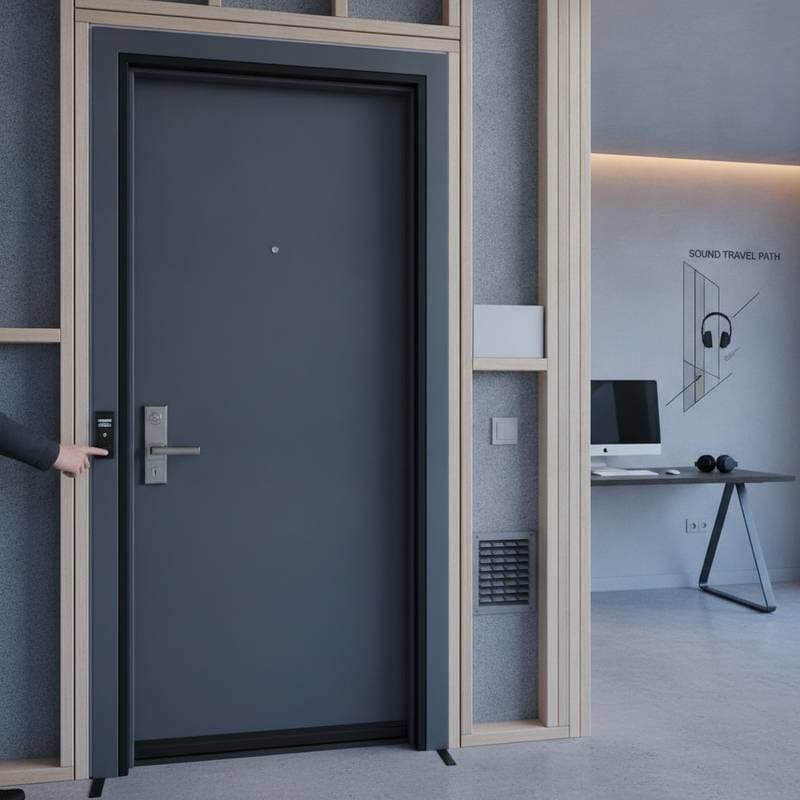
Sound transmission drops when the doors close, creating quieter zones for work or rest. Because the materials remain natural and low in volatile compounds, indoor air quality stays high.
Installation Considerations
Measure the opening width and height twice before ordering. Standard single panels fit spaces up to 36 inches wide, while double panels cover up to 72 inches. Professional installers check floor level and reinforce header beams when necessary.
Track systems require a minimum clearance of two inches above the door height. Custom sizes add two to four weeks to lead time but ensure a precise fit around existing trim.
Design Integration Ideas
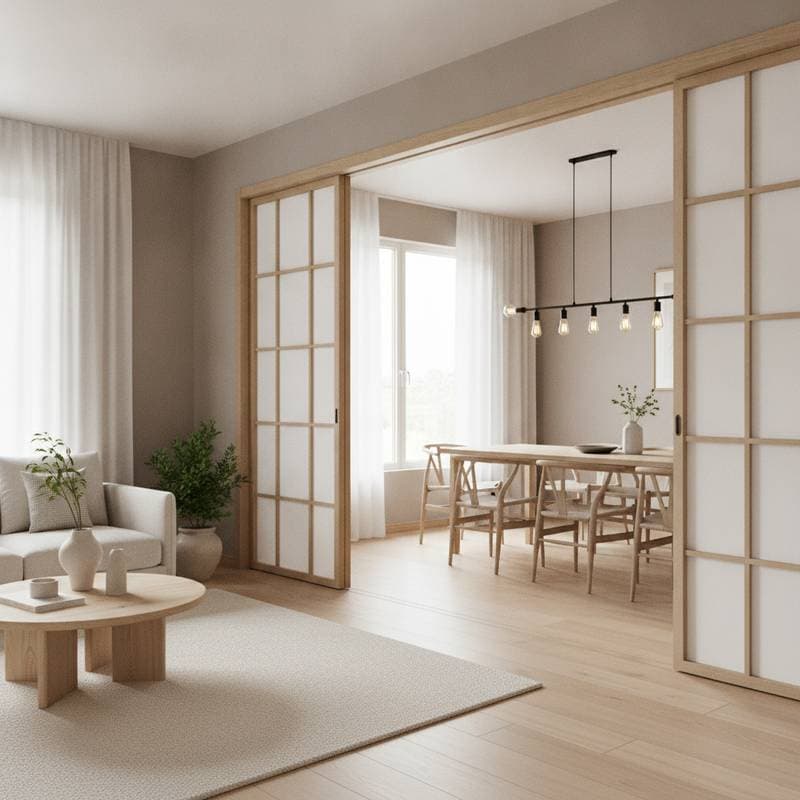
Place a pair of shoji doors between living and dining areas to allow flexible separation during gatherings. Use a single panel as a room divider in studio apartments to define sleeping quarters without blocking airflow.
Pair the doors with low profile furniture in oak or walnut. Neutral wall colors such as warm white or soft gray let the wood grain and paper texture stand out. Add a single potted plant or ceramic vessel nearby to complete the Japandi balance.
Maintenance Practices
Dust frames monthly with a microfiber cloth. Clean fabric panels with a gentle upholstery brush or vacuum attachment on low suction. Avoid direct water contact, which can stain paper surfaces.
Inspect tracks twice a year for debris and apply a silicone free lubricant if movement becomes stiff. Replacement panels remain available for years after purchase, extending the life of the installation.
Budget and Value Factors
Installed costs range from 900 to 2800 dollars depending on size, wood species, and hardware finish. Standard pine frames with fiberglass panels fall at the lower end, while custom ash grids with integrated soft close mechanisms reach the higher range.
The investment returns value through energy savings from better daylight use and through increased property appeal. Resale listings that feature Japandi elements often attract buyers seeking calm, sustainable interiors.
Selecting the Right Japandi Shoji Doors for Your Space
Review room function first, then choose grid density and wood tone that match existing finishes. Request material samples to test light transmission at different times of day before finalizing the order.