Pocket Doors Return: Hidden Frames Save 15 Sq Ft
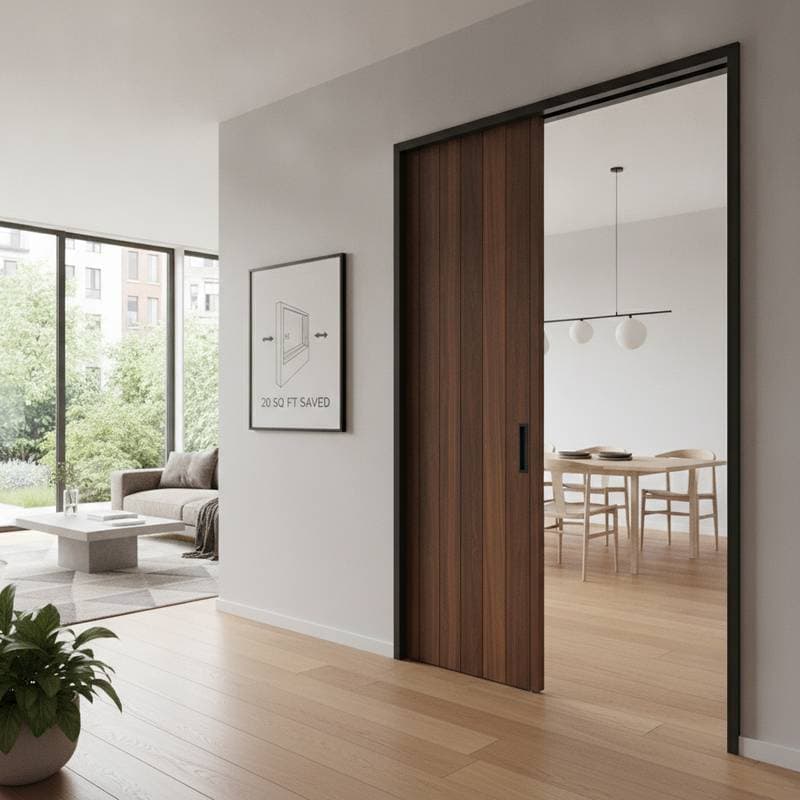
Pocket doors are making a comeback in home design. Their ability to slide neatly into the wall instead of swinging open offers a clever way to reclaim valuable space. For many homeowners, the appeal lies in gaining up to 15 square feet per door, which can transform how a room feels and functions. This hidden-frame concept reflects changing priorities in how people use and value interior space.
Understanding How Pocket Doors Work
A pocket door operates by sliding along a track that disappears into a hollow cavity inside the wall. When open, the door panel is completely concealed, leaving both sides of the doorway free. The system relies on a sturdy frame and track assembly that must be installed within the wall cavity. This requires careful planning before drywall is completed or during renovation when walls are open.
Traditional swinging doors need clear floor space to operate. This limits furniture placement and movement. By removing that swing arc, pocket doors open new possibilities, especially in smaller rooms, hallways, or areas with tight transitions. The frame must be square, the track must be level, and the cavity must remain free of obstructions. When done properly, the movement is smooth and silent.
Space and Lifestyle Benefits
Saving 15 square feet per door might not sound like much until multiplied across several rooms. In a compact home or apartment, that reclaimed area can mean an extra storage cabinet, a wider walkway, or a more open visual flow. Bathrooms, closets, and laundry rooms often gain the most from this design since every inch counts in these spaces.
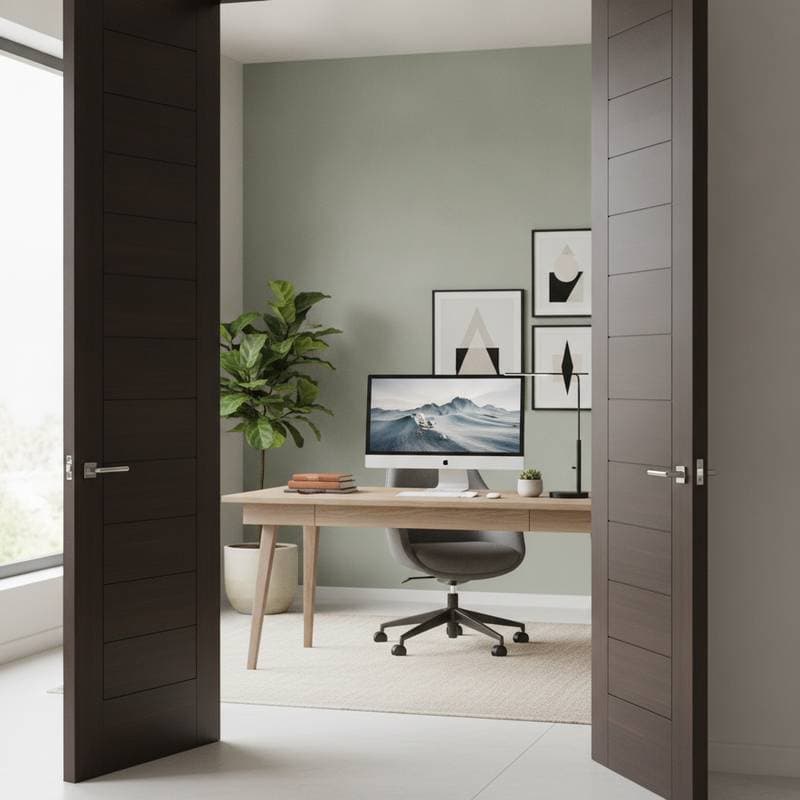
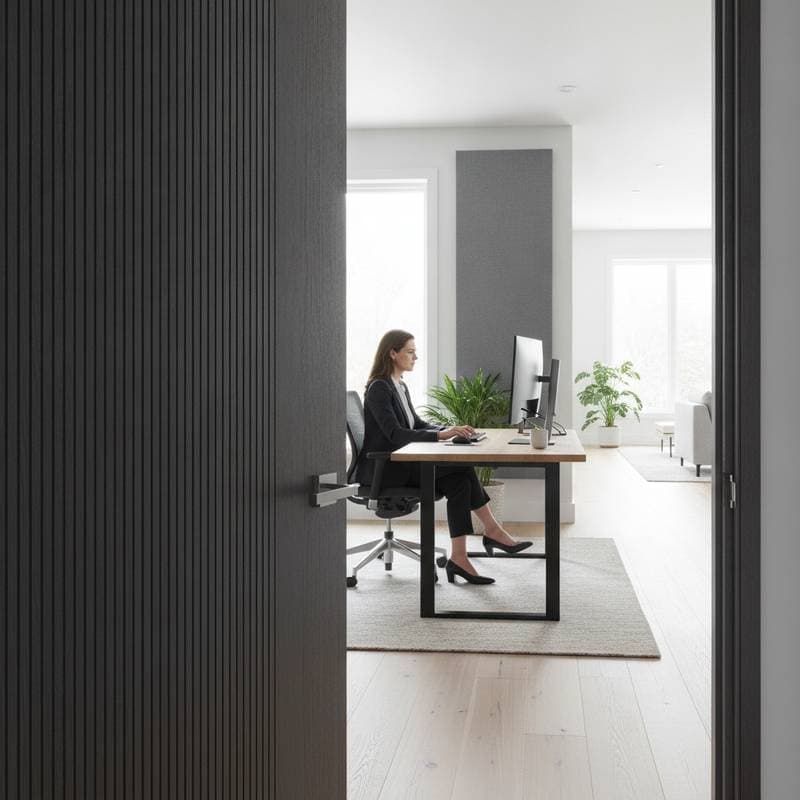
For open-concept floor plans, pocket doors offer flexibility. They allow spaces to connect when open yet provide privacy when closed. Home offices, media rooms, or guest suites benefit from this adaptability. The hidden design also supports a clean, uncluttered aesthetic that matches contemporary interiors while still fitting comfortably with classic wood finishes.
Material and Design Choices
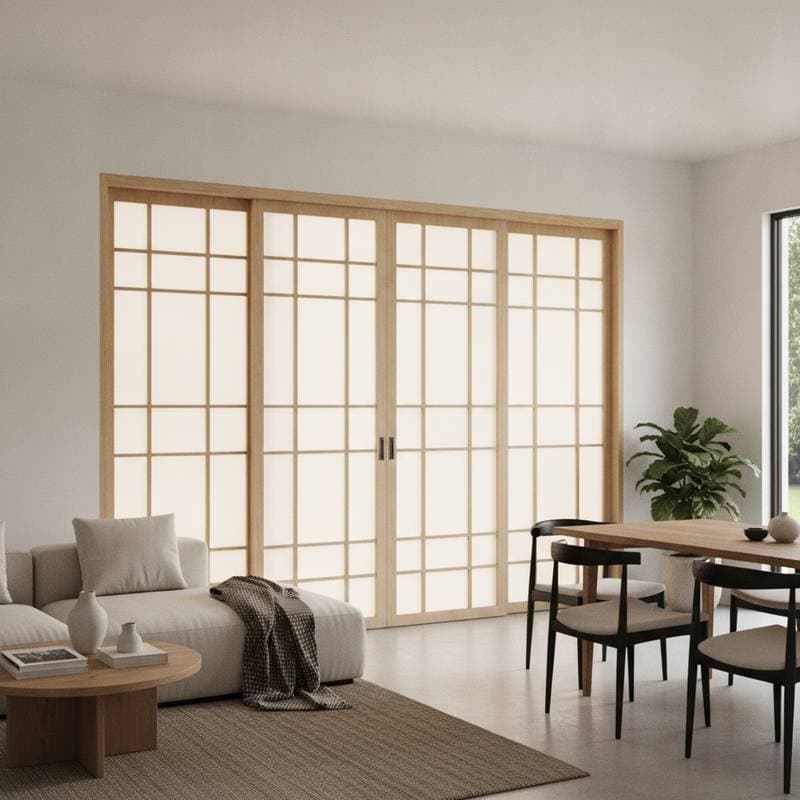
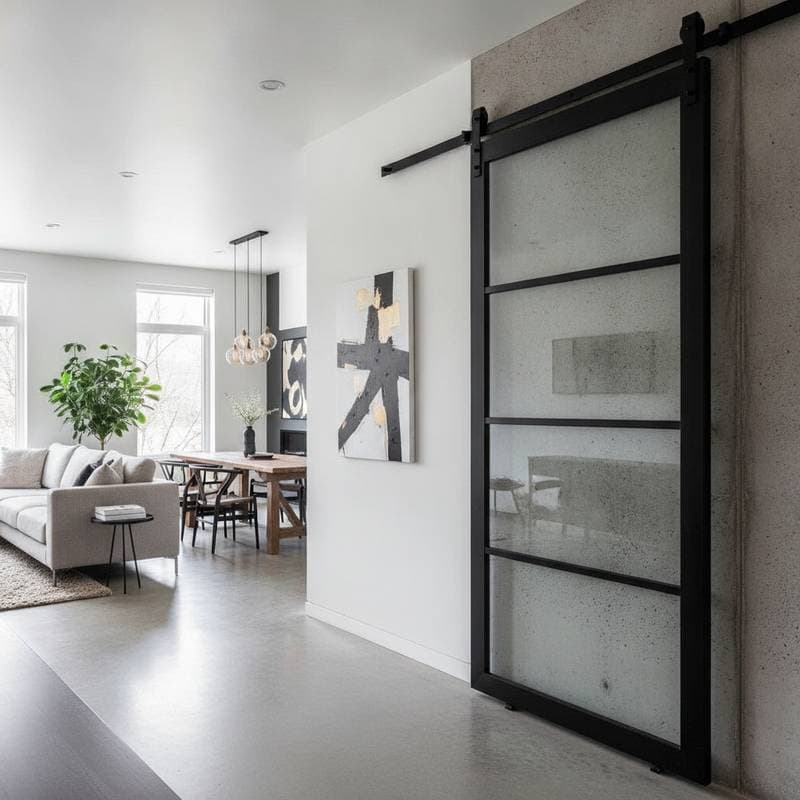
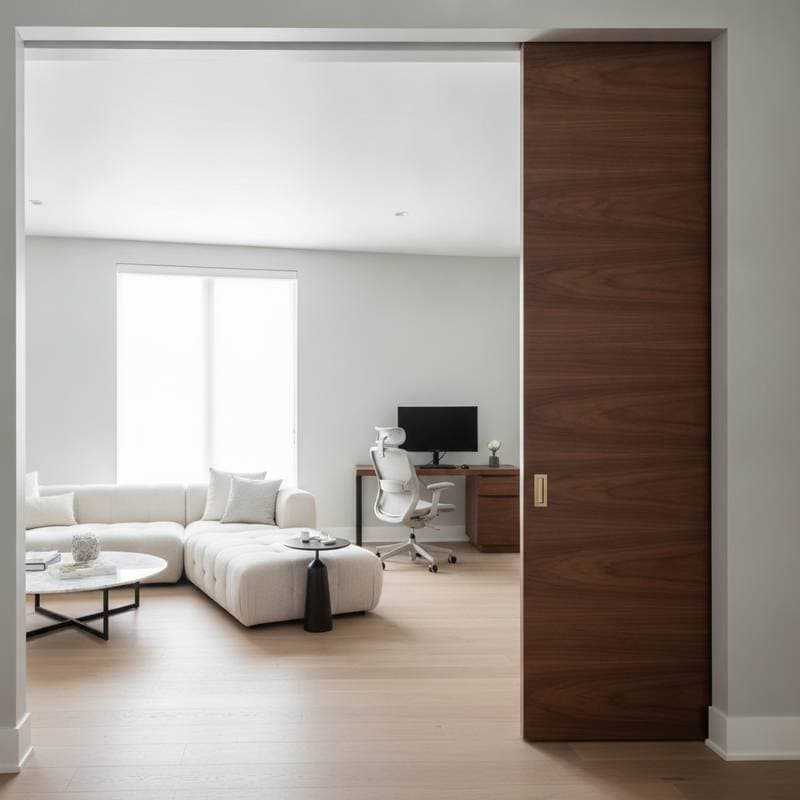
Pocket doors are available in a range of materials including solid wood, engineered panels, glass, and composite blends. The choice affects not only appearance but also weight, sound control, and maintenance needs. Solid wood provides a traditional look with natural texture and sound dampening. Glass models introduce light and visual openness, which suits modern interiors or small spaces that need brightness.
Hardware also makes a difference. Soft-close systems prevent slamming. Recessed pulls keep the surface flush. Privacy locks make them suitable for bedrooms or bathrooms. When choosing hardware, balance style with function. A lightweight track may cost less initially but might not handle daily use as smoothly as a heavier-duty option.
Installation Process and Structural Considerations
Installing a pocket door requires more preparation than hanging a standard hinged door. The wall must accommodate the pocket frame. This usually means removing existing drywall and verifying that no electrical wiring or plumbing runs through that section. Studs are replaced with a reinforced frame that supports the track and ensures stability.
The process typically follows these stages:
- Planning and layout: Identify wall sections suitable for pockets and measure clearances.
- Frame preparation: Remove drywall, check for obstructions, and install the pocket frame.
- Track installation: Mount the track level and secure the rollers that guide the door.
- Door fitting: Hang the panel, adjust alignment, and verify smooth movement.
- Finishing: Replace drywall, install trim, and complete surface finishes.
Quality control is key. Misalignment or uneven framing can cause sticking or scraping. Once the wall is closed, adjustments become difficult. Verify everything before finishing.
Cost, Value, and Maintenance
Pocket doors often cost more to install because of the additional framing and labor required. Yet the space savings and design flexibility can offset that expense. Maintenance is minimal if the frame and track are properly installed. Occasional lubrication of the rollers and cleaning of the track keeps the system reliable. Replacement parts are usually accessible through the top of the frame if needed.
When comparing costs, consider long-term usability. A pocket door that operates smoothly for years provides value beyond its initial price. For resale, buyers often appreciate the efficient use of space and the clean lines of hidden-frame designs.
Selecting the Right System
Selecting the right pocket door depends on how the room functions. For high-traffic areas, choose a sturdy frame and heavy-duty track. For decorative or secondary spaces, lightweight materials may suffice. Sound privacy is another factor. Solid-core doors reduce noise better than hollow ones. In multi-use areas, such as a guest room that doubles as an office, consider frosted glass panels that provide both light and separation.
Homeowners should also think about accessibility. Pocket doors require a recessed pull rather than a protruding knob. This can make operation easier for some users but harder for others. Smooth-glide hardware and soft-close options enhance usability, particularly for families with young children or older adults.
Preparing the Site
Before starting, review wall conditions and confirm that the chosen location can support a pocket system. If the wall is load-bearing, consult a contractor or structural professional. Electrical switches or outlets may need to be relocated. Planning avoids later surprises and ensures a clean, functional result.
Evaluating Long-Term Value
Pocket doors combine practicality with subtle elegance. They free up space, enhance flow, and introduce new design options that fit modern lifestyles. Whether used in a compact apartment or a spacious home, their hidden efficiency can transform how rooms feel and work.