Barn Doors Out in 2026: Smarter Interior Door Ideas
Barn doors once added rustic charm to many homes through their sliding tracks and bold hardware. Homeowners now seek quieter options that save space and deliver better privacy. Newer door styles integrate with open layouts while supporting daily comfort and visual calm.
This shift stems from both style preferences and practical needs. Barn doors often leave gaps that reduce sound control and require clear wall space for operation. Updated designs address these limits through hidden mechanisms and improved materials.
Why Barn Doors Are Losing Steam
The exposed track and rustic look once felt fresh yet now appear dated in many rooms. Homeowners report that sliding barn doors block artwork, switches, and furniture placement. Gaps around the door edges also allow noise and light to pass between spaces.
These doors demand several feet of unobstructed wall for full movement. In smaller rooms the requirement quickly becomes impractical. Over time the mechanism can squeak or stick without regular maintenance.
The Shift Toward Smarter Door Designs
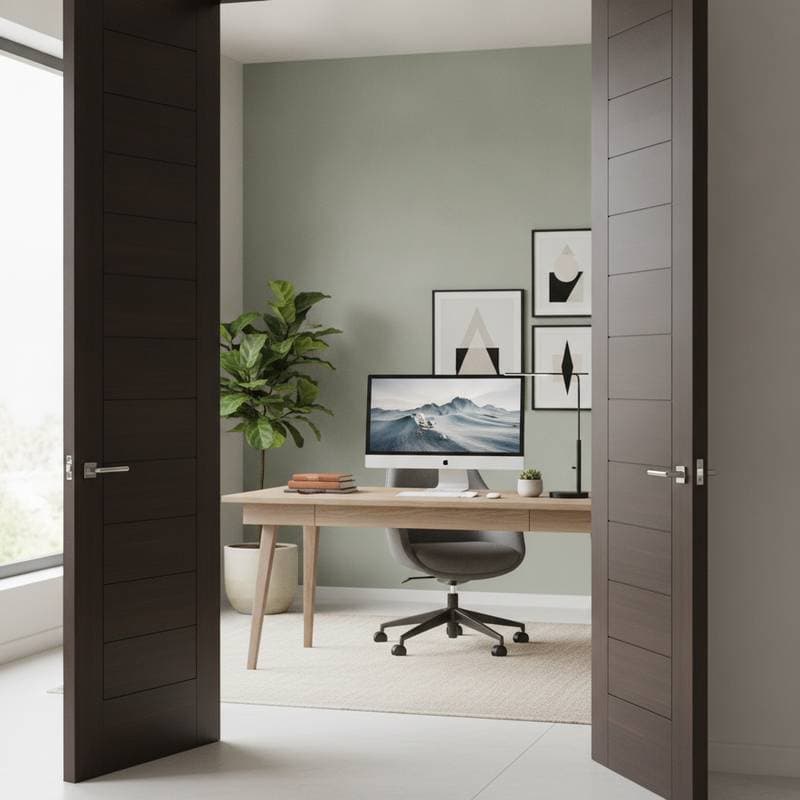
Modern interiors call for doors that adapt to changing room uses and reduce clutter. Homeowners prioritize soft-close hardware, solid cores for sound reduction, and finishes that match surrounding trim. Hidden tracks and flush frames create a seamless appearance.
These features support calm environments where movement feels effortless. Quality construction also improves energy efficiency and long-term durability.
Popular Alternatives to Barn Doors
Several proven options now replace barn doors in updated homes. Each type suits different room sizes and privacy needs.
Pocket Doors
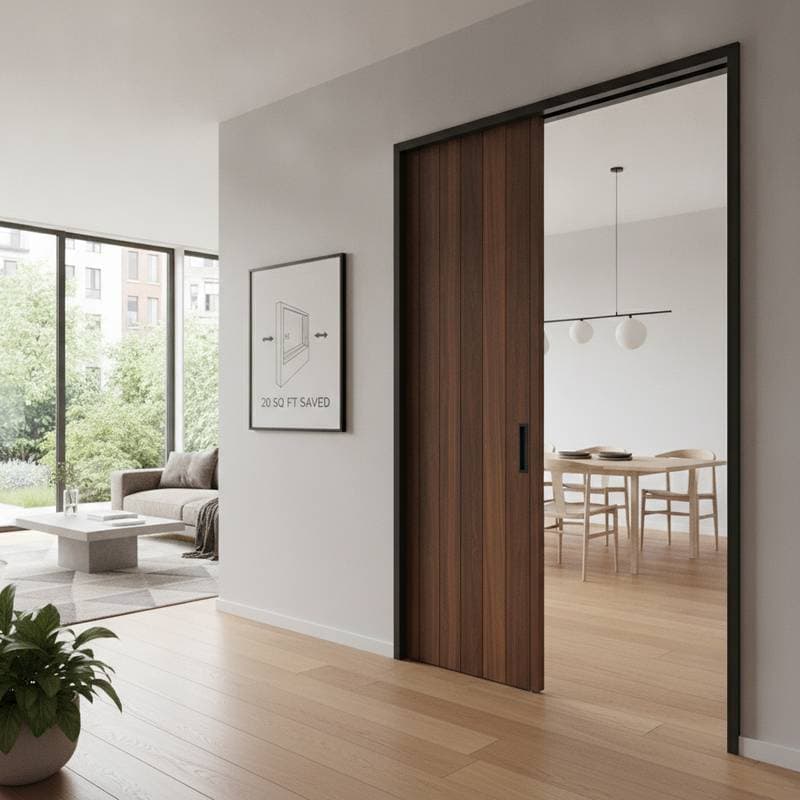
Pocket doors slide into a wall cavity and disappear when open. They deliver full closure for sound control and privacy.
- Work well in bathrooms, closets, and narrow hallways
- Require professional framing during installation
- Last many years with solid-core construction and quality rollers
Sliding Glass Panel Doors
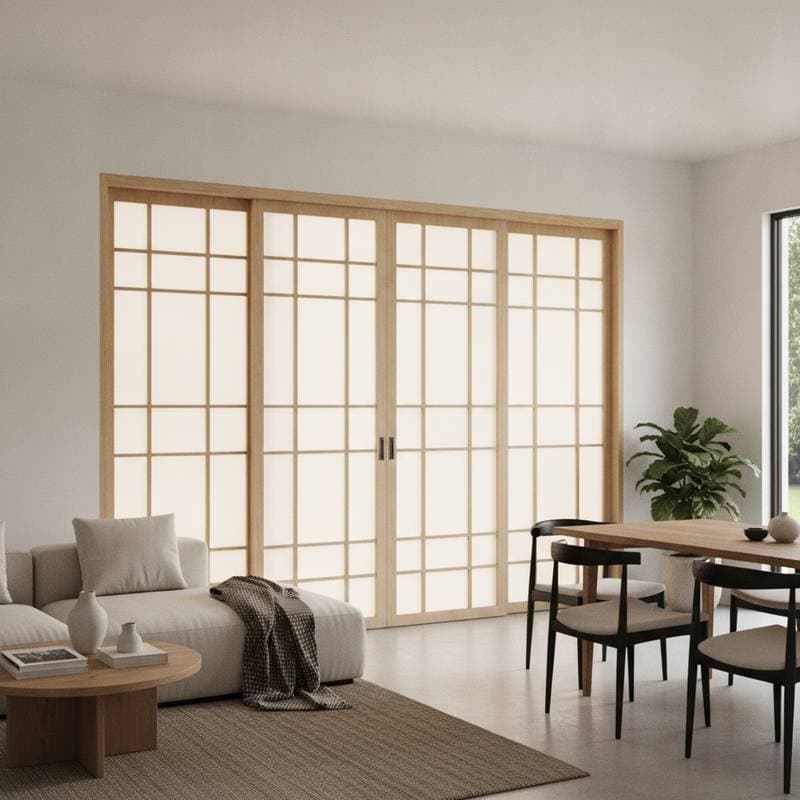
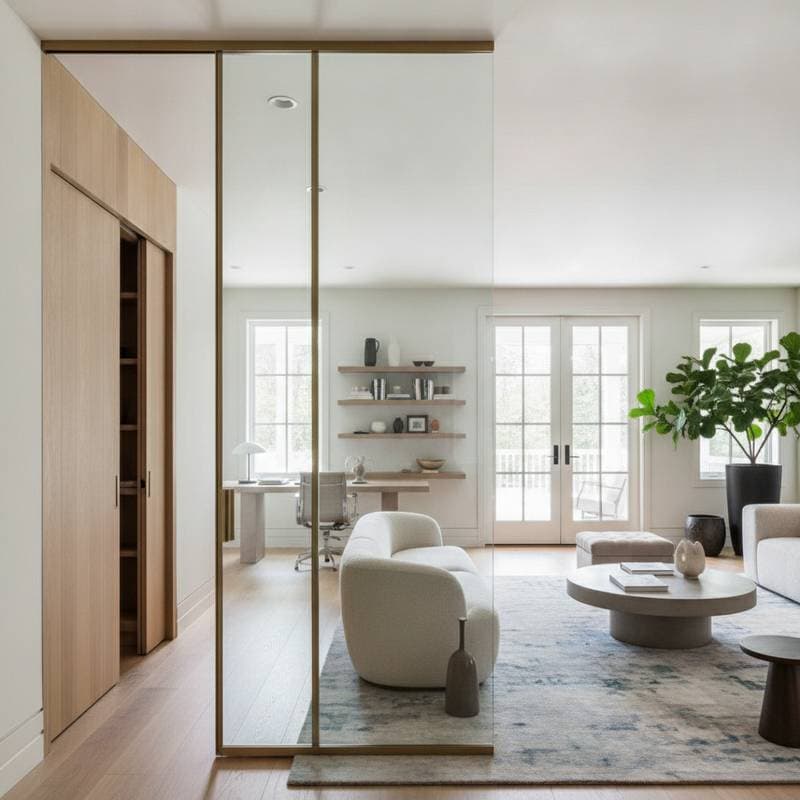
Glass panels divide spaces while allowing daylight to pass through. Frosted finishes add privacy without darkening rooms.
- Suit home offices and living areas that need visual openness
- Need periodic cleaning to stay clear
- Offer custom sizes and frame colors
French Doors
French doors bring symmetry and architectural detail to transitional spaces. They connect rooms visually while maintaining separation when closed.
- Fit dining rooms and entryways
- Require swing clearance on both sides
- Come in wood, glass, or composite materials
Pivot Doors
Pivot doors rotate on a central hinge for smooth, balanced movement. They handle wide openings and create a modern statement.
- Work best in large entryways or living areas
- Need precise alignment during installation
- Pair with minimalist hardware for clean lines
Bi-fold and Accordion Doors
These folding styles open wide without claiming wall space. They adapt quickly to multi-use rooms.
- Serve pantries, laundry rooms, and home offices
- Offer wood, glass, or vinyl options
- Require occasional lubrication of hinges
Material and Finish Considerations
Solid wood provides longevity and warmth in traditional settings. Engineered wood balances cost and stability for everyday use. Glass panels maximize light while composites resist moisture in baths.
Choose matte finishes to reduce fingerprints and glare. Match door color to trim for visual continuity throughout the home.
Process and Installation Considerations
Start by measuring wall cavities and noting electrical or plumbing locations. Remove old hardware and confirm the chosen system fits the opening size. Professional installers align tracks, test soft-close functions, and adjust seals for quiet operation.
After installation inspect gaps, latches, and movement. Schedule annual checks of rollers and hinges to maintain performance.
Matching Door Choices to Lifestyle Needs
Families often select solid-core pocket doors for noise control near bedrooms. Remote workers benefit from sound-rated hinged doors in offices. Compact homes gain flexibility from bi-fold systems in shared zones.
Open-concept layouts pair well with glass or pivot styles that preserve flow. Always test hardware samples before final selection.
Long-Term Value and Maintenance
High-quality doors increase comfort and support property value through better sound control and insulation. Regular track cleaning and hinge lubrication prevent most repairs. Plan upgrades around future layout changes so flexible systems remain useful for years.
Working with Contractors
Verify that installers have completed similar projects and provide written warranties. Request a final walkthrough that demonstrates every moving part. Homeowners tackling simple replacements should still consult structural guidelines before cutting into walls.