Why Clay Plaster Outshines Drywall in 2026 Home Design
Natural materials are reshaping interior design trends. Homeowners increasingly select authentic finishes that enhance performance and indoor air quality over synthetic options. Clay plaster emerges as a superior alternative to standard drywall, providing warmth, texture, and sustainable benefits. This material exceeds drywall in comfort, longevity, and health advantages, creating spaces that connect users to nature.
The Rising Popularity of Clay Plaster
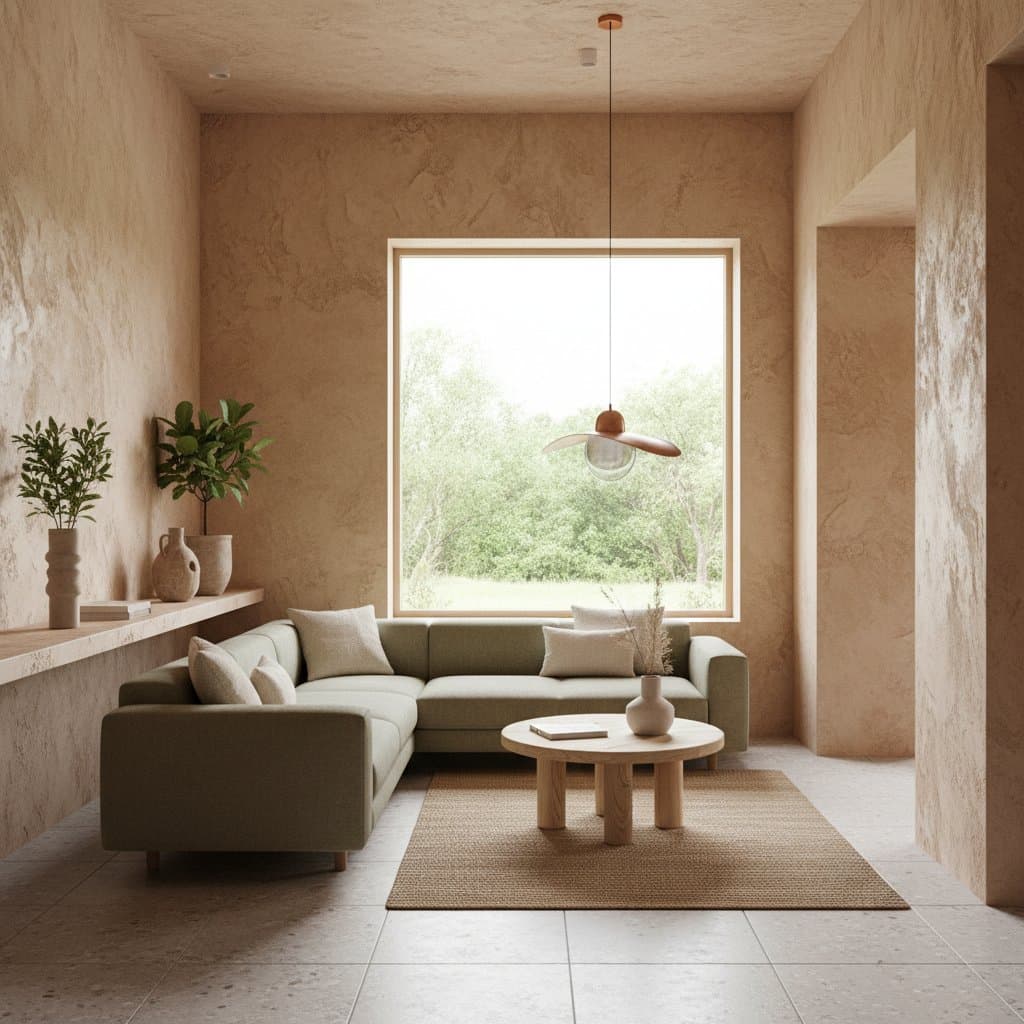
Clay plaster delivers a soft matte surface that scatters light evenly, fostering serene and organic interiors. Its inherent color shifts and textured feel add dimension absent in painted drywall. In addition to visual appeal, clay plaster manages humidity levels, captures dust particles, and minimizes static electricity, resulting in fresher living environments. These attributes support the demand for nature-inspired designs that require minimal upkeep.
This material aligns with sustainability priorities. Composed of earth-based pigments and minerals without chemical additives or resins, clay plaster reduces ecological footprints. It adapts to diverse styles, from sleek minimalism to cozy rustic settings, offering versatility for various home architectures.
Three Practical Implementation Strategies
Budget-Friendly Option ($1,000 to $3,000)
- Apply a single thin layer of clay plaster over existing drywall to introduce texture without major renovations.
- Select ready-to-use clay products compatible with basic trowels or rollers for straightforward application.
- Opt for neutral shades such as warm beige or light taupe to emphasize surface qualities over bold colors.
- Focus on one feature wall in a prominent room, like the living area, to maximize effect with limited resources.
Moderate Investment ($3,000 to $8,000)
- Install complete clay plaster layers on focal areas, including entry halls, kitchens, or sleeping quarters.
- Blend custom hues with organic pigments to achieve nuanced tones unattainable with standard paints.
- Hire skilled applicators to blend sections smoothly, promoting endurance and polished results.
- Integrate simple design elements, such as curved edges or recessed shelves, to showcase artisanal quality.
Premium Commitment ($8,000 to $20,000)
- Cover the entire residence with layered clay plaster for uniform aesthetics and functionality.
- Explore advanced variants like burnished surfaces, fiber-embedded mixes, or light-reflective additives.
- Pair with salvaged timber accents and stone features to build a unified natural theme.
- Choose specialized formulations resistant to dampness for wet zones, preserving ventilation and strength.
Essential Materials and Application Guide
- Wall Surfaces: Build two to three coats of clay plaster for robust layering and resilience. Select smooth aggregates for modern looks or rougher ones for traditional vibes.
- Window Frames: Surround openings with untreated timber or bamboo moldings that echo the plaster's subtle palette. Apply subtle sealants to preserve a gentle sheen.
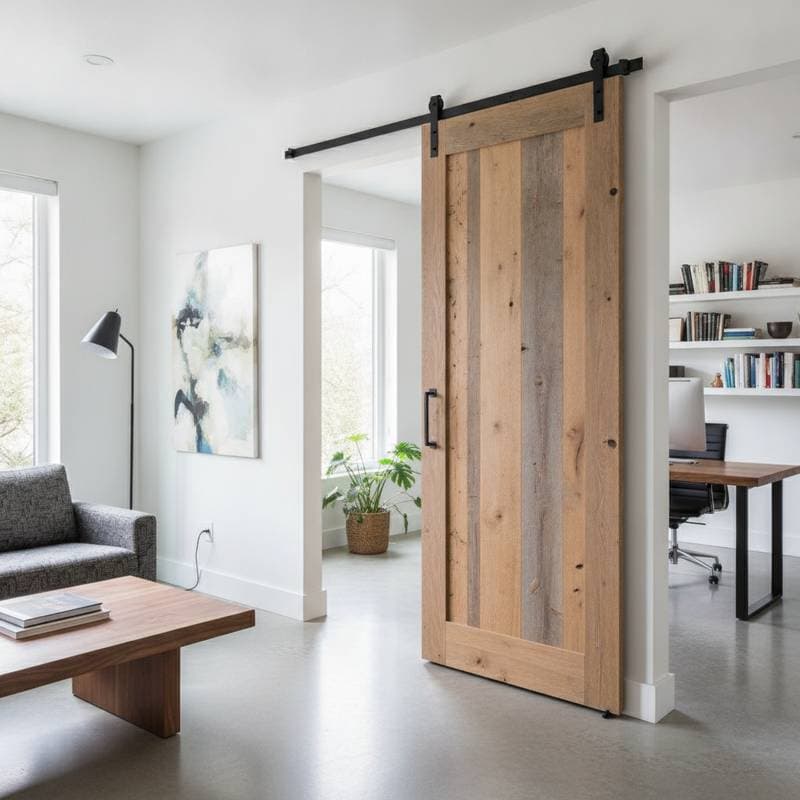
- Door Selections: Match walls with sturdy hardwood or layered doors in species like oak, walnut, or cherry. Choose hardware in matte dark tones or weathered metal for subtle contrast.
- Ceiling Treatments: Carry the clay application overhead to envelop rooms consistently. Lighter variants on ceilings boost illumination while retaining earthy comfort.
- Molding and Details: Employ lime-based washes or silicate paints on borders for tonal unity. Add recycled wood supports or sculpted clay elements for authentic craftsmanship.
Realistic Maintenance Expectations
The inherent flexibility of clay plaster prevents fractures and allows minor repairs through light re-wetting. Address small marks by moistening the spot and gently buffing with a soft tool, avoiding repaint efforts. Unlike drywall, this surface repels dust accumulation and cleans easily with a dry wipe.
In moist climates, clay plaster absorbs excess vapor and releases it slowly, curbing mold growth and stabilizing air quality. Preserve the finish by steering clear of harsh abrasives or solvents that might fade natural colors. Refresh with occasional light applications every several years to sustain vibrancy.
Common Pitfalls to Sidestep
- Hastening the Process: Each clay layer demands adequate drying intervals to prevent irregularities or splits. Schedule projects to accommodate full setting times for optimal outcomes.
- Neglecting Surface Prep: Direct application over slick or coated walls hinders bonding. Sand lightly or use a natural primer to create a reliable foundation.
- Excessive Color Mixing: Clay's strength resides in subtle inconsistencies; overloading with hues creates clutter. Anchor selections in grounded earth shades for balanced appeal.
- Overlooking Expertise: Basic kits suit small tests, but uniform results demand professional techniques. Allocate funds for expert input on prominent features.
Harmonizing Hues and Aesthetics
Clay plaster integrates seamlessly with complementary organic elements. Blend warm bases like ochre, beige, or soft gray with raw timbers and non-reflective metals. For contemporary spaces, combine pale clay with sleek dark frames and sparse furnishings. In classic or rural designs, richer tones such as burnt sienna or deep brown amplify coziness and genuineness.
Curated Color Options
- Gentle Beige: A serene neutral that amplifies ambient light effectively.
- Earthy Terracotta: A subdued reddish-brown providing substance without dominance.
- Subdued Green-Gray: A balanced shade that unites timber and rock accents.
- Pure Off-White: An unadorned tone ideal for overheads and edges.
- Warm Umber: A rich brown for accents that deepen spatial warmth.
Developing Your Project Blueprint
- Capture photos of current interiors from varied perspectives to evaluate illumination and structure.
- Document present features, including support positions, floor shades, and border designs, for integrated planning.
- Consult regional regulations or community rules regarding acceptable materials.
- Consider local weather patterns, as elevated moisture or aridity affects product choices.
- Establish a feasible financial plan and rank priority zones for initial clay applications.
Achieving Integrated Natural Interiors
Clay plaster embodies a commitment to genuine, ventilated, and soothing environments. As an accent or comprehensive covering, it imparts a sensory depth beyond conventional drywall. Its blend of elegance, eco-consciousness, and simplicity positions it as a wise choice for evolving residential aesthetics.