Why Pocket Doors Outperform French Doors in 2025 Homes
Homeowners increasingly prioritize efficiency, clean lines, and adaptable spaces in interior design. Pocket doors stand out as a superior alternative to traditional French doors, driven by advantages in space management, cost savings, and alignment with contemporary lifestyles that emphasize functionality and seamless flow.
For those undertaking a remodel or crafting a new layout, a clear comparison of pocket doors and French doors informs smarter investments. The following sections examine costs, benefits, and installation details to guide selection based on specific needs.
Space Efficiency for Contemporary Living
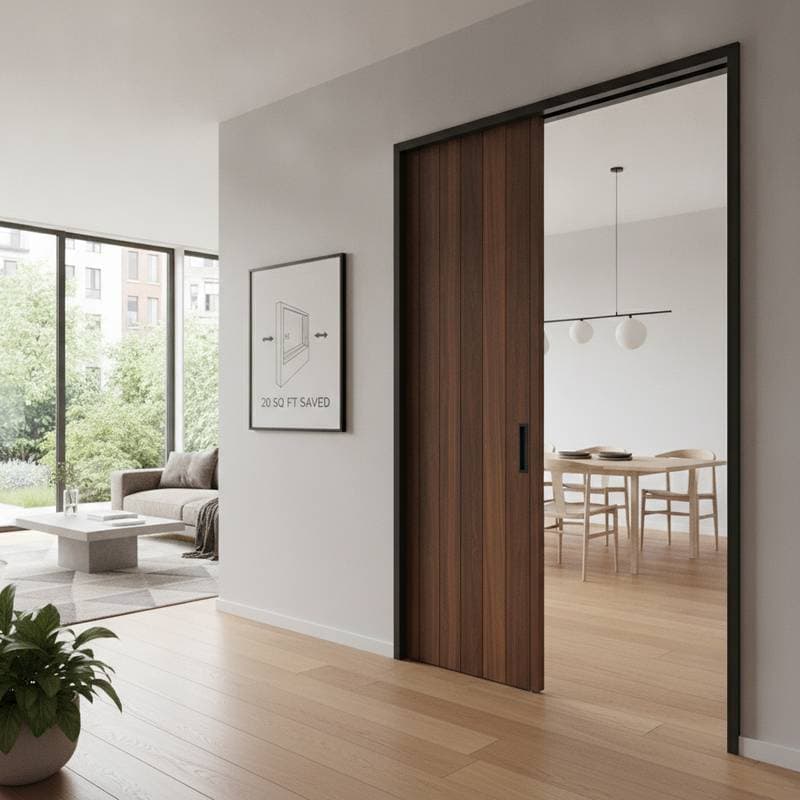
Pocket doors surpass French doors primarily through their space-saving design. French doors swing outward, demanding unobstructed floor space on either side for operation. Pocket doors, however, retract smoothly into the wall, preserving the entire floor area.
A typical French door pair requires 10 to 12 square feet of clearance to open fully. Pocket doors demand virtually no such space, proving invaluable in compact residences, apartments, or narrow hallways.
Interior designer Laura Chen of Modern Habitat Interiors notes, "Homeowners recognize that every square foot matters. Pocket doors reclaim areas otherwise dedicated to door swings."
Design Flexibility and Visual Elegance
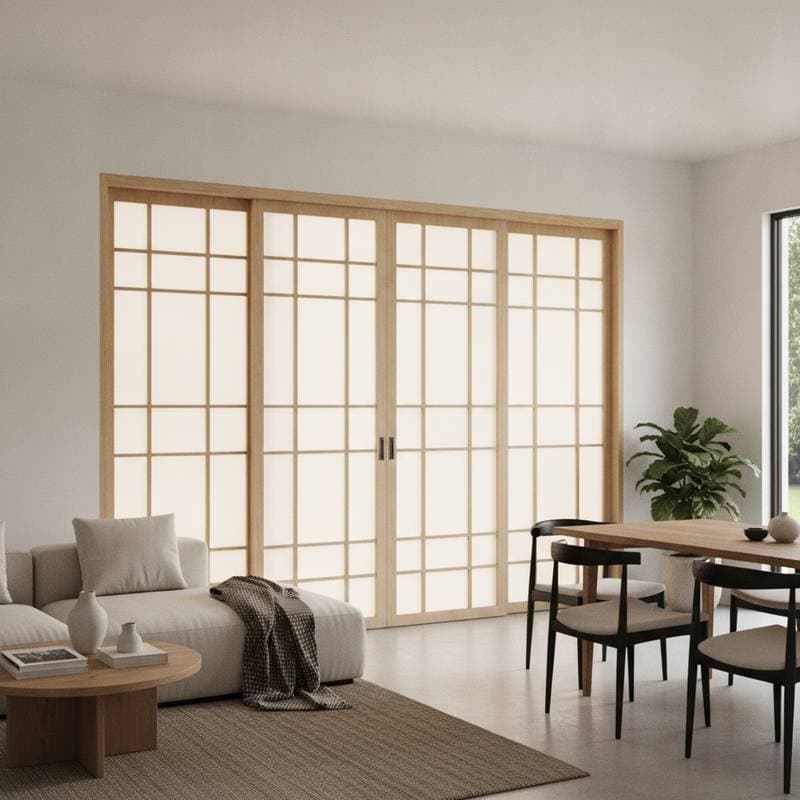
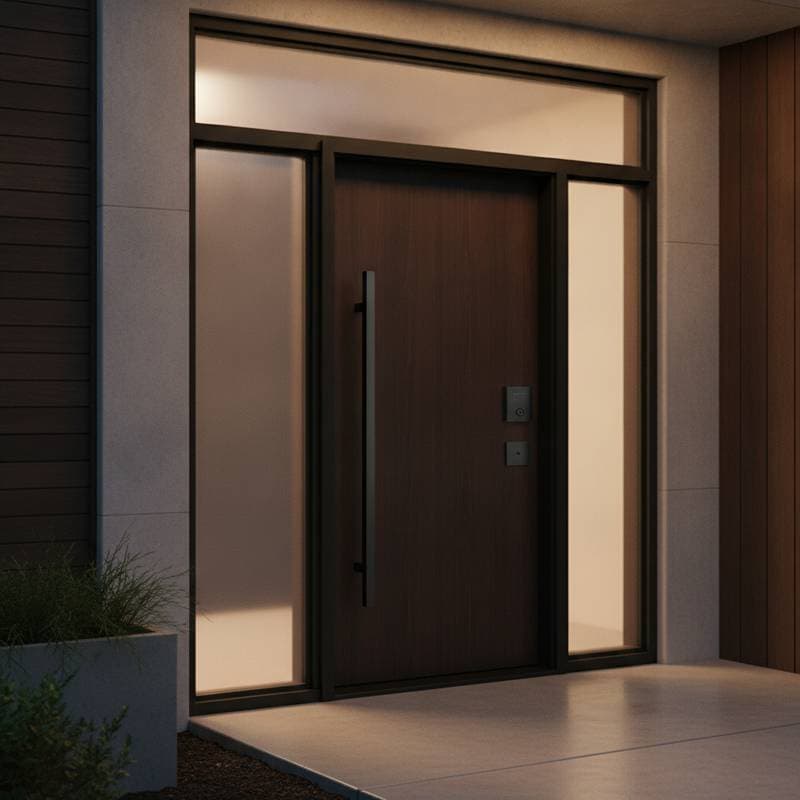
Contemporary pocket doors extend beyond basic panels, featuring options in solid wood, glass inserts, and custom veneers that match the sophistication of French doors. Although French doors remain prized for their transparency and timeless appeal, pocket doors deliver comparable style with streamlined profiles and greater adaptability.
| Material | Pocket Door Features | French Door Features |
|---|---|---|
| Solid Wood | Durable, noise-dampening, varied finishes | Classic elegance, substantial weight |
| Frosted or Clear Glass | Promotes light diffusion, supports privacy | Illuminates areas, creates spacious feel |
| Composite or MDF | Budget-friendly, paintable, lightweight | Economical yet prone to wear |
Pocket doors integrate seamlessly into minimalist modern settings or transitional environments. They suit private zones such as primary bathrooms, utility rooms, and home offices, where discretion and quiet function enhance usability.
Installation Factors and Structural Adjustments
Pocket door installation demands more preparation than that of French doors. It involves creating a wall cavity and installing a track system, which may necessitate drywall removal and framing modifications. In legacy structures with load-bearing walls or embedded wiring, these changes elevate expenses.
Professionals advise expert involvement, especially for retrofits. Building contractor Mike Rivera from UrbanCraft Remodeling states, "Pocket doors demand exact alignment. Minor frame deviations lead to sticking or friction. Skilled installation averts ongoing problems."
During new builds or extensive renovations, pocket doors integrate effortlessly with premeditated framing. Optimal locations include non-load-bearing interior walls devoid of electrical or plumbing elements.
Longevity and Upkeep Requirements
French doors depend on hinges and latches susceptible to loosening or drooping with use. Pocket doors employ concealed rollers and tracks that accumulate dust or need periodic lubrication, yet feature fewer exposed components.
Advancements in pocket door hardware, including soft-close systems and robust aluminum tracks, ensure decades of reliable service with basic care. Users simply wipe visible track edges and apply silicone lubricants for fluid movement.
In comparison, French doors often require repeated hinge tuning or refinishing due to their mechanics and exposure. Humidity can exacerbate issues with swinging panels through material expansion.
Privacy and Acoustic Performance
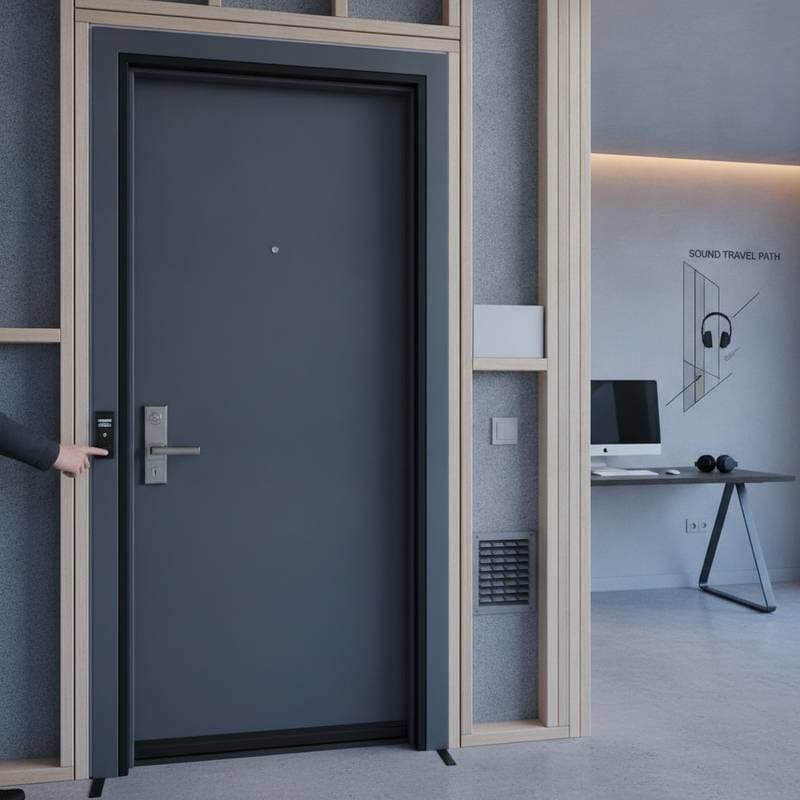
Well-installed pocket doors with premium gaskets and solid cores match French doors in privacy levels. Glass-paneled French doors permit sound and light leakage, which hinders suitability for professional or sleeping areas.
Advanced pocket door configurations incorporate acoustic seals and dense cores to minimize noise transmission. Such features render them ideal for sound-sensitive spaces like infant rooms or entertainment areas.
User Accessibility and Operation
Pocket doors promote accessibility through effortless sliding action that demands little physical force. This design benefits families with young children, seniors, or individuals facing mobility limitations.
French doors, despite their charm, prove cumbersome in confined areas due to weight and the need for dual-hand operation to open both leaves. Carrying items like linens or provisions becomes challenging.
Features such as recessed pulls and soft-close mechanisms on pocket doors streamline use while preventing slams or injuries from closing edges.
Thermal Performance and Illumination Control
French doors with glass elements admit abundant natural light but compromise insulation, allowing heat gain or loss. Solid-core pocket doors offer superior thermal barriers, regulating temperatures between rooms more effectively.
For light-dependent designs, frosted or etched glass pocket doors balance illumination with seclusion. They diffuse daylight while curbing drafts and supporting efficient heating or cooling.
Environmentally aware residents select pocket doors in regulated zones to optimize air containment and HVAC performance.
Optimal Applications for Each Door Style
Pocket and French doors serve distinct purposes, with French doors favoring formal contexts and pocket doors excelling in versatile, compact zones.
| Space Type | Recommended Door | Rationale |
|---|---|---|
| Compact Bathrooms | Pocket Door | Preserves floor space and eases entry |
| Formal Dining | French Door | Elevates ambiance and openness |
| Home Offices | Pocket Door | Dampens noise and conserves area |
| Storage Closets | Pocket Door | Facilitates quick access and order |
| Open Living Rooms | French Door | Preserves classic visual continuity |
In fluid open-plan designs, pocket doors enable dynamic division or unification of areas without furniture disruption.
Addressing Potential Drawbacks
Pocket doors commonly face track misalignment or frame distortion from subpar setup. Verify wall cavities remain plumb and tracks level during installation. Opt for steel-reinforced frames to resist sagging over time.
French doors encounter hinge misalignment or sealing gaps from uneven floors. Routine adjustments maintain proper function.
Experts endorse solid-core pocket doors for enhanced durability and soundproofing. Hollow-core variants, though lighter and less costly, may lack robustness in frequent-use locations.
Essential Material and Component Selections
Choices in materials and hardware dictate pocket door reliability and efficiency. Premium tracks, ball-bearing rollers, and reinforced jambs raise upfront costs but minimize future repairs.
| Component | Pocket Door Recommendation | French Door Recommendation |
|---|---|---|
| Door Core | Solid wood or composite | Solid wood or glass-integrated |
| Hardware | Heavy-gauge steel track, bearing rollers | Brass or stainless steel hinges |
| Handle Type | Recessed or flush-mounted | Lever or knob styles |
| Finish Options | Paintable, stainable, or veneered | Painted, stained, or glass-embellished |
Overlooking hardware quality compromises smooth operation. Superior components guarantee silent, reliable performance through extended use.
Influences from Current Design Movements
Emerging trends favor unobtrusive lines, clear vistas, and adaptable configurations. Pocket doors align with these by offering subtle partitions that preserve spatial continuity.
In pared-down aesthetics, pocket doors vanish into walls when retracted, contrasting with the persistent presence of open French doors. This adaptability supports fluid, clutter-free environments.
Interior stylist Marco Alvarez observes, "French doors possess beauty, yet pocket doors match modern rhythms. They enable spaces to expand and evolve without style concessions."
Financial Benefits and Enduring Worth
Pocket doors may incur higher initial outlays in renovations, but their spatial optimizations boost property value. Market analyses indicate that usable square footage strongly influences marketability. Removing swing clearances enlarges perceived room sizes and functionality.
In space-constrained dwellings, this enhancement equates to added livable area. The investment yields returns, particularly with resilient materials and expert fitting.
Ongoing expenses remain modest; track maintenance suffices for pocket doors, whereas French doors demand more for hardware and weatherproofing.
Steps to Implement Your Choice
Begin renovations by assessing suitable walls for pocket doors, targeting non-structural partitions and evaluating room circulation. Engage a certified contractor to assess viability prior to material procurement. This preparation ensures a seamless integration that enhances daily comfort and home efficiency.