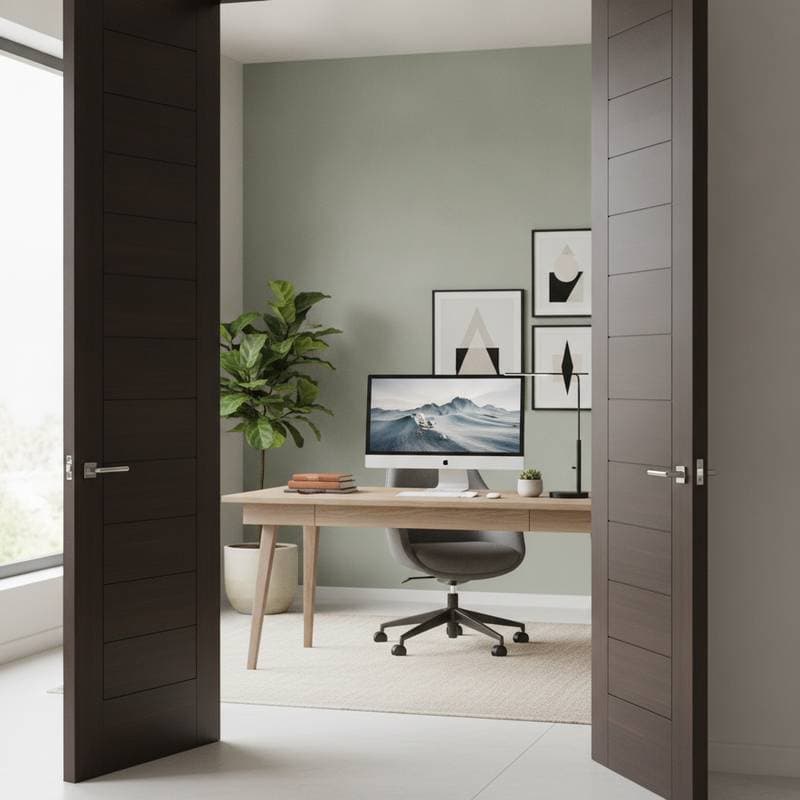
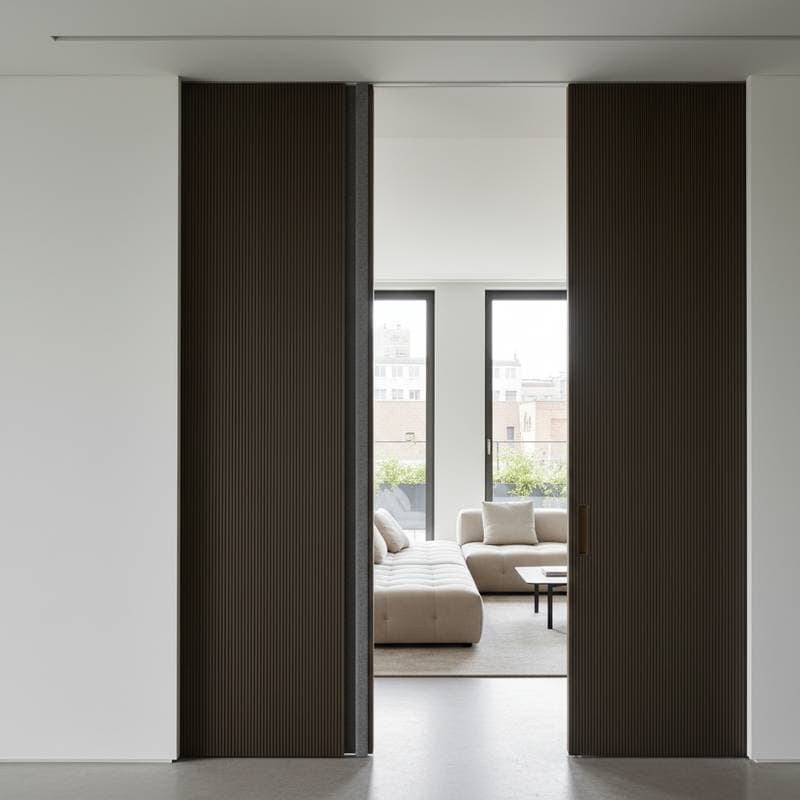
Pocket Doors: The 2026 Revival in Soundproof, Space-Saving Design
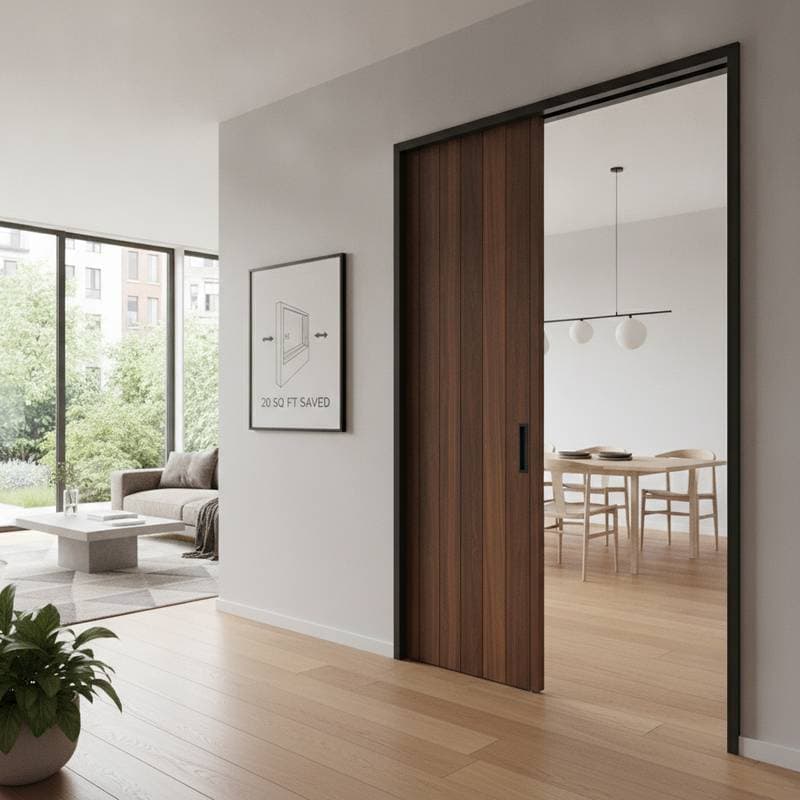
Pocket doors emerge as a key feature in modern interiors for 2026, blending advanced soundproofing with efficient space utilization. These doors slide into wall cavities, eliminating the need for swing space and enabling seamless room transitions. Homeowners gain enhanced privacy and noise control without sacrificing the openness of contemporary layouts.
As living spaces prioritize flexibility, pocket doors provide a practical solution. They address the demands of remote work, family dynamics, and multifunctional areas by allowing quick adjustments between open and enclosed configurations.
Defining the Contemporary Pocket Door
A pocket door operates by gliding into a hidden wall pocket, preserving floor space and creating fluid connections between rooms. Recent innovations in roller tracks, reinforced framing, and acoustic materials elevate these doors beyond their traditional counterparts, which often suffered from noise and durability issues.
This resurgence aligns with current trends in compact urban homes and adaptable interiors. Designers emphasize not only spatial efficiency but also superior sound isolation, making pocket doors suitable for offices, bedrooms, and entertainment zones.
Essential Materials and Soundproofing Features
Material selection determines the door's visual appeal, longevity, and noise-blocking capabilities. Options range from natural woods to engineered composites, each tailored to specific performance levels.
| Material Type | Initial Cost | Lifespan | Maintenance | Best For |
|---|---|---|---|---|
| Solid Wood | Medium to High | Long | Periodic refinishing | Traditional settings, warm aesthetics |
| Engineered Wood | Moderate | Long | Minimal | Cost-effective stability |
| MDF Core | Low to Moderate | Medium | Low | Modern painted surfaces |
| Solid Core Composite | Moderate | Long | Low | Superior sound absorption |
| Glass with Acoustic Laminate | High | Long | Low | Light passage with privacy |
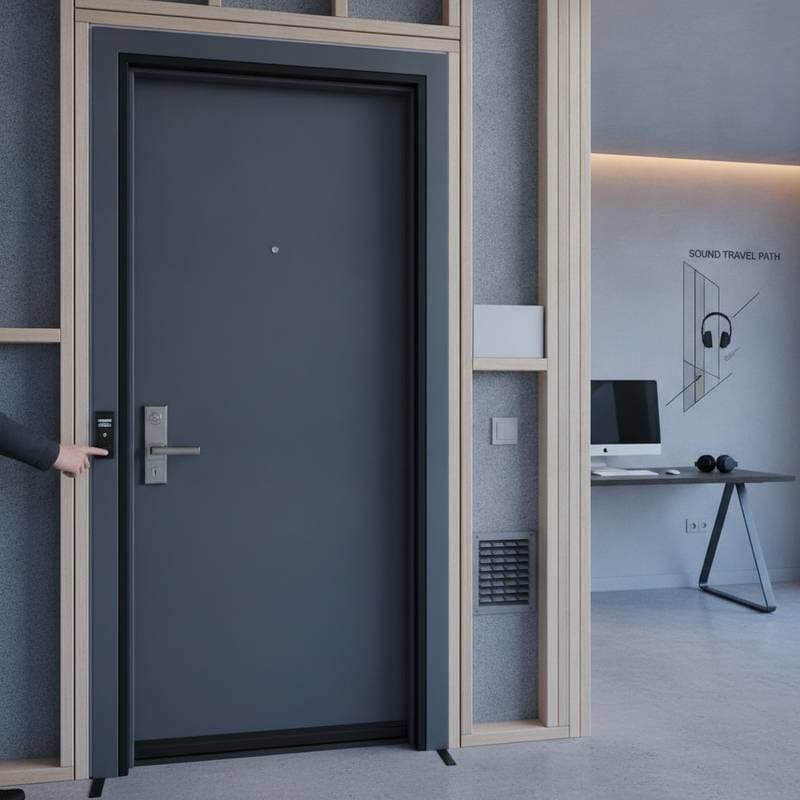
Solid core constructions outperform hollow variants in sound dampening. Integrating perimeter gaskets, magnetic seals, and insulated frames can achieve up to 30 decibels of noise reduction, ideal for adjacent living and working areas.
Assessing Structural Suitability
Evaluate wall integrity before installation to avoid complications. The pocket requires unobstructed space, free from electrical conduits, pipes, or structural supports. Retrofitting older homes may involve partial wall demolition and added bracing.
Consider ceiling height for track placement and wall depth for door thickness. Double-pocket configurations suit expansive openings in living areas, while single units work well in tighter spaces like closets or studies. Insulated cavities in thicker walls maximize acoustic benefits.
Step-by-Step Installation Guide
-
Initial Assessment
Inspect the wall and measure the proposed opening precisely. Select hardware, including track type and handle style, to align with functional and aesthetic preferences. -
Site Preparation
Demolish interior framing as needed and install a pre-fabricated pocket kit. Level the track assembly meticulously and relocate any utilities obstructing the cavity. -
Door Assembly
Mount the panel on heavy-duty rollers attached to the overhead track. Fine-tune alignment to ensure even closure and minimal gaps. -
Soundproof Enhancements
Apply adhesive seals, brush weatherstripping, and foam insulation around edges. Test for airtight contact to verify noise isolation. -
Final Checks and Finishing
Operate the door repeatedly to confirm silent, effortless movement. Apply trim and finishes to blend with existing decor, followed by lubrication of moving parts.
Professional oversight during these steps prevents common pitfalls like misalignment or inadequate sealing.
Achieving Optimal Acoustic Results
Soundproof pocket doors enhance daily living by minimizing disturbances in shared environments. Dense core materials, combined with vibration-dampening tracks, block sound transmission effectively. This setup proves particularly useful in home theaters, nurseries, or professional workspaces.
Performance hinges on integrated elements: seals must compress fully upon closure, and cavities require fiberglass or foam fill for resonance control. Expect measurable improvements in speech privacy and ambient noise reduction when installation adheres to manufacturer specifications.
Styling and Customization Options
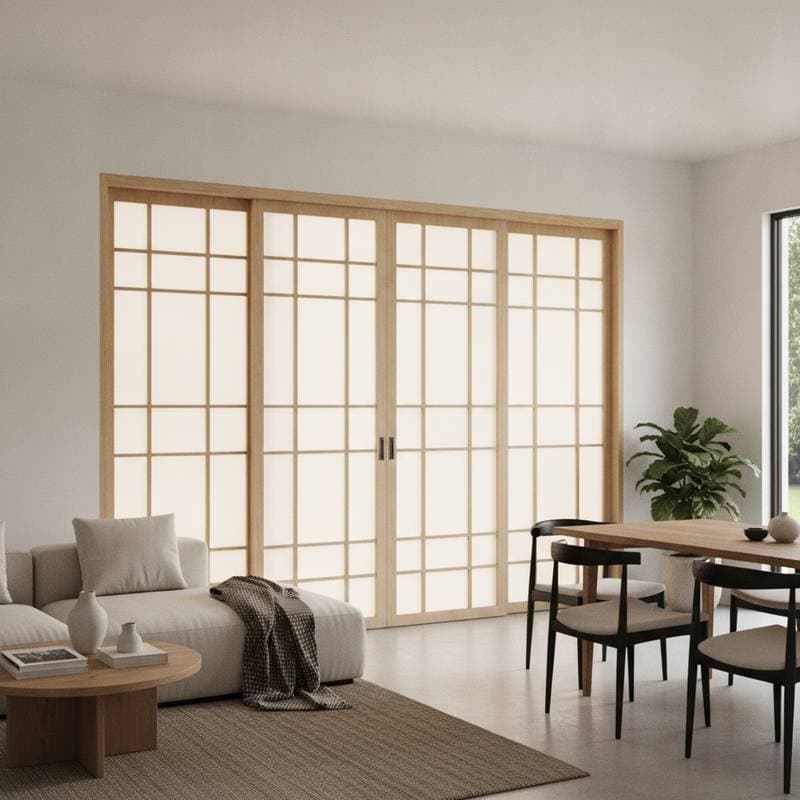
Pocket doors adapt to diverse interior themes through varied panel designs. Opt for sleek, frameless panels in contemporary spaces or paneled versions for classic elegance. Translucent glass panels with etched patterns permit light diffusion while preserving seclusion.
Hardware choices refine the overall appearance. Concealed finger pulls suit streamlined looks, whereas lever handles offer tactile appeal. Incorporate automatic soft-close systems to eliminate abrupt stops, and select ADA-compliant grips for inclusive access.
Alternatives to Pocket Doors
| Option | Initial Cost | Lifespan | Maintenance | Best For |
|---|---|---|---|---|
| Hinged Door | Low | Long | Minimal | Basic, swing-tolerant areas |
| Barn Door | Moderate | Medium | Low | Decorative, exposed tracks |
| Pocket Door | Moderate | Long | Low | Hidden operation, acoustics |
| Accordion Door | Low | Short | Moderate | Flexible, non-permanent dividers |
Hinged doors demand floor clearance, potentially disrupting layouts. Barn doors provide rustic charm but compromise on sealing. Pocket doors excel in discretion and sound management, outperforming alternatives in versatile modern applications.
Upkeep for Enduring Performance
Maintain pocket doors through simple routines to ensure reliability. Wipe tracks clean monthly and apply silicone lubricant to rollers biannually. For wooden surfaces, reapply sealant every few years to prevent warping.
Monitor seals for wear and replace as necessary to sustain soundproofing. With diligent care, these doors endure decades, matching the durability of standard interior fixtures.
Boosting Energy Savings
Closed pocket doors regulate air movement, aiding temperature stability across rooms. This containment lowers HVAC loads, potentially cutting energy use by 10-15 percent in zoned homes. Eco-friendly choices, such as FSC-certified woods and zero-VOC paints, minimize environmental footprint while laminated glass variants improve thermal insulation.
Tailoring to Specific Areas
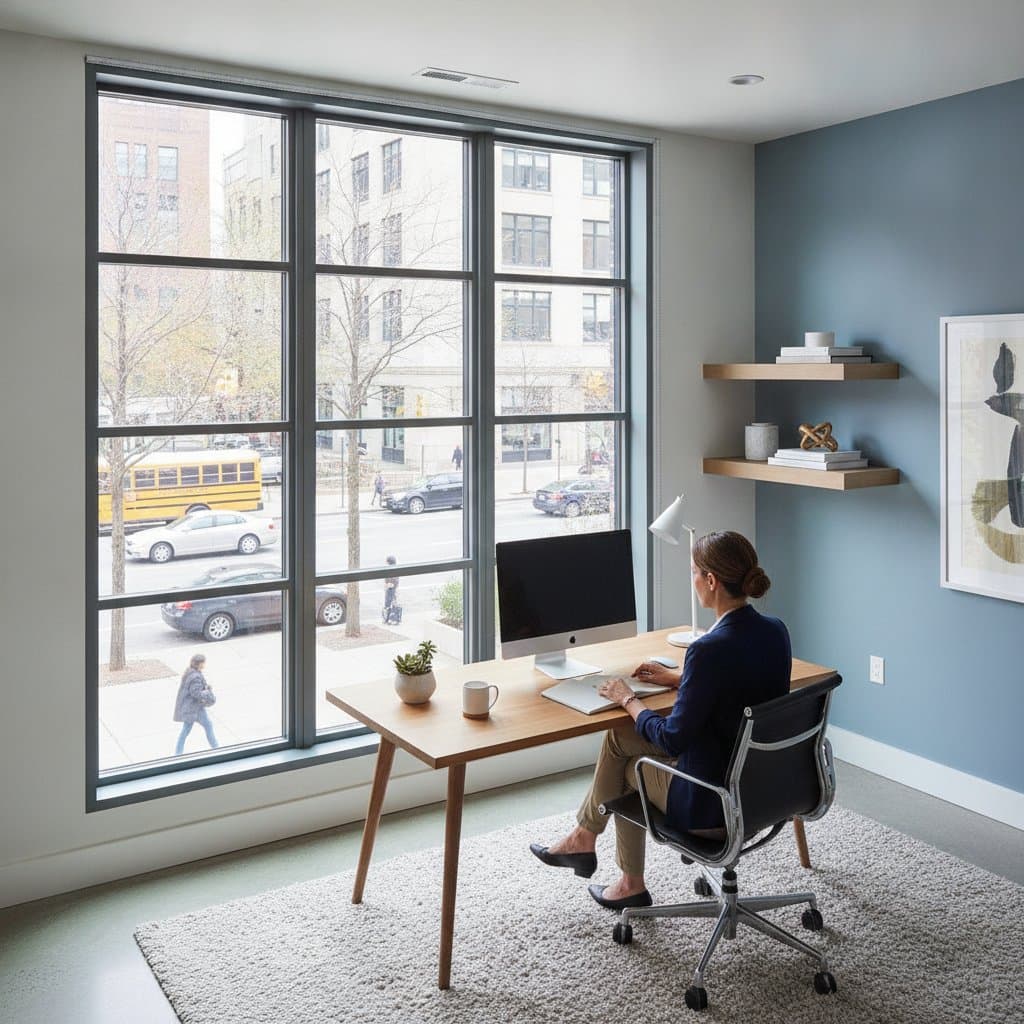
- Home Offices: Isolate distractions, fostering productivity amid family activities.
- Bedrooms: Secure restful environments without altering sightlines.
- Bathrooms: Maximize tight footprints by avoiding protruding swings.
- Kitchens: Facilitate open entertaining or contained meal prep.
- Media Rooms: Pair with room treatments for immersive, quiet experiences.
Align selections with household routines, from remote schedules to guest hosting, to optimize spatial dynamics.
Selection Criteria for Success
Prioritize measurements to verify wall compatibility and door dimensions. For noise-sensitive zones, specify STC-rated cores exceeding 35. Harmonize styles with adjacent elements, and budget for professional retrofits in challenging structures.
Investing in quality yields long-term satisfaction through quiet operation and aesthetic integration.
Collaborating with Installers
Engage certified professionals experienced in cavity framing and acoustic setups. Review material samples and obtain itemized proposals covering labor, components, and schedules. Discuss acoustic targets upfront to guide seal and insulation choices.
Realizing Seamless Home Integration
Pocket doors elevate living standards by harmonizing openness with seclusion. Their soundproof advancements address modern acoustic challenges, while space-efficient mechanics adapt to evolving needs. Select and install thoughtfully to enjoy enduring functionality and style.