Pocket Doors: The Space-Saver for Tiny Homes
Tiny homes challenge conventional ideas of space, comfort, and design. In these compact environments, every inch demands careful consideration to create a livable area. Pocket doors emerge as a key innovation for optimizing space. These doors slide into the wall rather than swinging out, which frees up floor area and supports more adaptable furniture placement and smoother circulation.
Understanding Pocket Door Design
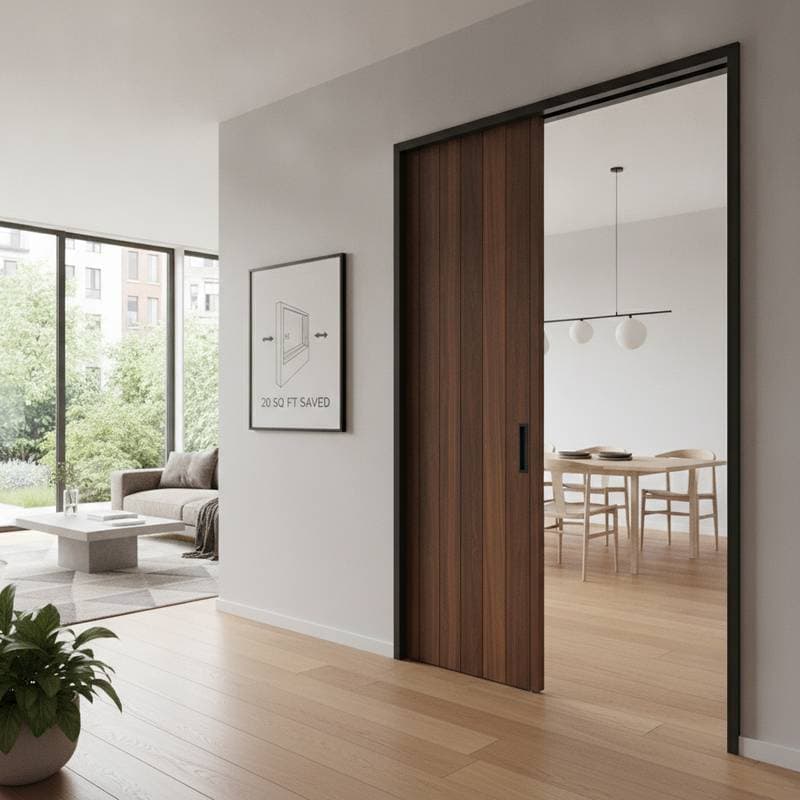
A pocket door operates on a hidden track and retreats fully into a wall recess. This design eliminates the need for swing clearance, unlike hinged doors that demand open space to function. In confined settings, such as tiny homes, this feature prevents doors from obstructing pathways or limiting room layouts.
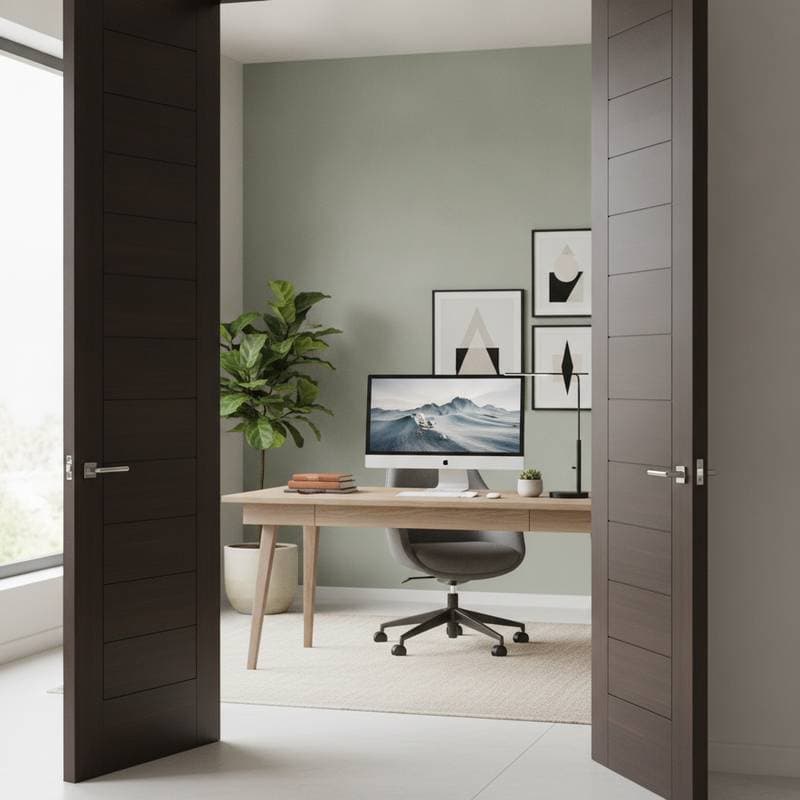
Options for pocket doors include various styles and materials, from solid wood to glass and composites. Configurations range from single panels to double doors for wider openings. Features like soft-close mechanisms and built-in locks enhance usability and security. Precise alignment of the frame, track, and cavity proves crucial for reliable performance, underscoring the importance of accurate installation.
Comparing Space Usage and Design Flexibility
Pocket doors outperform traditional hinged doors and barn doors in space efficiency. Hinged models require up to three feet of unobstructed area to open fully, which restricts furniture options and traffic flow. Barn doors, while floor-space friendly, consume wall surface that might otherwise support shelves, art, or cabinets.
By vanishing into the wall, pocket doors resolve these issues entirely. This advantage shines in cramped zones like bathrooms, utility spaces, or compact bedrooms, where floor space holds premium value. The outcome allows for unrestricted arrangements of furnishings, fixtures, and decorative elements, fostering a more fluid and expansive feel.
Material and Style Considerations
Material selection shapes a pocket door's aesthetics and functionality.
- Solid wood delivers lasting strength and timeless appeal, fitting well in rustic or organic schemes.
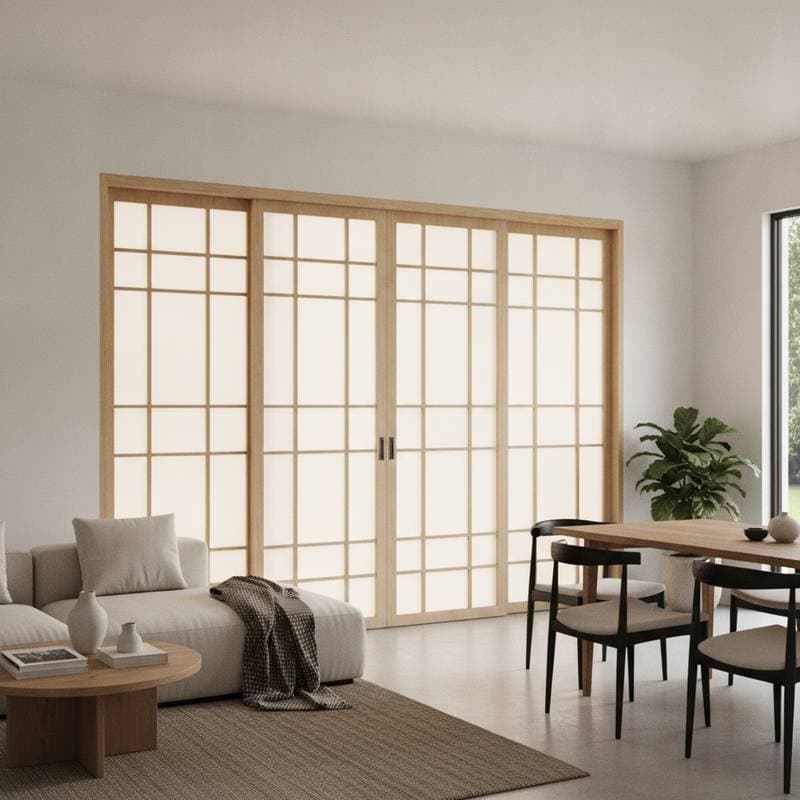
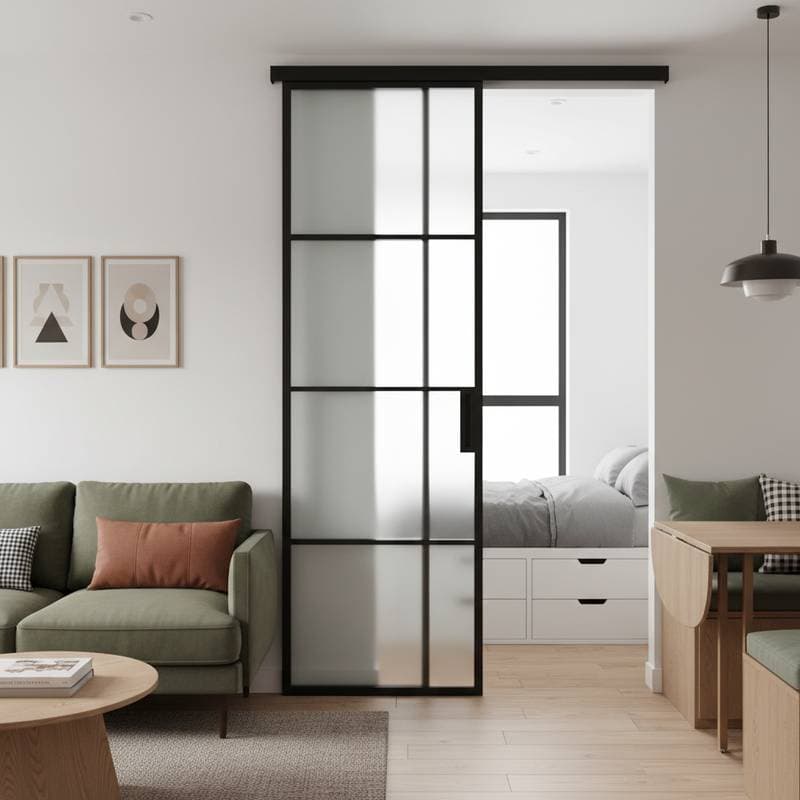
- Glass panels promote openness and illumination, perfect for partitioning without isolating spaces. Options like frosted or patterned surfaces balance privacy with light diffusion.
- Engineered wood or composites provide dimensional stability at a reduced price point, aligning with contemporary or sparse aesthetics.
Customization through stains, paints, and trim integrates doors seamlessly or highlights them as focal points. Opt for recessed or flush handles to avoid snags during operation.
Installation Process and Key Phases
Pocket door installation demands meticulous planning across structural and finishing stages.
- Planning and evaluation: Assess wall depth to verify compatibility with the cavity and track. Avoid walls with embedded utilities unless professionals reroute them.
- Preparation steps: Frame or modify the wall to fit the pocket kit, including track, divided studs, and fittings. Level everything meticulously to avert binding issues.
- Main implementation: Secure the panel to rollers and position it within the assembly. Reclose the wall with drywall, ensuring a seamless finish.
- Quality assurance: Test for fluid motion free of friction. Fine-tune track tension and limits for controlled, silent travel.
- Completion and follow-up: Add molding, hardware, and guides. Verify flush alignments and apply protective coatings.
Professionals typically yield superior outcomes, but skilled DIYers succeed by adhering to kit instructions.
Cost and Long-Term Value
Expenses for pocket door setups fluctuate based on material grade, hardware sophistication, and labor demands. Initial costs exceed those of basic doors, yet the spatial gains often offset this through enhanced usability. The added flexibility can elevate a property's marketability and resident satisfaction.
Routine upkeep remains straightforward. Clear tracks of dust periodically and lubricate rollers as needed. With sound installation, these doors endure decades, requiring only minor tweaks over time.
Performance and Durability
Frame and track quality dictate a pocket door's longevity. Steel tracks paired with ball-bearing rollers outperform basic plastic alternatives in smoothness and endurance. For humid areas like baths, select moisture-resistant components to guard against swelling or corrosion.
Wood surfaces need routine wiping and periodic resealing to retain vibrancy. Glass requires tempered edges to resist damage. Adequate room airflow preserves material integrity in moisture-prone locations.
Lifestyle Integration and Practical Benefits
Pocket doors adapt to dynamic routines in tiny homes. A single panel might isolate a rest zone from communal areas without fixed barriers. They preserve light distribution, vital in light-scarce interiors, and facilitate multi-purpose room transitions.
Choosing What Works Best
- Size and layout: Identify walls suitable for recessing.
- Material and finish: Coordinate with existing decor tones.
- Usage frequency: Select robust fittings for high-traffic spots.
- Privacy needs: Choose opaque or obscured options for seclusion.
- Lighting preferences: Incorporate translucent elements for brightness.
Ensuring Quality Results
Engage certified installers to sidestep pitfalls like jamming or structural flaws. Confirm wall integrity prior to commencing work. A expertly fitted pocket door elevates aesthetics, streamlines movement, and bolsters adaptable living in limited quarters.