Why Japandi Shoji Doors Outperform French Doors in 2026
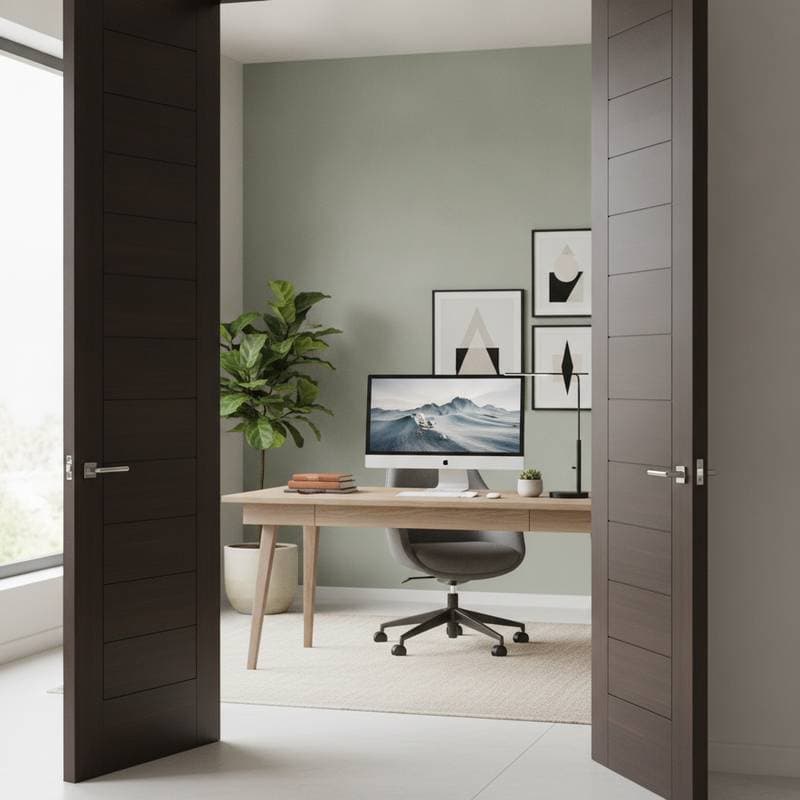
Homeowners increasingly prioritize functionality, simplicity, and natural elements in interior design. Japandi Shoji doors align seamlessly with this shift. They fuse Japanese minimalism and Scandinavian coziness to foster open, peaceful, and cohesive environments. Although French doors have traditionally delivered grace and illumination, Japandi Shoji doors emerge as a superior choice for adaptability and economy in contemporary residences.
Cost Comparison: Japandi Shoji Versus French Doors
Price ranks as the primary concern for most homeowners. Shoji-style doors prove more affordable for both installation and upkeep compared to conventional French doors. This disparity arises from differences in materials and workmanship.
| Door Type | Average Cost (Including Materials and Labor) | Key Features |
|---|---|---|
| Japandi Shoji | $500 to $1,200 per door | Lightweight sliding mechanism, natural wood frame, rice paper or acrylic panels |
| French Door | $1,000 to $3,500 per door | Heavy glass panels, hinged swing, demands extensive framing and clearance |
A contractor at a California interior design firm explains that Shoji doors lower material and installation expenses through lightweight frames and straightforward track systems. French doors frequently necessitate structural modifications and pricier hardware.
Space Efficiency and Layout Adaptability
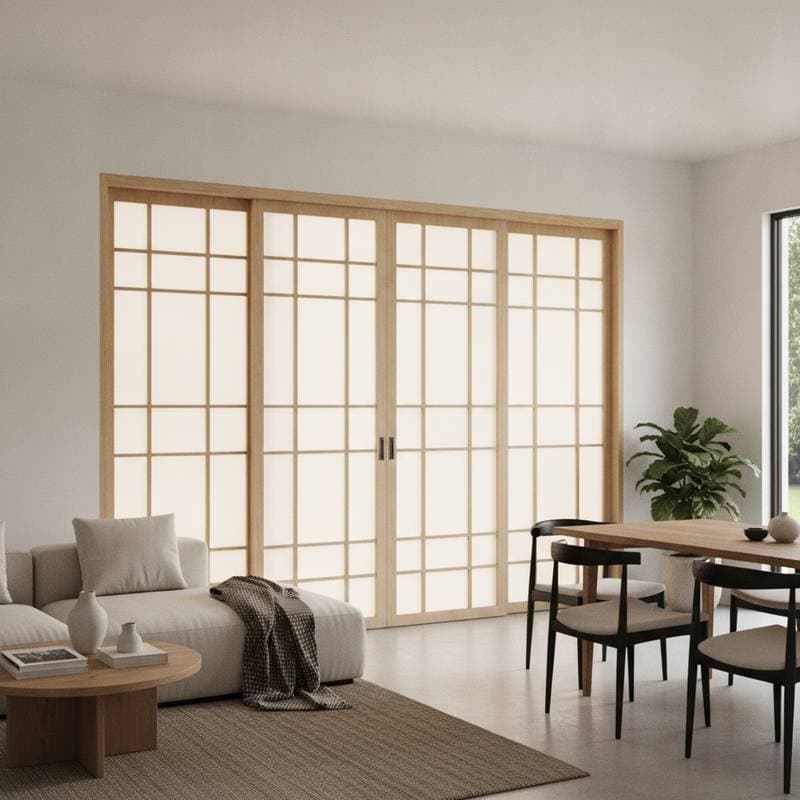
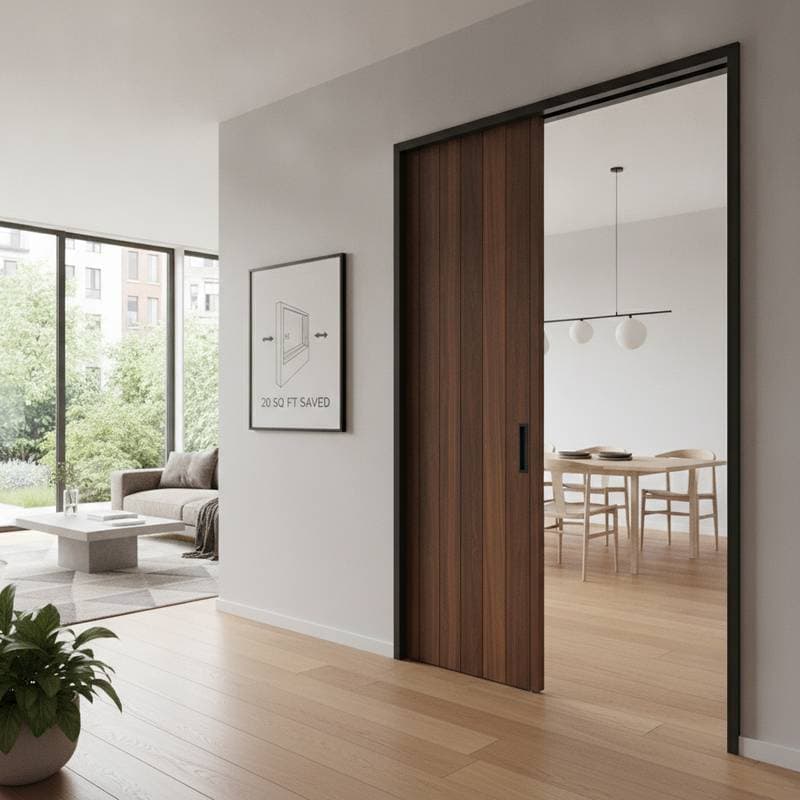
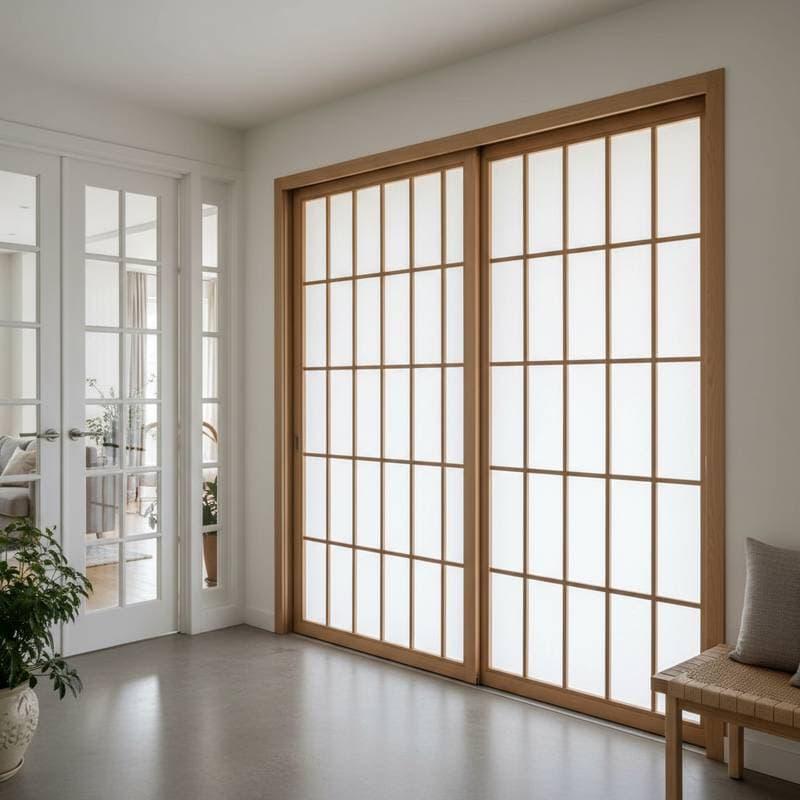
Shoji doors glide along tracks instead of swinging outward, preserving essential floor area. This feature suits compact rooms, apartments, and fluid open-plan configurations. Japanese-inspired sliding panels divide areas while permitting light and air to pass freely. French doors require ample swing space, which restricts furniture arrangements.
For those optimizing limited square footage, this distinction proves significant. Shoji doors function as room partitions, wardrobe screens, or even light modulators. Their adaptable structure integrates into both sleek modern settings and classic schemes.
Aesthetic Appeal and Light Management
Shoji doors produce a gentle, diffused glow that elevates a room's ambiance. Translucent panels strike a balance between seclusion and luminosity, imparting a refined quality that appears innate and current. French doors yield sharp views and intense light yet can introduce excessive glare or warmth, particularly in bright regions.
Interior designer Lena Hartman observes that Japandi Shoji doors generate a tranquil light dispersion that feels inherent and restorative. They temper illumination rather than obstruct it, preserving optical equilibrium. This quality shines in pared-down or nature-inspired designs emphasizing organic hues and surfaces.
Material Durability and Upkeep
French doors generally incorporate glass and robust hardwoods, rendering them prone to breakage and demanding care. Hinges and seals may wear over time, while glass requires periodic resealing or substitution. Shoji doors employ lighter woods such as cedar or maple paired with interchangeable paper or acrylic elements.
| Material | Durability Rating | Maintenance Level | Typical Lifespan |
|---|---|---|---|
| Solid Wood and Glass (French Door) | High, yet vulnerable to cracks or distortion | Moderate to High | 10 to 20 years |
| Wood and Acrylic or Washi (Shoji Door) | Moderate, with simple fixes | Low | 15 to 25 years |
Panel replacement in Shoji doors costs little and requires no expert equipment. This approach supports longevity and accommodates evolving decor needs. Although French doors endure well, repairs for shattered glass or faulty components often exceed several hundred dollars.
Energy Performance and Climate Suitability
The layered construction of Shoji doors offers reasonable insulation. Though they fall short of the heat retention in sealed glass units, they manage light and ventilation effectively. In moderate or seasonal climates, this equilibrium sustains comfort with minimal dependence on climate control.
French doors achieve stronger insulation via double glazing, but efficiency wanes without meticulous sealing. Drafts emerge from gaps or shifts over years. Shoji doors sidestep such problems through stable track installations that resist thermal expansion.
Style Versatility and Contemporary Relevance
Japandi aesthetics unite Japanese poise with Scandinavian utility. This yields a door variant that harmonizes with settings from woodland retreats to city dwellings. Shoji doors in subdued shades, lattice woodwork, or spare frames adjust to diverse stylistic contexts.
French doors often summon heritage or pastoral vibes. They thrive in period or rural houses but may clash in forward-thinking environments. Shoji doors align with rising preferences for eco-materials and streamlined lifestyles.
Installation and Personalization Possibilities
Shoji door setup proceeds swiftly and with minimal disruption. Experts frequently adapt them to current apertures sans major alterations. French doors might demand wall reinforcements or fresh sills, inflating labor fees by hundreds.
Personalization further elevates Shoji doors. Options span panel types from classic rice paper to durable acrylic or etched glass. Frames accept stains, paints, or raw finishes to blend with adjacent elements.
Extending the Life of Your Shoji Doors
To preserve Shoji doors, inspect tracks quarterly for debris and lubricate with silicone spray. Gently dust panels with a soft cloth and replace any torn washi paper annually. Avoid direct sunlight on acrylic inserts to prevent yellowing; store spares for quick swaps.
Choosing Shoji Doors for Your Living Space
Evaluate your room's dimensions, light needs, and style goals when selecting Shoji doors. Consult a local installer to assess track compatibility and material options. This investment yields enduring serenity, savings, and flexibility tailored to your home's rhythm.