The $8K Zellige Tile Trend Transforming Entryways
Handcrafted Moroccan Zellige tiles emerge as a premier choice for sophisticated entryways. The irregular surfaces, luminous glazes, and artisanal textures produce a depth that machine-made alternatives cannot achieve. This aesthetic merges ancient origins with contemporary refinement, where rustic imperfections meet precise execution. Designers employ Zellige to convert entryways into artistic thresholds that establish the home's overall ambiance.
The appeal of this trend stems from Zellige's ability to reflect light in dynamic ways, shifting appearances across the day. Typically measuring four inches square, the small tiles form a mosaic that conveys vitality. Installations on floors, walls, or stair risers yield tactile, inviting, and distinctly individual results.
Three Approaches to Achieve This Aesthetic
Budget Approach ($2,000 - $4,000)
- Material Options: Select ceramic tiles that replicate Zellige's hand-glazed finish. Various producers offer tiles with irregular edges and gentle color shifts to simulate authentic handmade quality.
- Expense-Reduction Methods: Restrict tile usage to one prominent zone. Apply Zellige-inspired tiles solely around the door frame, within a compact entry alcove, or as a wainscoting edge. Complement with painted drywall or economical beadboard to provide visual balance.
- Strategic Investments: Allocate funds toward premium grout that aligns with the tile's hues. Uniform grout lines deliver a refined appearance that enhances modest materials.
Mid-Range Approach ($4,000 - $8,000)
- Hybrid Material Strategies: Incorporate genuine Zellige tiles on vertical elements alongside resilient porcelain for floors. Such pairings provide the artisanal visual without the complete expense or maintenance demands of an entirely Zellige setup.
- Essential Performance Enhancements: Apply a superior sealer designed for glazed clay to guard against moisture in entry areas. Opt for a permeable formula that preserves the inherent luster without forming a visible layer.
- Key Design Additions: Select solid wood doors finished in warm stains or subtle paints that harmonize with the tile colors. Incorporate matte brass or patinated iron hardware to introduce depth and unity.
Premium Approach ($8,000 - $15,000)
- Elite Material Selections: Source authentic Moroccan Zellige from skilled artisans. Each tile undergoes hand-cutting and kiln-firing, resulting in subtly uneven edges that capture light elegantly. Extend usage to floors, lower walls, and ceiling soffits for comprehensive immersion.
- Advanced Design Features: Arrange custom configurations, including checkerboard or angled patterns, to highlight the handmade essence. Position a bespoke Zellige mosaic medallion on the entry floor to establish an immediate focal point.
- Enduring Value Factors: Genuine Zellige develops a patina with age, enhancing character and worth. When integrated with solid oak doors and premium bronze hardware, the entryway evolves into a lasting architectural highlight that boosts property value.
Guide to Materials and Finishes
- Windows: Install slender frames in black or bronze to offset the tile's glossy surface. Aged brass or matte black hardware aligns with Zellige's variable light play. For added privacy, incorporate frosted or reeded glass panels that soften light transmission while upholding the crafted aesthetic.
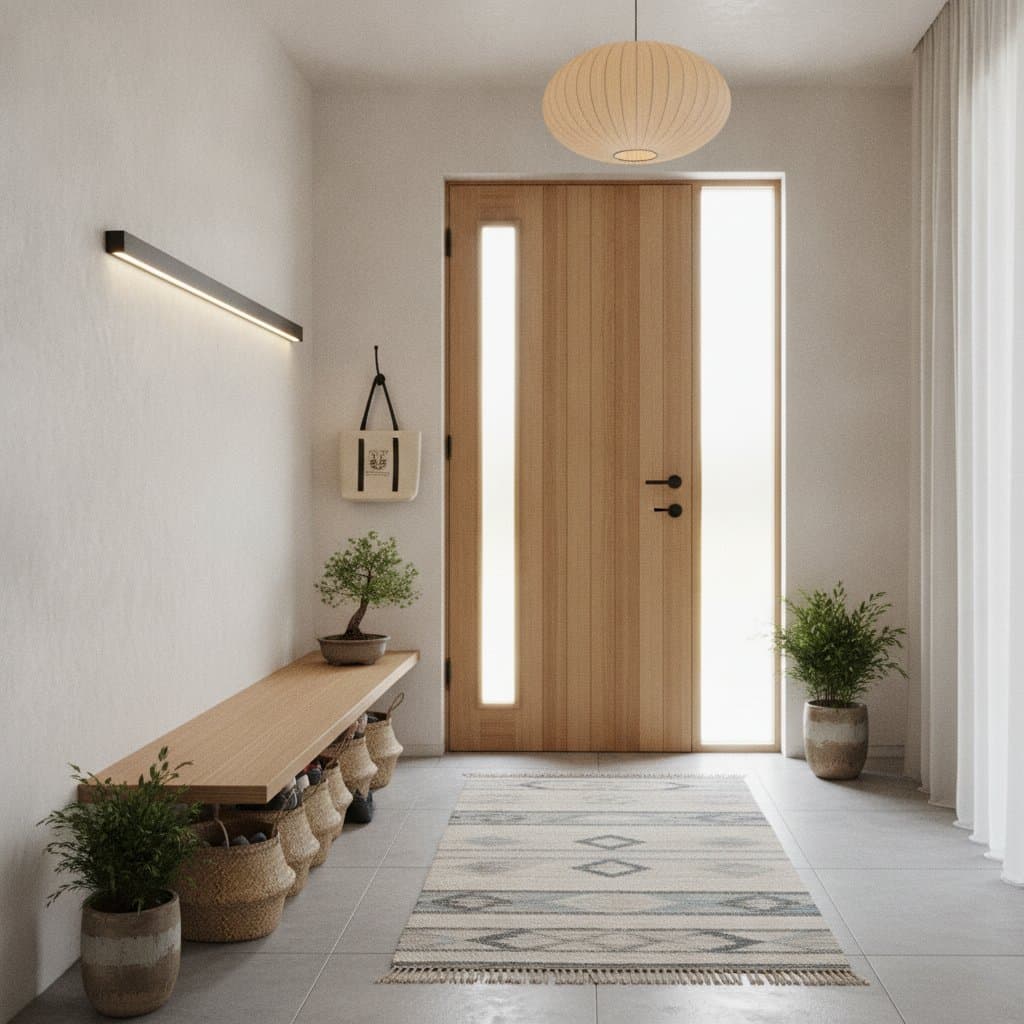
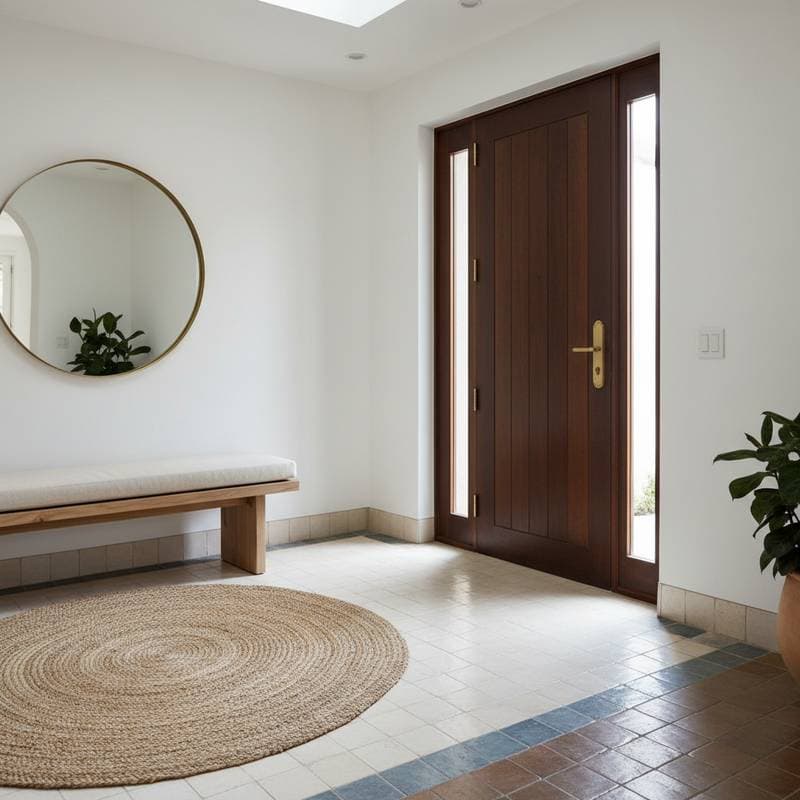
- Doors: Pair solid wood doors in walnut, white oak, or soft clay-painted finishes with Zellige. Lighter options include whitewashed surfaces or faint limewash effects. Glass panels with grille framing can mirror the tile's geometric patterns.
- Siding: Maintain a matte, understated siding profile. Opt for smooth fiber cement or lime-plaster stucco in off-white, taupe, or sandy beige to counterbalance the tile's gleam. Steer clear of textured surfaces that might overshadow the tiles.
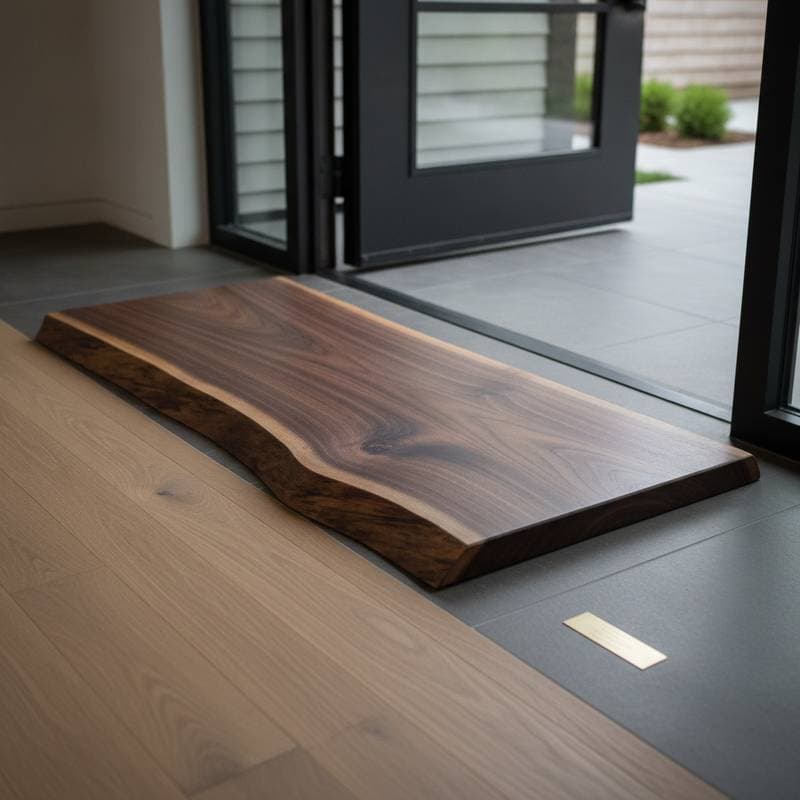
- Trim and Accents: Employ straightforward wood trim painted in matching tones. A slim brass threshold or dark metal kick plate provides elegance and safeguards against wear in busy zones.
Practical Maintenance Considerations
Authentic Zellige tiles possess porosity from their manual creation process. Seal them prior to and following installation, with reapplication every few years in high-traffic spots. Employ mild cleaning methods and avoid acidic substances that may diminish the glaze. Individuals seeking reduced upkeep will find porcelain replicas deliver comparable visuals with less effort.
Grout selection influences longevity. Light grout accentuates tile diversity, whereas darker varieties conceal grime yet may lessen the sparkle. Given the foot traffic in entryways, prioritize non-slip surfaces or incorporate small rugs for protection.
Common Pitfalls to Avoid
- Excessive Gloss Application: Enveloping all surfaces in shiny Zellige risks overwhelming compact areas. Counter reflective tiles with matte walls or wood elements.
- Neglecting Sealing Protocols: Omitting sealer invites moisture damage and glaze deterioration. Test sealers on a minor section first to confirm they amplify rather than mute the finish.
- Incompatible Color Combinations: Blending numerous tile tones creates disorder. Adhere to a single primary color with minor variations. Reserve accent shades for edges or minor features.
Coordinating Colors and Styles
Zellige entryways flourish through warm tones and light dynamics. Consider these unified schemes:
- Clay and Cream: Employ soft white walls, terracotta tiles, and natural wood doors.
- Ink and Sand: Feature deep navy tiles, light beige siding, and matte black accents.
- Olive and Linen: Use muted green tiles with creamy stucco and brass fixtures.
- Charcoal and Bone: Combine pale gray tiles, charcoal-painted doors, and silver hardware.
- Coral and Driftwood: Integrate blush Zellige, weathered oak doors, and off-white trim.
These combinations link heritage techniques with modern simplicity, yielding entryways that appear thoughtfully assembled.
Photography Checklist for Planning
Document the area before material acquisition to inform choices. Record these aspects:
- Current exterior images from diverse perspectives, encompassing broad facade views and detailed shots of door and window details.
- Architectural characteristics and present elements like roof structures, porch supports, and light installations.
- Local surroundings and association guidelines that could restrict colors or materials.
- Environmental factors and area-specific needs for enduring humidity, cold, or sunlight.
- Financial limits and focus zones where texture or color yields maximum effect.
Leverage these images in tile selection to verify hue compatibility with adjacent features. Examine samples outside in daylight to detect subtle undertones absent in artificial lighting.
Integrating Elements for Lasting Impact
The Zellige tile movement embodies a resurgence of skilled workmanship and unique expression. Its inherent variations convey humanity and vitality, elements often absent in standardized production. Through careful selection of windows, doors, and siding, individuals craft entryways that harmonize aesthetics, resilience, and character.
Success lies in measured application and subtlety. A lone shimmering tile wall adjacent to a sturdy wood door generates equivalent impact to an extensive tiled enclosure. As design preferences shift, Zellige endures due to its embrace of flaws and genuineness, fostering entryways that invite, anchor, and distinguish themselves uniquely.