Bacteria-Resistant Door Hardware: The New Foundation of Health-Conscious Design
Clean design now extends beyond visual appeal. Homeowners and designers examine the unseen elements that affect daily well-being. Surfaces once selected for appearance alone must now support healthier living. Bacteria-resistant door hardware meets this expectation by combining sleek form, tactile quality, and built-in protection.
Why It Works
Handles, knobs, and latches receive frequent contact and therefore collect microbes readily. Antimicrobial technology embedded in the finish limits microbial growth on contact surfaces. This property keeps hardware cleaner between scheduled cleanings. Households that prioritize wellness, child safety, and reduced upkeep gain both practical function and added reassurance.
Three Budget-Based Approaches
Save Approach ($150 - $500)
- Select stainless steel or brushed nickel pieces that carry basic antimicrobial coatings.
- Replace hardware only on high-use doors such as kitchen entries, bathrooms, and the main entrance.
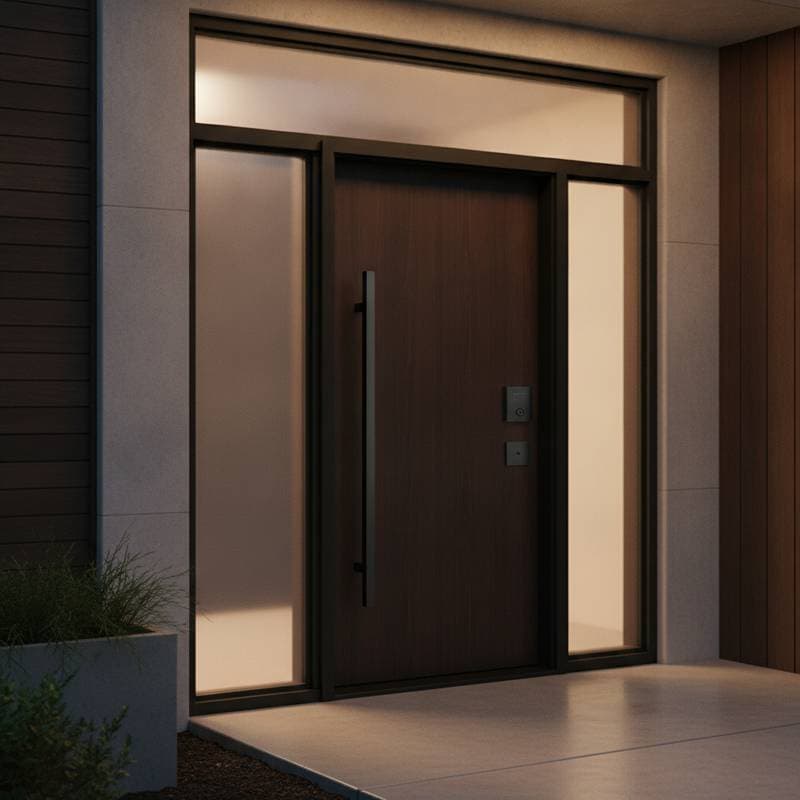
- Allocate extra funds to a distinctive front-door handle to improve curb appeal without full replacement.
Mid-Range Approach ($500 - $1,500)
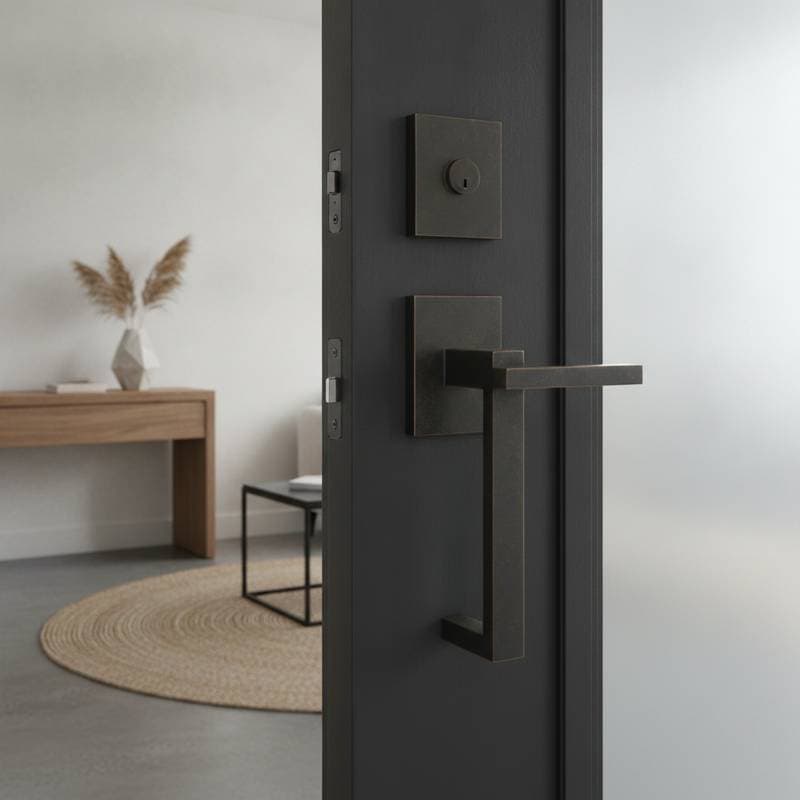
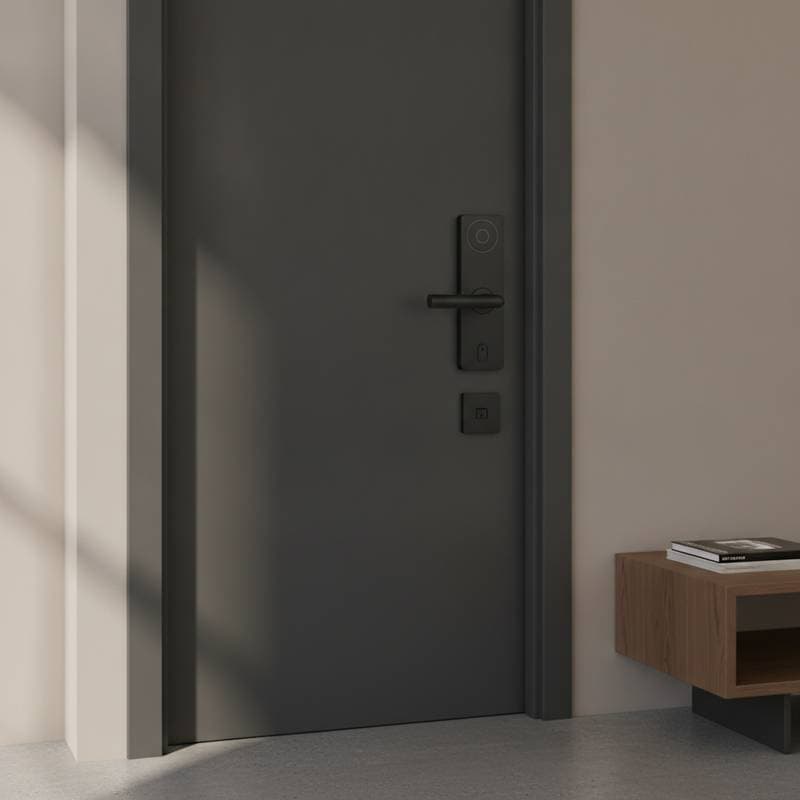
- Install coordinated antimicrobial levers, knobs, and hinges in satin brass or matte black.
- Add fingerprint-resistant coatings to simplify routine care.
- Incorporate touchless latch options on interior doors for improved hygiene and ease of use.
Invest Approach ($1,500 - $3,000)
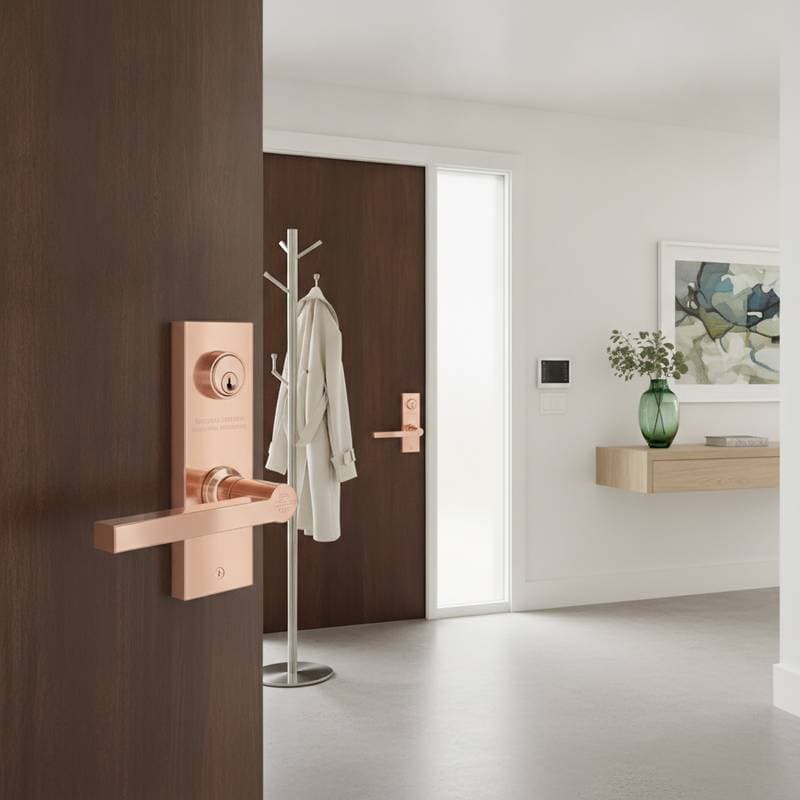
- Specify solid bronze or copper alloy hardware that possesses natural antimicrobial characteristics.
- Match hinges, strike plates, and locks to maintain design continuity.
- Request custom finishes or mixed-metal combinations for an architectural statement.
- Integrate smart systems that include antimicrobial coatings and digital access controls.
Material and Finish Guide
- Windows: Choose anodized aluminum or powder-coated steel frames with embedded antimicrobial protection. Pair these frames with matching hardware tones. Matte black and soft brushed brass continue to suit minimalist schemes.
- Doors: Combine solid wood doors with copper or stainless accents. Add frosted glass inserts framed in coated metal to introduce light while protecting contact points. Favor lever handles over knobs for simpler cleaning and better accessibility.
- Siding: Although siding rarely requires antimicrobial treatment, coordinating metal finishes around openings strengthens overall cohesion. Light neutral tones such as warm gray or sand beige emphasize hardware details.
- Trim and Accents: Align trim color with chosen hardware. White trim complements satin chrome, while darker trim supports bronze or black finishes. Include kick plates and house numbers in matching metals for visual unity.
Maintenance Reality Check
Antimicrobial finishes slow bacterial growth yet still require regular attention. Wipe surfaces with mild soap and water to preserve both appearance and performance. Avoid abrasive cleaners that can damage protective layers. Copper and bronze develop a natural patina that can enhance antimicrobial action while adding depth. Stainless steel benefits from occasional polishing to reduce visible fingerprints. Brushed textures conceal smudges and wear for homeowners who prefer lower upkeep.
Common Planning Errors
- Mixing too many metal tones disrupts visual continuity. Restrict selections to two complementary finishes.
- Failing to consider existing door and window styles can produce clashes between modern levers and traditional panels.
- Overlooking regional climate leads to premature tarnish in coastal or humid areas. Corrosion-resistant metals perform better under these conditions.
- Neglecting routine cleaning reduces long-term effectiveness even on protected surfaces.
Color and Style Coordination
A health-focused approach need not appear sterile. Thoughtful color choices keep rooms welcoming while reinforcing cleanliness.
Recommended Palette:
- Matte Black creates strong contrast on light walls.
- Satin Nickel supplies a soft contemporary tone that works with most wood finishes.
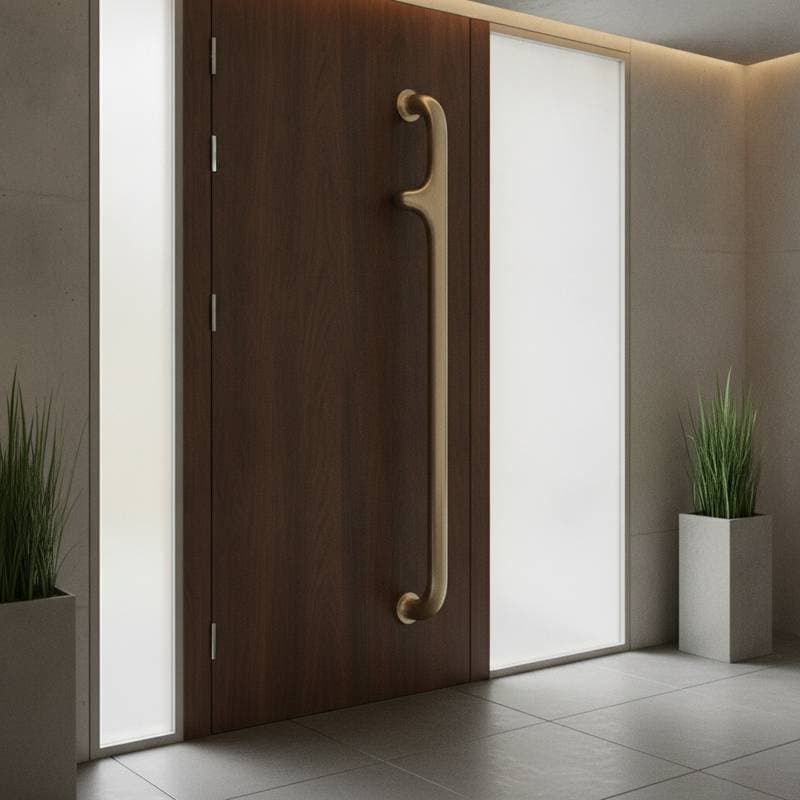
- Brushed Brass introduces warmth without high shine.
- Antique Bronze pairs naturally with brick or stone.
- Soft White brightens trim and frames around metal accents.
Strategic contrast draws attention to clean lines. A black handle on a light door accentuates modern profiles, while brass on walnut adds depth. Monochrome pairings with neutral siding produce a seamless minimalist effect.
Documentation Before Purchase
Photograph existing conditions from multiple angles before final selections. Record architectural style, neighborhood guidelines, and climate factors. Define budget limits and identify the doors and windows that receive the most contact. These records support consistent decisions and prevent mismatched installations.
Selecting Hardware for Long-Term Wellness
Daily touchpoints now form part of a complete wellness plan. Bacteria-resistant hardware merges refined appearance with measurable protection. Options range from straightforward stainless selections to handcrafted copper details. Each choice contributes to an environment that remains both attractive and functional under everyday use.