Why Bronze Door Hardware is Replacing Brass in 2026
Home design trends shift as materials evolve and homeowners seek finishes that combine beauty with practicality. Door hardware influences both the aesthetic and functionality of an interior. Bronze hardware has gained preference over traditional brass because it reflects changes in material performance, maintenance expectations, and design preferences.
Understanding the Appeal of Bronze Finishes
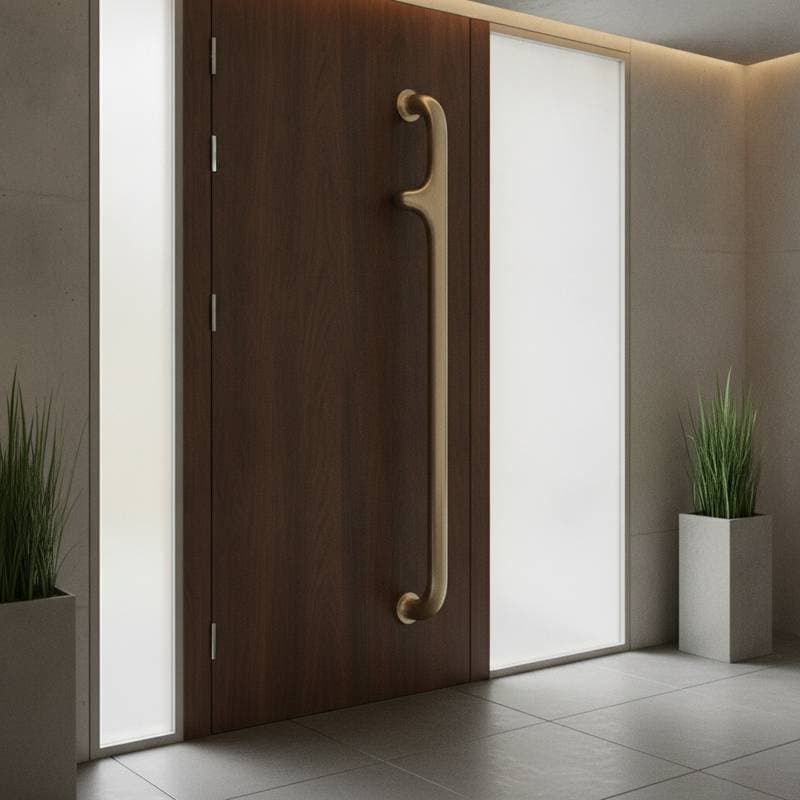
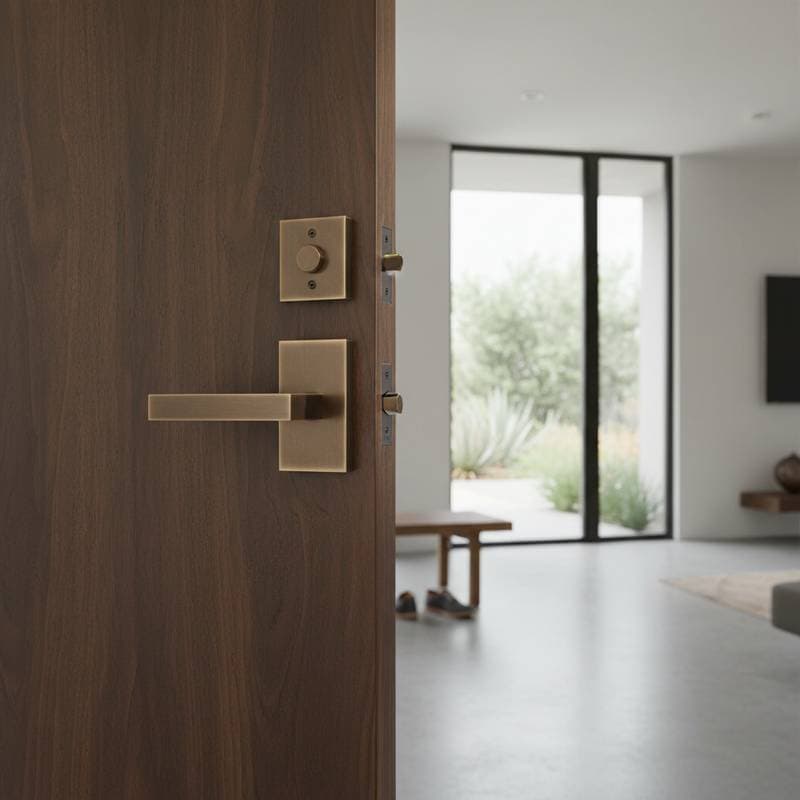
Bronze offers a rich, warm tone that complements a wide range of interior wood doors. The surface varies from deep brown to muted gold depending on the finish and level of patina. Unlike polished brass, bronze develops subtle variations over time that create a lived-in character.
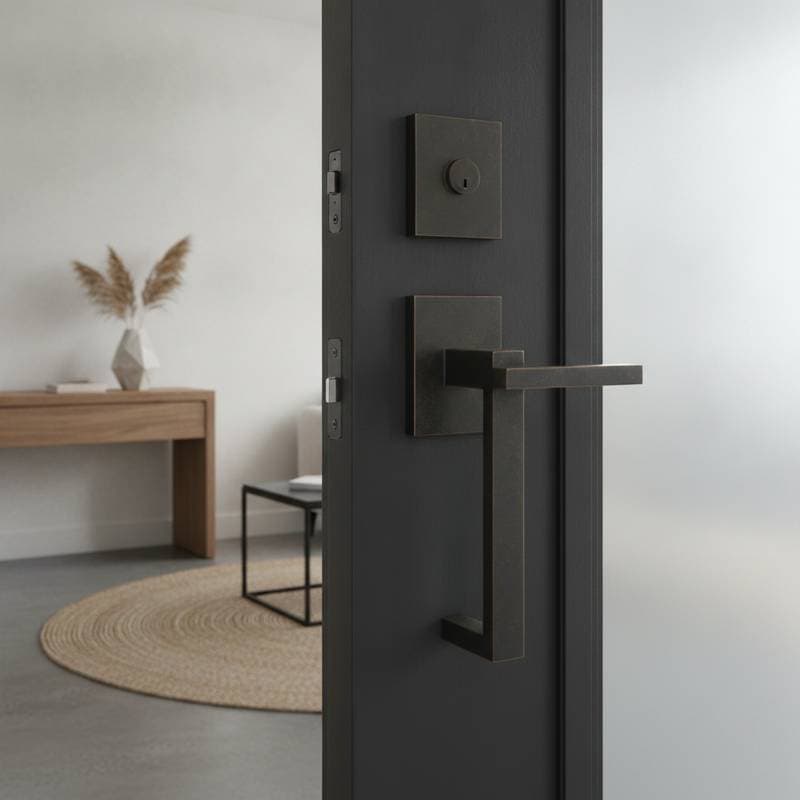
Bronze is an alloy of copper and tin that provides strength and corrosion resistance for both interior and exterior use. Modern bronze door hardware includes protective coatings that preserve tone while allowing gentle patina to emerge. The result is a refined finish durable enough for daily life.
Comparing Bronze and Brass Hardware
Brass requires consistent maintenance to retain its bright appearance and can tarnish over time. Bronze embraces natural aging so minor wear enhances its beauty instead of detracting from it.
| Material | Appearance | Maintenance | Durability | Best Fit |
|---|---|---|---|---|
| Brass | Bright gold tone | Frequent polishing needed | Moderate resistance to wear | Traditional or formal interiors |
| Bronze | Deep brown or muted gold tone | Low maintenance, natural patina | High resistance to wear and corrosion | Transitional, rustic, or modern interiors |
Bronze provides a flexible backdrop for evolving design preferences. Its understated elegance matches minimalist environments and spaces that celebrate traditional craftsmanship.
Lifecycle and Maintenance Considerations
Homeowners value finishes that reduce upkeep without compromising style. Bronze hardware maintains an attractive surface with minimal care. Most bronze finishes require only gentle cleaning with mild soap and water.
Brass often demands more attention than busy households can provide. Bronze offers a pragmatic alternative that remains visually balanced as years pass. This quality aligns with the shift toward materials that support effortless living.
Design Compatibility and Style Integration
Bronze hardware works across door styles and interior themes. Its color harmonizes with light and dark wood tones including oak, walnut, and cherry. The subtle gleam pairs well with iron or matte black accents common in lighting and furniture.
In modern spaces bronze introduces warmth that softens clean lines. In vintage homes it reinforces authenticity through its handcrafted appearance. Designers appreciate that bronze adapts without overpowering other features.
What to Expect During Selection and Installation
Choosing bronze door hardware begins with understanding finish variations such as oil-rubbed, antique, and satin bronze. Evaluate samples under different lighting conditions because color can shift. Match hardware finishes across handles, hinges, and locks for a cohesive result.
Installation follows the same process as other metal hardware. Proper alignment and secure fastening ensure smooth operation. Most existing door preps remain compatible when upgrading from brass.
Long-term Value and Sustainability
Bronze hardware resists corrosion and handles frequent use without wearing thin. It rarely needs refinishing so replacement cycles extend longer and reduce waste. This durability provides both environmental and financial benefits.
Choosing What Works Best
Evaluate lifestyle, design preferences, and maintenance expectations when deciding between bronze and brass. Those who value a consistent shine may prefer brass. Those drawn to warmth, texture, and ease of care will find bronze more compatible with daily routines.
Bronze door hardware balances beauty with practicality. It adapts to changing styles, requires little maintenance, and contributes to a cohesive atmosphere.