- Reviewed overall structure for logical progression from concepts to actions
- Condensed sections to maintain core details under
- Replaced generic phrasing with specific, actionable recommendations
- Enforced consistent paragraph length and smooth sentence connections
- Applied strict rules on punctuation, no contractions, and markdown formatting
Shoji-Style Sliding Doors: The Must-Have Design Statement for Every Modern Home
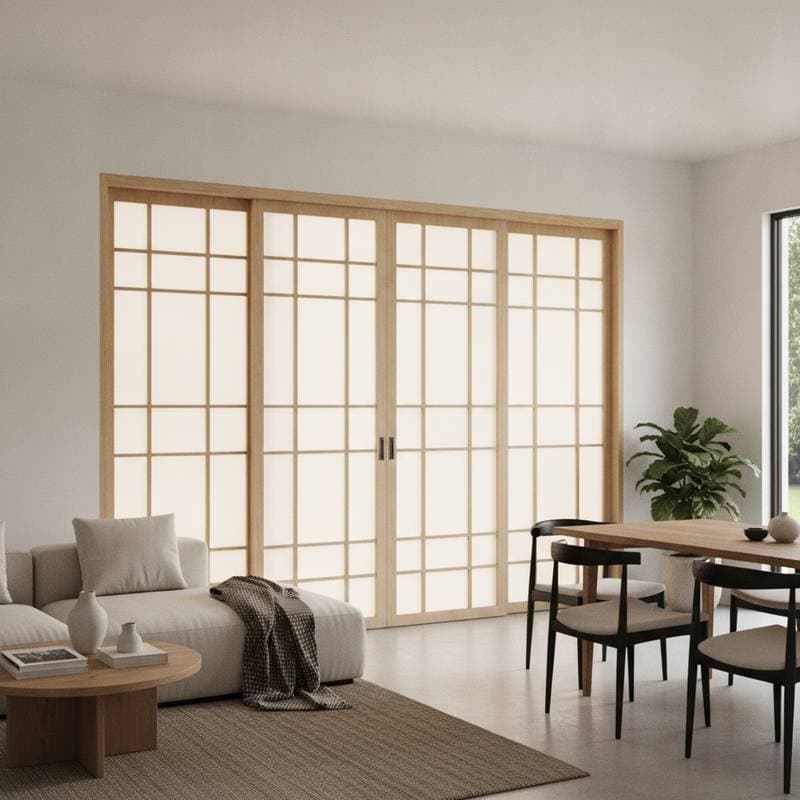
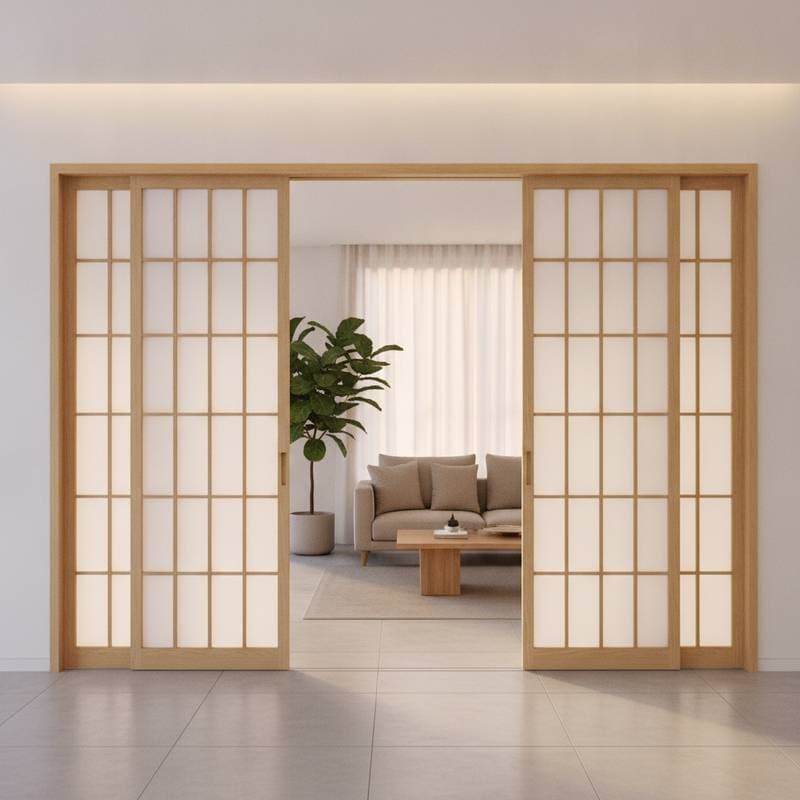
Shoji-style sliding doors bring quiet sophistication to contemporary interiors. Their translucent panels allow light to filter gently through rooms and create a sense of calm. These doors originated in traditional Japanese architecture yet now suit modern spaces that value minimalism and function. They balance privacy with openness and serve as a graceful option compared with solid walls.
This approach fits many design styles, from minimalist lofts to natural wood cottages. Homeowners value the fluid movement these doors provide between rooms. Current trends favor clean lines, natural materials, and adaptable spaces, which positions Shoji-style doors as a strong choice.
Three Ways to Get This Look
Save Approach ($600 to $1,200)
- Select ready-made sliding door kits that include faux rice paper or acrylic inserts.
- Choose lightweight pine or poplar frames finished in matte white or soft beige.
- Use surface-mounted sliding hardware to reduce installation costs.
- Invest in quality rollers for reliable movement over time.
Mid-Range Approach ($1,300 to $2,800)
- Combine real wood frames with fiberglass or laminated paper panels.
- Apply natural stains such as honey oak or light walnut.
- Add brushed nickel or black steel hardware for contrast.
- Include soft-close mechanisms to support quiet operation.
Invest Approach ($3,000 to $6,000)
- Order custom doors in solid maple, alder, or cherry with authentic washi paper.
- Install recessed tracks that integrate into the ceiling structure.
- Add built-in lighting behind panels for ambient effects.
- Specify hand-crafted joinery and matching trim for lasting impact.
Material and Finish Guide
Windows
Pair Shoji-style doors with windows in natural or painted wood frames. Black or bronze frames create contrast in modern rooms. Frosted glass can echo the diffused light of Shoji panels. Hardware in matte black or brushed brass works with both minimalist and warm interiors.
Doors
Shoji doors function as room dividers, closet doors, or movable partitions. Pine and fir cost less yet dent more easily. Maple and oak provide strength and a refined surface. Washi paper offers authentic texture but needs protection from punctures. Acrylic or laminated glass alternatives deliver durability with comparable light quality.
Select stains that match flooring and trim. Light or neutral finishes maintain versatility. Black-stained frames with white panels produce strong contrast in contemporary settings.
Siding
Vertical wood plank siding, fiber cement panels, or smooth stucco finishes reflect the linear patterns of Shoji designs. Light, warm colors such as pale taupe or driftwood gray support a calm atmosphere.
Trim and Accents
Keep trim simple with squared or slightly rounded profiles. Wood slat walls or ceiling panels can reference Shoji geometry. Minimal metal pulls or recessed handles preserve understated style.
Maintenance Reality Check
Real washi paper panels suit low-traffic areas and may yellow gradually. Acrylic and fabric-laminated panels require only gentle cleaning. Wood frames need regular dusting and occasional furniture oil. Control humidity to prevent expansion that affects sliding. Composite frames with faux-wood finishes resist warping and moisture for lower upkeep.
Avoid These Mistakes
- Oversized grid patterns or uneven frame thickness disrupt visual balance.
- Low-quality rollers or misaligned tracks lead to sticking and noise.
- Fragile paper panels fail quickly near kitchens or hallways.
- Mismatched finishes between doors, trim, and flooring create tension.
- Harsh overhead lights reduce the gentle diffusion these doors provide.
Color and Style Coordination
Palette 1: Natural Minimalist
- Frame: Natural oak
- Panels: Warm white acrylic
- Walls: Clay beige
- Accents: Brushed nickel hardware
Palette 2: Modern Contrast
- Frame: Charcoal black
- Panels: Translucent white laminate
- Walls: Pale gray
- Accents: Matte brass handles
Palette 3: Warm Tranquility
- Frame: Honey maple
- Panels: Cream-tinted washi substitute
- Walls: Soft almond
- Accents: Bronze hardware
Planning Photography Checklist
Document the space before selecting materials. Capture wide room views, close-ups of trim and flooring, and angled shots that show light direction throughout the day. Record ceiling heights, architectural style, and any visible beams. Note HOA rules and climate factors such as humidity or sunlight exposure. Set a clear budget and list priority areas.
Regional and Climate Considerations
Hot Climates: Use UV-resistant acrylic panels and lighter woods such as pine. Seal frames to limit cracking.
Cold Climates: Choose thicker frames and insulated panels. Add thermal curtains when energy efficiency matters.
Coastal Areas: Specify stainless steel or powder-coated aluminum tracks. Apply moisture-resistant finishes to wood.
Humid Regions: Select laminated or composite materials. Raise tracks slightly above floor level.
Making It Personal
Shoji-style doors adapt to personal taste while keeping simplicity intact. Proportion, texture, and light remain central. A minimalist apartment may suit black frames with crisp grids, while a natural retreat benefits from soft oak tones. These doors define zones in open plans and pair well with linen drapery or woven rugs. Focus on quality hardware and material choices for decades of performance. A single well-placed door or a full installation delivers calm and connection through elegant function.