Terrazzo Door Hardware: The Design Accent Defining Modern Luxury
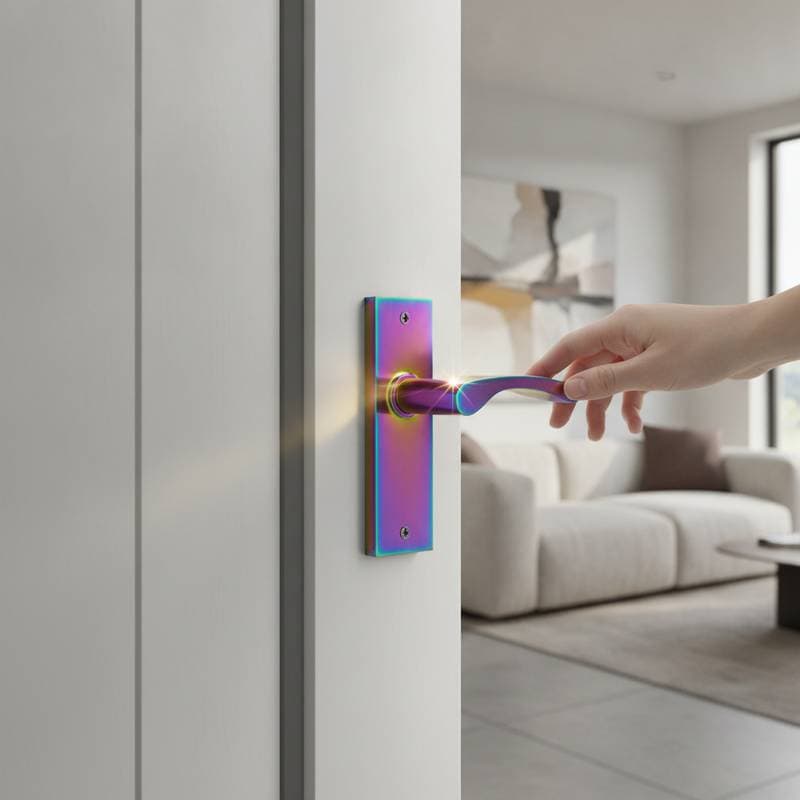
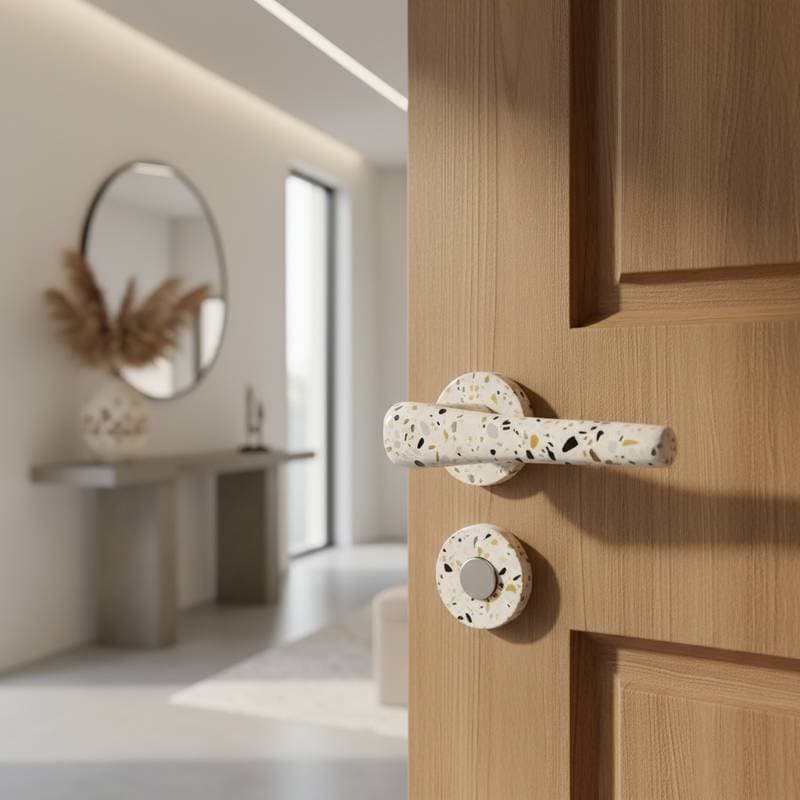
Designers are turning their attention to terrazzo door hardware as the next statement detail for refined interiors. Once reserved for floors and countertops, terrazzo has evolved into a luxurious, tactile surface. It brings color, depth, and craftsmanship into smaller architectural elements.
By blending natural stone fragments with resin or cement, terrazzo offers a mosaic effect that feels artistic yet contemporary. When applied to door handles and knobs, it delivers a perfect balance of elegance and individuality.
Three Ways to Get This Look
Save Approach ($80 - $200 per set)
- Choose terrazzo-inspired resin handles that mimic the look of real stone.
- Opt for neutral bases like white or pale gray with subtle chips of marble or quartz to keep the finish versatile.
- Spend more on high-quality hardware mechanisms to ensure smooth performance and longevity while saving on the decorative surface.
Mid-Range Approach ($200 - $450 per set)
- Select composite terrazzo handles with genuine stone chips suspended in resin for a more authentic look and weight.
- Combine terrazzo handles with matte black or brushed nickel backplates for a contrasting modern effect.
- Invest in matching hinges or door levers to create a cohesive set that feels custom without a premium price tag.
Invest Approach ($450 - $800 per set)
- Commission artisan terrazzo handles made with marble, quartzite, or recycled glass fragments.
- Pair with solid brass or bronze hardware finished in satin or aged tones for timeless appeal.
- Consider bespoke coloring to coordinate with flooring, countertops, or wall finishes, ensuring your hardware feels integrated with the overall design vision.
Material and Finish Guide
- Handles and Knobs: Look for terrazzo with a balanced mix of stone sizes and colors. Polished surfaces deliver a glossy modern finish, while honed textures provide a soft matte feel.
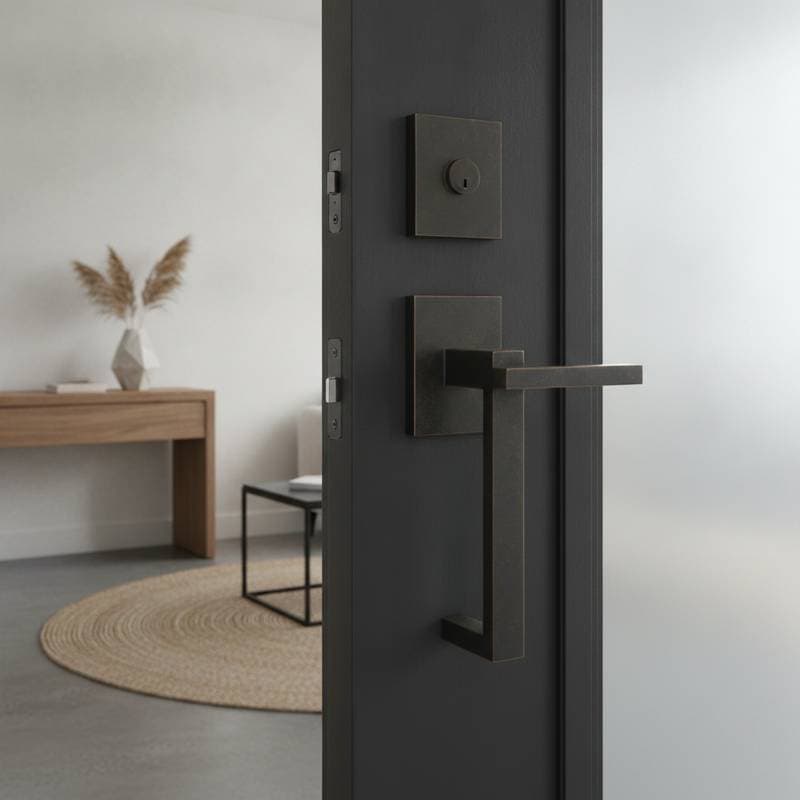
- Hardware Metals: Brass, blackened steel, and brushed nickel all complement terrazzo speckled surface. Choose metals that echo nearby fixtures for visual continuity.
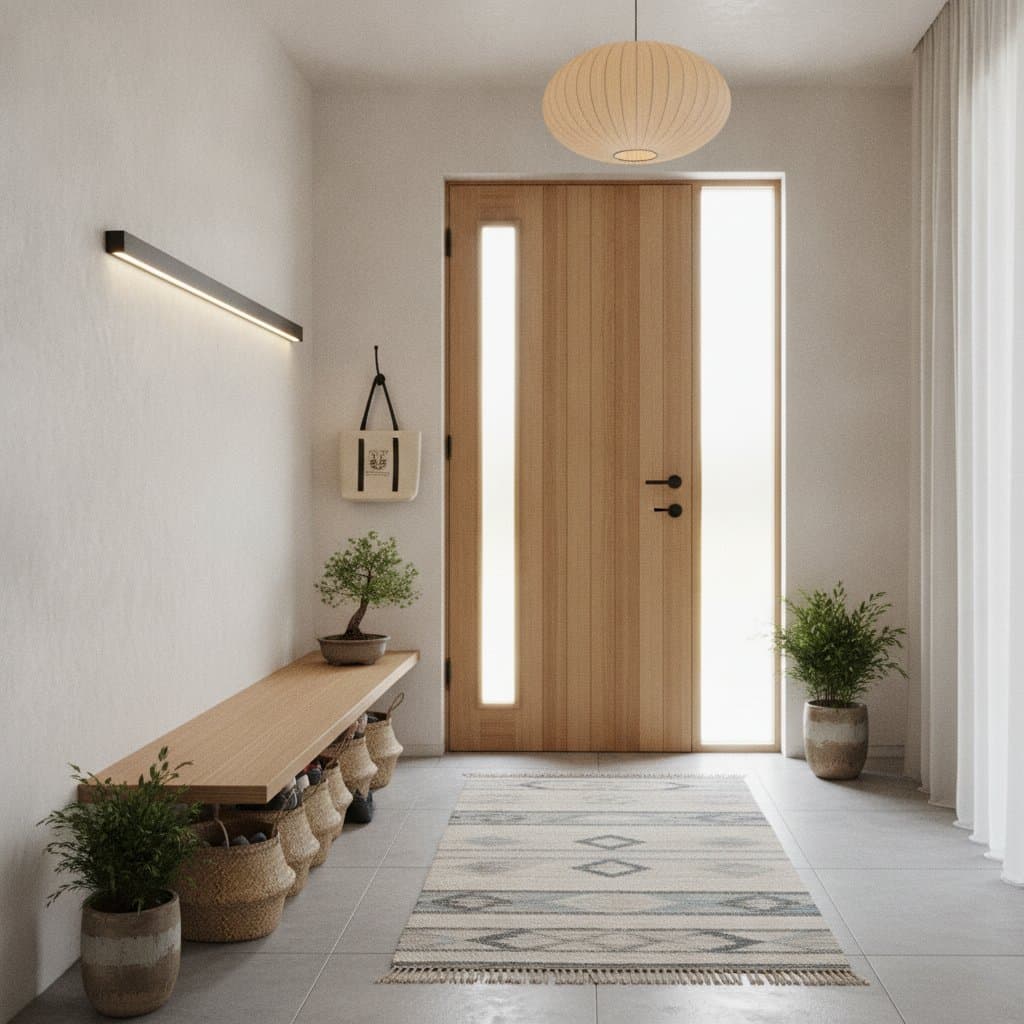
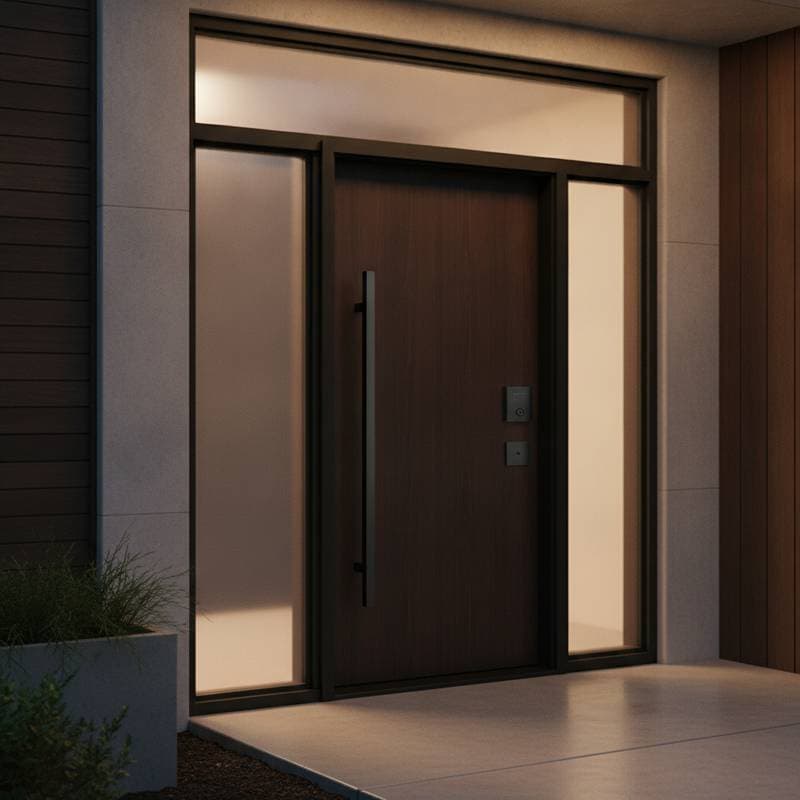
- Doors: Light-stained oak or painted wood in muted tones highlights the intricate surface of terrazzo hardware. For bolder interiors, deep navy or charcoal doors create a dramatic backdrop.
- Trim and Accents: Keep trim simple and neutral to let the hardware stand out. Square edge casings or thin reveals maintain a contemporary tone.
Maintenance Reality Check
Terrazzo hardware is surprisingly practical when maintained correctly. Resin-based terrazzo resists moisture and staining, making it suitable for interior doors in kitchens, bathrooms, or entryways. Cement-based terrazzo, while more porous, can be sealed to prevent discoloration.
Regular dusting with a soft cloth keeps the finish bright, while occasional re-sealing ensures durability over time. Avoid harsh chemicals or abrasive cleaners that can dull the surface. For metal components, use non-acidic polish to preserve the luster of the finish.
Avoid These Mistakes
- Overmixing Materials: Combining terrazzo with too many other statement surfaces, such as bold veined marble or patterned wallpaper, can overwhelm the space. Keep one hero texture and let it shine.
- Ignoring Scale: Large terrazzo chips can appear too busy on small knobs. Choose finer aggregates for compact hardware pieces to maintain proportion and subtlety.
- Skipping Sealing: Unsealed terrazzo may absorb oils from hands and develop uneven patina. Apply a protective sealer to retain its clarity and smooth touch.
Color and Style Coordination
A well-chosen palette makes terrazzo hardware feel intentional rather than decorative. Consider these combinations:
- Soft Neutrals: White terrazzo with beige and blush fragments pairs beautifully with warm matte brass for a gentle, modern aesthetic.
- Modern Contrast: Black terrazzo with gray and ivory chips works perfectly with brushed steel or blackened bronze hardware for a sleek, industrial edge.
- Natural Harmony: Cream terrazzo with green or amber accents complements walnut or oak doors, tying the organic tones together.
- Artful Edge: Multicolor terrazzo with blue, rust, and ivory fragments introduces playful sophistication when matched with muted wall colors or minimalist trim.
Planning Photography Checklist
Before selecting terrazzo hardware, gather visual references to guide your design decisions:
- Photograph current doors from multiple angles to assess proportions and lighting.
- Document architectural details such as casing profiles and baseboards to match design language.
- Note surrounding finishes including flooring, wall color, and furniture tones for coordination.
- Check neighborhood or building style to ensure choices complement the broader aesthetic.
- Set clear budget parameters before shopping to prioritize where visual impact matters most.
Integrating Terrazzo Hardware into Your Design
Terrazzo door hardware captures the essence of modern design by merging artistry with functionality. It introduces color and texture in a subtle, architectural way that standard finishes rarely achieve. Designers favor it for its ability to bridge classic craftsmanship with forward-thinking style, creating interiors that feel personal and enduring.
Whether you choose an affordable resin version or invest in custom artisan pieces, terrazzo hardware transforms ordinary doors into tactile design statements that celebrate both beauty and durability.